When you source or sell fleece jackets, you market warmth, comfort, and softness. But have you ever wondered what scientific rigor lies behind an OEKO-TEX certification for these cozy layers? Customers see a label, but you need to understand the concrete tests that validate your safety claims. Without this knowledge, you risk relying on a certificate you don't fully understand, potentially overlooking risks hidden in the fabric's very construction.
OEKO-TEX testing for fleece jackets is a multi-stage scientific process that analyzes both chemical content and physical properties. It goes beyond simple material checks to examine the final garment for harmful substances, colorfastness, and skin compatibility. The testing methods are designed to simulate real-world use, ensuring the fleece remains safe even during intense activity where sweat and friction are factors.
For fleece—a material known for its high surface area and direct skin contact—these tests are particularly crucial. Let's pull back the curtain on the laboratory procedures that turn a trust claim into verifiable data.
What Chemical Substances Are Specifically Tested in Fleece?
Fleece, typically made from polyester, is a product of complex chemical processing. The OEKO-TEX STANDARD 100 test framework systematically hunts for substances that could be harmful to human health. The testing isn't a single check; it's a battery of targeted analyses.
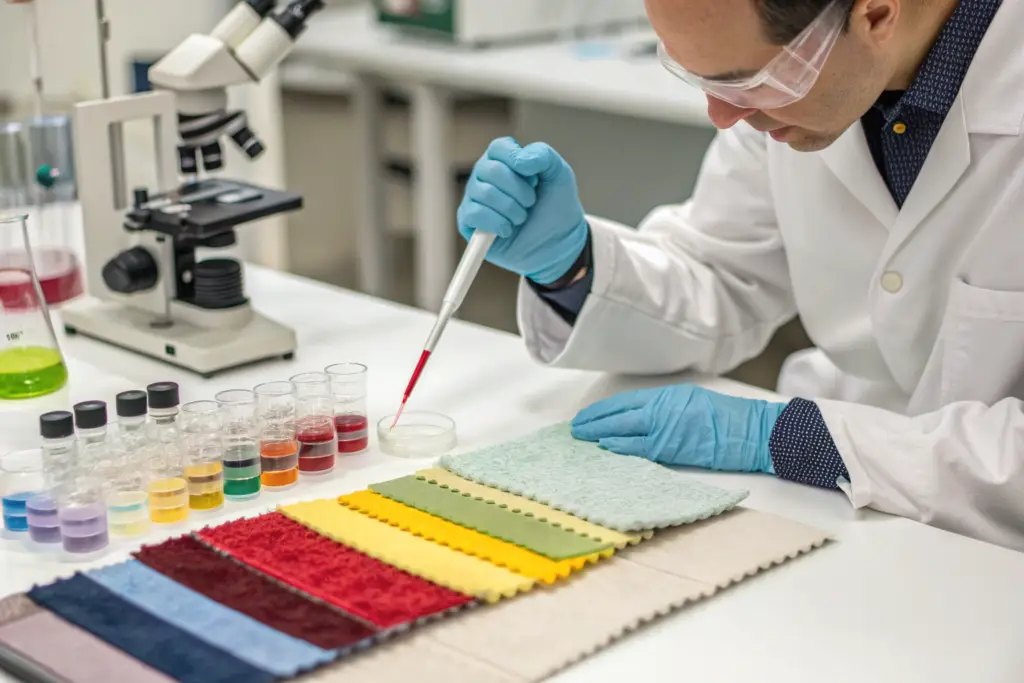
The tests look for residues from the manufacturing process. This includes catalyst remnants from polymer production, dyes and finishing agents that may contain heavy metals or formaldehyde, and contaminants that can be present in recycled polyester (rPET) fleece. The laboratory uses advanced equipment like Inductively Coupled Plasma Mass Spectrometry (ICP-MS) to detect heavy metals such as cadmium, lead, and mercury at parts-per-million levels. Similarly, Gas Chromatography-Mass Spectrometry (GC-MS) is used to identify volatile organic compounds (VOCs), formaldehyde, and certain pesticides. At Shanghai Fumao, we pre-screen our fleece fabrics with certified suppliers using these same test parameters. Last year, this prevented a shipment of olive green fleece from entering production when our pre-test detected azo dye compounds above the allowed limit, saving our client from a failed final certification.

Why is pH value testing critical for fleece?
Fleece is worn directly against the skin, often as a mid-layer. Human skin has a slightly acidic pH balance (around 5.5) that acts as a protective barrier. A fleece fabric with an overly alkaline or acidic pH can disrupt this barrier, leading to skin irritation, dryness, or itching. The OEKO-TEX test method involves creating an aqueous extract from the fleece material and measuring its pH with a calibrated electrode. The allowable range is typically pH 4.0 to 7.5 for products with direct skin contact (Class II). This test is a direct measure of skin compatibility. We once worked with a brand that received customer complaints about itchiness from their fleece line. The problem wasn't the fiber itself, but an improper alkaline wash-off during dyeing. Correcting the pH through a revised finishing process—and verifying it through testing—resolved the issue completely.
How are harmful residues from recycled materials (rPET) assessed?
The use of recycled polyester in fleece is commendable but introduces unique risks. The source material (e.g., plastic bottles) may have contained contaminants. OEKO-TEX testing includes specific parameters for these potential post-consumer residues. Tests look for substances like phthalates (plasticizers) and heavy metals that could have carried over from the original product into the recycled yarn. The testing lab uses solvent extraction followed by chromatographic analysis to identify these compounds. For brands committed to sustainability, this testing layer is non-negotiable. It provides the verified safety story that completes the "green" narrative. The American Apparel & Footwear Association (AAFA) has resources on managing chemical risks in recycled content, underscoring its importance in responsible sourcing.
How Do Performance Tests Like Colorfastness Relate to Safety?
Safety isn't just about static chemical content; it's about how the garment behaves under conditions of use. Two key performance tests mandated by OEKO-TEX directly correlate to safety and quality for fleece jackets: colorfastness to perspiration and colorfastness to saliva (for children's items).
These tests simulate real-life stress. The perspiration test involves immersing fleece samples in artificial acidic and alkaline sweat solutions, then subjecting them to pressure and heat. The solution is then analyzed to see if dyes have migrated from the fabric. Dye migration isn't just an aesthetic issue (staining skin or other layers); it's a potential pathway for harmful substances to leach onto the skin. If a dye is not fast to perspiration, any heavy metals or harmful chemicals within that dye could also transfer. In our factory, we mandate that our fleece suppliers provide test reports for both colorfastness to washing and perspiration before we even include the fabric in our certified material library.
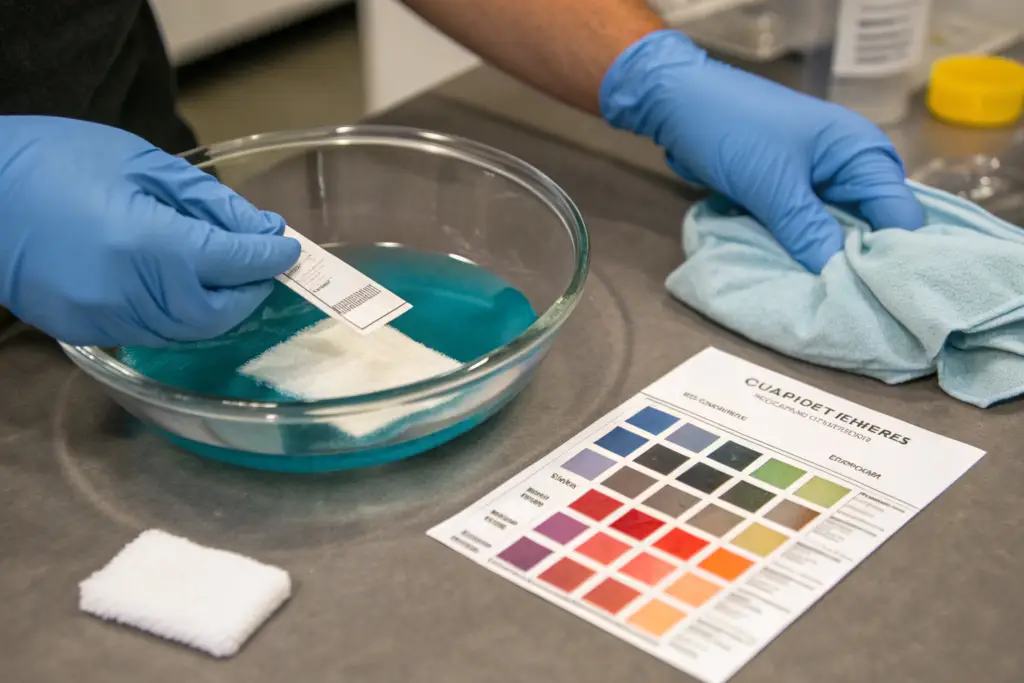
What does the saliva fastness test entail for kids' fleece?
For children's fleece (OEKO-TEX Class I), saliva fastness is critical. This test simulates a child chewing or sucking on their clothing. The fabric is exposed to an artificial saliva solution and then examined for color transfer. The requirement is extremely strict because any dye or chemical leaching in this scenario poses a direct ingestion risk. The test method is precise, controlling temperature and agitation to replicate real conditions. This is why Class I certification is more rigorous and costly—it represents the highest safety standard. When we produce kids' fleece jackets for the North American market, we insist on using only Class I certified fabrics and trims from the outset, as retrofitting a non-compliant design is nearly impossible.
How are formaldehyde and pesticide residues detected?
These are classic tests with profound safety implications. Formaldehyde, used in some anti-wrinkle or easy-care finishes, is a known skin sensitizer and respiratory irritant. The test, often using the acetylacetone method, involves extracting formaldehyde from the fleece and measuring its concentration colorimetrically. The limit for direct skin contact (Class II) is very low (75 mg/kg). Pesticide residues are a concern primarily for natural fibers like cotton, but blended fleeces (e.g., cotton-polyester) are also screened. A broad-spectrum analysis detects dozens of common agricultural pesticides using GC-MS. While less common in synthetic fleece, this test is part of the comprehensive "better safe than sorry" approach that defines OEKO-TEX. Passing it gives you a broader marketing claim of "free from harmful pesticides."
What is the Process for Submitting a Fleece Jacket for Certification?
Understanding the testing methods is one thing; navigating the submission process is another. It's a procedural dance between your manufacturer, the testing institute, and your brand. Getting it wrong can mean delays, unnecessary costs, or an incomplete certification.
The process must be initiated by the holder of the certificate—usually the final product manufacturer or the brand. The first step is sample selection. You must submit a complete, finished fleece jacket in the smallest size available, along with spare samples of each distinct material used (e.g., shell fleece, lining fleece if different, zipper, thread, labels). Crucially, these samples must be from production-ready materials, not prototypes made with different components. At Shanghai Fumao, we manage this entire process for our clients. For a new client's fleece line last season, we compiled a "certification sample kit" containing the jacket and tagged material swatches, completed all paperwork with the Hohenstein Institute (an OEKO-TEX member institute), and handled all communication, securing the certificate in 5 weeks.
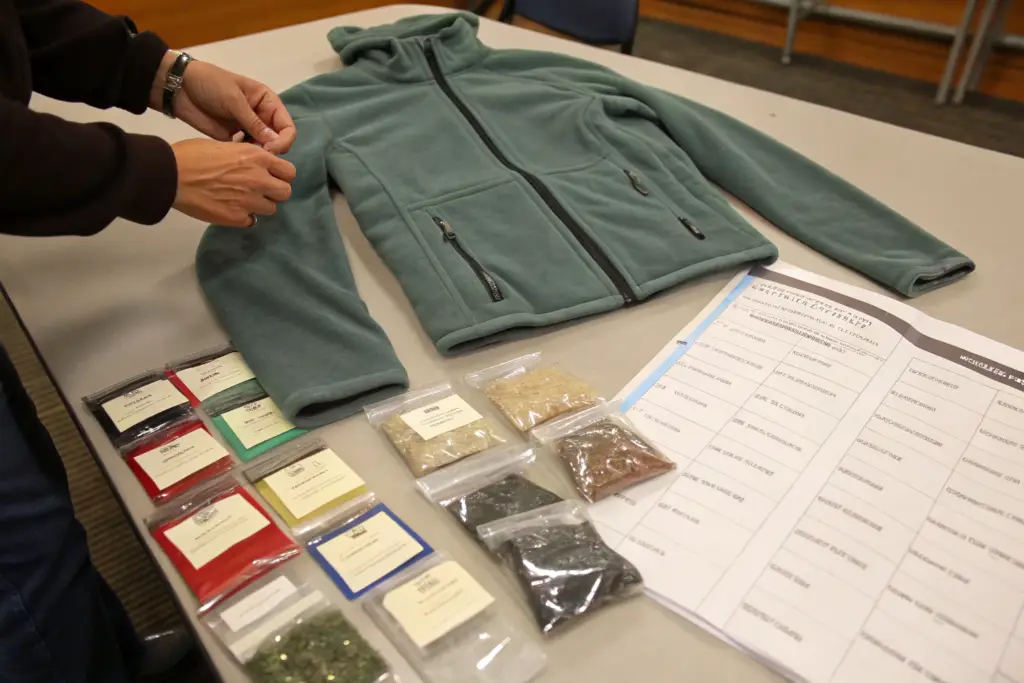
How are different material components handled in testing?
The laboratory conducts a risk-based assessment. The fleece fabric, constituting the majority of the product and having direct skin contact, undergoes the full suite of tests. Accessory materials like zippers or plastic logos are tested for specific relevant parameters (e.g., heavy metals, phthalates). The lab may physically cut samples from these components for analysis. If your fleece jacket has a smooth nylon lining in the sleeves, that lining fabric is tested separately from the main brushed fleece. This component-wise approach is why the bill of materials (BOM) you provide to your factory must be 100% accurate. Any undocumented material change is a violation.
What is the role of the factory's internal quality control (IQC)?
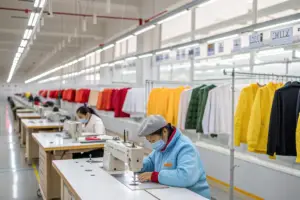
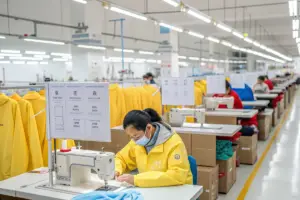
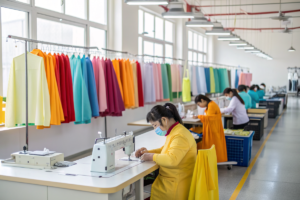
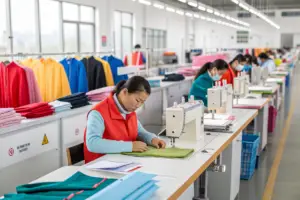
Before a sample is ever sent to an external lab, rigorous Incoming Quality Control (IQC) is the first defense. A proficient factory will have its own basic testing equipment to screen materials. At our facility, we conduct spot tests on incoming fleece rolls for pH and formaldehyde using simple chemical kits. We also verify the supplier's own test reports against OEKO-TEX limits. This internal screening catches over 95% of potential compliance issues before they reach the certification stage, saving significant time and money. It's a value-added service that protects our clients' timelines and budgets. This proactive step is what separates a true manufacturing partner from a simple cut-and-sew contractor.
How Do You Interpret the Test Results and Certificate?
Receiving the certificate is a milestone, but the accompanying test report is a treasure trove of data. Knowing how to read it empowers you to make informed sourcing decisions and provides powerful evidence for your marketing and retailer inquiries.
The OEKO-TEX Certificate itself lists the certified article, applicant, test institute, standard, product class, and validity. The more detailed Test Report lists every parameter tested, the method used, the result, and the limit value. A pass is indicated by "compliant" or a checkmark. You should review this report to see if any parameters were near the limit. For instance, if the pH of your fleece tested at 7.4 (close to the 7.5 limit for Class II), it might indicate a process at its tolerance edge. You can then ask your factory to tighten control on the dyeing bath for future batches. We provide a summarized, easy-to-read analysis of the test report for our clients, highlighting any areas for attention, not just the "pass."
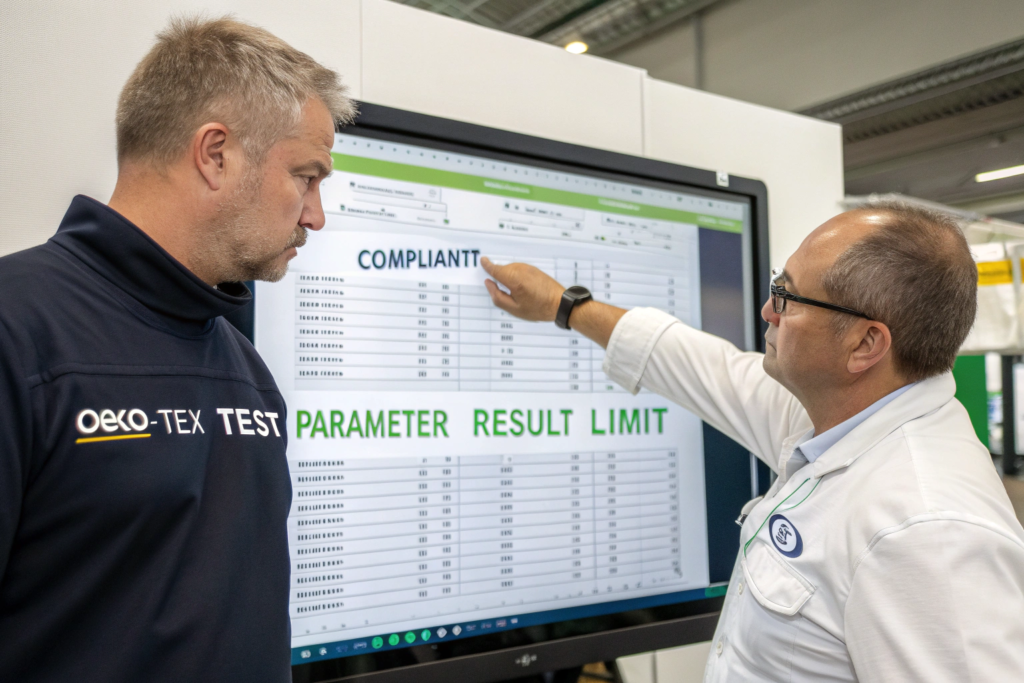
What happens if a test result is borderline or fails?
If a result is borderline, the certification body may request a re-test on a new sample from the same batch. A failure requires immediate action. The factory must:
- Identify the Source: Was it the fleece fabric, the dye, a trim?
- Implement a Corrective Action: Change the material supplier or adjust the chemical process.
- Re-submit Samples: New samples from the corrected production must be submitted for testing.
All costs for re-testing after a failure are borne by the applicant. This is why the pre-screening and use of certified materials are so cost-effective. We had a case where a fleece jacket failed due to nickel in a metal zipper pull. Because we traced the issue to a specific trim batch, we could quarantine the non-compliant pullers, replace them with certified ones from an approved supplier, and re-submit only the affected component for verification, minimizing cost and delay.
How long is the certificate valid and what does renewal involve?
An OEKO-TEX certificate is valid for one year. Renewal is not automatic. It requires a surveillance audit, which often includes testing new samples. Furthermore, if you change any material supplier or production process, you must inform the certification body, as it may require a partial or full re-test. This ensures ongoing compliance. For our long-term clients at Shanghai Fumao, we manage the renewal calendar, gather the necessary samples from new production batches, and handle the re-application, ensuring there is no gap in their certified status—a critical point for maintaining uninterrupted supply to retailers.
Conclusion
The OEKO-TEX certification for fleece jackets is underpinned by a robust, scientific framework of testing methods. From advanced chemical analysis for harmful substances to practical simulations of sweat and saliva exposure, these tests provide a comprehensive safety assessment. Understanding this process—from sample submission and component testing to interpreting results—empowers you as a brand to source with confidence, manage your supply chain proactively, and communicate genuine value to your customers.
Partnering with a manufacturer who not only understands these methods but has integrated the required controls into their production system is the most reliable path to securing and maintaining this valuable certification.
If you want to ensure your fleece jackets are backed by authentic, scientifically-verified safety testing, work with a partner who masters the process. At Shanghai Fumao, we combine certified manufacturing with transparent communication of the testing journey. Contact our Business Director, Elaine, to develop fleece layers that are as safe as they are soft. Reach her at elaine@fumaoclothing.com.