For American brands sourcing ski apparel, achieving the right balance between speed, quality, and safety certifications is a steep climb. You need your collection on shelves in time for the season, but you can’t compromise on the trusted OEKO-TEX certification that today’s consumers demand. A common pain point we hear is delayed shipments causing missed selling windows. So, how long does it truly take to produce OEKO-TEX certified skiwear without cutting corners? The answer isn't simple, but a clear roadmap can prevent costly delays.
The typical turnaround time for OEKO-TEX certified skiwear production is 90 to 120 days from confirmed order to shipped goods. This timeline integrates fabric sourcing, certification validation, complex manufacturing, and rigorous quality checks. However, partnering with an experienced manufacturer who manages the certification process internally can significantly reduce this window and mitigate the risk of shipment delays.
Many factors influence this timeline. Understanding each phase is key to setting realistic expectations and ensuring your high-performance line arrives on time. Let’s break down the journey from design to delivery.
How Does OEKO-TEX Certification Impact the Production Schedule?
Adding a trusted certification like OEKO-TEX adds critical steps, but it shouldn’t mean endless delays. The key is whether your factory handles certification proactively or reactively. A reactive approach waits until production ends to test finished goods, risking failure and massive delays. A proactive manufacturer, like us at Shanghai Fumao, integrates certification from the very first step—fabric sourcing.
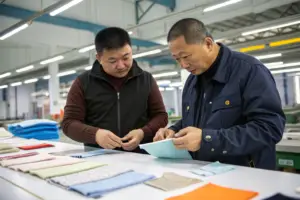
We insist on sourcing pre-certified fabrics from our trusted mill partners. This means the core materials already comply with the strict OEKO-TEX STANDARD 100 limits for harmful substances. Last fall, we partnered with a Colorado-based startup on their first ski line. Their major concern was certification timing. By leveraging our library of pre-approved fabrics and trims, we were able to submit samples for component certification immediately, shaving nearly four weeks off their total timeline compared to starting with uncertified materials.

What are the stages where certification causes delays?
The certification clock starts ticking at the fabric and trim sourcing stage. If you choose uncertified materials, the factory must send them to an approved lab for testing, which can take 3-4 weeks for results. Using a pre-certified material library bypasses this wait entirely. The next potential bottleneck is sample testing. Once prototypes are made, they must be sent for official certification. An organized factory will have established relationships with certification bodies to expedite this process. The final stage is bulk production testing. Reputable labs often conduct random batch testing to ensure consistency. Having a robust in-house quality management system that mirrors OEKO-TEX standards minimizes the risk of a bulk order failure, which would be a catastrophic delay.
How can you streamline the certification process?
Choosing the right manufacturing partner is the single biggest factor. Look for a factory with a proven track record in certified activewear. They should provide clear documentation and guidance. At Shanghai Fumao, we maintain an internal technical dossier for every project, tracking the certification status of every zipper, membrane, and thread. We also advise clients on which OEKO-TEX product classes are appropriate for their skiwear, as a Class I certification (for baby items) is more stringent and time-consuming than the typically required Class II (for garments worn directly on the skin) or Class III (for outerwear). Proactive communication is essential. We schedule weekly updates with clients during the development phase, so there are no surprises. For a recent order of 10,000 ski jackets for a Midwest distributor, this transparent workflow allowed us to flag a potential issue with a newly sourced insulation material’s certification paperwork two weeks early, giving us time to switch to a pre-approved alternative without affecting the delivery date.
What is the Breakdown of the 90–120 Day Skiwear Timeline?
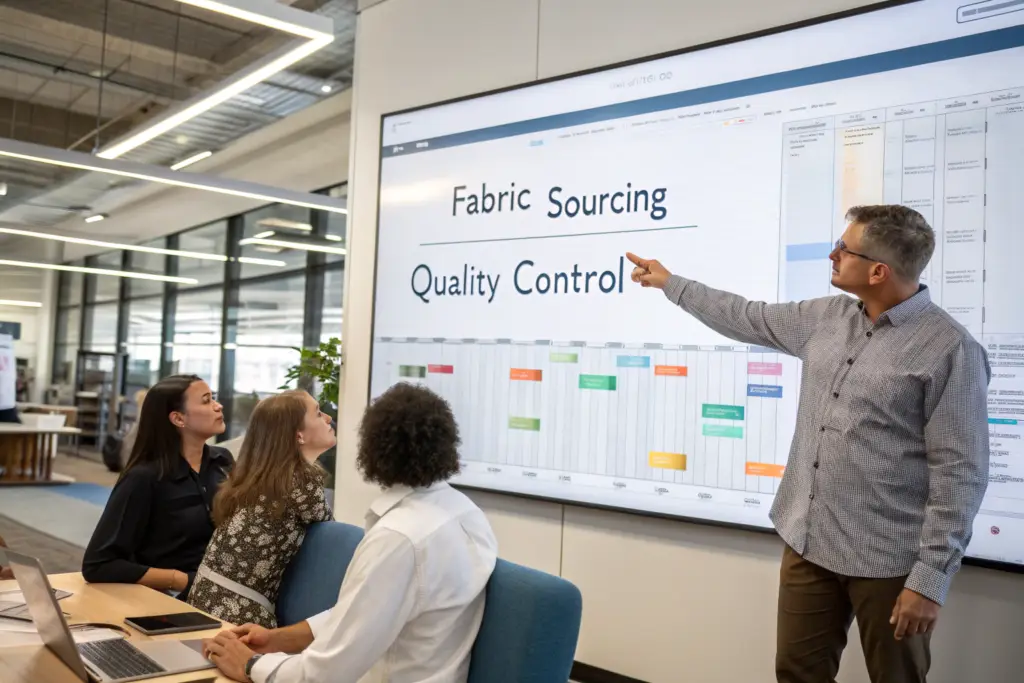
A transparent and detailed schedule is your best defense against missed deadlines. Let’s map out a realistic 105-day timeline, which is a common median for a full-package order of technical skiwear.
| Phase | Key Activities | Typical Duration | Potential Risks |
|---|---|---|---|
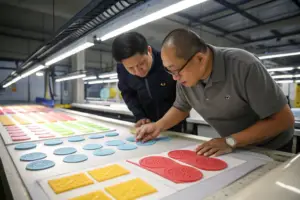
| Pre-Production | Final tech pack review, sourcing certified fabrics/trims, lab dip & strike-off approval, prototype making. | 25-30 days | Client approval delays, unavailable certified materials. |
| Production | Fabric spreading/cutting, sewing assembly, waterproof taping, insulation filling, finishing (embroidery/washing). | 40-50 days | Production line bottlenecks, quality defects in bulk. |
| Quality Control & Shipping | In-line and final inspection, AQL checks, certification validation, packaging, export documentation, shipping. | 20-25 days | Failed final inspection, logistics congestion. |
Why does pre-production take so long for technical wear?
Skiwear isn’t basic apparel. The fabric development alone is complex. You’re dealing with multi-layer laminates, waterproof membranes like GORE-TEX, and specialized insulation. Each component needs to be sourced, tested for performance (like hydrostatic head pressure for waterproofing), and certified. The sampling and fitting process is also iterative. A ski jacket might require 2-3 prototype samples to perfect the fit over base layers, the placement of vents, and the functionality of pockets and hoods. Rushing this phase leads to fit issues in bulk production, which are far more costly and time-consuming to fix. We learned this early on. Several years ago, we accepted a rushed tech pack from a brand and proceeded directly to cutting. The result was a batch of pants with incorrectly placed knee articulation, requiring a complete remake. Since then, our policy at Shanghai Fumao is to invest time in perfecting the prototype, which always saves time later.
What happens during the core production phase?
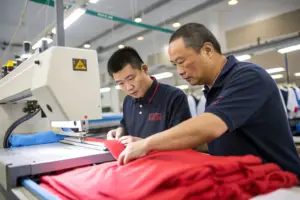
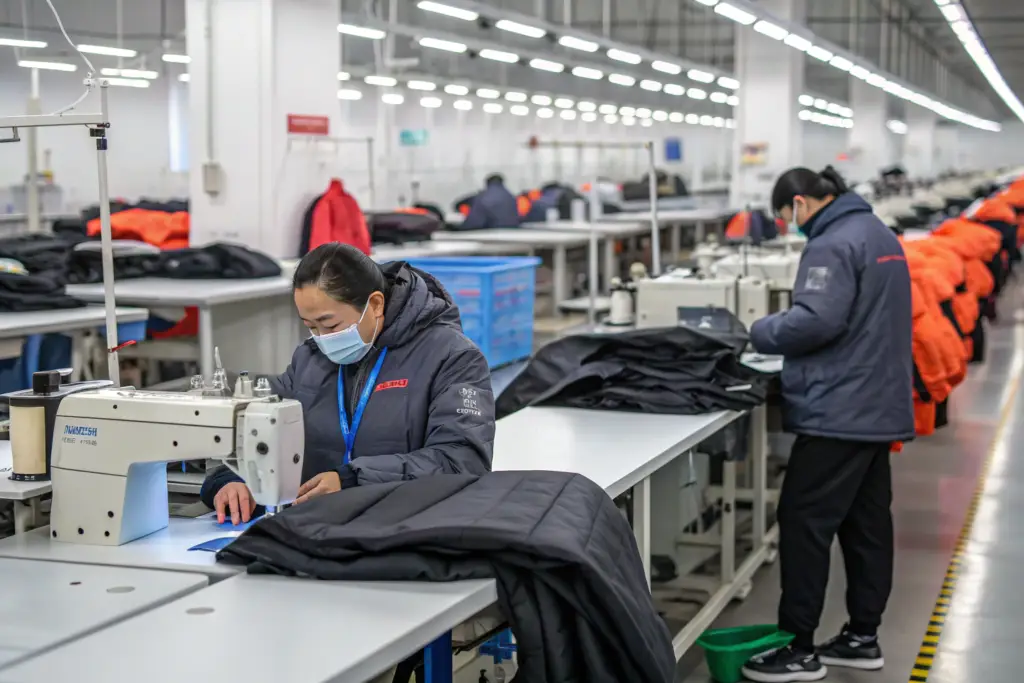
This is where capacity and expertise matter most. A factory with dedicated lines for technical outerwear, like our five production lines at Shanghai Fumao, will be more efficient. Key processes include precision cutting of specialized fabrics, which requires skilled operators to minimize waste. The sewing and assembly of skiwear involves handling slippery laminated fabrics and applying waterproof tape seams, a critical step that requires specific machines and operator training. Finally, finishing processes like attaching high-quality zippers (like those from YKK), adding custom logos, and performing a controlled wash for certain fabrics all take time. Efficient factories use production line balancing to ensure one station isn’t a bottleneck. For instance, we recently rearranged the workflow for a series of insulated bib pants, which reduced the total sewing time per unit by 15% and kept the entire order on schedule.
How Can You Avoid Delays and Ensure On-Time Delivery?
Reliable delivery is the cornerstone of trust. Beyond choosing a capable factory, you as the brand can take specific actions to protect your timeline. The most common cause of delay is not production itself, but indecision and late changes from the client side.
We implement a “Zero Surprise” project management system. From day one, we provide clients with a shared dashboard that lists every component, its certification status, and the approval deadline. This creates shared accountability. For example, we stipulate that any design change after fabric cutting will automatically add a minimum of 10 days to the schedule and incur additional costs. This clarity prevents vague requests and keeps the project moving forward.

What are the best practices for brand-side project management?
First, prepare a complete and accurate tech pack. Ambiguities in specs lead to questions, which lead to delays. Second, consolidate and expedite approvals. Assign a single point of contact on your team to review samples and lab dips. Aim for a 48-hour feedback loop. Third, plan your logistics early. Discuss Incoterms and shipping options with your manufacturer at the start. We often recommend DDP (Delivered Duty Paid) for our U.S. clients, as we handle the entire logistics chain, reducing their administrative burden and the risk of customs delays. Last season, a client in Seattle switched to our DDP service after previously managing freight themselves. Their goods arrived at their warehouse 8 days earlier than their historical average, allowing them to launch their marketing campaign as planned.
How does a factory’s internal system prevent delays?
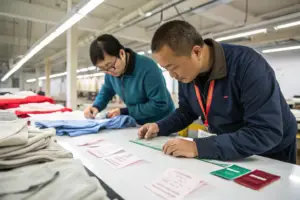
A robust factory uses several systems. In-line quality control (ILQC) stations catch defects immediately, preventing a whole batch from being sewn incorrectly. Raw material inventory management ensures certified fabrics and trims are in stock before production begins. Transparent communication protocols are vital. At Shanghai Fumao, we send weekly progress reports with photos and videos from the production floor. If we foresee any potential slippage, we inform the client the same day with a recovery plan. Furthermore, our experience across diverse product types means we can anticipate challenges. When producing a batch of ski gloves with integrated touchscreen technology, we knew the bonding process for the conductive fingertips was delicate. We allocated extra time for that specific operation in the schedule, preventing a last-minute rush.
Is a Faster Turnaround Than 90 Days Possible?
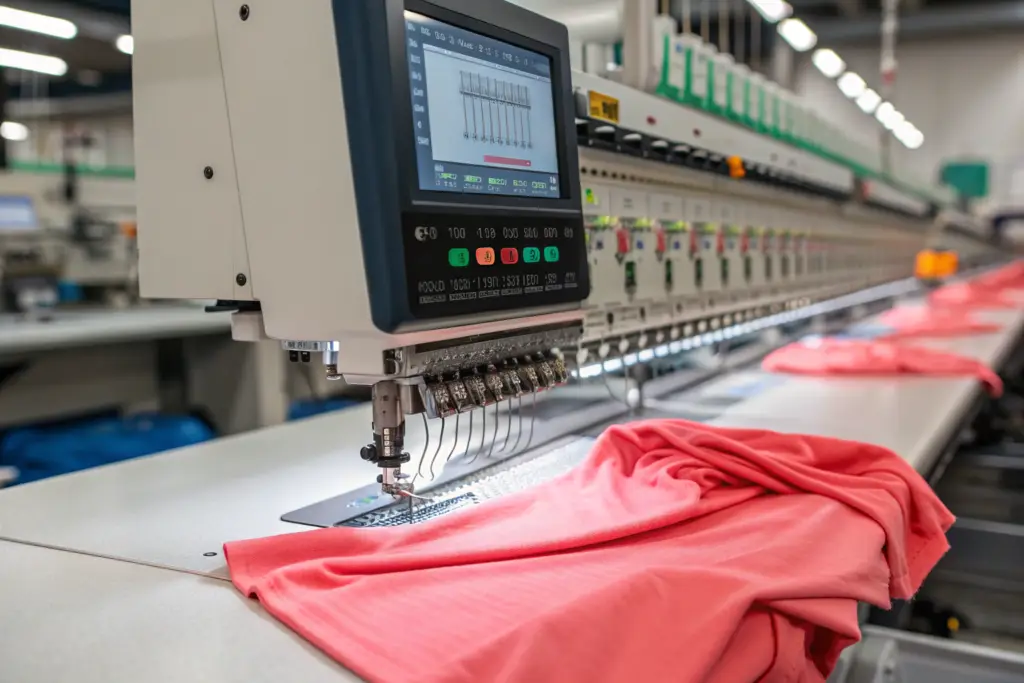
The short answer is yes, but it comes with significant trade-offs and requires exceptional preparation and partnership. A “fast track” production of 60-75 days is possible for experienced brands working with highly organized factories on designs that use existing, certified materials.
This compressed timeline eliminates almost all buffer. It requires the brand to have their tech packs 100% final, their designs to use the manufacturer’s existing patterns and fabric stocks, and approvals to be instantaneous. There is no room for error or change. We reserve this capacity for our long-term partners who understand the constraints. For instance, a California-based brand we’ve worked with for five years needed a urgent reorder of their best-selling ski pant. Because we had their certified fabric in our warehouse and their patterns on file, we completed a 2,000-piece order in 68 days from PO to shipment.
What are the risks of an accelerated timeline?
The primary risks are compromised quality and higher costs. Rushing fabric sourcing might mean settling for a less optimal material. Skipping a prototype fitting round can result in a poor-fitting garment. Pushing the production line too fast can increase defect rates. Additionally, expedited shipping methods like air freight instead of sea freight can erase your profit margins. There’s also the certification risk. Rushing might tempt a supplier to bypass proper testing, which is a non-starter for responsible brands. The American Apparel & Footwear Association (AAFA) emphasizes the importance of supply chain due diligence, which includes verifying safety certifications, not just assuming they are in place.
When does a fast turnaround make sense?
It makes sense in specific scenarios: reorders of best-selling items, test runs of small quantities for market validation, or fill-in orders to replenish a specific size/color that sold out. The foundation for speed is a strong, transparent relationship with a manufacturer who understands your brand standards. This is where our model at Shanghai Fumao shines. We act as an extension of our clients’ teams. By deeply understanding their needs and maintaining their material bank, we can execute rapid turns when genuinely needed, without sacrificing the quality or ethical standards they rely on. This partnership approach directly addresses the common pain point of inefficient communication, turning it into a streamlined, predictable process.
Conclusion
Navigating the turnaround time for OEKO-TEX certified skiwear production is about managing a complex equation of quality, safety, and speed. While 90 to 120 days is a reliable benchmark, the actual timeline hinges on meticulous planning, proactive certification management, and a manufacturing partnership built on transparency and expertise. The goal is not just to meet a date, but to deliver a product that performs on the slopes and builds trust with your customers.
By understanding the phases of pre-production, the intricacies of certified manufacturing, and the best practices for collaboration, you can set your brand up for a smooth, on-season launch. Avoiding delays is a team effort, requiring clear communication and decisive action from both the brand and the factory.
If you’re looking for a dependable partner to bring your high-quality, certified skiwear to market on time and to spec, let’s connect. At Shanghai Fumao, we combine proven expertise in technical apparel with a commitment to seamless communication and reliable delivery. We invite you to reach out to our Business Director, Elaine, to discuss your next project. You can email her directly at elaine@fumaoclothing.com to start a conversation about how we can help you scale your brand efficiently.