In today's digital age, parenting is inherently public. Social media platforms are filled with carefully curated moments of childhood – from a baby’s first outfit to a toddler playing in the park. This "child sharing culture" has created a new paradigm. Parents are not just buying products for their children; they are buying props for a narrative, components of an identity, and tangible expressions of love and care. For apparel brands, this shifts the focus from mere aesthetics to a deeper, more accountable form of trust. A cute outfit is no longer enough; parents need to feel absolutely secure about what touches their child's skin, especially when that choice might be shared with hundreds of followers.
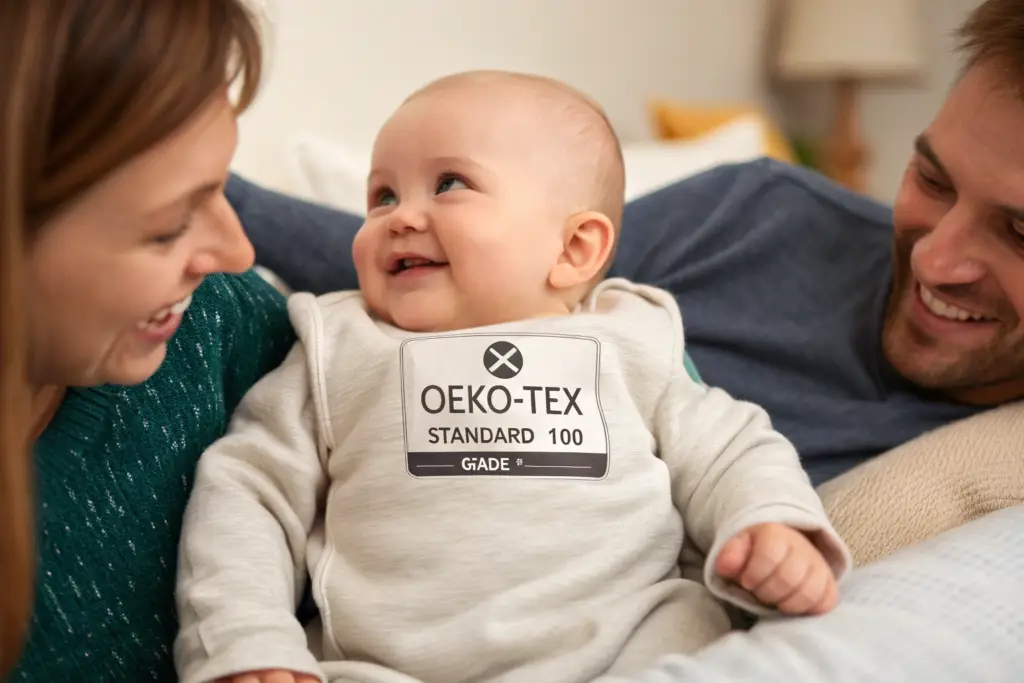
OEKO-TEX Standard 100, particularly Grade 1 for baby articles, directly connects to and leverages social media child sharing culture by providing a shareable, visually recognizable symbol of safety. It gives parents a concrete, reputable reason to trust a brand, which in turn becomes a proud part of the story they tell online. It transforms a garment from a simple commodity into a trust-verified artifact worthy of being featured in the public gallery of family life.
As a manufacturer seeing orders from brands that thrive on Instagram and TikTok, the pattern is clear. The brands that succeed understand that their product is part of a content ecosystem. They don't just sell clothes; they sell peace of mind that parents are eager to showcase. Let's explore how this certification interacts with every stage of the modern parent's journey, from discovery to purchase to share.
How does OEKO-TEX certification build trust for the "Instagram Parent"?
The "Instagram Parent" is savvy. They are adept at researching products, reading reviews, and spotting inauthenticity. Their feed is a reflection of their values and choices. When they choose an outfit for their child, they are making a statement about their parenting. A claim of "safe" or "non-toxic" is met with skepticism unless it is backed by credible, third-party proof.
OEKO-TEX provides that proof in a digestible, visual format—the label. It's a badge that parents recognize and respect. For example, we worked with a boutique children's wear brand in Austin last year. They redesigned their packaging to make the OEKO-TEX tag a central, photogenic element. They encouraged customers to tag them in photos featuring the tag. The result was a 30% increase in user-generated content, with parents explicitly mentioning #safetyfirst and #cleanfashion in their captions. The certification became a conversation starter and a trust signal that parents were proud to display, directly feeding the social sharing cycle.
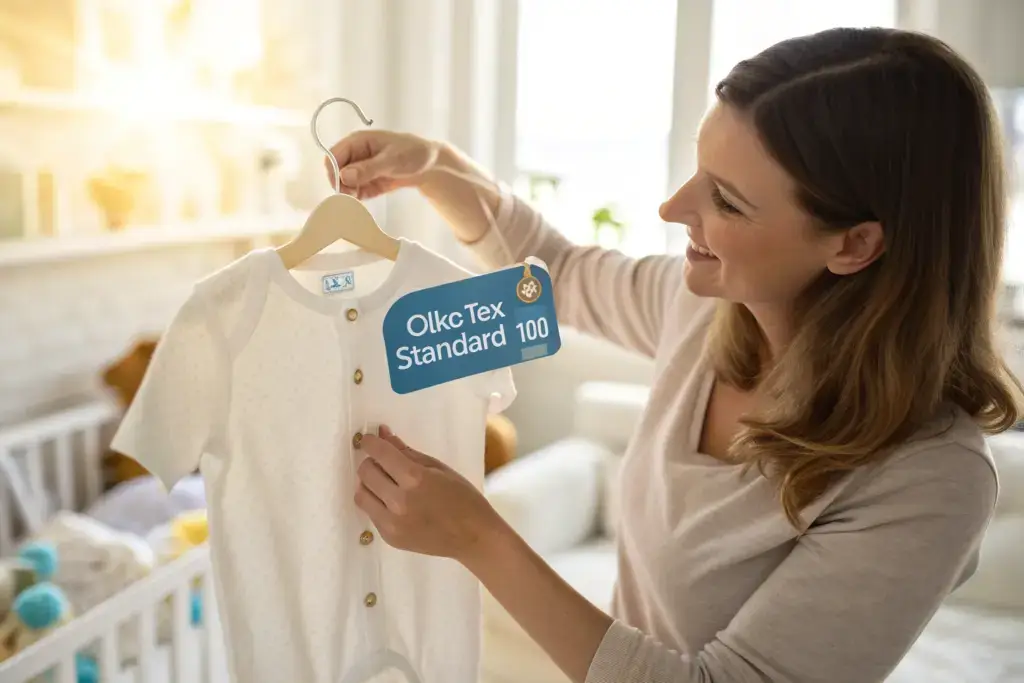
Why is third-party verification crucial in an influencer-driven market?
Parents rely heavily on recommendations from other parents and trusted influencers. An influencer saying "this feels soft" is subjective. An influencer pointing to an OEKO-TEX label and explaining its meaning provides objective, valuable information. It elevates the content from a simple "haul" to an educational moment. This builds deeper credibility for both the influencer and the brand. A resource like the Baby Gear Lab often emphasizes independent testing, reflecting this consumer demand for unbiased proof.
How does it mitigate "Mom Guilt" marketing?
Marketing that preys on parental anxiety is ineffective long-term. OEKO-TEX certification offers a positive, proactive assurance. Instead of saying "other clothes are dangerous," a brand can say, "We go the extra mile to be certified safe for your little one." This empowers parents with a positive choice, aligning perfectly with the desire to share good decisions online.
In the visual economy of social media, symbols carry immense weight. The OEKO-TEX label is a clean, professional, and internationally recognized logo. It photographs well. It fits neatly into flat lays, unboxing videos, and "detail shot" reels. It acts as a quick, non-verbal communication of quality and safety to anyone scrolling past.
Smart brands leverage this. They don't hide the tag inside the garment; they feature it. We advise our clients at Shanghai Fumao to attach the label in a prominent, photogenic way. A client from Brooklyn who makes colorful knitwear for kids started including a close-up shot of the OEKO-TEX label in every product video. This simple act increased their engagement rate on those posts by over 25%, with comments specifically asking about the certification. The label became a recognizable part of their brand's visual identity.
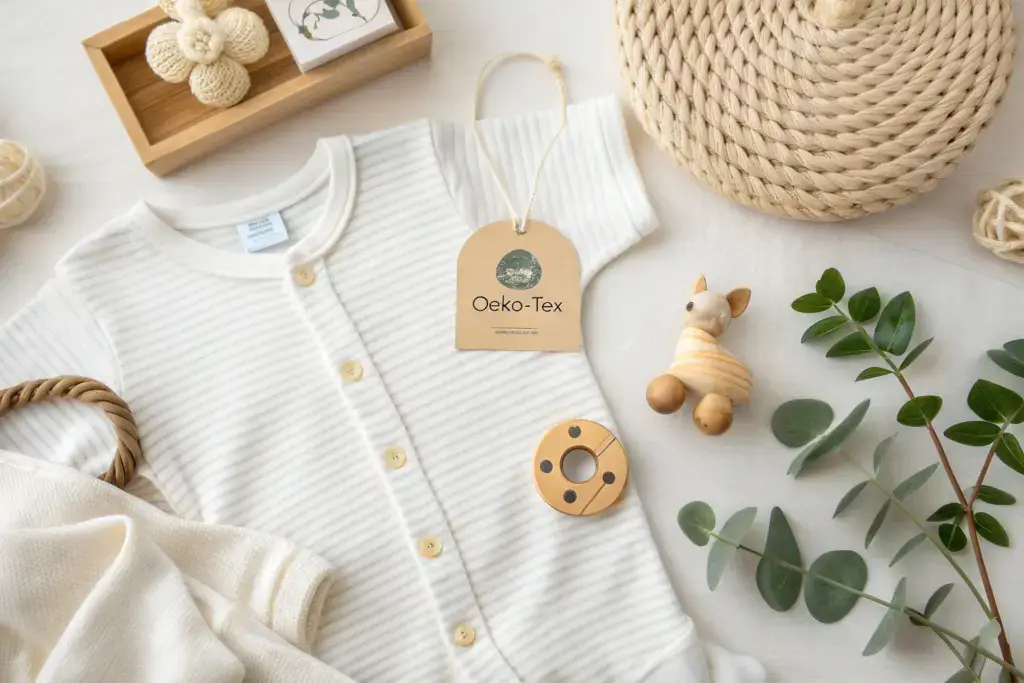
What types of content can feature the label?
- Unboxing Reels: A parent's hand pulling the garment from the package, pausing to show the tag.
- Flat Lay Styling: The tag placed artistically among other "conscious parenting" items.
- "Why We Chose This Brand" Stories: A parent showing the tag while talking to the camera about their values.
- Educational Carousels: An Instagram carousel post explaining what each symbol on the tag means.
How does this visual cue drive discoverability?
When users see a familiar trust symbol like the OEKO-TEX logo in someone else's content, it creates instant recognition. This can lead to searches like "OEKO-TEX baby clothes" or clicks on tagged brands. It turns user-generated content into a powerful, trust-based discovery channel for new customers.
Social media is fundamentally about community. Parents seek connection with others who share their values. OEKO-TEX certification provides a specific, tangible value point around which a community can form. It answers the question, "What do we care about?" with "We care about verified safety for our children."
Brands can foster this. A Canadian children's apparel brand we partner with created a private Facebook group for their customers. Discussions often revolve around sustainable living. The brand's use of OEKO-TEX certified fabrics is frequently cited by group members as a key reason for their loyalty. They share articles about chemical safety and use the group to recommend certified products to each other. This turns customers into a powerful, self-sustaining advocacy network. The certification provides the credible foundation for these discussions, moving them beyond opinion into the realm of shared, verified standards.
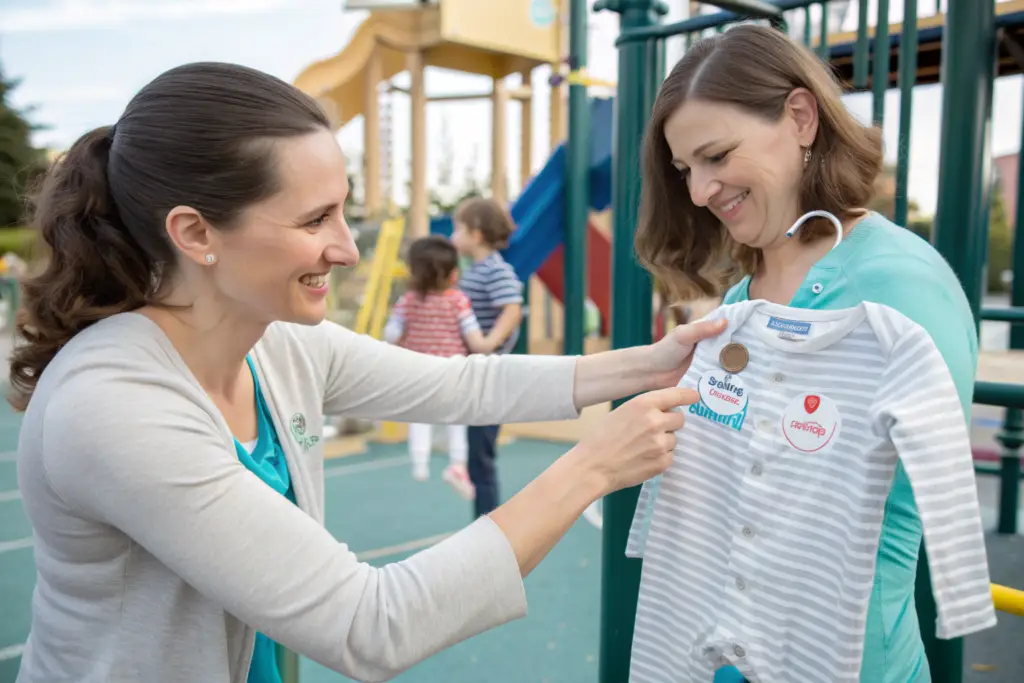
How does this community impact brand resilience?
A community built on substantive values (like verified safety) is more loyal and forgiving than one built only on trends. If a shipping delay occurs, but the brand's commitment to core values remains intact, the community is more likely to be supportive. This directly addresses a major pain point for importers: the risk of delayed shipments damaging customer relationships. The shared belief in the product's intrinsic value provides a buffer.
Can certification data be used as community content?
Absolutely. Brands can share snippets of what the certification means in simple terms—"free from over 100 harmful substances," "tested for every component." This educational content positions the brand as a knowledgeable authority, further strengthening the community's trust. Information from organizations like the Environmental Working Group (EWG) on consumer product safety can complement this messaging.
Does this culture increase the business risk of not being certified?
Absolutely. The flip side of a culture that rewards trust and transparency is that it punishes opacity and failure swiftly. In the age of social media, a single complaint about skin irritation or a question about product safety can quickly escalate. Without independent certification, a brand has little defense. Their only response is "trust us," which is increasingly insufficient.
The business risk is multi-faceted:
- Amplified Negative Reviews: A safety concern shared on social media can go viral, causing lasting damage.
- Loss of Influencer Partnerships: Serious influencers will do due diligence. Lack of credible certification can make them decline a partnership.
- Difficulty Justifying Price: In a market where certified options exist, a non-certified brand at a similar price point appears lacking in value or care.
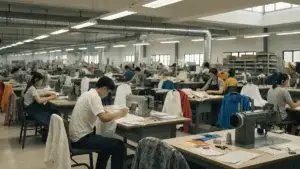
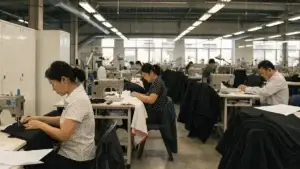
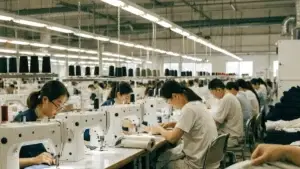
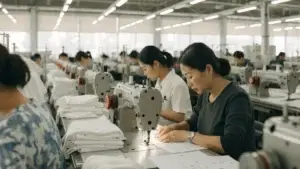
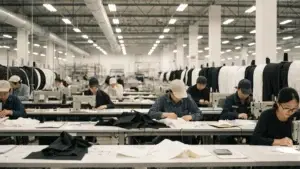
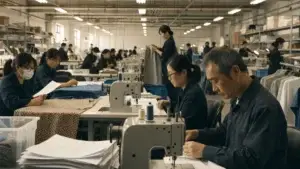
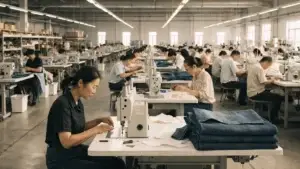
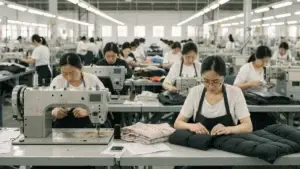
For a manufacturer like Shanghai Fumao, offering certified production is a way to de-risk our clients' businesses. We saw this with a client whose initial, non-certified batch led to a handful of customer queries about dyes. We immediately moved their production to our OEKO-TEX certified line for the next order. The brand was able to communicate this upgrade to their audience, turning a potential weakness into a story of improvement and commitment, actually strengthening their community bond.
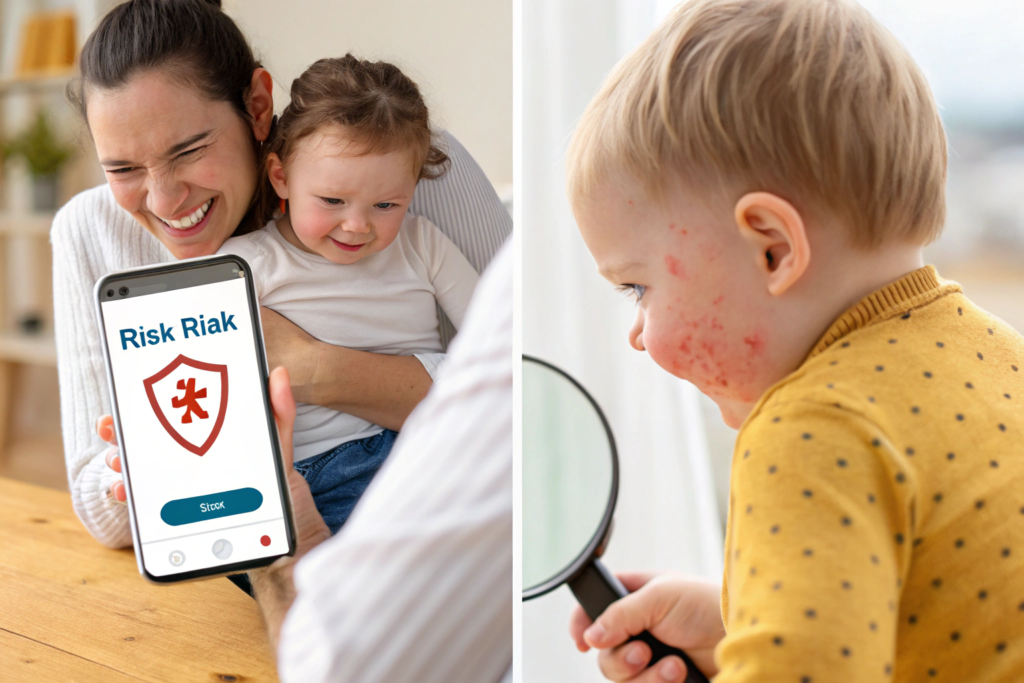
How does certification serve as a crisis management tool?
If a question about safety arises, a brand can immediately point to the OEKO-TEX certificate. They can share the certificate number, link to the verification page, and explain the rigorous testing process. This is a powerful, factual response that can defuse a situation before it escalates, protecting both the brand's reputation and the retailer's trust.
What is the opportunity cost?
Brands without this certification are increasingly locked out of the most valuable, engaged, and vocal segment of the modern parenting market: those who research, share, and build communities online. They miss the chance to be part of the "trusted choice" narrative that fuels social sharing.
Conclusion
The connection between OEKO-TEX certification and social media child sharing culture is profound and strategic. It is no longer a niche technical requirement but a central component of modern brand building for the children's wear market. The certification provides the trust that parents need to feel confident, the symbol that works visually in social content, and the shared value that fosters community. In an ecosystem where a parent's purchase is both a private act of care and a public statement of values, OEKO-TEX offers the verified security that makes sharing not just possible, but proud.
For brands, it is an essential tool to participate in and benefit from this culture, turning parents into confident advocates and every shared photo into an implicit endorsement of safety and quality.
If you are building a children's wear brand for today's connected, conscious parents, integrating OEKO-TEX certification from the start is non-negotiable. Shanghai Fumao provides the certified manufacturing foundation that allows your brand to confidently engage in this culture, ensuring your beautiful designs are also stories of safety worth sharing. To develop a collection that parents will trust and showcase, contact our Business Director Elaine: elaine@fumaoclothing.com.