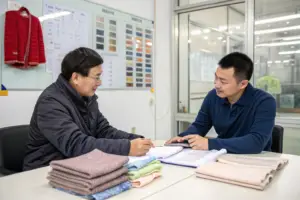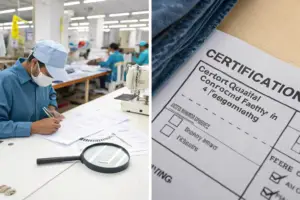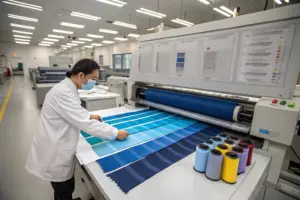
Every season brings a new must-have item, and right now, for the preteen market, it’s the corduroy V-neck jumper. But for distributors sourcing these pieces from overseas, the real challenge isn't just finding a supplier—it's ensuring the product is trusted by the end consumer. You might have faced issues with color fading, skin irritation complaints, or shipment delays due to last-minute certification failures. The solution savvy distributors are turning to is a specific commitment to safety through the OEKO-TEX Standard 100 certification.
Distributors prioritize OEKO-TEX certification for preteen corduroy V-neck jumpers because it directly addresses core business risks: it builds consumer trust through verified safety, simplifies complex supply chain compliance, and acts as a powerful marketing tool that justifies premium pricing in a sensitive market segment.
The shift towards certified clothing is a response to heightened consumer awareness. Choosing an OEKO-TEX certified partner is about building a resilient and profitable supply chain.
How Does OEKO-TEX Certification Reduce Risk for U.S. Distributors?
For distributors, every shipment carries risk. A late shipment can miss a selling season, but a shipment that fails safety tests can lead to recalls and brand damage. OEKO-TEX certification acts as a pre-emptive risk management tool. It shifts the burden of proof to an independent, globally recognized authority. You are backed by rigorous, third-party laboratory testing, not just a supplier's word.
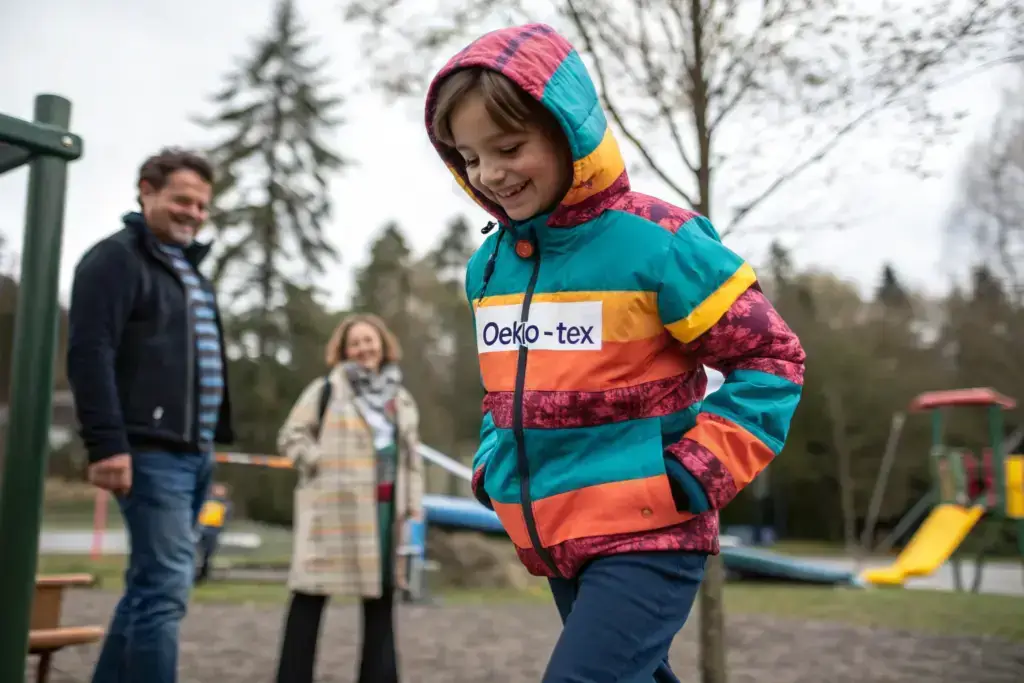
The certification covers every component, screening for over 100 harmful substances. For a preteen jumper, this is critical. Children's skin is more sensitive, and parents are vigilant. By sourcing OEKO-TEX certified jumpers, you outsource complex chemical compliance. Last fall, a Texas-based children's wear brand we partnered with at Shanghai Fumao was transitioning to sustainable dyes but worried about hidden residues. Our existing OEKO-TEX certification for corduroy fabrics provided the concrete data they needed, helping them secure shelf space in a major department store.
What specific harmful substances does OEKO-TEX testing target?
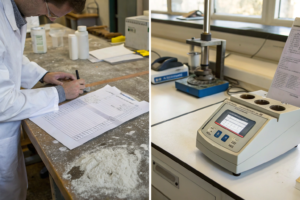
The OEKO-TEX Standard 100 test criteria are extensive and updated annually. It systematically checks for regulated substances like carcinogenic arylamines from certain azo dyes, formaldehyde, and heavy metals. It also checks for chemicals not yet legally regulated, including allergenic dye stuffs and pesticide residues. Parameter groups like pH value and colorfastness are also tested, ensuring the garment is comfortable and durable. For corduroy, key areas are the dyes and softeners. A non-certified supplier might use cheaper, non-compliant chemicals, exposing you to risk.
How does this simplify the import and logistics process?
Certification streamlines supply chain management. It reduces the chance of your shipment being held at U.S. Customs for random safety testing. While not a free pass, the OEKO-TEX certificate is recognized, facilitating smoother clearance. It also simplifies dealings with retailers who have their own restricted substances lists (RSLs). The certificate is often accepted as proof of compliance, saving you from redundant testing. This reliability is key at Shanghai Fumao. We integrate certification into our workflow, ensuring every step delivers a compliant, shipment-ready product.
Does OEKO-TEX Add Real Market Value to Preteen Apparel?
Beyond risk mitigation, certification is a commercial asset. Parents buy values and peace of mind. An OEKO-TEX label transforms a jumper into a trust-marked product, allowing you to command a better price and build loyalty. It tells a story of care and quality.
This value is quantifiable. Brands marketing with such certifications often see lower return rates and can justify a 15-20% price premium. The label serves as a silent salesperson, answering "Is this safe for my child?" For a distributor, this means faster inventory turnover.

How does certification influence consumer purchasing decisions?
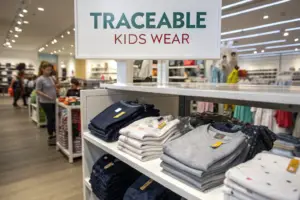
Modern parents look for trust signals. A label from an independent body like OEKO-TEX is more credible than a self-declared "eco-friendly" tag. It provides tangible proof. Marketing that highlights "tested for safety" backed by the seal sees higher engagement. This builds brand reputation faster than advertising alone.
Can it provide a competitive edge in wholesale negotiations?
Absolutely. Presenting an OEKO-TEX certified line elevates your proposal. It shows professionalism and a commitment to quality beyond basic specs. This can be the deciding factor in winning a contract, especially beyond competitive pricing. A European distributor used our OEKO-TEX certified production for kids' knitwear as a key differentiator to win an exclusive contract, beating lower-priced bids.
What Should Distributors Look for in an OEKO-TEX Certified Factory?
Not all certifications are equal. Partner with a factory where the standard is ingrained in the culture. Key indicators include a valid certificate for the specific product class (clothing for children), the scope of certification, and the manufacturer's track record.
Ask for test reports and certification scope. A reliable partner is transparent. At Shanghai Fumao, our certification covers core fabrics and production. We control the entire environment to prevent cross-contamination and conduct internal pre-testing. This holistic approach guarantees consistency.
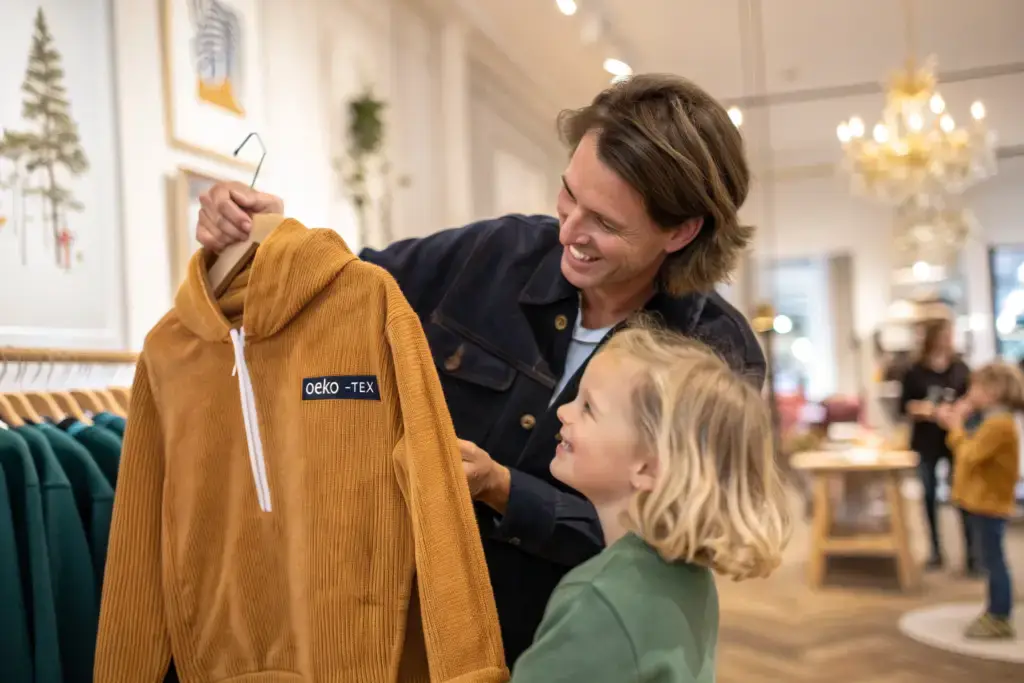
How to verify the authenticity and scope of a supplier's certification?
Ask for the OEKO-TEX certificate number and the certified company name. Verify it in the free OEKO-TEX buyer's guide online. Check:
- Product Class: Ensure it's valid for "Class II" or "Class I" (strictest for babies).
- Certified Articles: Confirm "corduroy garments" are listed.
A trustworthy factory proactively shares this. A client from California requested a live video tour to see our certified fabric rolls with unique labels. Our openness secured their 5,000-piece order for corduroy pinafores.
What internal quality controls should complement OEKO-TEX?
OEKO-TEX is a baseline. A proficient factory has additional checks:
| Control Stage | OEKO-TEX Provides | Complementary Factory Controls |
|---|---|---|
| Raw Material | Lab test for harmful substances. | In-house fabric inspection for defects, pre-testing every batch. |
| Production | Audit of chemical management. | In-line checks for construction integrity (stitch quality, seam strength). |
| Final Product | Final product compliance test. | AQL inspection on every batch for workmanship, sizing, and packaging. |
A factory without rigorous daily quality control processes is a risk.
How Does DDP Shipping Work with Certified Garment Orders?
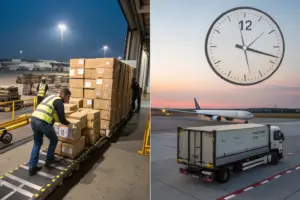
The journey doesn't end at the factory. Efficient export & logistics are critical. Delayed shipping can erase all advantages. A supplier's Delivered Duty Paid (DDP) model is key. With DDP for certified goods, you buy a complete package: certified product + seamless delivery to your U.S. warehouse.
Under DDP, the supplier handles all costs and risks until delivery, including customs and duties. This gives you a definitive, all-inclusive landed cost upfront. It eliminates surprises. More importantly, the supplier ensures the OEKO-TEX documentation is perfect to avoid customs delays.
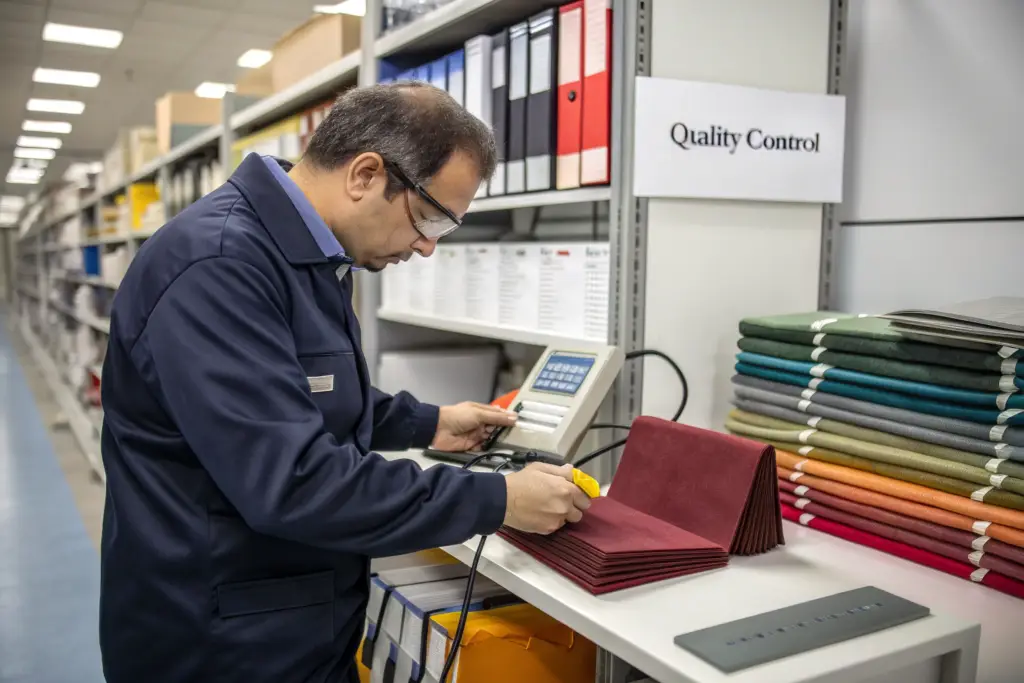
What are the key benefits of DDP for certified apparel?
The benefits are cost predictability and administrative simplicity. You get one clear invoice. No surprise bills. This allows accurate profit calculation. It streamlines operations—you don't manage overseas logistics. This directly addresses delayed shipments. A Midwest distributor switched to our DDP model after prior delays. Their average delivery time is now a consistent 42 days, allowing confident season planning.
How does certification integrate with DDP documentation?
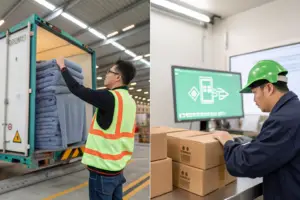
The OEKO-TEX certificate is vital. In a managed DDP shipment, the supplier's team:
- Includes the certificate in shipping documents.
- Uses it for U.S. Customs textile declarations.
- Ensures all invoices reference the certification.
This integrated approach prevents the certificate from being an afterthought, facilitating smoother clearance. A fragmented process increases the risk of errors.
Conclusion
Prioritizing OEKO-TEX certification is a strategic move. It responds to demanding consumers, stringent retail needs, and supply chain risks. This certification reduces business risk, adds market value, ensures supply chain integrity, and, with DDP shipping, delivers peace of mind.
In an industry where trust is currency, partnering with a manufacturer who embeds these standards is a smart investment. It transforms sourcing into a streamlined partnership for growth.
If you are looking to source high-quality, OEKO-TEX certified preteen apparel with reliable full-package production and DDP logistics, we should talk. At Shanghai Fumao, we are the dependable extension for U.S. brands and distributors. Contact our Business Director, Elaine, at elaine@fumaoclothing.com.