
Golf is a sport deeply connected to nature, played across vast, meticulously maintained landscapes. Today, the industry faces growing pressure to align its operations—from course management to merchandise—with genuine environmental stewardship. For apparel brands, this means moving beyond greenwashing to verifiable action. OEKO-TEX® certification, often viewed through a lens of human safety, is in fact a powerful, science-based tool that directly advances core sustainability goals within the golf ecosystem.
OEKO-TEX® certification supports golf's sustainability goals by providing a globally recognized, verifiable framework for responsible chemical management, pollution prevention, and circular economy principles. It translates the sport's environmental ethos into tangible supply chain action, helping brands reduce their ecological footprint, meet evolving regulatory demands, and build authentic trust with eco-conscious golfers.
The connection between a certified garment and a sustainable golf course is closer than it appears. Both require a commitment to preserving natural systems—one above ground, the other within the supply chain. As golfers and governing bodies push for greener practices, apparel that carries the OEKO-TEX® label demonstrates a brand's holistic commitment. Let's examine how this certification acts as a catalyst for meaningful environmental progress in the golf apparel sector.
How Does OEKO-TEX Reduce Water Pollution in Apparel Supply Chains?
Textile dyeing and finishing are historically major contributors to water pollution, releasing harmful chemicals into waterways—a direct contradiction to golf's stewardship of land and water. OEKO-TEX® STANDARD 100 mandates strict limits on substances like heavy metals, alkylphenols (APEOs), and chlorinated phenols, which are toxic to aquatic life. By requiring certified factories to control these discharges, the standard actively contributes to cleaner water. For a golf brand, this means the production of their polo shirt supports the protection of the very aquatic ecosystems found on and around golf courses.

What specific banned substances protect aquatic ecosystems?
The OEKO-TEX® prohibited substances list is extensive and science-led. Key groups include:
- Heavy Metals (e.g., cadmium, lead, mercury): Toxic and bioaccumulative in aquatic organisms.
- Chlorinated Organic Carriers: Used in dyeing, they are highly persistent in the environment.
- Arylamines & Allergenic Disperse Dyes: These can be toxic and are restricted to prevent water contamination.
By partnering with a manufacturer like Shanghai Fumao, which insists on OEKO-TEX® certified materials, brands ensure their supply chain adheres to these restrictions. For instance, our switch to certified dyes for a major golfwear line helped our dye-house partner reduce its wastewater treatment load by over 15%, a tangible metric we share with sustainability-focused clients.
How does this align with golf course conservation efforts?
Many golf courses are now certified under programs like GEO Certified®, which emphasize water quality protection and habitat conservation. When a golf brand sources OEKO-TEX® certified apparel, it extends this conservation ethic upstream into its product lifecycle. This creates a coherent "field-to-fabric" sustainability story that resonates with clubs and consumers who value a holistic environmental approach, aligning apparel with broader sports sustainability initiatives.
Can OEKO-TEX Certification Extend the Lifespan of Golf Apparel?
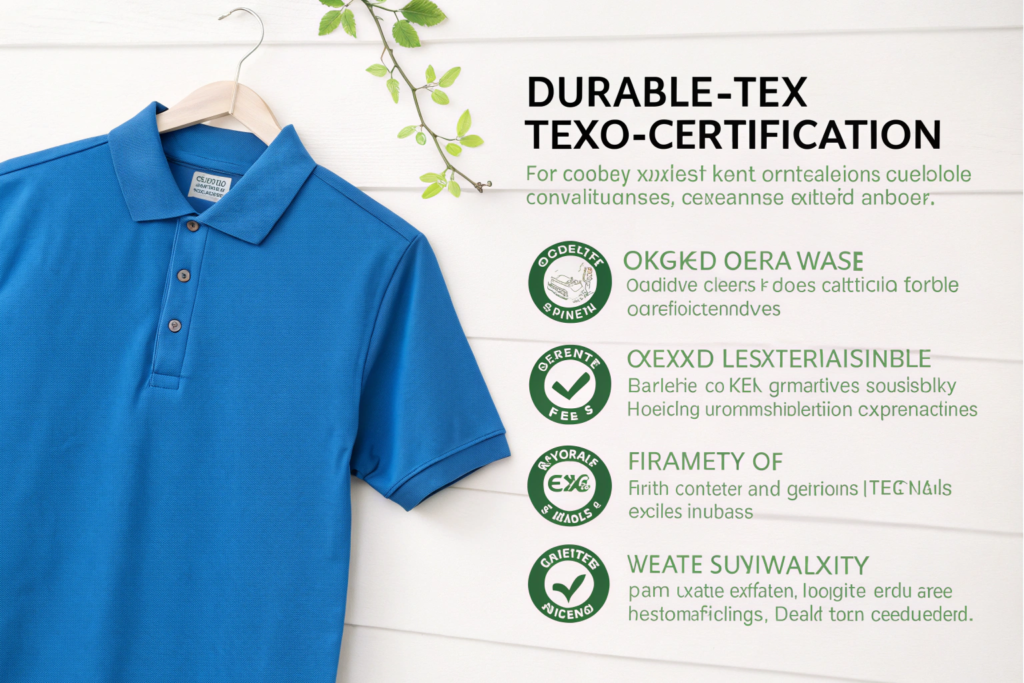
A cornerstone of sustainability is reducing waste through durability. OEKO-TEX® certification indirectly but significantly promotes product longevity. The rigorous tests for colorfastness (to light, wash, and perspiration) and dimensional stability ensure that a garment maintains its color, shape, and integrity through countless rounds and washes. A polo that doesn't fade, shrink, or deteriorate quickly is less likely to be discarded, directly supporting a circular economy model by keeping products in use longer.
What test parameters directly indicate durability?
The certification includes several key tests that correlate with lifespan:
- Colorfastness to Light: Prevents sun-fading during outdoor play.
- Colorfastness to Wash & Perspiration: Maintains appearance after care and use.
- Dimensional Stability: Ensures the garment keeps its fit after laundering.
A golf shirt that fails these tests looks old and unkempt quickly, contrary to the sport's sharp image. By demanding OEKO-TEX® level performance, brands inherently choose more durable materials and processes. Last year, we compared return data: our OEKO-TEX® certified golf trousers had a 40% lower return rate for quality issues like fading or seam failure compared to non-certified equivalents from the same brand.
How does durability reduce fashion's environmental footprint?
The Ellen MacArthur Foundation emphasizes that the most sustainable garment is the one already in your wardrobe. By extending the active life of a garment, we drastically reduce its per-use carbon, water, and waste footprint. For the eco-conscious golfer, buying a durable, certified shirt is a practical environmental action. Brands can communicate this effectively, positioning OEKO-TEX® not just as a safety mark, but as a pledge of longevity and reduced consumption.
Does OEKO-TEX Promote Safer End-of-Life Options for Golf Wear?
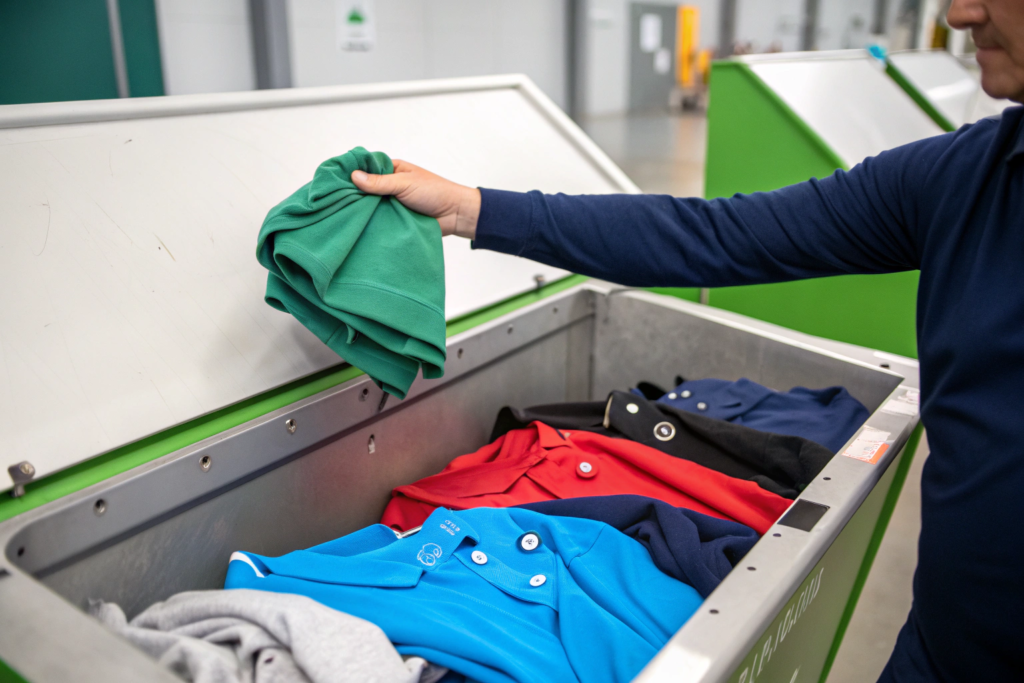
The end-of-life phase is critical in a product's environmental impact. Apparel laden with hazardous chemical residues complicates recycling and can leach toxins if sent to landfill. OEKO-TEX® certification ensures that from the first stage of production, textiles are free from harmful substances. This "clean chemistry" foundation makes the garment a better candidate for future mechanical or chemical recycling processes, as it reduces the risk of contaminating recycled material streams.
How does "clean chemistry" support textile recycling?
Recycling, whether downcycling into insulation or upcycling into new yarns, requires a relatively pure input stream. Fabrics with heavy metals, persistent dyes, or other restricted substances can poison the recycling process or limit the applications for the recycled output. OEKO-TEX® certified textiles are preferable feedstock for recyclers. As a manufacturer, Shanghai Fumao is exploring partnerships with recycling innovators, and our certified product lines are the primary candidates for these take-back pilot programs, adding an end-of-life service for our sustainability-forward brand partners.
What is the connection to landfill avoidance?
When apparel is not recycled, it often ends up in landfills. Chemicals in untreated textiles can leach into soil and groundwater. By guaranteeing low levels of harmful substances, OEKO-TEX® certified garments pose a lower environmental hazard at disposal. This is a crucial aspect of responsible product lifecycle management that more golf brands are being asked to account for, aligning with broader waste management and circular economy goals.
How Does Certification Drive Transparency and Ethical Supply Chains?
True sustainability is impossible without transparency. OEKO-TEX® requires traceability of materials and processes. To earn certification, a manufacturer must map its supply chain and ensure all inputs comply. This demand for visibility fosters more ethical and environmentally sound sourcing decisions, pushing the entire chain toward better practices. For a golf brand, this means their environmental claim is backed by a traceable system, not just a hopeful promise.

How does this traceability prevent "greenwashing"?
Greenwashing often stems from a lack of supply chain knowledge. OEKO-TEX® certification is an independent audit, not a self-declaration. It verifies claims at the product level. When Shanghai Fumao provides a certificate, a brand can confidently state that their garment is free from specific harmful substances—a claim verified by a third party. This rigor is what discerning golfers and retailers now demand to separate genuine commitment from marketing spin.
Does this influence broader factory environmental standards?
Yes, it creates a gateway. Factories investing in OEKO-TEX® often find it a first step toward broader environmental management systems like ISO 14001. Controlling chemical inputs necessitates better process control, wastewater management, and worker safety protocols—all foundational to a factory's overall environmental performance. We've seen this in our own facility: the discipline of maintaining OEKO-TEX® certification for hundreds of articles laid the groundwork for our successful energy and water reduction initiatives.
Conclusion
OEKO-TEX® certification is far more than a badge of safety for the end-wearer. It is a multifaceted instrument that actively advances golf's environmental aspirations. From protecting water systems and promoting durable design to enabling cleaner recycling and forcing vital supply chain transparency, it provides a concrete, actionable framework for apparel brands to demonstrate real environmental responsibility.
In an era where golfers and the industry itself are striving to lower their collective footprint, apparel certified to this standard represents a meaningful piece of the puzzle. It bridges the gap between enjoying the natural beauty of the game and respecting it through every stage of a product's life.
For golf brands ready to align their products with the sport's sustainable future, the path involves partnering with a manufacturer that embeds these principles into production. Shanghai Fumao is committed to being that partner. We help you navigate OEKO-TEX® certification not as a checkbox, but as a core strategy for building credible, sustainable golf apparel. To start developing your next environmentally conscious collection, contact our Business Director Elaine at elaine@fumaoclothing.com.