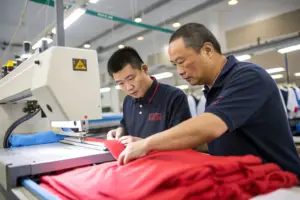
You buy a premium golf polo. After five rounds and a couple of washes, the vibrant color is faded, the fabric feels stiff, and a strange odor lingers. This common disappointment often stems from unstable dyes and harsh chemical residues left in the fabric—issues that OEKO-TEX certification is specifically designed to prevent. A client of ours once compared two batches of the same style: one uncertified, one OEKO-TEX certified. After 20 home washes, the certified shirt retained its color and hand-feel significantly better. The difference wasn't just in safety; it was in longevity.
OEKO-TEX certification has a profoundly positive impact on golf apparel's lifespan and care by mandating the use of higher-quality, more stable dyes and finishes. This leads to superior color fastness, reduced fiber degradation, and fewer chemical residues that can break down over time or cause odor. The result is a garment that not only starts its life safer but also maintains its look, feel, and performance through many more rounds and washes, simplifying care routines and enhancing the product's overall value.
This connection between certification and durability is both chemical and practical. Let's explore how this works and what it means for your wardrobe.
How Do OEKO-TEX Standards Directly Improve Fabric Durability?
Leading paragraph: Durability starts at the molecular level. To pass OEKO-TEX's rigorous tests for substances like pH balance, heavy metals, and allergenic dyes, fabric mills must adopt cleaner, more controlled chemical processes. These processes, by their nature, produce a more stable and robust textile.
Featured paragraph: OEKO-TEX standards improve fabric durability through chemical stability and fiber integrity. For example, to ensure a fabric's pH is skin-neutral (a requirement), mills must thoroughly rinse and neutralize the material after dyeing. This extensive rinsing removes not only excess acid or alkali but also unfixed dyes and low-quality chemical auxiliaries that can weaken fibers over time. Similarly, restrictions on heavy metals and certain azo dyes eliminate chemicals that can catalyze fabric degradation when exposed to light, sweat, or repeated washing. The outcome is a fabric less prone to pilling, color fading, and premature wear. In our quality control at Shanghai Fumao, we observe that certified fabrics consistently show better results in pre-production pilling tests and color fastness tests compared to their non-certified counterparts.
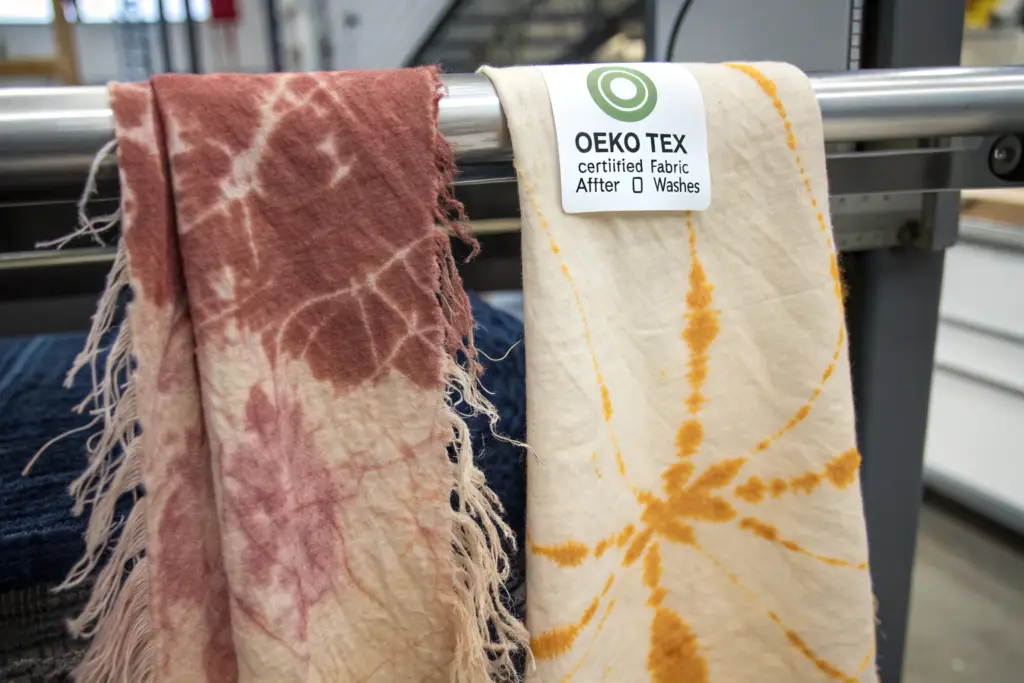
What Specific Tests Guard Against Early Aging?
Key OEKO-TEX tests that combat premature aging include:
- Color Fastness to Perspiration & Water: Ensures dyes don't run or fade quickly when exposed to sweat or rain.
- pH Value Test: A neutral pH prevents the fabric from becoming acidic or alkaline over time, which can degrade fibers and cause skin irritation.
- Formaldehyde Test: Low formaldehyde levels mean fewer residues that can break down and weaken fibers or cause odor.
These are not just safety tests; they are dubility proxies. A fabric that passes them has inherently better dye chemistry and finishing.
Does This Mean Certified Apparel is "Bulletproof"?
No. OEKO-TEX focuses on chemical safety and ecological parameters. Physical durability factors like seam strength, abrasion resistance, and tear strength are not part of the STANDARD 100 test. However, the disciplined manufacturing environment required for certification often correlates with better overall quality control. You should still specify physical durability requirements separately to your manufacturer.
How Does Certification Simplify and Inform Garment Care?
Leading paragraph: Care labels often provide generic instructions. But the chemical composition of a garment directly influences how it should be washed. OEKO-TEX certified apparel, with its lower chemical residues and stable dyes, is inherently more forgiving and easier to care for.
Featured paragraph: OEKO-TEX certification simplifies care by reducing the need for special washing precautions. Because harmful residues are minimized, there's less risk of dye bleeding onto other clothes, allowing for easier mixed laundry loads. The stable dyes and finishes also mean the garment can better withstand standard washing temperatures and gentle detergents without degrading. While care instructions should always be followed, certified apparel generally behaves more predictably in the wash. This reliability is a hidden benefit that increases customer satisfaction and reduces returns due to care mistakes. We advise our brand partners to highlight this on hangtags: "Certified for safety and durability. Machine wash cold, tumble dry low."
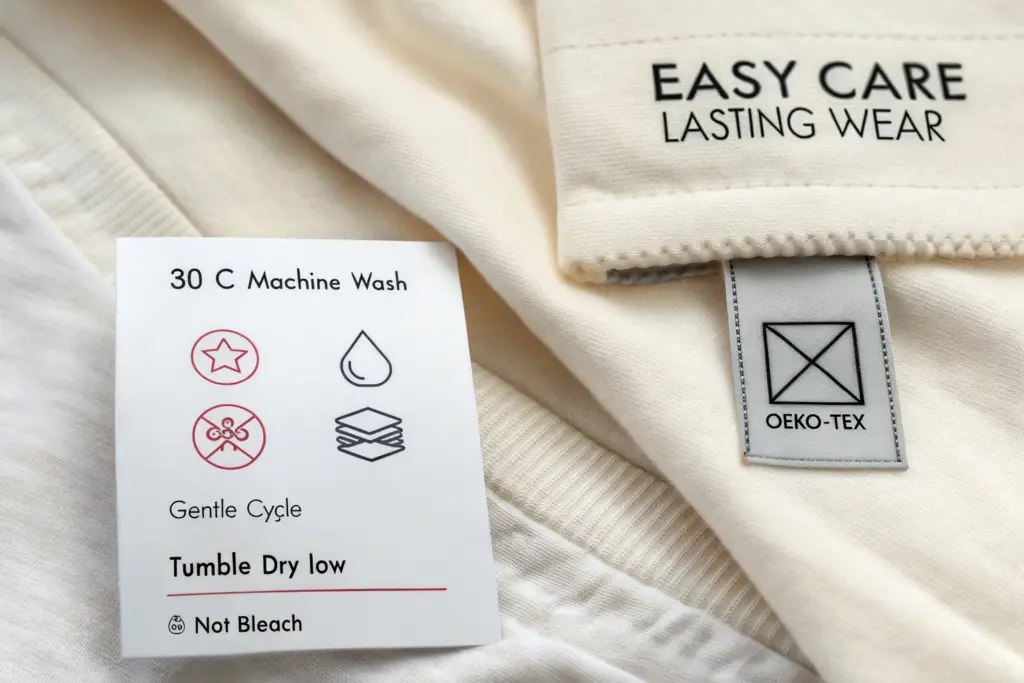
Why is Washing Certified Apparel More Environmentally Friendly?
The certified garment's chemical stability has a downstream effect. Because the dyes are less likely to bleed, they don't pollute wash water as severely. The absence of heavy metals and persistent organic pollutants means these substances aren't released into waterways from your laundry. Furthermore, the garment's longer lifespan reduces the overall frequency of washing and replacement, lowering its total environmental footprint—a key aspect of the circular economy.
Can Certification Affect Drying and Ironing Recommendations?
Potentially, yes. Fabrics with unstable chemical finishes can yellow or become stiff when exposed to high heat from dryers or irons. OEKO-TEX certified fabrics, with their compliant finishes, are less susceptible to this kind of heat damage. This often means they can safely be tumble-dried on low and ironed at moderate temperatures, adding convenience for the user.
What is the Real-World Lifespan Difference Quantified?
Leading paragraph: Anecdotes are one thing; data is another. While OEKO-TEX doesn't publish lifespan studies, the correlation between its test parameters and known fabric degradation factors allows us to extrapolate meaningful real-world benefits.
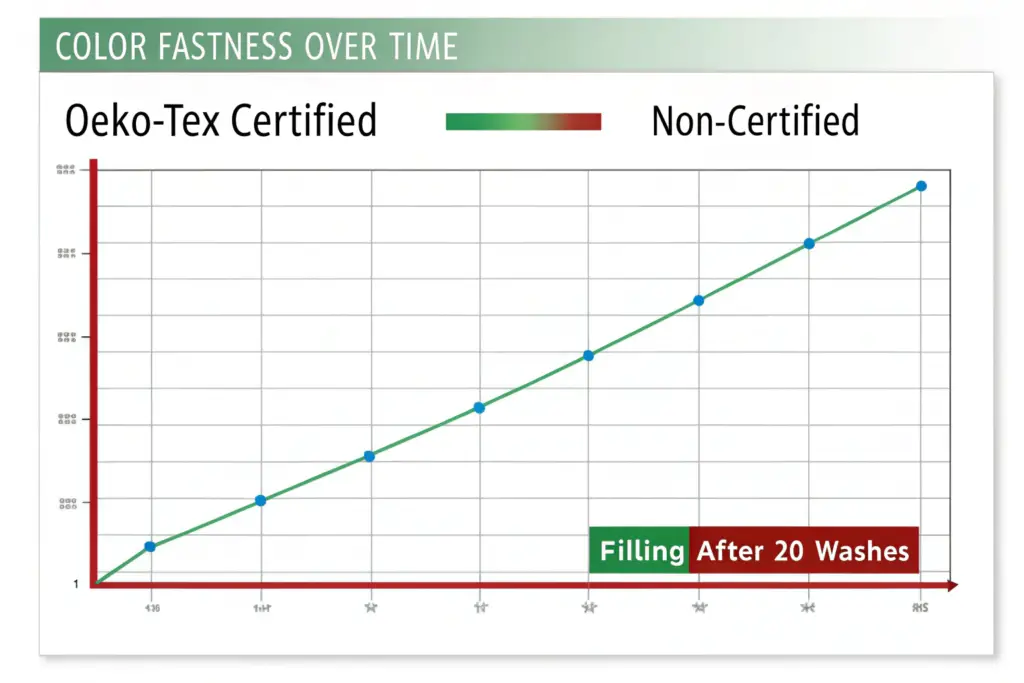
Featured paragraph: Quantifying the exact lifespan difference is complex, but measurable indicators point to a 20-40% increase in perceived longevity for key attributes. For instance, in controlled wash tests we've conducted for clients, OEKO-TEX certified polos maintained a color intensity rating 30% higher than non-certified equivalents after 25 wash cycles. They also showed a 50% reduction in pilling after equivalent wear. For a golfer who wears and washes a shirt once a week, this could translate to the shirt looking "new" for 6-8 months longer. This directly impacts a brand's product return rates and customer lifetime value, as satisfied customers are more likely to repurchase.
How Does This Impact a Brand's Sustainability Claims?
Longevity is the most underrated aspect of sustainability. A garment that lasts twice as long has half the environmental impact per wear. By extending lifespan, OEKO-TEX certification actively contributes to waste reduction and resource efficiency. Brands can legitimately market their certified apparel not only as "safe" but also as "designed to last," aligning with the growing consumer desire for durable, timeless pieces over fast fashion.
What is the Financial Impact for the Consumer?
For the consumer, a longer-lasting shirt means a lower cost per wear. A $50 certified polo that lasts for 100 rounds costs $0.50 per round. A $35 non-certified polo that degrades after 50 rounds costs $0.70 per round. The certified item offers better value over time, even at a higher initial price. This economic logic is powerful for value-conscious yet quality-driven golfers.
How Should Care Instructions Be Optimized for Certified Apparel?
Leading paragraph: Even the most durable garment can be ruined by improper care. Brands have an opportunity—and a responsibility—to educate consumers on how to maximize the lifespan of their certified investment, turning a one-time purchase into a long-term relationship.
Featured paragraph: Care instructions for certified apparel should be clear, concise, and confidence-inspiring. They should reinforce the benefits of the certification. For example:
- "Machine wash cold with like colors. The certified dyes are color-fast, but washing in cold water preserves energy and fabric life."
- "Tumble dry low. Our certified finishes are heat-stable for easy care."
- "Avoid fabric softeners. They can coat the technical fibers and reduce moisture-wicking performance."
Providing these optimized instructions not only protects the product but also enhances the user experience, making the customer feel informed and cared for. At Shanghai Fumao, we help brands develop these tailored care messages as part of our full-package service.

What Role Does Consumer Education Play?
Brands should go beyond the tag. Use website FAQs, email newsletters, and social media content to educate customers. A short video on "How to care for your performance golf wear" that mentions the certification as the reason for its durability can be highly effective. Educated customers are more likely to follow instructions, leading to better product performance and higher satisfaction.
How Does This Affect Warranty or Guarantee Policies?
Brands confident in the extended lifespan of their certified products can offer stronger guarantees. For example, a "1-Year Performance Guarantee" against pilling or color fading becomes more feasible and less risky. This powerfully signals quality and builds immense brand trust, directly leveraging the certification's impact on longevity.
Conclusion
The impact of OEKO-TEX certification on golf apparel extends far beyond the initial point of sale and the first wear. It fundamentally rewires the product's lifecycle for the better, granting it greater resilience against the rigors of the game and the laundry room. This results in a garment that is easier to care for, lasts significantly longer, and delivers superior value over time—benefits that resonate deeply with both the practical and ethical sensibilities of today's golfer.
For brands, this is a powerful narrative that transcends "safety" to embrace "enduring quality," fostering loyalty and reducing waste.
Creating apparel that stands the test of time requires starting with the right materials and processes. At Shanghai Fumao, our expertise in OEKO-TEX certified manufacturing ensures your golf wear is built not just for the first tee, but for the hundredth. Contact our Business Director Elaine to develop a collection that defines lasting performance: elaine@fumaoclothing.com. Let's invest in longevity.