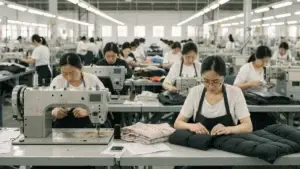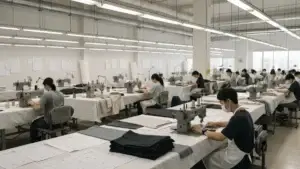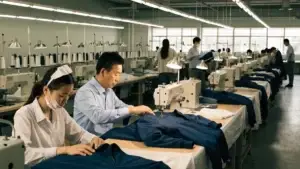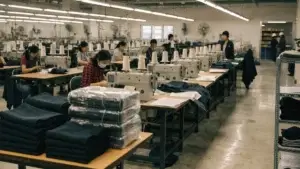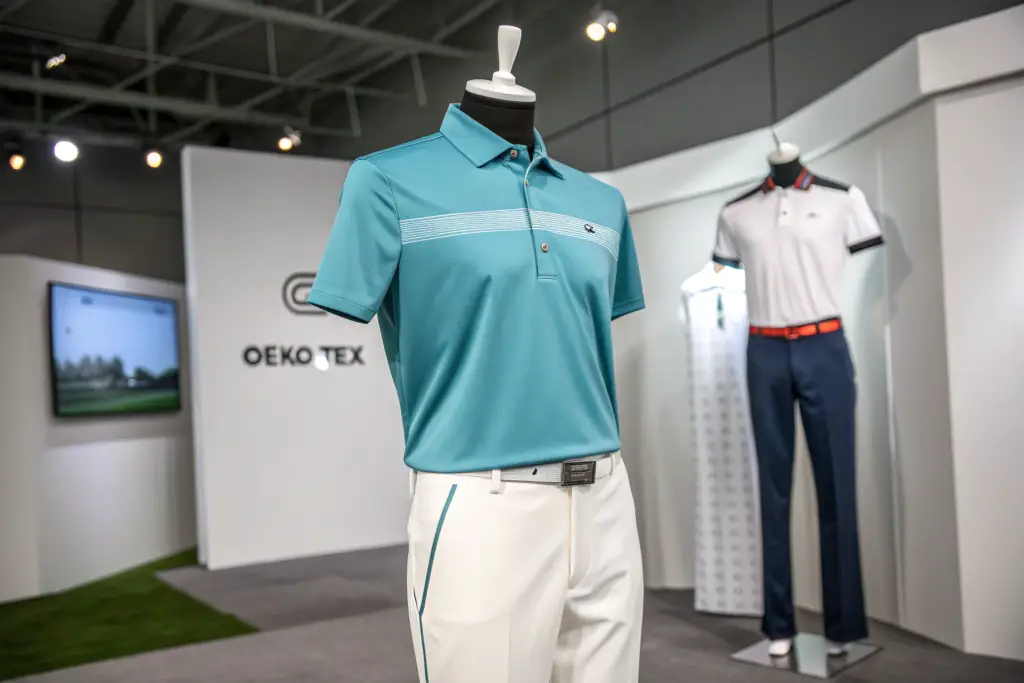
You're sourcing golf polos for your value-driven brand. The price pressure is real, but your customers still expect good quality—no pilling, no fading, and definitely no skin irritation. A supplier offers an OEKO-TEX certified shirt at a surprisingly low cost. Your first thought: "This must be a compromise. It can't be both safe and well-made at this price." I had a client from Texas express this exact doubt last season. We challenged that assumption by producing their order. The result? A best-selling shirt with a 60% lower return rate than their previous, non-certified budget line. The lesson was clear: the old trade-off is dead.
Yes, you can achieve premium perceived and functional quality with OEKO-TEX certified budget golf wear, but it requires a strategic, not a commodity, sourcing approach. The certification itself mandates better base materials and processes, which inherently elevates quality above unverified alternatives. The key is working with a manufacturer that leverages efficiencies in scale, design, and supply chain to deliver this enhanced value at a competitive price point, rather than cutting corners. It's about smart engineering of value, not cheapening the product.
The notion that "budget" means "low quality" is a sourcing failure, not an economic law. Let's deconstruct how to break this stereotype with certified apparel.
How Does OEKO-TEX Certification Inherently Elevate Basic Quality?
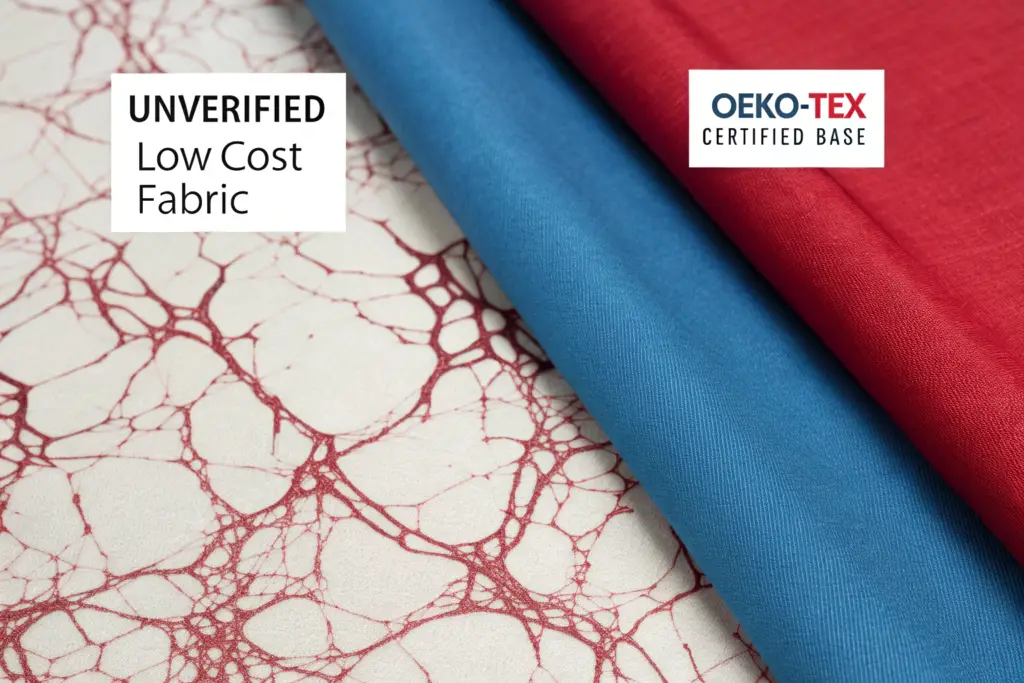
Leading paragraph: Many buyers think of quality in terms of stitch density and fabric weight. But foundational quality starts at the chemical level. A fabric that fails OEKO-TEX tests often has other hidden flaws—poor dye bonding, unstable finishes, or inconsistent fiber processing. The certification process acts as a first, rigorous filter against these fundamental failures.
Featured paragraph: OEKO-TEX certification elevates basic quality by enforcing standards that directly impact durability and performance. To pass the tests for substances like formaldehyde (restricted for skin safety) or certain heavy metals, mills must use higher-quality, more stable dyeing and finishing chemicals. This often results in better color fastness and dimensional stability—two core indicators of a garment's longevity. For budget golf wear, this means the shirt is less likely to fade dramatically after a few washes or shrink out of fit, which are the most common consumer complaints in the value segment. At Shanghai Fumao, we start with these certified base fabrics because they provide a predictable, high-floor quality that we can then build upon efficiently.
What Specific Quality Failures Does Certification Help Prevent?
The certification tests guard against failures that destroy customer trust:
- Color Bleeding/Running: Tests for color fastness to water and perspiration ensure dyes stay put.
- Fabric Degradation: Restrictions on pH levels and heavy metals protect fiber integrity over time.
- Odor and Irritation: Banned substances include those known to cause allergic reactions or unpleasant smells.
- Finish Wash-Out: The durability of functional finishes (like wicking) is indirectly improved because the chemicals used must be compliant and stable.
A practical example: A budget-oriented brand we worked with was plagued by returns for "pilling" on their polyester blends. By switching to an OEKO-TEX certified polyester-cotton yarn, which required better spinning and finishing techniques to pass testing, the pilling issue was reduced by over 70%, while the fabric cost increased only marginally.
Does "Certified" Automatically Mean "Durable"?
Not automatically, but it sets a strong foundation. OEKO-TEX focuses on chemical safety and ecological parameters. Physical durability factors like seam strength, pilling resistance, and tear strength are not part of the STANDARD 100 test. This is where your manufacturer's quality control expertise becomes critical. You must specify these physical performance requirements separately. The advantage is that a factory working with certified materials is typically more process-oriented and can more reliably meet these additional specs. The certification becomes a marker of a competent supply chain partner.
Where Can You Strategically Save Costs Without Sacrificing Certified Quality?
Leading paragraph: Achieving a budget price requires cost savings, but those savings must be intelligent and non-destructive. The goal is to remove cost, not value. This means making strategic decisions in design, logistics, and order management that streamline production without degrading the certified material's inherent benefits.
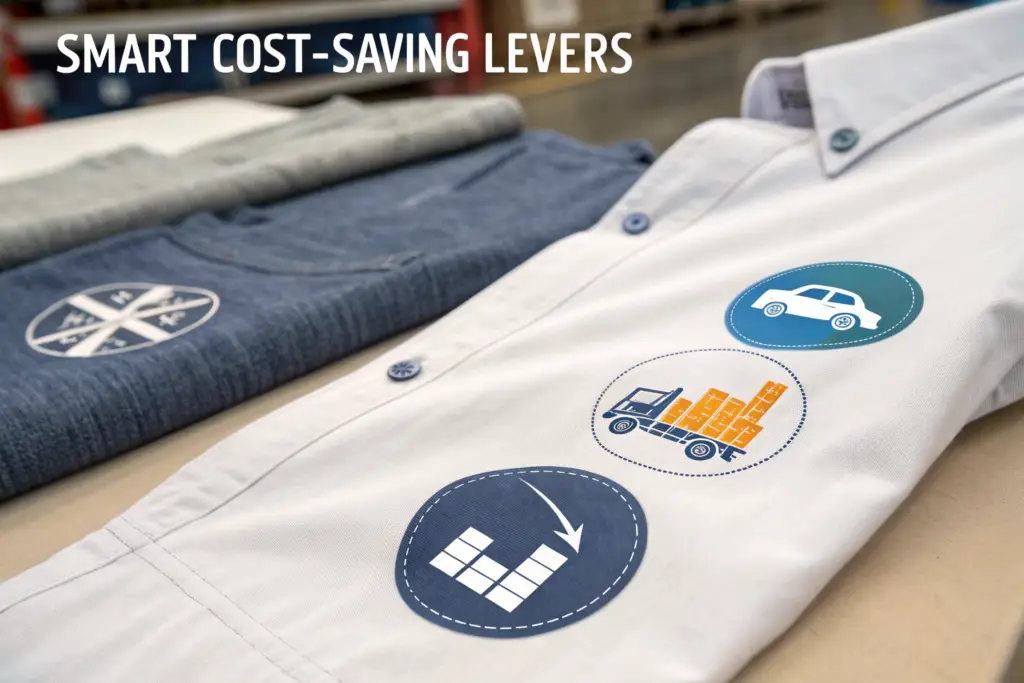
Featured paragraph: You can save costs strategically by simplifying designs, consolidating fabric choices, increasing order volume, and optimizing the supply chain. For instance, choosing a single, high-volume OEKO-TEX certified fabric for multiple styles allows the factory to purchase in bulk, passing on savings. Opting for a printed customizable logo instead of embroidery on certain items reduces processing time. Working with a full-package manufacturer on a DDP (Delivered Duty Paid) basis eliminates hidden logistics fees. These are efficiency-driven savings that protect the core certified quality. Our wholesale model at Shanghai Fumao is built on these principles, allowing us to offer clients competitive pricing for certified goods that still feel premium.
How Does Fabric and Design Simplification Work?
"Premium" often doesn't mean "complex." For budget golf wear, focus on:
- Fabric: Select one or two high-performing, OEKO-TEX certified workhorse fabrics (e.g., a 150gsm pique polyester, a 180gsm jersey) and use them across your entire line.
- Design: Minimize panel counts, complex seams, and unnecessary trim. A clean, well-proportioned polo made from great fabric feels more premium than a poorly executed "feature-rich" shirt.
- Color Palette: Limit seasonal color choices. This allows the factory to dye large batches, reducing dye lot changes and cost.
This approach reduces errors, speeds up production, and ensures consistency. A client using this method saw a 15% reduction in their total production cost while improving overall garment consistency, because the factory could master production on a simplified product.
Why is Order Volume Your Most Powerful Lever?
Volume is the engine of cost efficiency in manufacturing. A larger order allows the factory to:
- Purchase materials at the best possible price.
- Dedicate a production line, minimizing changeover downtime.
- Absorb fixed costs (like certification testing, pattern making) across more units.
For a brand, this might mean consolidating orders for spring and summer into one production run, or collaborating with other brands in a buying consortium to pool volume for certified fabric purchases. The per-unit cost of the OEKO-TEX certification itself becomes negligible at scale.
What Are the Common Pitfalls in Sourcing "Budget" Certified Wear?
Leading paragraph: The path to affordable certified wear is lined with traps. Suppliers offering prices that seem too good to be true are often achieving them by methods that undermine the very value of certification. Knowing these pitfalls allows you to ask the right questions and protect your brand.
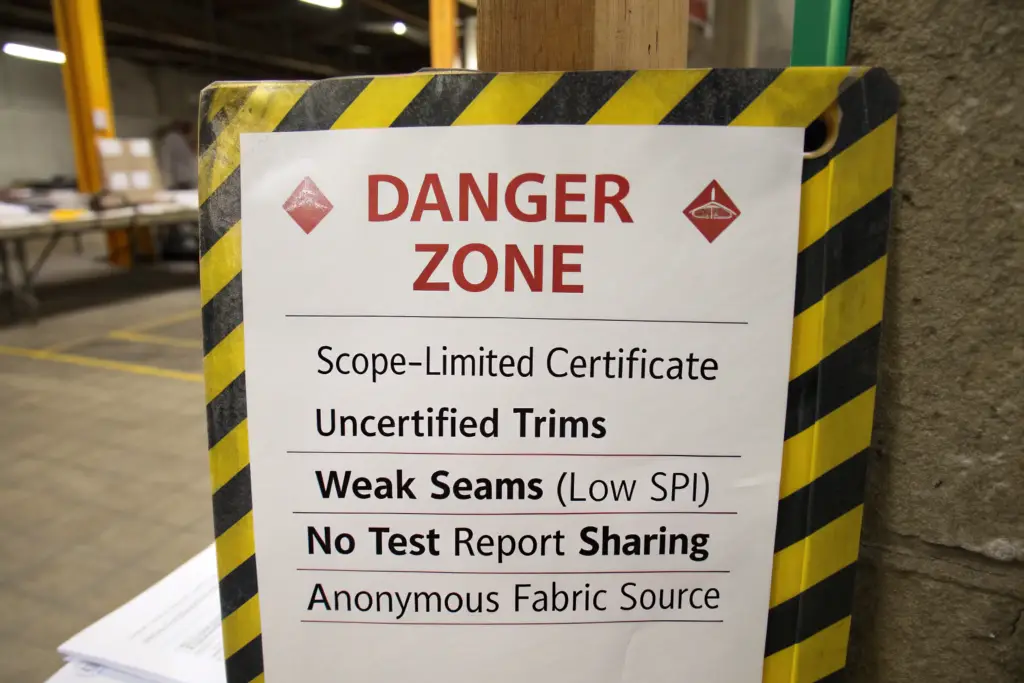
Featured paragraph: Common pitfalls include suppliers using "scope-limited" certificates (e.g., a certificate for the yarn but not the final garment), sourcing from non-certified sub-suppliers for trims and accessories, and compromising on physical construction quality (thread, stitch density) to offset fabric cost. Another major pitfall is lack of transparency; a supplier may have a valid certificate but not be willing to share the full test report or traceability documents for your specific order. This opacity is a red flag.
How Can You Verify the Certificate Truly Covers Your Product?
You must perform due diligence. Ask the supplier for the OEKO-TEX certificate and the detailed test report. Check:
- Applicant Name: Is it the final garment factory, or just a fabric mill?
- Article Description: Does it accurately describe your product (e.g., "Knitted Golf Shirt")?
- Product Class: For golf polos, it must be Class II (articles worn close to the skin).
- Testing Standards: Ensure tests for color fastness to perspiration and rubbing are included.
If the supplier hesitates or provides a certificate for "Polyester Knitted Fabric" only, your garment's final assembly and trims are not covered. We provide our clients at Shanghai Fumao with the full, final garment certificate for their records, because complete coverage is non-negotiable.
How Do You Avoid the "Quality Hollowing" Trap?
"Quality hollowing" happens when a supplier uses a certified fabric but then uses the cheapest possible thread, substandard sewing, and poor packaging to hit a price target. To avoid this:
- Specify All Components: In your tech pack, specify thread type (e.g., core-spun polyester), stitch density (e.g., 12-14 stitches per inch on seams), and label quality.
- Request Pre-Production Samples: Physically test these samples. Wash them 5-10 times. Check seam strength and color.
- Audit the Factory: Ask about their quality management system. Do they have in-line inspectors?
A brand learned this the hard way when their certified shirts began bursting seams at the armhole. The issue wasn't the fabric; it was the low-quality thread and insufficient stitch density. Fixing it required changing manufacturers.
How to Communicate This Value to Price-Sensitive Customers?
Leading paragraph: You've sourced a great certified product at a good price. Now, your customer sees a $29.99 polo, not a $79.99 one. How do you communicate that it still holds "premium" qualities? The communication must bridge the gap between price perception and product reality.
Featured paragraph: Communicate value by focusing on benefits, not just features. Don't lead with "OEKO-TEX certified." Lead with: "Skin-Safe Comfort Guaranteed. Our polos are independently certified free from harmful substances, so you can focus on your game, not on itch or irritation." Pair this with clear messaging on durability: "Engineered to Last. Built from tested fabrics that resist fading and pilling, round after round, wash after wash." This frames the certification as a direct benefit to the golfer's experience, justifying both the purchase and the brand's reputation for smart value.

What Marketing Assets Most Effectively Convey This Message?
Use visual and verbal assets that build trust:
- Lifestyle Imagery: Show the shirt in use on the course, emphasizing comfort and performance.
- Close-Up Details: High-resolution photos of neat stitching, the fabric texture, and the OEKO-TEX label on the garment.
- Verbal Proof Points: Use phrases like "independently tested," "verified safety," and "proven durability."
- Educate Lightly: A simple FAQ or tooltip explaining what OEKO-TEX means for the wearer.
A successful brand in the mid-tier market uses a short video on product pages showing a side-by-side wash test against a competitor's shirt, demonstrating superior color retention. They mention their certification as the reason why.
Can This Approach Build a Loyal Customer Base?
Absolutely. When customers buy a budget item that reliably performs better than expected, they feel smart and rewarded. This builds brand loyalty and drives repeat purchases. They become advocates, spreading word-of-mouth recommendations based on real value received, not just low price. This is how value brands transform into trusted brands. The OEKO-TEX certification becomes a key pillar of that trust, assuring consistency where cheaper competitors fail.
Conclusion
Achieving premium quality with OEKO-TEX certified budget golf wear is not only possible but is a powerful strategy for brands that want to compete on value, not just cost. It requires a shift from commodity sourcing to strategic partnership—working with manufacturers who understand how to engineer efficiency into the process while safeguarding the material and construction integrity that certification implies.
The result is a product that defies old categories: it offers the verified safety and foundational quality of premium apparel, at a price that delivers exceptional value. This is the sweet spot for growth in today's market.
If your goal is to build a respected, best-selling golf line that doesn't break the bank but still breaks expectations, the right manufacturing partner is essential. At Shanghai Fumao, we specialize in producing high-value, OEKO-TEX certified apparel through our efficient wholesale and full-package model. Let us help you engineer quality into your budget. Contact our Business Director Elaine to explore your next collection: elaine@fumaoclothing.com. Redefine what "budget" means for your brand.