You need to find a new supplier for your upcoming line of premium golf polos. The requirement is clear: OEKO-TEX certification is non-negotiable. The old way meant weeks of scrolling through Alibaba, sending endless emails, and hoping suppliers were telling the truth about their certificates. Last quarter, a colleague spent $15,000 on samples from a "certified" supplier, only to find the OEKO-TEX number was fake. The project was delayed by two months. Today, there's a smarter way. Artificial Intelligence is changing the game for sourcing professionals.
AI tools can help identify OEKO-TEX certified golf apparel suppliers by automating the search, verification, and qualification process. They can scan thousands of supplier profiles, websites, and databases in minutes to filter for genuine certification claims, cross-reference certificate numbers in real-time, and analyze supplier reliability based on historical data. This drastically reduces the manual labor, fraud risk, and inefficiency traditionally associated with finding trusted manufacturing partners. For a busy buyer, AI acts as a force multiplier, turning a task that used to take weeks into one that takes hours.
This isn't about replacing human judgment; it's about empowering it with better data. Let's explore the specific ways AI is transforming this critical sourcing function.
Which AI Sourcing Platforms Are Best for Finding Certified Suppliers?
Leading paragraph: Not all AI platforms are created equal. Some are general-purpose business directories with AI features tacked on, while others are built from the ground up for intelligent sourcing. Your goal isn't just to find a list of names; it's to find a shortlist of qualified suppliers with verifiable credentials. The right platform makes this distinction clear from the start.
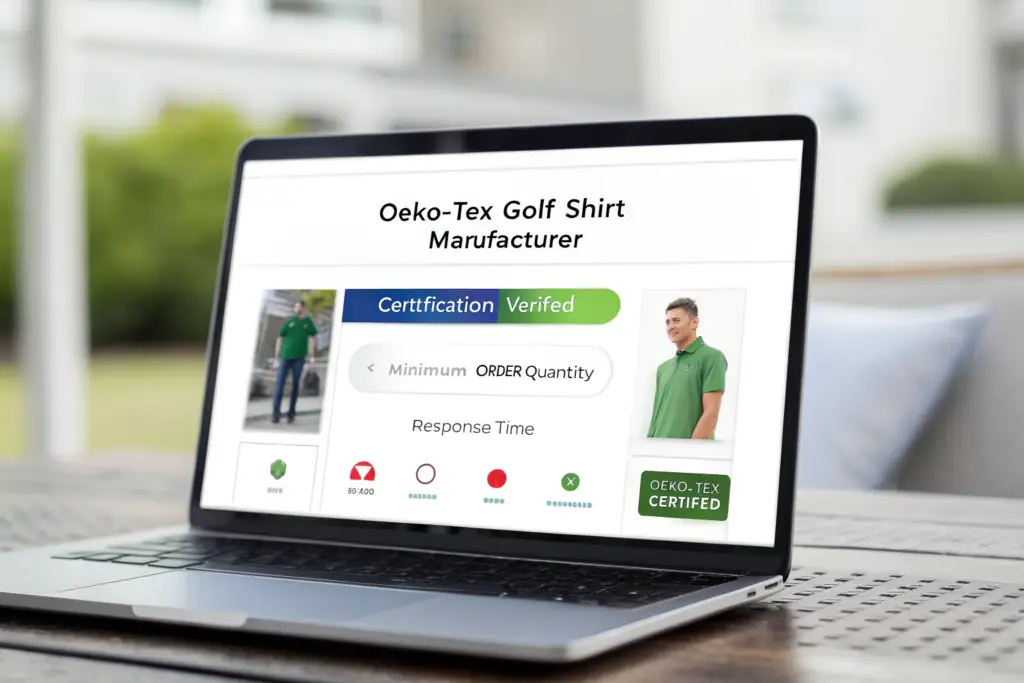
Featured paragraph: For finding OEKO-TEX certified apparel suppliers, specialized B2B sourcing platforms with integrated AI are most effective. These include Alibaba.com's AI-powered search and supplier verification tools, Thomasnet.com for industrial sourcing, and newer platforms like Sourcify or Maker's Row which use AI to match buyers with pre-vetted manufacturers. These tools allow you to input specific criteria like "OEKO-TEX Standard 100 certified golf apparel manufacturer" and receive filtered results. Crucially, they often link to or verify third-party audit reports. At Shanghai Fumao, we've optimized our online profiles across these platforms with clear certification documentation, making it easier for AI-driven searches to correctly identify us as a qualified partner.
How Do AI Filters Specifically Target Certification Claims?
Advanced AI platforms use Natural Language Processing (NLP) to scan supplier-provided text—in profiles, product descriptions, and uploaded documents—for keywords and phrases related to certifications. For example, an AI can be trained to recognize not just "OEKO-TEX" but also related terms like "STANDARD 100", "certificate number", "eco-textile", and "harmful substance test". It can then flag suppliers who prominently feature these terms. More sophisticated systems go a step further by attempting to validate uploaded certificate images or PDFs against known formats. This automation turns the first, most tedious phase of sourcing—the broad search—into a precise targeting operation.
What Are the Limitations of These General AI Platforms?
The primary limitation is garbage in, garbage out. AI can only analyze the data suppliers provide. A supplier with a fake or expired certificate can still be included in initial results if their profile contains the right keywords. AI is excellent at creating a shortlist, but it cannot replace the final, crucial step of manual, official verification using the OEKO-TEX certificate checker. Furthermore, these platforms may not have deep data on a factory's specific capabilities for customizable logo work on technical fabrics like those used for golf wear. This is why the AI-generated shortlist is a starting point for deeper, human-led due diligence.
How Can AI Verify the Authenticity of an OEKO-TEX Certificate?
Leading paragraph: You have a PDF certificate from a potential supplier. Is it real? Is it current? Is it for the right product class? Manually checking each one is time-consuming. AI can now assist in this verification process, acting as a first line of defense against fraud—a common pain point for buyers.
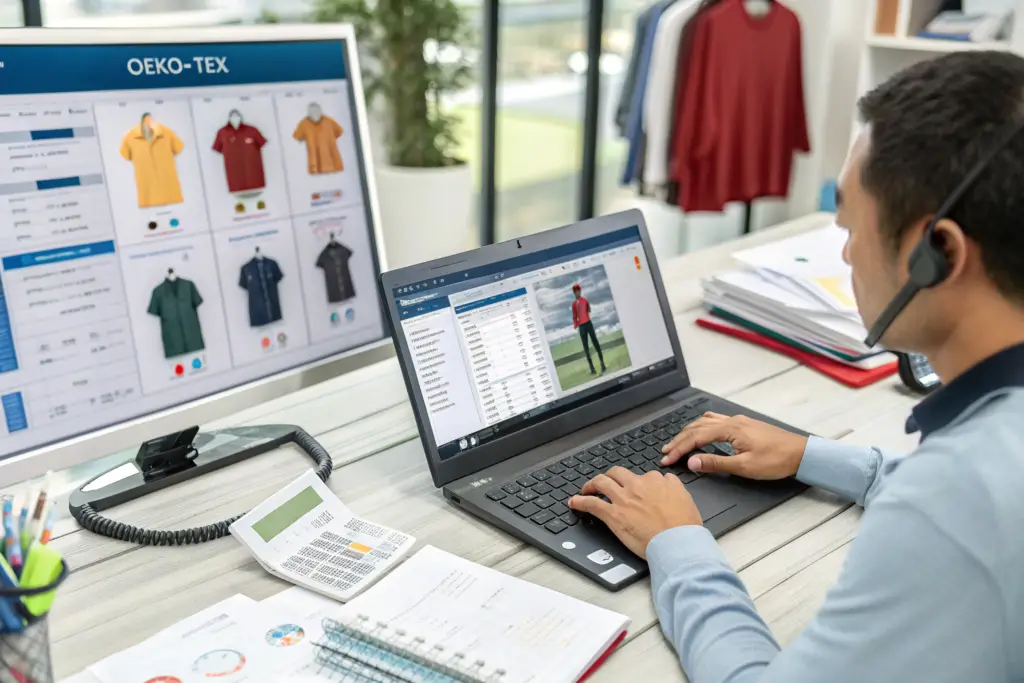
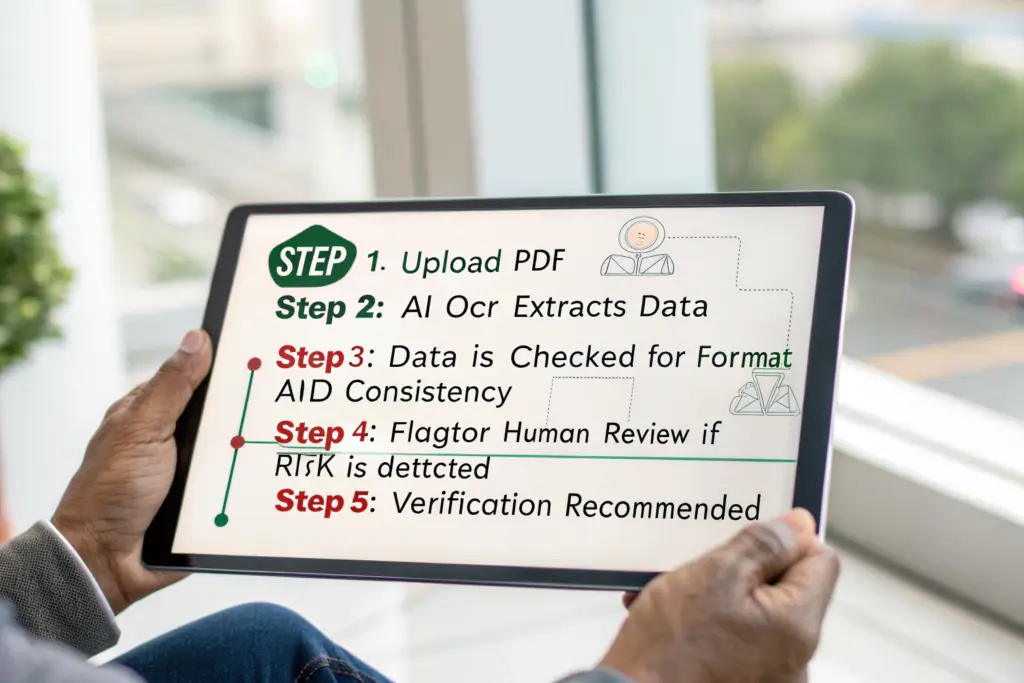
Featured paragraph: AI can verify the authenticity of an OEKO-TEX certificate by using Optical Character Recognition (OCR) to extract key data (certificate number, company name, validity date) from the document image/PDF and then automatically querying or cross-referencing this data against patterns of known valid certificates. Some emerging supply chain software tools are beginning to integrate directly with official certification databases via APIs. While they may not have live access to the OEKO-TEX database, they can check for inconsistencies—like mismatched company names, illogical validity periods, or duplicate certificate numbers used across different suppliers—and flag them for your review.
What Specific Data Points Does AI Scrutinize?
An effective AI verification tool looks for multiple points of alignment:
| Data Point | What AI Checks For | Common Red Flag |
|---|---|---|
| Certificate Number Format | Conforms to OEKO-TEX's standard numbering pattern. | Random alphanumeric strings. |
| Company Name Match | The name on the certificate matches the registered supplier name on the platform. | Slight variations, different legal entities. |
| Validity Dates | The issue and expiry dates are logical (not in the future, not expired). | Expired dates, illogical time spans. |
| Product Class & Scope | The described product aligns with what you are sourcing (e.g., "Knitted Garments"). | Certificate for "Yarn" when you need "Garments". |
We once used a simple script to batch-check certificate numbers from several potential fabric mills. It instantly flagged two with duplicate numbers—a clear sign of forgery. This saved our client from what would have been a costly quality control failure down the line.
Can AI Track Certification Expiry and Renewal Status?
Yes, this is one of its most powerful applications. Advanced AI-driven Supplier Relationship Management (SRM) software can store certification documents and their expiry dates. The system can then automatically alert you (and the supplier) weeks or months in advance of a certification's expiration. This proactive management prevents the nightmare of discovering mid-production that a supplier's certification has lapsed, which could halt your entire on-time delivery schedule. For long-term partners like Shanghai Fumao, this fosters transparent and trustworthy collaboration, as both parties are reminded to keep documentation current.
How Does AI Analyze Supplier Reliability Beyond Certification?
Leading paragraph: A valid certificate is the baseline. But can the supplier deliver 5,000 embroidered golf shirts on time, to quality? Certification doesn't answer that. AI can delve deeper into a supplier's digital footprint to assess their overall reliability, addressing your core pain points of delayed shipments and communication issues.
Featured paragraph: AI analyzes supplier reliability by aggregating and interpreting vast amounts of alternative data. This includes analyzing response times and communication patterns on messaging platforms, parsing customer reviews and ratings for sentiment, assessing on-time delivery history from shipping data, and even evaluating the sophistication and transparency of a supplier's own website and online presence. This creates a composite "reliability score" that goes far beyond a static certificate. For instance, an AI might identify that a certified supplier has a pattern of negative reviews specifically about logistics delays during the Q3 peak season—a critical insight for planning your golf line launch.

What Key Performance Indicators (KPIs) Can AI Monitor?
AI tools can track KPIs that are directly tied to your pain points:
- Communication Efficiency: Average response time, clarity of language (translating technical requirements).
- Production Stability: Consistency in quoted vs. actual lead times, historical order volume fluctuations.
- Quality Sentiment: Analysis of keywords in client reviews ("pilling," "stitching," "color match").
- Financial & Operational Health: News alerts about the company, changes in business registration.
A brand we worked with used an AI tool that flagged a potential fabric mill because their annual report filings showed a sudden decrease in operating capital. While they were OEKO-TEX certified, the AI recommended further financial due diligence. The brand heeded the warning and chose an alternative, more stable mill, avoiding potential disruption.
How Can AI Assist with Post-Identification Due Diligence?
After identification, AI can streamline the audit process. Tools now exist that can conduct a preliminary virtual factory audit using satellite imagery and computer vision to assess factory size and infrastructure. Others can analyze a supplier's list of sub-tier vendors (e.g., fabric mills, trim suppliers) to assess supply chain depth and potential bottlenecks. This level of analysis was previously only available to the largest corporations but is now becoming accessible, helping buyers of all sizes make more informed decisions. This aligns perfectly with a reliable sourcing strategy that values data over intuition.
What Are the Practical Steps to Use AI for This Search Today?
Leading paragraph: The theory is compelling, but how do you actually start? You don't need a team of data scientists. Several user-friendly, powerful tools are available right now. The process involves a combination of leveraging existing platform AI and adopting new, specialized software.
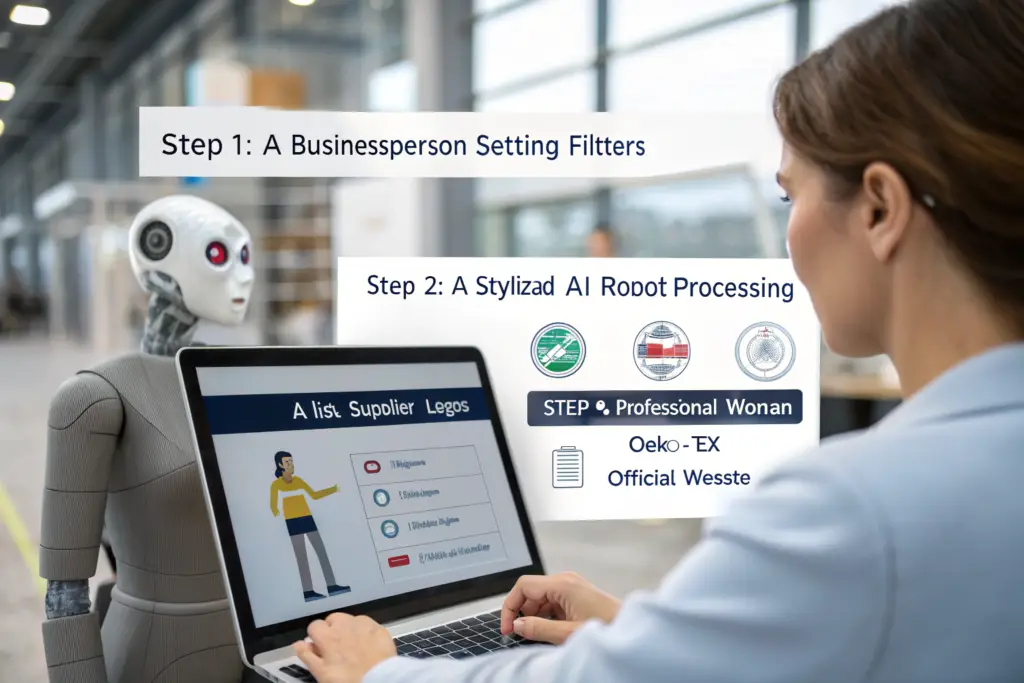
Featured paragraph: Practical steps include: 1) Utilizing the advanced search and filter functions on B2B platforms like Alibaba, which are powered by AI. 2) Employing AI-powered business intelligence tools like Crystal Knows (for communication style analysis) or ZoomInfo (for company data). 3) Implementing a lightweight SRM software that offers AI analytics on supplier performance. 4) For larger budgets, engaging with a dedicated sourcing agent or platform that uses proprietary AI to curate supplier lists. The key is to start with one tool, integrate it into your existing workflow, and measure the time and risk it saves you.
How to Structure Your Initial AI-Powered Search Query?
Be specific and use keywords a machine can easily parse. A poor query is: "golf shirt supplier china". An AI-optimized query is: "OEKO-TEX STANDARD 100 certified manufacturer golf polo shirts knitted polyester full package production China MOQ 500". This string contains multiple high-value filters (certification, product type, material, service model, location, order volume) that allow the platform's AI to return a much more relevant shortlist. It mimics how you would brief a human sourcing agent, but in a language machines understand.
What is the "Human-in-the-Loop" Imperative?
AI is a tool, not a replacement. The "human-in-the-loop" model is imperative for final decision-making. This means:
- AI does the heavy lifting of searching, filtering, and initial risk scoring.
- The human expert (you) takes the shortlist and applies experiential judgment, conducts direct communication, requests and verifies samples, and makes the final partnership choice.
For example, AI might not catch that a supplier, while certified, has no experience with the specific DDP (Delivered Duty Paid) shipping terms you require for the U.S. market. That nuance requires a conversation. This hybrid approach maximizes efficiency while minimizing risk, and it's the model we recommend to all our partners exploring new supply chains.
Conclusion
AI tools are revolutionizing the search for OEKO-TEX certified golf apparel suppliers by bringing unprecedented speed, scale, and analytical depth to a traditionally opaque and manual process. They transform certification from a claim to be verified into a data point to be analyzed within a broader context of supplier reliability. This directly addresses the core pain points of modern buyers: inefficiency, fraud risk, and communication gaps.
However, the ultimate power lies in synergy—using AI to narrow the field with intelligence, and then applying human expertise to build the relationship. The future of sourcing is not AI or humans; it's AI informed humans.
If you're looking to streamline your search for a certified, reliable partner, consider starting with a supplier that embraces both technological transparency and traditional craftsmanship. At Shanghai Fumao, we not only maintain rigorous OEKO-TEX certification for our golf apparel production but also structure our communications and data to be AI-friendly, making us easy to find and easy to trust. Let's connect the dots between smart technology and solid partnership. Contact our Business Director Elaine to discuss your certified apparel needs: elaine@fumaoclothing.com. We're ready for the future of sourcing.