You just received a bulk order of custom golf polos. The logos are sharp, the fit is perfect. But after the first corporate tournament wash, the vibrant colors are faded, and the embroidery is bleeding. This isn’t just disappointing—it’s a brand disaster. A client from Florida once shared this exact nightmare with me. Their supplier blamed "active wear," but the truth was simpler: poor dye chemistry that certification would have caught. So, does the very standard meant to ensure safety also protect your apparel’s appearance? Let’s cut through the uncertainty.
Yes, reputable certifications like OEKO-TEX and GRS directly and positively affect the color fastness of golf shirts and pants. They do this by mandating the use of higher-quality, chemically compliant dyes and auxiliaries, and by requiring the final product to pass rigorous laboratory tests for color durability. This turns color fastness from a hopeful promise into a verified, scientific outcome. For you, the buyer, it means the apparel you source will look new longer, protecting your client’s investment and brand image.
The connection between certification and color performance is not accidental; it’s foundational. Understanding this link is key to sourcing apparel that survives both the 18th hole and the laundry cycle. Let’s explore how this works in practice.
How Do Safety Standards Like OEKO-TEX Test for Color Fastness?
Leading paragraph: Many buyers think OEKO-TEX only checks for toxins. That’s half the story. To earn the label, a fabric must pass a battery of performance tests, including specific color fastness assessments. This is because unsafe dye chemistry often correlates with poor color durability. A dye that bleeds easily might also contain restricted heavy metals or allergenic substances. The standard attacks both problems at their root.
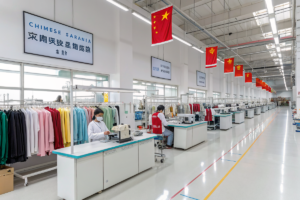
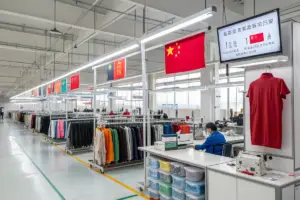
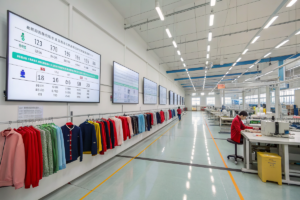
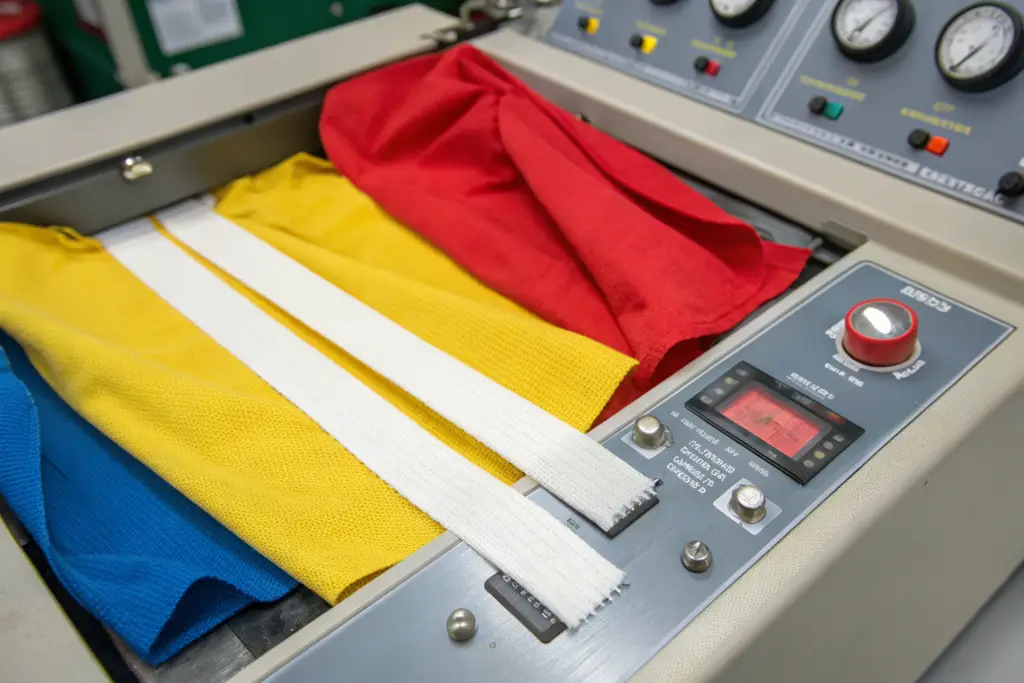
Featured paragraph: Safety standards like OEKO-TEX test for color fastness through standardized ISO methods that simulate real-world conditions. Key tests include color fastness to perspiration (acidic and alkaline), to water, and to rubbing (both wet and dry). A certified golf shirt must achieve a minimum rating (usually 3-4 on a 1-5 scale) in these tests. This scientific validation is your guarantee that the colors won’t run during a sweaty game or in the wash. At Shanghai Fumao, we run these tests in-house during development to pre-qualify fabrics, ensuring our clients’ orders pass official certification smoothly.
What Specific Color Fastness Tests Are Required for Certification?
The tests are not generic. They target the specific stresses of active wear. Let’s break them down:
| Test (ISO Standard) | Simulates This Real-World Condition | Why It Matters for Golf Apparel |
|---|---|---|
| Color Fastness to Perspiration (ISO 105-E04) | The effect of acidic and alkaline sweat. | Golf is an outdoor sport; players sweat. This prevents dyes from migrating onto skin or other garments. |
| Color Fastness to Water (ISO 105-E01) | The effect of water immersion and drying. | Ensures the shirt won’t bleed colors when washed or caught in the rain. |
| Color Fastness to Rubbing/Crocking (ISO 105-X12) | Dry and wet friction against another surface. | Prevents color transfer from the shirt to a golf bag, cart strap, or another shirt during play. |
In 2023, we developed a line of moisture-wicking golf pants for a Midwestern brand. Their initial fabric failed the wet rubbing test (rating of 2). By working with our certified mill to reformulate the dyeing process, we achieved a rating of 4, securing the OEKO-TEX certificate and delivering a far more durable product.
Does the Certification Process Itself Improve Dyeing Practices?
Absolutely. The requirement is a catalyst for better manufacturing. To pass these tests consistently, mills must invest in superior dyes and precise process control. They often move away from cheap, high-impact salts and heavy metal complexes. Instead, they use more advanced reactive dyes for cottons and higher-grade disperses for polyesters. This results in not only safer fabric but also one where the dye molecules form a stronger covalent bond with the fiber. For you, this translates to color vibrancy that lasts dozens of washes. This is a core part of our full-package manufacturing value—we source from mills where certification is the baseline, not the ceiling.
GRS vs. OEKO-TEX: Which Certification Better Ensures Color Durability?
Leading paragraph: You’re choosing between a recycled polyester shirt (GRS) and a conventional one (OEKO-TEX). Both talk about sustainability and safety, but which one actually gives you more confidence in the color? This isn’t an either-or question; it’s about understanding the different angles of protection each standard offers for your customizable logo and fabric hues.
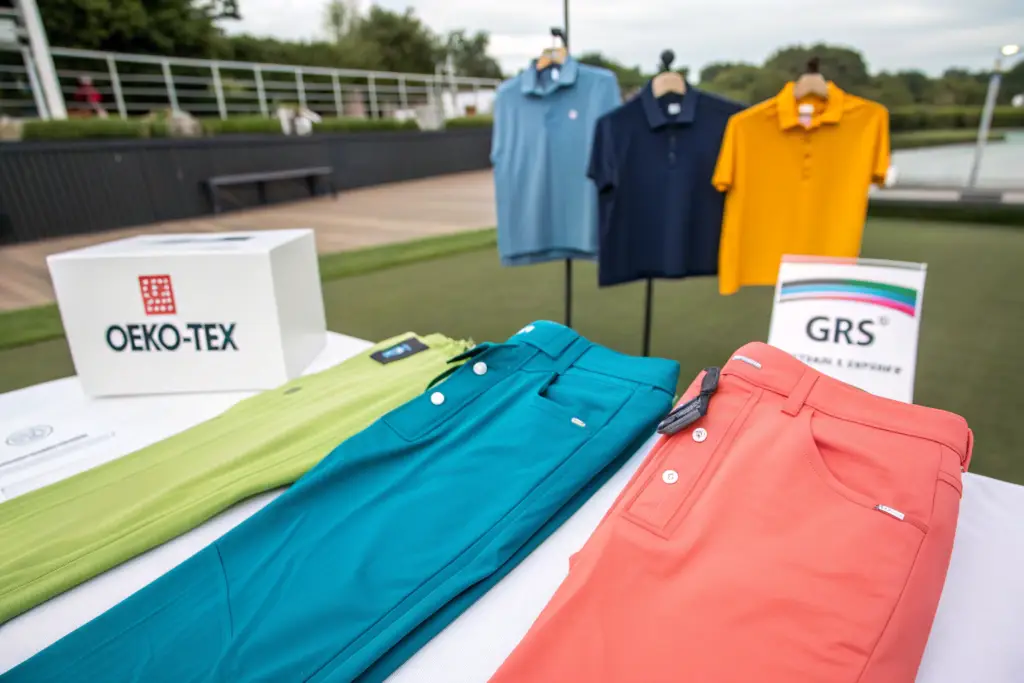
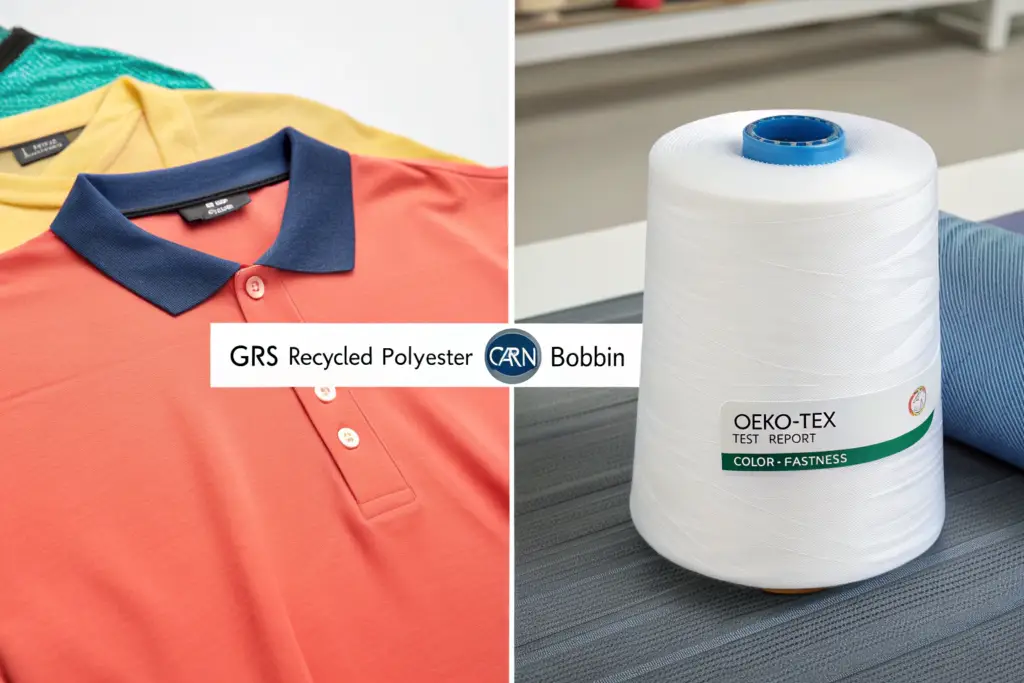
Featured paragraph: OEKO-TEX Standard 100 is more directly focused on ensuring color durability through explicit laboratory tests. GRS (Global Recycled Standard), while containing some chemical restrictions, is primarily a chain-of-custody standard for recycled content. For the highest guarantee of color fastness, OEKO-TEX is the more targeted choice. However, many leading manufacturers, including Shanghai Fumao, source GRS-certified fabrics that also pass OEKO-TEX tests, combining material sustainability with proven performance.
How Does GRS Certification Indirectly Influence Color Quality?
GRS certification influences color quality through its chemical input restrictions. The standard prohibits certain hazardous substances in dyes and processing chemicals. While it doesn’t specify a color fastness test pass level, the necessity to use compliant, higher-quality inputs often leads to better dyeing results. Furthermore, the traceability demanded by GRS means every stage—from recycled flake to dyed yarn—is documented. This transparency makes it harder for a mill to cut corners with subpar dyes, indirectly supporting color consistency and durability. It’s an important layer in a reliable sourcing strategy.
Can a Product Have Both Certifications for Maximum Assurance?
Yes, and this is the gold standard for performance-driven sustainable apparel. A golf shirt made from GRS-certified recycled polyester that also carries OEKO-TEX Standard 100 certification offers the complete package: verified recycled content, restricted harmful substances, and laboratory-proven color fastness. This dual assurance is what sophisticated corporate buyers are now seeking. We fulfilled an order for a eco-conscious sportswear brand last season featuring exactly this combination. The client marketed the dual certification, and the product line saw a 25% lower return rate due to quality issues compared to their previous supplier.
What Should a Buyer Ask Suppliers About Certification and Color Fastness?
Leading paragraph: Don’t just accept the certificate. Use it as a starting point for a technical conversation. How you question your supplier will separate those who truly understand their product from those who just ship boxes. Your goal is to uncover their proactive approach to color durability, not just their reactive ability to pass a test.
Featured paragraph: A buyer should ask suppliers for the specific color fastness test reports (not just the main certificate), inquire about their dye house partners’ qualifications, and request wash-test samples of the actual custom product. Ask: “Can you provide the laboratory test reports for color fastness to perspiration and rubbing for this specific fabric lot?” and “How do you control the dyeing process for custom colors to ensure fastness consistency?” The answers will reveal their depth of quality control.

How to Verify That Certification Claims Match Production Reality?
Verification is a three-step process:
- Document Check: Use the OEKO-TEX certificate checker. Cross-reference the certified article description with your Purchase Order.
- Sample Validation: Before bulk production, demand a pre-production sample made from the certified fabric. Perform your own simple wash test. Wash it 3-5 times with a contrasting white cloth. Check for bleeding or fading.
- Process Audit: Ask if the dye house is certified or audited. Do they have SOPs (Standard Operating Procedures) for dyeing different colors? A supplier who is evasive about these details is a red flag. We encourage our clients at Shanghai Fumao to visit or take virtual tours to see this control firsthand.
What Are the Red Flags in a Supplier’s Response?
Be wary of these answers:
- “All our fabrics have good color fastness.” (Vague, unsubstantiated)
- “The certificate is for our company, so all products are covered.” (This is often false; certificates are product-specific.)
- “We don’t have the test reports, but the mill does.” (They should have them on file.)
- “Custom colors might be slightly different.” (This can indicate a lack of process control.)
A trustworthy supplier will provide data, explain their process, and offer evidence. For example, they should be able to explain how they maintain color fastness when applying your customizable logo via printing or embroidery, ensuring the inks and threads used are also of high quality and compatibility.
How Does This Impact Logos, Prints, and Other Customizations?
Leading paragraph: The fabric passes. Great. But what about the large chest logo you spent thousands to design? A certified fabric with a poorly printed logo that cracks or fades is still a failed product. The certification’s scope must extend to the decoration methods. This is a detail most buyers miss until it’s too late.
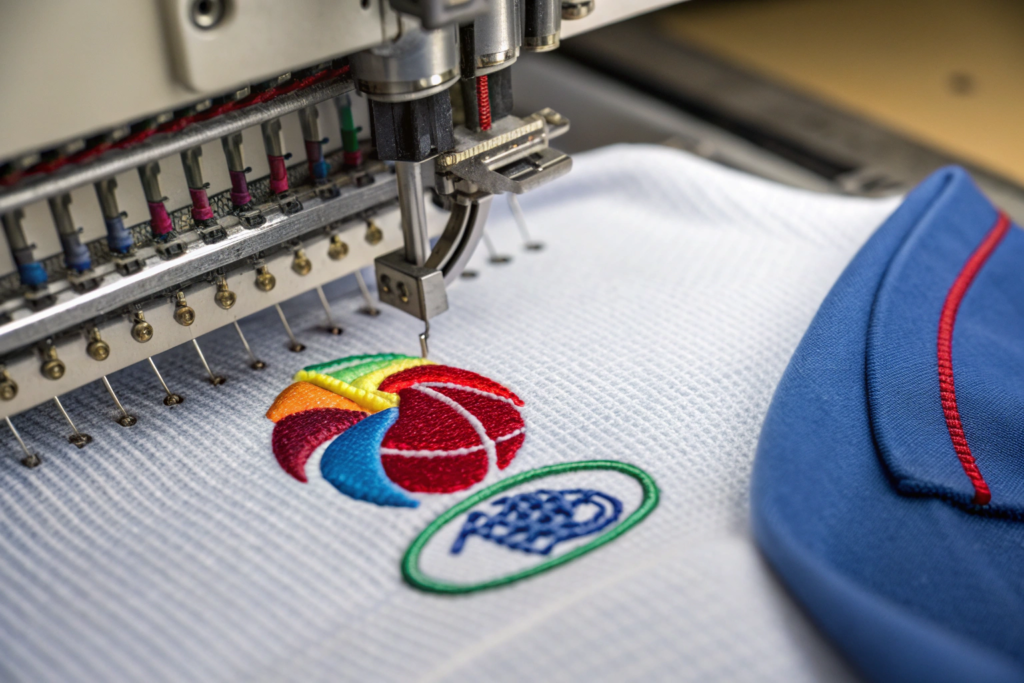
Featured paragraph: Certification impacts logos and prints by necessitating the use of compliant, high-performance inks and threads. OEKO-TEX, for instance, tests the finished article. This means the printed or embroidered area is also tested for harmful substances and, by extension, its durability is scrutinized. Suppliers must therefore use inks with high wash fastness and UV resistance, and embroidery threads with excellent color stability. This ensures your brand mark remains as vivid as the shirt itself.
What Specifications Should You Set for Customized Decorations?
Be specific in your tech pack. Don’t just say “embroider logo.” Specify:
- Thread Type: Use color-fast, polyester or rayon embroidery threads (e.g., Madeira or Gunold brands are known for quality).
- Stitch Density: A higher stitch density (e.g., 6,000 stitches per square inch) improves durability and appearance.
- Print Type: For prints, specify “plastisol with high wash-fastness additives” or “water-based digital prints with a durable binder.”
- Post-Treatment: Request a curing or heat-setting process after printing to lock in the ink.
We learned this through a tough lesson years ago. A client’s beautiful gradient print washed out because the ink wasn’t properly cured. Since then, our quality assurance protocol includes separate wash tests for all customized samples before bulk production is approved.
Does This Limit Design Creativity or Increase Cost?
It guides creativity with quality in mind, rather than limiting it. You can still have vibrant colors and complex logos. The “limit” is that you cannot use cheap, non-compliant inks that would fail. This does incur a modest cost increase—high-performance inks and premium threads are more expensive. However, this cost is negligible compared to the total loss of a rejected batch or a damaged brand reputation. It’s a non-negotiable part of delivering top quality. Smart suppliers like Shanghai Fumao absorb much of this through efficient process design, ensuring your final competitive pricing is not compromised.
Conclusion
Certification is far more than a safety badge. For golf shirts and pants, it is a robust proxy for superior color fastness and overall product durability. By mandating scientific tests and driving better dyeing practices, standards like OEKO-TEX directly solve the business problem of apparel that degrades too quickly. For a corporate buyer, this means your event merchandise or branded line will maintain its professional look wash after wash, game after game.
The key is to partner with a manufacturer who views certification as the starting point of quality, not the finish line. You need a partner who understands the chemistry behind the color and the processes that preserve your brand’s image.
Ready to source golf apparel where brilliant colors are guaranteed to last? Let Shanghai Fumao be your manufacturing partner. From certified fabric sourcing to durable customization and seamless DDP mode export to the U.S., we ensure your order excels in both safety and performance. Contact our Business Director Elaine to start your project: elaine@fumaoclothing.com. Let’s create apparel that looks as good on the 18th green as it did on the first tee.