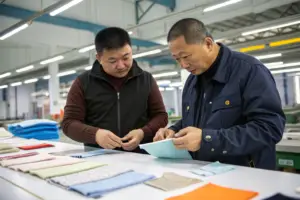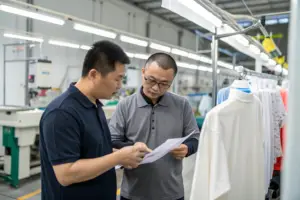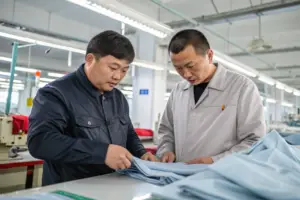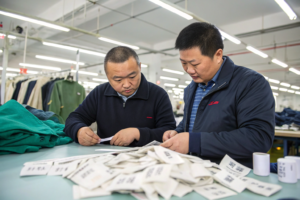
You're ready to launch a premium golf dress collection that combines performance with responsibility. You know OEKO-TEX® certification is the gold standard your customers trust. But the search for a reliable, certified supplier feels overwhelming. Online directories are full of unverified claims, and the fear of partnering with the wrong factory—one that causes delays, compromises on quality, or provides fake certificates—is real. Where do you even begin?
Finding genuine OEKO-TEX® certified suppliers for your golf dress collection requires a strategic, verification-focused approach. The most effective method is to use the official OEKO-TEX® Buying Guide as your primary source, then deeply vet potential partners on their production capabilities, communication style, and track record with similar brands. Success lies in moving beyond a simple keyword search to a thorough due diligence process.
Let's map out a clear, step-by-step strategy to identify and qualify the right manufacturing partner, ensuring your collection is not only beautiful and functional but also credibly and safely produced.
Why Start Your Search with the Official OEKO-TEX® Buying Guide?
The first mistake many brands make is relying solely on B2B platforms or Google ads. These channels are filled with intermediaries and suppliers who may use “OEKO-TEX” as a marketing buzzword without holding valid, relevant certificates. This leads to wasted time and significant risk.
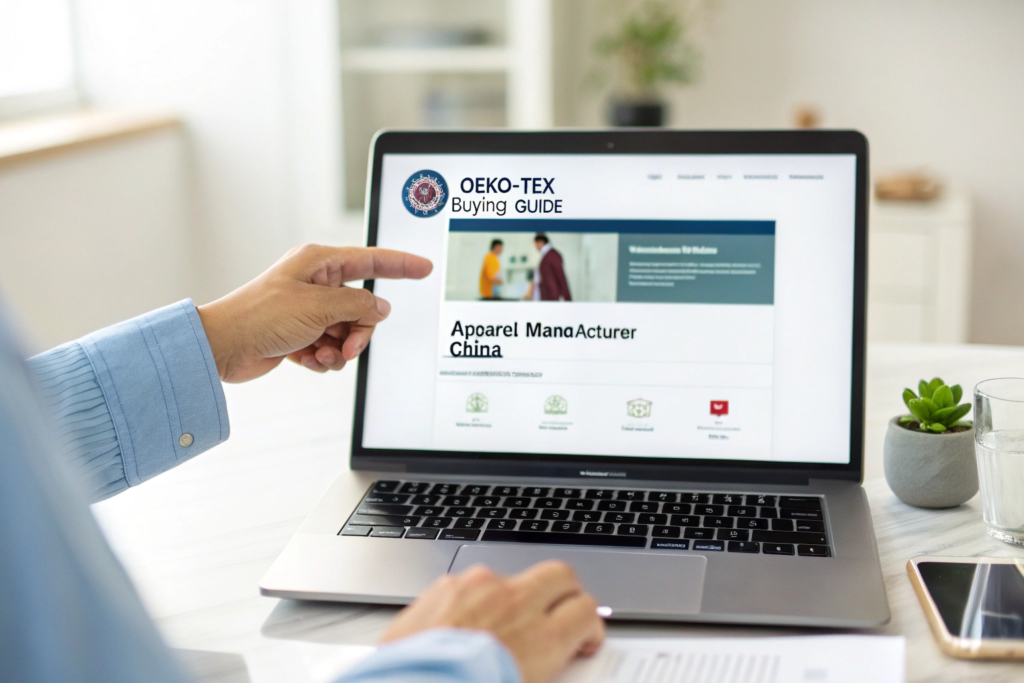
You must start with the official OEKO-TEX® Buying Guide (available on the OEKO-TEX® website). This is a searchable, global database of companies that hold valid certificates. It is the only source that provides verified, up-to-date certification information directly from the certification institutes. It gives you a clean, qualified list of real suppliers to contact, cutting through the noise of unverified claims.
How do you effectively filter and use the Buying Guide?
Navigate to the OEKO-TEX® website and find the “Buying Guide” or “Certified Companies” section. Use precise filters:
- Country/Region: Select your target sourcing region (e.g., China, Vietnam, Portugal).
- Certificate Type: Choose “STANDARD 100” for finished product certification.
- Product Category: Select relevant categories like “Clothing – Outerwear” or “Clothing – Sports and Leisure.”
- Company Name/Keyword: You can input broader terms like “garment” or “apparel.”
The results will list companies with their certificate numbers and valid-to dates. This is your verified shortlist. Export it and begin your outreach. A golfwear brand we assisted last year used this method and cut their initial supplier screening time by 70%, immediately eliminating over a dozen companies whose online claims did not match the official database.
What are the limitations of the Buying Guide?
The guide confirms certification existence but not capability. It won’t tell you if a factory specializes in woven golf dresses versus knit polos, their minimum order quantities (MOQ), or their communication quality. It’s the authoritative starting point for creating a list, but it’s not a vetting tool for production suitability. The next steps are critical.
What Vetting Questions Go Beyond the Certificate?
Securing the certificate number is just the first checkpoint. A certificate does not equal a good partner. Your vetting must assess their practical experience, operational transparency, and cultural fit with your brand. This phase separates true partners from order-takers.
You need to ask detailed questions about their specific experience with performance golfwear and dresses, their internal quality control processes, and their project management systems. Focus on how they handle the complexities of technical fabrics, construction details common in golf dresses (like stretch, linings, and venting), and their understanding of the DDP (Delivered Duty Paid) needs of the U.S. market.

What are the must-ask technical questions for golf dresses?
Move beyond generic questions. Ask:
- “Can you show us examples of similar golf or performance dresses you have produced? What specific fabrics (e.g., moisture-wicking polyester, stretch piqué) did you use?”
- “What is your process for handling and testing the colorfastness and durability of bonded seams or laser-cut edges common in dress designs?”
- “How do you manage the sourcing and certification of all components for a dress—main fabric, lining, zippers, interlining, and specialty trims?”
- “What is your on-time delivery rate for U.S.-bound shipments over the last 12 months, and what logistics partners do you use?”
How do you assess communication and project management style?
Inefficient communication is a top pain point. Gauge this early:
- Request a sample development timeline with clear milestones.
- Ask who your single point of contact will be and their response time SLA.
- Inquire about their preferred communication tools (e.g., email, WeChat, Slack, project management software). A supplier like Shanghai Fumao that uses shared online dashboards for real-time updates on sampling and production demonstrates a modern, transparent approach that prevents the “black box” anxiety many importers face.
How to Conduct a Virtual or On-Site Factory Audit?
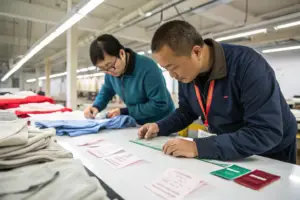
Paperwork can be perfect, but the factory floor tells the real story. An audit is non-negotiable to verify working conditions, quality control infrastructure, and overall operational professionalism. For overseas brands, a well-executed virtual audit can be highly effective.
The goal of an audit is to see the systems behind the certificate. You want to confirm that OEKO-TEX® compliance is integrated into daily operations, not just a framed document on the wall. You’re checking for organized production lines, clean and safe working conditions, a functioning quality control lab, and proper storage for certified materials.

What should you look for in a virtual audit tour?
Request a live video walkthrough, not a pre-recorded video. Key areas to ask them to show you:
- Fabric and Trim Storage: Are certified materials segregated and clearly labeled?
- Cutting Room: Is it organized? Ask to see how they manage lay planning to minimize waste.
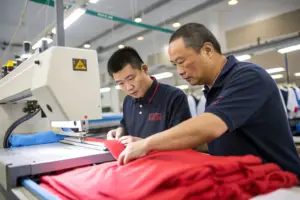
- Sewing Lines: Observe the workflow, worker conditions, and cleanliness.
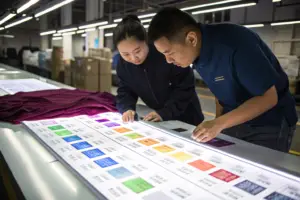
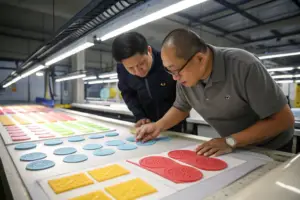
- Quality Control (QC) Station: This is critical. Look for testing equipment like colorfastness testers, wash-test machines, and inspection light boxes. Ask to see a QC report from a recent order.
- Finished Goods Warehouse: Is it orderly? Check packing standards.
A supplier confident in their operations will readily agree to this.
What are the red flags during an audit?
Be wary of:
- Refusal or Delay: Hesitance to conduct a live audit is a major red flag.
- Inconsistent Information: The production capacity or number of lines doesn’t match previous claims.
- Poor Housekeeping: Disorganized material flow, fabric scraps everywhere, and dirty workspaces often correlate with poor quality management.
- No Dedicated QC Area or Equipment: If they can’t show you basic testing, they likely aren’t conducting it.
- Lack of Segregation for Certified Materials: This risks contamination and invalidates certification.
What Are the Pros and Cons of Different Sourcing Channels?
Your search channel influences the type of supplier you find. Each platform—from the official guide to B2B marketplaces to trade shows—has distinct advantages and risks. A multi-channel approach is wise, but you must understand what you’re getting into with each.
The optimal strategy is to use the OEKO-TEX® Buying Guide for verification, supplement with targeted searches on premium B2B platforms, and leverage trade shows for in-person evaluation. Relying on a single channel, especially one dominated by trading companies, increases risk.
How reliable are B2B platforms like Alibaba for finding certified suppliers?
They are a mixed bag. You can find legitimate, certified factories, but you must be an expert detective.
- Pros: Vast selection, easy to contact, some verification services (like “Assessed Supplier”).
- Cons: Heavily populated by trading companies posing as factories. Certificates displayed may be outdated, fake, or belong to a fabric mill, not the garment factory. The emphasis is often on low price over quality and compliance.
- Actionable Tip: Always request a video call and ask to see the factory’s business license matching the platform account name. Demand the most recent OEKO-TEX® certificate and verify it independently on the official website.
Are trade shows and referrals still valuable in the digital age?
They are incredibly valuable for high-value, complex products like golf dresses. A trade show like ISPO Munich or PGA Merchandise Show allows you to:
- Feel fabric quality and construction firsthand.
- Have substantive, real-time technical discussions.
- Gauge the supplier’s professionalism and brand alignment instantly.
Referrals from trusted industry peers are gold. A recommendation from another brand owner carries weight because it includes tacit approval of the supplier’s reliability and communication style, addressing a core pain point.
Conclusion
Finding the right OEKO-TEX® certified supplier for your golf dress collection is a systematic process that blends verification with deep due diligence. Start with the unimpeachable source—the official OEKO-TEX® Buying Guide—to build a verified list. Then, vet suppliers with technical, operational, and communication-focused questions that go far beyond the certificate. Insist on a virtual or on-site audit to see their systems in action, and understand the pros and cons of each sourcing channel to navigate them wisely.
The goal is to find a partner who views certification not as a marketing badge but as an integral part of a professional, transparent, and quality-driven manufacturing process. This partner will become an extension of your brand, ensuring your vision for a stylish, high-performance, and responsible collection is realized flawlessly.
Your search for a credible partner ends here. Shanghai Fumao is a verified OEKO-TEX® STANDARD 100 and STeP certified manufacturer with a proven track record in producing technical sportswear and golf apparel for the U.S. market. We offer full-package production, transparent communication, and DDP logistics. Let us help you bring your premium golf dress collection to life with confidence. Contact our Business Director, Elaine, at elaine@fumaoclothing.com to start a conversation and request our official certification documents and client references.