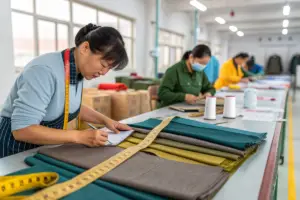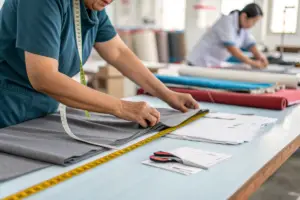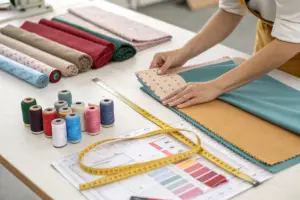
In the competitive U.S. apparel market, a simple question about fabric can make or break a deal. As an experienced garment exporter, I've seen many U.S. brand owners and CEOs, particularly those who import from developing countries, face a common dilemma. They need to ensure their products are safe and compliant, but navigating complex international textile certifications can feel overwhelming. This confusion often leads to communication breakdowns with suppliers and, worse, risks to brand reputation.
The OEKO-TEX® STANDARD 100 is not just a label; it's a globally recognized, independent certification system that tests for harmful substances in textiles at every stage of production. For a French Terry jumper—a staple for comfort and style—meeting these requirements is crucial for brands targeting quality-conscious consumers who value safety and sustainability. Understanding these standards is your first line of defense against delayed shipments and fraudulent certificates, ensuring your product reaches the U.S. market with trust and integrity.
Let's break down what this means for your next French Terry order and how partnering with a knowledgeable manufacturer streamlines the entire process from fiber to finished garment.
What harmful substances does OEKO-TEX test for in French Terry?
When you source French Terry jumpers, you're buying into a fabric known for its soft loop-back and cozy feel. But that comfort must be safe. The OEKO-TEX® STANDARD 100 standard provides a rigorous framework for this. We often explain to our brand partners that this isn't a single test, but a comprehensive screening protocol based on the latest scientific research and global regulations.
In essence, OEKO-TEX tests for a scientifically curated list of over 100 regulated and unregulated harmful substances that could be present in textiles. For French Terry, which is primarily a cotton or cotton-blend knit, the focus is heavily on substance groups like illegal pesticides, allergy-inducing dyes, and heavy metals that could be introduced during farming or dyeing. The certification applies to every component: the main Terry fabric, the ribbed cuffs and collar, sewing threads, and even care labels.
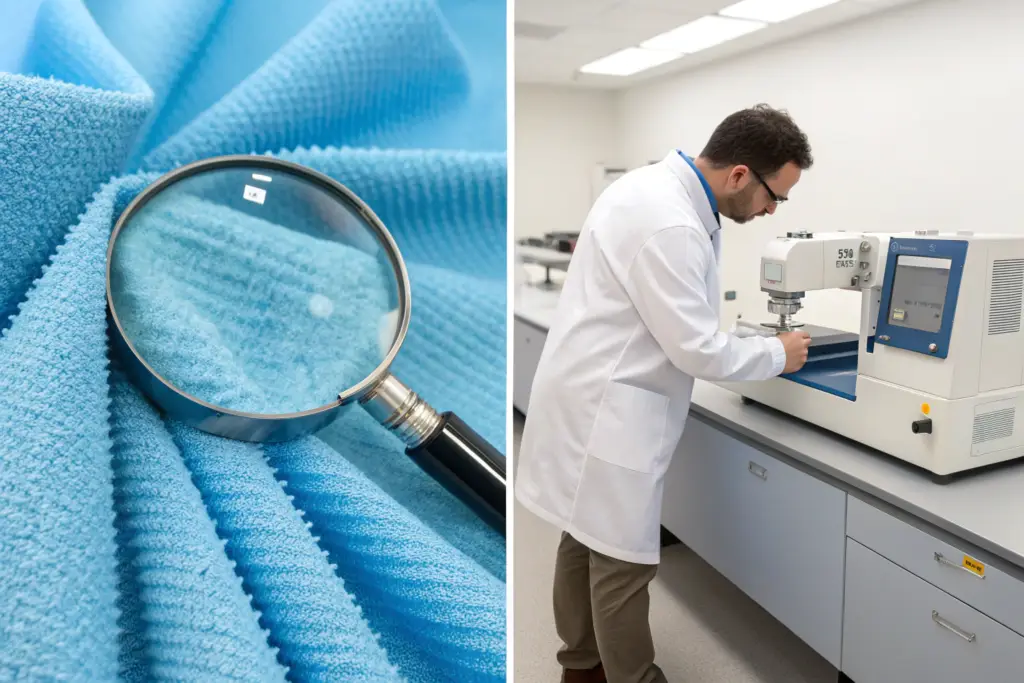
Why is pesticide residue a key concern for cotton French Terry?
Cotton cultivation traditionally uses significant amounts of pesticides and insecticides. Residues from these chemicals can remain in the raw fiber. OEKO-TEX Standard 100 sets strict limit values for a wide range of pesticide residues, often more stringent than national laws. For a baby clothing line using French Terry, which falls under Product Class I (articles for babies and toddlers), these limits are the strictest possible. We recall a project from last fall where a client in Portland was developing an organic infantwear line. Their initial fabric sample from another supplier failed an independent test for chlorpyrifos residue. By working with Shanghai Fumao and sourcing our OEKO-TEX certified cotton yarns from the start, we secured the certification for their full jumper range, allowing them to launch with credible “Confidence in Textiles” labels on their hangtags.
How does the standard regulate colorants and heavy metals?
This is a two-part challenge. First, the standard bans the use of allergenic disperse dyes and carcinogenic arylamines, which are sometimes found in cheaper dyes. Second, it sets safe limits for extractable heavy metals like lead, cadmium, and mercury. These metals can be present in certain dyestuffs or as contaminants. The testing simulates a product's lifecycle, checking for substances that could be released through sweat or saliva. We ensure compliance by partnering with certified dye-houses and conducting our own in-house pre-testing on greige fabric before production even begins. This proactive step, a standard part of our service at Shanghai Fumao, saved a Midwest-based activewear brand from a potential recall last year, as we caught a trace metal issue in a specialty gray dye lot before it was used in 5,000 units of their French Terry hoodies.
How does the product class system affect my jumper's certification?
Many buyers are unaware that OEKO-TEX certification is not one-size-fits-all. The standard's intelligent product class system tailors toxicity limits based on how a product is used and who uses it. Misunderstanding this can lead to under-certification and legal risks, especially for brands selling in California under Proposition 65.
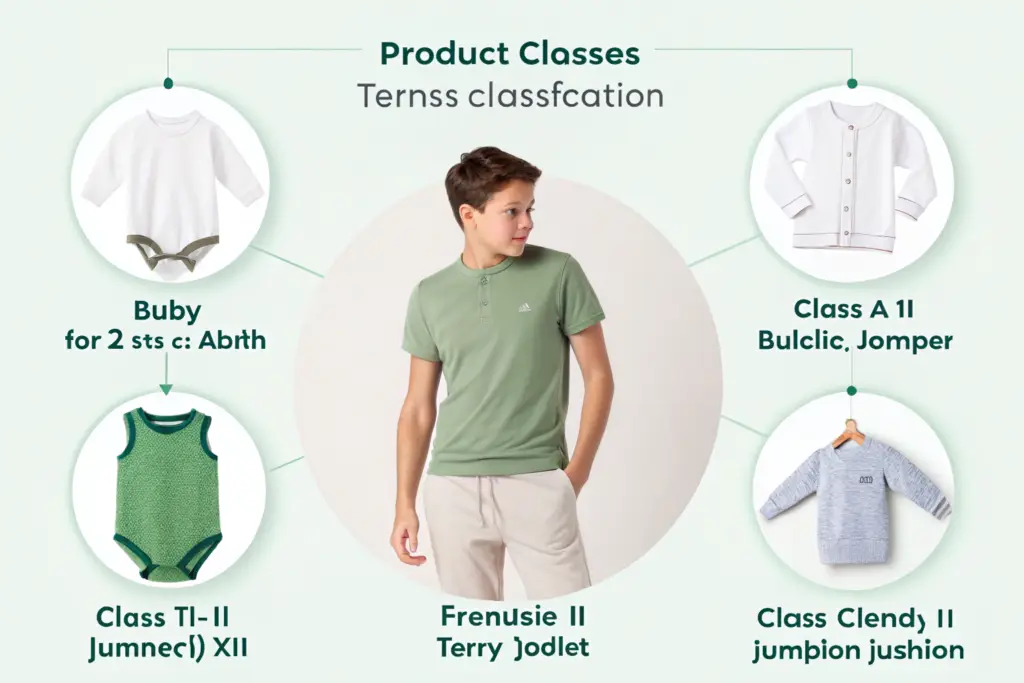
The core principle is simple: the more sensitive the skin and the more intense the contact, the stricter the human ecological requirements. OEKO-TEX defines four product classes, and your French Terry jumper's classification dictates the permissible levels of every tested substance. Placing your product in the correct class is a fundamental responsibility of your manufacturer.
Which product class does a standard adult French Terry jumper belong to?
A typical adult French Terry jumper or hoodie is classified as Product Class II. This class covers articles worn close to the skin, where the fabric has direct, large-area contact with the skin. The limit values for Class II are stricter than for decorative items (Class IV) but less strict than for baby items (Class I). It assumes regular, prolonged contact. We had a case with a startup brand from Texas focusing on loungewear. They initially thought their premium French Terry jogger sets could be Class III. Our quality team advised that as pants and tops designed for all-day wear, they must meet Class II standards to ensure safety during extended use and to provide a stronger marketing claim. This correct classification strengthened their brand positioning.
When would a French Terry item need Class I or Class III certification?
The classification depends entirely on the intended use, not just the fabric.
- Class I (Babywear): This applies if your French Terry is used to manufacture items for children under 3 years old, such as baby rompers, hooded towels, or infant jumpers. The requirements are the toughest.
- Class III (Outerwear): This classification is for textiles that do not have direct, prolonged skin contact. A heavy, brushed French Terry jacket or coat meant to be worn over another layer might qualify for Class III. However, the distinction can be nuanced. For example, a lightweight French Terry jacket marketed as a stand-alone top would likely still be Class II. The certification body makes the final determination.
Here is a quick reference table based on our experience with client projects:
| Product Class | Textile Product Examples (French Terry) | Skin Contact Level | Typical Certification Needed For |
|---|---|---|---|
| Class I | Baby jumpsuits, infant hoodies, toddler pajamas | Very intensive | Brands in baby/children's apparel |
| Class II | Adult & kids' jumpers, hoodies, joggers, loungewear sets | Direct, large area | Most standard apparel brands |
| Class III | Thick outerwear jackets, some decorative apparel items | Little or no direct contact | Brands producing outer layers |
What is the process to get OEKO-TEX certification for my order?
The thought of obtaining an international certification can seem daunting, especially when managing long-distance communication. A reliable manufacturer should guide you through this as a service, not an obstacle. The process is systematic and hinges on traceability and verified documentation at every step.
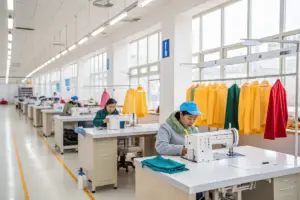
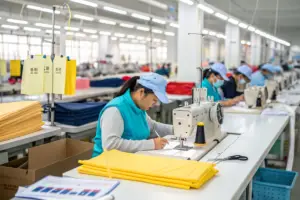
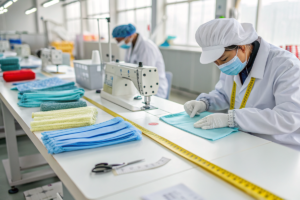
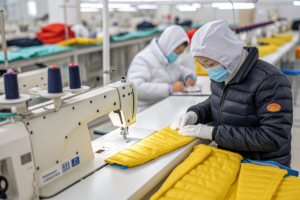
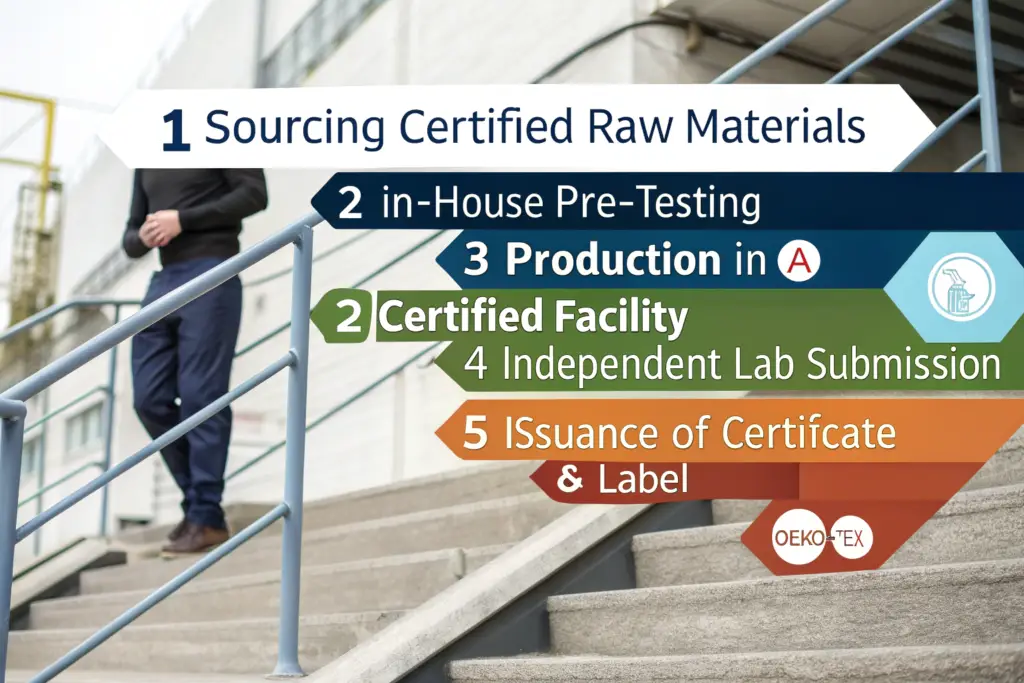
The certification process begins at the material sourcing stage and requires testing of both individual components and the final product by an independent OEKO-TEX® institute. As a full-package manufacturer, we manage this vertically, ensuring that every input—from yarns and dyes to zippers and prints—is compliant before they enter our production lines at Shanghai Fumao. This integrated approach is what prevents the "falsified certificate" pain point we often hear about from buyers.
How do we manage certified material sourcing and documentation?
It starts with our approved supplier list. We source yarns, dyes, and trims from mills and suppliers that already hold OEKO-TEX certifications for their products. We collect and verify their valid certificates (which are usually renewed annually) at the start of each sourcing cycle. For a recent large order of 20,000 French Terry jumpers for a Chicago-based distributor, we maintained a dedicated certification dossier. This included the certificate for the combed cotton yarn, the pigment dyes used, the polyester sewing thread, and even the plastic tips on the drawcords. This documented chain of compliance is mandatory for the final product certification audit and is a core part of our supply chain management protocol.
What happens during sample submission and final audit?
Once production samples are ready, we prepare and submit a representative sample set to an authorized institute like Hohenstein or TESTEX. The application must detail every material component. The lab conducts the prescribed tests. Upon passing, a certificate is issued for that specific product article number, which is tied to the supplied components and the manufacturing facility—in this case, our Shanghai Fumao factory. Importantly, the institutes also conduct unannounced annual audits of our facility to review quality control systems and material traceability. This double-check system gives brands like yours an extra layer of confidence. We once assisted a client who was audited by a major retailer; our organized OEKO-TEX documentation and factory audit reports helped them pass the retailer's compliance check seamlessly.
Why is OEKO-TEX critical for U.S. brands importing French Terry?
Beyond being a "nice-to-have" eco-label, OEKO-TEX certification serves as a strategic business tool for U.S. importers. It directly addresses several core pain points: mitigating regulatory risk, building consumer trust, and simplifying the sourcing process. In today's market, it's a benchmark for responsible sourcing.
For U.S. brands, OEKO-TEX certification is a proactive shield against stringent domestic regulations like California's Proposition 65 and a powerful marketing asset that resonates with discerning consumers. It transforms a complex supply chain requirement into a clear competitive advantage, ensuring that quality and safety are embedded in the product, not just inspected at the end. This alignment of values prevents the all-too-common issue of delayed shipments due to last-minute compliance failures.

How does it help with compliance and market access?
Regulations like Proposition 65 require businesses to warn consumers about exposure to listed chemicals. OEKO-TEX certification, especially for Product Class I and II, demonstrates due diligence in minimizing these substances, potentially reducing your liability. Furthermore, major retailers and e-commerce platforms are increasingly requiring such certifications for vendor onboarding. Having OEKO-TEX certified products streamlines this process. We helped a boutique brand from Colorado expand into a national department store last year; their OEKO-TEX certified French Terry collection met the retailer's vendor compliance guidelines, accelerating the approval timeline by several weeks.
How does it build brand trust and value?
The OEKO-TEX label is globally recognized. For consumers, it's an easy-to-understand signal of product safety and environmental responsibility. It answers their unasked questions about harmful substances. This allows you to command a better price point and foster loyalty. It turns your sourcing choice into a tangible consumer benefit. A client of ours, focusing on sustainable basics, uses the OEKO-TEX certification as a central pillar of their storytelling. They feature it prominently on their e-commerce product pages and hangtags, which they report has directly reduced customer inquiries about product safety and has supported their premium positioning in a crowded market.
Conclusion
Navigating the OEKO-TEX requirements for French Terry jumper production is a detailed but manageable process when you understand its framework: the comprehensive substance testing, the crucial product class system, the step-by-step certification journey, and its ultimate value for the U.S. market. It’s far more than a test; it’s a holistic system for responsible manufacturing that protects your brand, delights your customers, and de-risks your supply chain. The key is to partner with a manufacturer who views certification not as a checkbox, but as an integral part of quality control and seamless communication from concept to delivery.
By choosing a partner deeply versed in these standards, you turn a potential sourcing complexity into a streamlined advantage. If you're looking to bring high-quality, certified, and reliably delivered French Terry jumpers to the U.S. market, let's discuss how we can be your trusted manufacturing extension. For a detailed consultation on your next project, please reach out to our Business Director, Elaine, at elaine@fumaoclothing.com. Let Shanghai Fumao help you ensure your apparel vision meets the highest standards of safety and success.