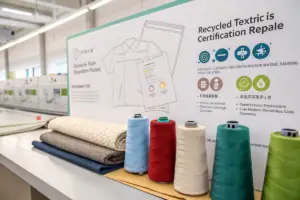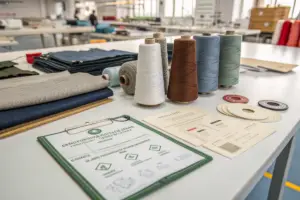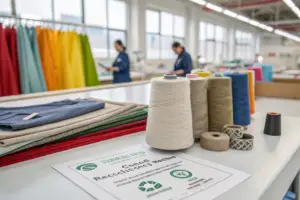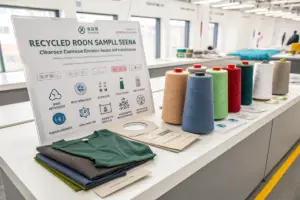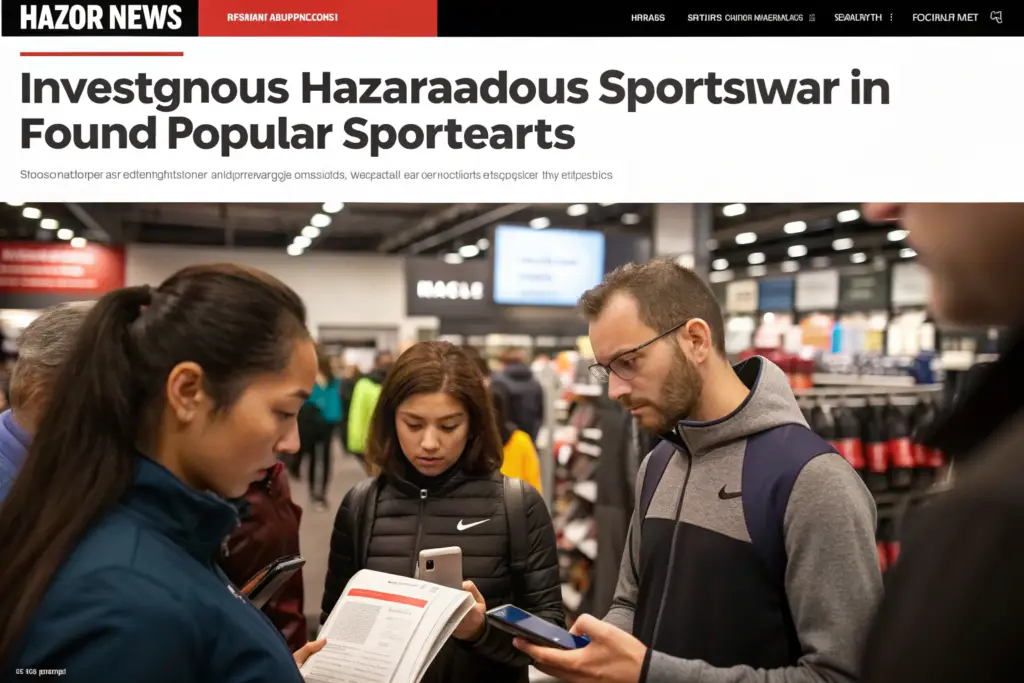
Imagine this: a major news outlet runs an investigative report on hazardous chemicals found in popular sportswear. Your brand isn't named, but the industry is under a cloud. Your customers start asking questions. Retailers demand proof of compliance. Your sales stall. In today's hyper-transparent world, a supply chain scandal—even one you're not directly involved in—can inflict collateral damage through guilt by association. Your brand's reputation, built over years, is only as strong as its weakest, most opaque supply link.
Third-party certifications like OEKO-TEX®, GRS, and BCI protect your brand by shifting the narrative from "trust us" to "verified by science." They act as a defensive firewall by providing independently audited, verifiable evidence of responsible practices, thereby insulating your brand from the fallout of industry-wide scandals, ensuring business continuity, and building unshakeable consumer trust.
This protection isn't passive; it's an active risk management strategy. Let's examine how certification functions as your brand's most reliable insurance policy.
1. Shifts Liability and Demonstrates Due Diligence
When a scandal breaks, the first question is: "What did you know, and what did you do to prevent it?" Without third-party certification, your defense rests on internal audits and supplier promises—documents that can be dismissed as "self-policing." Certification provides an objective, external answer.
Certification bodies are independent entities that conduct rigorous, on-site audits and product testing. Holding a valid certificate demonstrates to regulators, retailers, and the public that you have exercised due diligence. For example, OEKO-TEX STeP certification involves a detailed assessment of a factory's environmental performance, chemical management, and social responsibility. If an environmental scandal hits your sourcing region, you can point to your suppliers' STeP reports as proof of their compliant wastewater treatment and safe chemical handling—practices you actively chose to support.

How Does This Work in a Practical Legal Sense?
In the event of litigation or a regulatory inquiry, certification serves as documented evidence of your reasonable efforts to ensure a safe and ethical supply chain. It shows you did not negligently select suppliers. This can be a decisive factor in limiting liability and protecting against punitive actions. It transforms your sourcing decision from a cost-based choice to a values-based, verified program.
A Case in Point: The PFAS Crackdown
Regulations on PFAS ("forever chemicals") are tightening globally. A brand caught using non-compliant water-repellent finishes faces massive recalls and fines. However, a brand sourcing from OEKO-TEX certified suppliers was already adhering to strict PFAS limits years before the scandal made headlines. Their certification was a proactive shield. At Shanghai Fumao, our compliance team tracks such regulatory shifts and updates our material specifications accordingly, ensuring our clients' brands are ahead of the curve, not reacting to crises.
2. Creates Supply Chain Transparency and Traceability
Scandals often fester in opacity. "We didn't know" is the most damaging admission a brand can make. Certification systems mandate traceability. For instance, the Global Recycled Standard (GRS) requires a chain of custody document that traces recycled materials from source to final product.
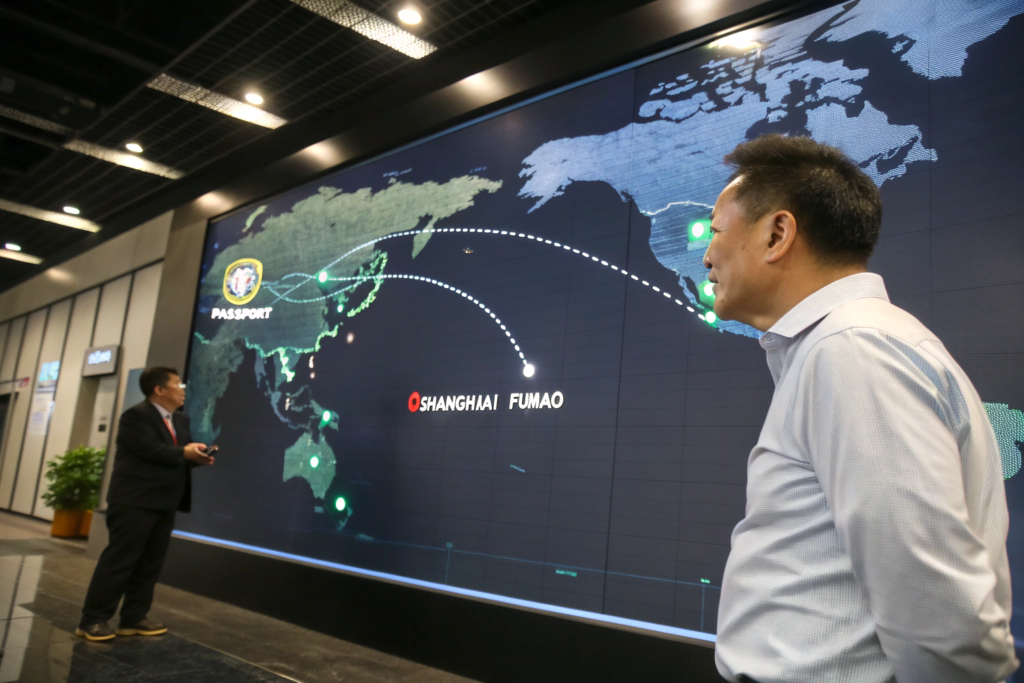
This means you can prove where your materials come from. If a scandal erupts about forced labor in a specific region or environmental dumping by a textile mill, you can quickly audit your supply chain using your certification documentation. You can publicly state, "Our GRS certification and associated transaction certificates verify that our recycled polyester is not sourced from that region or mill." This ability to respond quickly and with facts is critical for crisis management.
How Does This Prevent "Falsified Certificate" Risks?
The public verification feature of most major certifications is a powerful deterrent. OEKO-TEX and GRS certificates have unique numbers that anyone can verify online. This makes it exponentially harder for a rogue supplier to present a fake certificate, as you, your buyers, or journalists can check its authenticity in seconds. This system directly addresses a core pain point for buyers and closes a major vulnerability.
Building a Transparent Partnership
When we partner with a brand at Fumao Clothing, we don't just offer a product; we offer visibility. We provide the full certification dossier for our facility and materials, enabling our clients to tell a transparent story. This turns the supply chain from a liability into a marketing asset.
3. Ensures Business Continuity with Retailers and Distributors
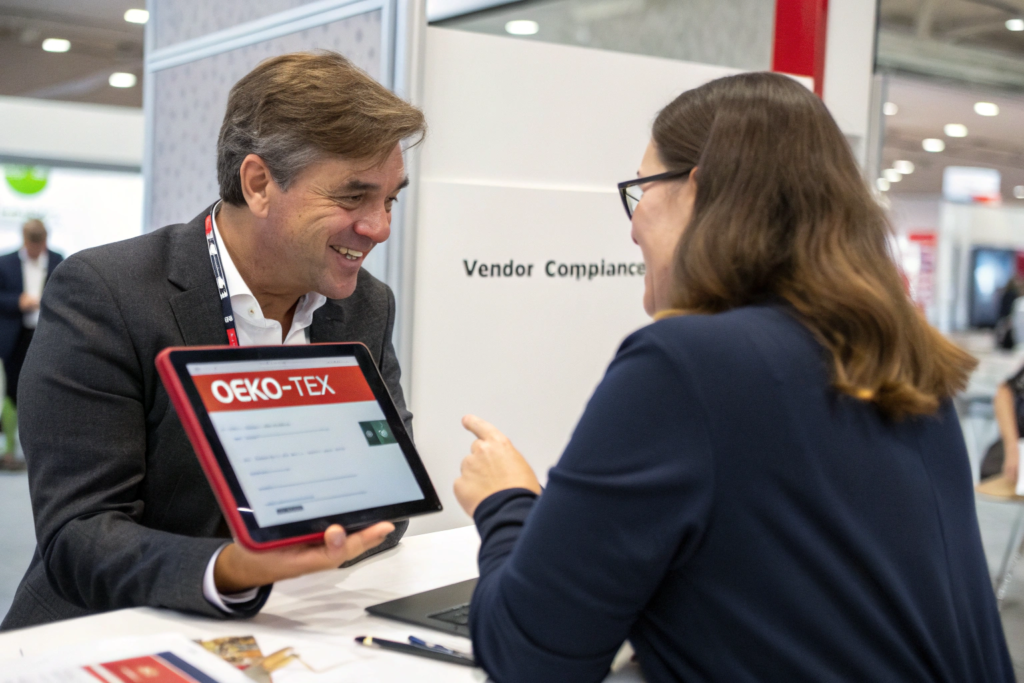
Your commercial survival depends on your relationships with retailers. Major distributors have zero-tolerance policies for scandal. When one occurs, they issue urgent requests for proof of compliance (RPOCs) to all their vendors. Brands without verifiable certifications are often the first to be suspended or delisted, regardless of their actual guilt.
Having OEKO-TEX, GRS, or similar certifications pre-approved in your vendor file is like having a pre-cleared security pass. You can instantly satisfy the retailer's audit. During the widespread scrutiny of cotton sourcing in recent years, brands with Better Cotton Initiative (BCI) or organic certifications maintained shelf space while others faced frozen orders. Certification ensures your revenue pipeline stays open during industry storms.
What is the Financial Impact of De-listing?
The cost of losing a major retail account—including lost sales, markdowns on existing inventory, and the expense of finding new channels—can be catastrophic. The investment in certification is minimal compared to this risk. It is a direct investment in reliable delivery to your most important customers.
How Does Certification Streamline New Retailer Onboarding?
When expanding to new retailers, the compliance questionnaire is a major hurdle. A portfolio of recognized certifications allows you to bypass up to 80% of their questions regarding product safety and environmental impact, accelerating your time-to-revenue.
4. Fortifies Brand Equity and Consumer Trust
Ultimately, the court of public opinion is where brands are won or lost. A certification label on your hang tag is a silent salesperson that speaks directly to the conscious consumer. It translates complex supply chain ethics into a simple, trusted symbol.
When a scandal shakes consumer confidence, certified brands hold their ground. Their marketing message shifts from "We are good" to "Here is the proof from a trusted third party." This independent validation is more credible than any branded sustainability report. It allows you to communicate with authority, turning a potential vulnerability into a point of competitive differentiation and deeper brand loyalty.
How to Proactively Communicate This Protection?
Don't wait for a scandal. Integrate certification into your core brand story. Use phrases like: "Independently certified for your peace of mind," or "We don't just meet standards; we are verified by them." Educate your customers on what the labels mean. This builds a reservoir of goodwill that protects you during crises.
The Role of a Certified Manufacturing Partner
Your ability to leverage this protection depends entirely on your manufacturing partner's commitment. A partner like Shanghai Fumao, invested in maintaining STeP, STANDARD 100, and GRS certifications, is not just a producer; it is a key pillar of your brand's risk management and reputation strategy. Their systems become your shield.
Conclusion
In an era where supply chain scandals are not a matter of "if" but "when," certification is your most strategic form of brand insurance. It provides the verified documentation to demonstrate due diligence, the traceability to ensure transparency, the compliance to maintain crucial retail relationships, and the trusted symbol to retain consumer loyalty. It moves your brand from being vulnerable to industry-wide issues to being defined by its verifiable integrity.
Protecting your brand requires a forward-looking partnership. Shanghai Fumao is built to be that protective partner. Our multi-faceted certification portfolio is designed to future-proof our clients' brands against supply chain risks. To build a more resilient, scandal-proof supply chain for your apparel line, contact our Business Director Elaine at elaine@fumaoclothing.com. Let's turn compliance into your greatest competitive advantage.