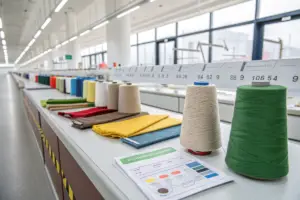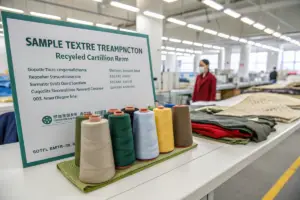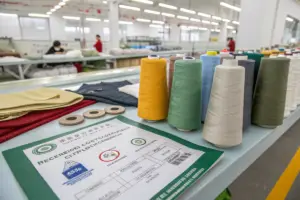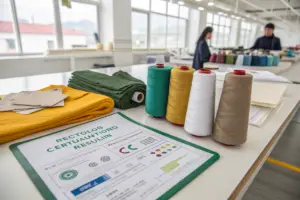
As a brand owner or buyer in the children's apparel space, you know that safety isn't just a feature—it's the foundation of trust. When it comes to kids' golf wear, where active play meets sensitive skin, the stakes are even higher. Parents are not just looking for cute styles; they demand assurance that every component of the garment is harmless. How can you provide this assurance in a way that is scientifically valid, globally recognized, and marketable?
OEKO-TEX Standard 100 Class I (often referred to as "Grade 1" for baby products) is essential for children's golf apparel because it represents the world's most stringent certification for harmful substances in textiles. It sets the strictest permissible limits for over 350 regulated chemicals, ensuring that even the most vulnerable users—infants and toddlers—are protected from skin irritation and toxic exposure during intense physical activity.
This isn't merely a "nice-to-have" certification for kids' lines; it is a non-negotiable standard for responsible production. Let's explore why this specific class is critical and how it impacts your sourcing, marketing, and liability.
Understanding the Stringency: Class I vs. Other Classes
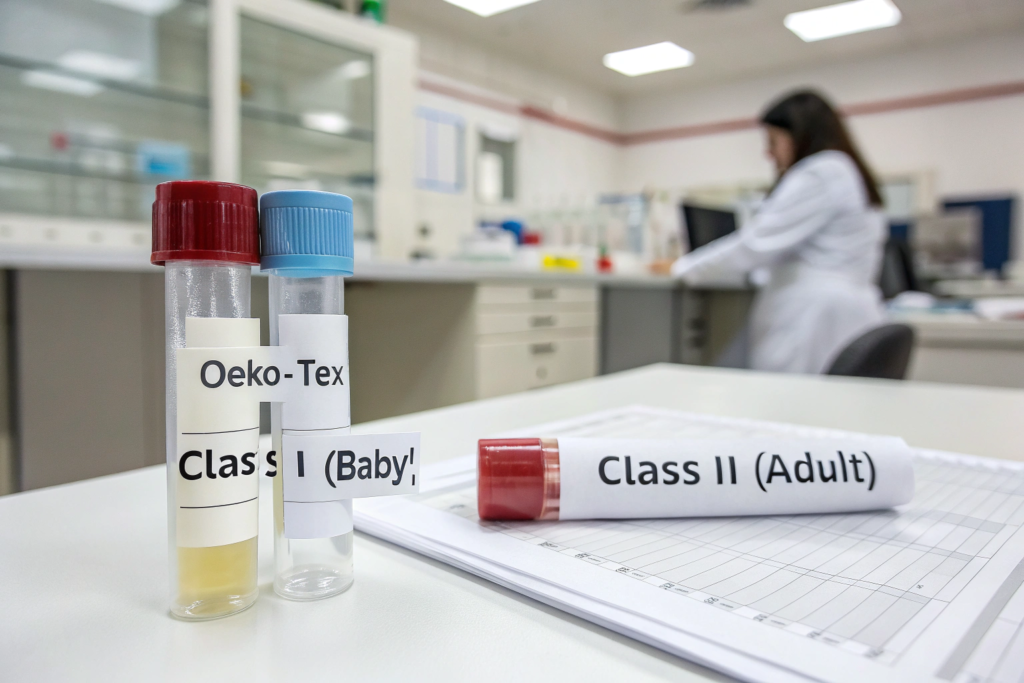
OEKO-TEX Standard 100 categorizes products into four classes based on their intended use and the sensitivity of the user's skin. Class I is designated for "Products for babies and toddlers up to 3 years" and includes all articles, toys, and textiles for this age group. The limits for substances like formaldehyde, heavy metals, and allergenic dyes are significantly lower in Class I than in Class II (adult apparel close to skin) or Class III (outerwear).
For children's golf apparel, which often targets a broader age range (e.g., 4-14 years), using Class I certification is a powerful proactive choice. It acknowledges that children's skin is more permeable and their metabolic systems are less capable of detoxifying harmful chemicals. A polo shirt certified to Class I guarantees that even if a younger sibling chews on the sleeve or a child wears it for hours sweating on the course, the risk of absorbing harmful substances is minimized to the greatest extent scientifically defined.
What Specific Substances Are Controlled More Strictly?
The differential is most pronounced for:
- Formaldehyde: Strictly limited to prevent skin irritation and respiratory issues.
- Heavy Metals (Lead, Cadmium): Near-zero tolerance to prevent neurotoxic effects.
- Phthalates and PFAS: Heavily restricted due to their endocrine-disrupting potential.
- Colorfastness to Saliva and Perspiration: A specific test for Class I ensures dyes do not run when exposed to a child's sweat or saliva.
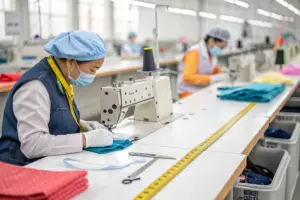
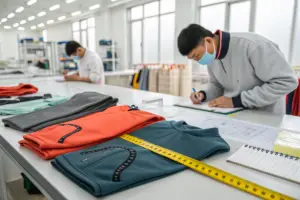
When we develop kids' wear at Shanghai Fumao, sourcing fabrics and trims that already meet Class I criteria is our first filter. This often means working with specialized yarns and dyes. For example, sourcing a vibrant, colorfast polyester for a kids' golf skirt that meets Class I limits requires partnership with top-tier mills, which we have vetted and integrated into our full-package manufacturing system.
Why Not Just Use Class II for Older Kids?
While legally permissible for older children, using the higher Class II limits introduces unnecessary risk and misses a key marketing opportunity. Parents shopping for a 10-year-old are equally concerned about safety. Marketing a product with the "baby-grade" Class I certification immediately communicates a superior level of care and safety, differentiating your brand in a competitive market. It future-proofs your product against increasingly stringent consumer safety regulations.
Mitigating Brand Risk and Building Unshakeable Trust
In the children's product sector, a single safety incident can destroy a brand overnight. OEKO-TEX Class I certification is your most robust risk management tool. It shifts the burden of proof for chemical safety from your brand's claims to an independent, internationally accredited laboratory.
This is crucial for managing relationships with retailers. Major distributors and retail chains have incredibly strict product compliance mandates for children's goods. Presenting a valid OEKO-TEX Class I certificate often satisfies the core of their chemical safety requirements, drastically simplifying the onboarding process and preventing costly delays. It turns a potential barrier into a passkey.
How Does This Address the "Falsified Certificate" Pain Point?
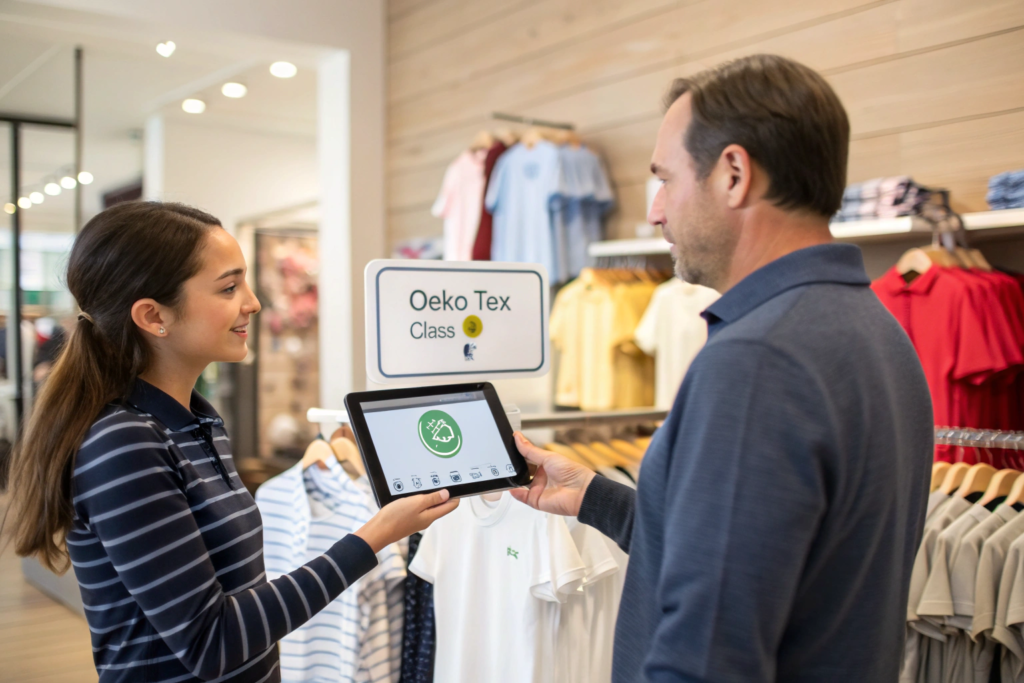
The fear of supplier fraud is acute. The OEKO-TEX system mitigates this through its transparent database. Every certificate has a unique number that you, your retailers, and even consumers can verify on the OEKO-TEX website. This public verifiability makes fraud much more difficult and provides you with a simple tool to audit your own supply chain. For a brand we partnered with last year, this verification step caught a discrepancy where a trim supplier's claimed certificate had expired, allowing us to source a compliant alternative before production began.
What is the Impact on Liability and Insurance?
Using a globally recognized, science-based standard demonstrates due diligence. In the unfortunate event of a product safety inquiry, having OEKO-TEX Class I certification provides documented evidence that you took every reasonable step to ensure safety. This can be critically important for liability protection and may even influence product liability insurance premiums. It shows a systematic approach to quality assurance.
Streamlining Sourcing and Production for Kids' Lines
Sourcing for children's apparel is famously complex due to these heightened safety standards. Attempting to manage this by piecing together components from various uncertified suppliers is a recipe for disaster and delay.
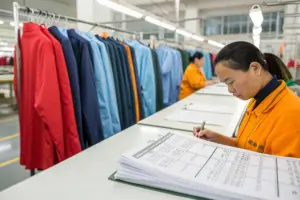
The most efficient strategy is to partner with a manufacturer that specializes in certified children's wear and operates with a "Class I by default" mindset for all kids' products. Such a manufacturer will have a curated supply chain of fabric mills, trim suppliers, and dye houses that already produce to Class I standards. This turns the certification from a recurring project into a baked-in process.
What Should You Ask a Potential Manufacturer?
Go beyond asking if they "can do" OEKO-TEX. Ask these specific questions:
- "Do you have existing, in-stock fabrics that are pre-certified to OEKO-TEX Class I?"
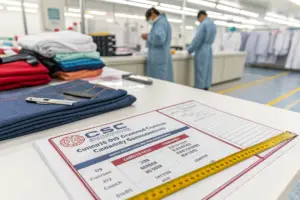
- "Can you provide examples of Class I certificates for finished children's garments you have produced in the last 6 months?"
- "What is your process for ensuring that all sub-suppliers (for zippers, prints, elastics) comply with Class I limits?"
- "Is your facility itself OEKO-TEX STeP certified, demonstrating responsible production processes?"
A manufacturer like Shanghai Fumao, with active STeP certification and a dedicated kids' wear division, can answer "yes" to all these questions, significantly de-risking and accelerating your product development.
How Does This Affect Timelines and Cost?
There is a cost premium for Class I materials and testing, but it is an investment in brand integrity and marketability. A specialized manufacturer absorbs much of the complexity, offering you a clear, all-in cost through a DDP model. While the initial development might take slightly longer to ensure all components are certified, the overall production timeline becomes more reliable because the risk of last-minute material rejections is eliminated. This directly prevents delayed shipments and missed selling seasons—a core pain point for any brand.
The Marketing Advantage: Beyond Compliance to Connection
Finally, OEKO-TEX Class I is not just a compliance certificate; it is one of your most powerful marketing tools. It gives you a credible, third-party story to tell.
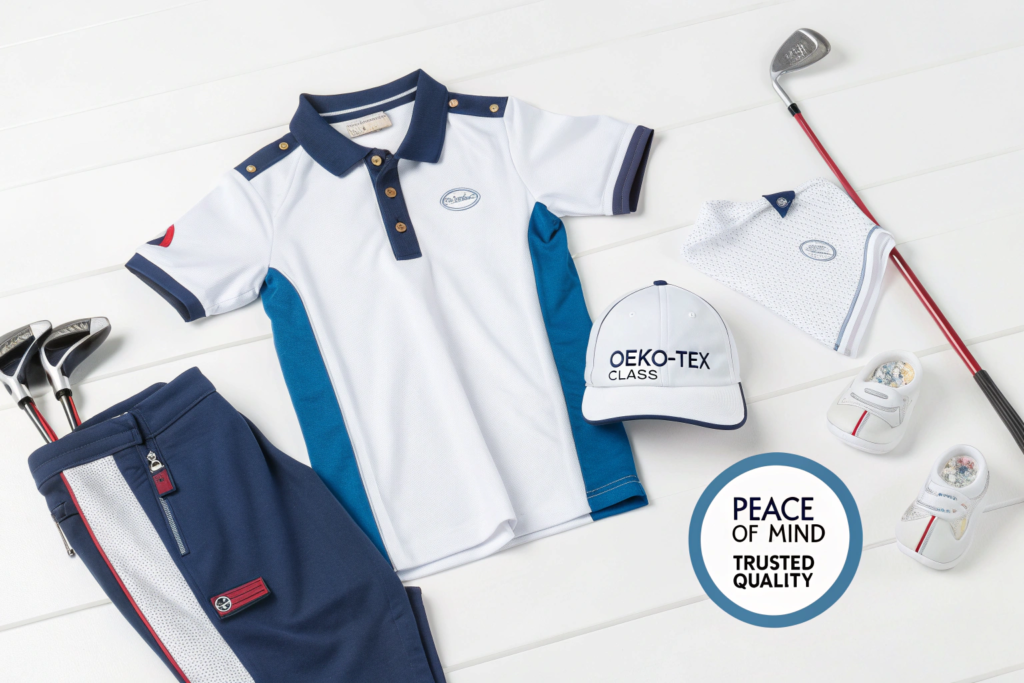
You can communicate this in a way that resonates emotionally with parents: "So safe, it meets the strictest baby-wear standards in the world." This claim is supported by science, not just sentiment. It allows you to connect on values, building brand loyalty that transcends seasonal trends. Highlighting the certification on hang tags, in product descriptions, and in marketing materials provides a tangible reason for parents to choose your brand over a non-certified competitor.
How to Integrate This into Your Brand Story?
Weave the certification into your brand's narrative about care, performance, and responsibility. For instance: "Designed for future champions, our kids' collection is crafted with fabrics certified to the global OEKO-TEX Standard 100 Class I—the highest safety rating for harmful substances—so kids can focus on the game, and parents can focus on the fun." This aligns safety with performance, a key message for activewear.
Conclusion
For children's golf apparel, OEKO-TEX Standard 100 Class I is not an optional upgrade; it is the essential benchmark for safety, risk management, and market credibility. It provides the stringent scientific validation that parents seek, the compliance simplicity that retailers require, and the supply chain clarity that brands need to operate with confidence. Choosing to certify to this highest grade is a clear statement about your brand's priorities and commitment to its youngest customers.
Making this commitment requires a manufacturing partner who understands the standard inside and out. At Shanghai Fumao, our dedicated children's wear production line is built around OEKO-TEX Class I compliance. From fabric library to final stitch, we ensure every garment meets this gold standard. Let us help you build a kids' golf line that is as safe as it is successful. Contact our Business Director Elaine at elaine@fumaoclothing.com to begin developing your certified collection.