You’re ready to launch a new line of high-performance golf apparel. You’ve found a fabric that feels great and promises moisture-wicking magic. But in today’s market, feel and function aren’t enough. The real question is: how do you verify the unseen safety and integrity of that fabric? Without asking the right questions upfront, you risk product failures, rejected shipments, and brand damage.
Golf brand owners must ask specific, technical questions about the scope, validity, and testing behind fabric certifications to ensure they are genuine, comprehensive, and aligned with their product’s end-use. Simply having a “certificate” is meaningless without understanding what it covers, how recent it is, and who stands behind it. This due diligence is your primary defense against risk.
This isn’t about distrust; it’s about professional sourcing. Here are the critical questions you must ask your supplier, broken down to protect your brand and streamline your quality control.
1. Is This Certification for the Exact Fabric I Am Buying?
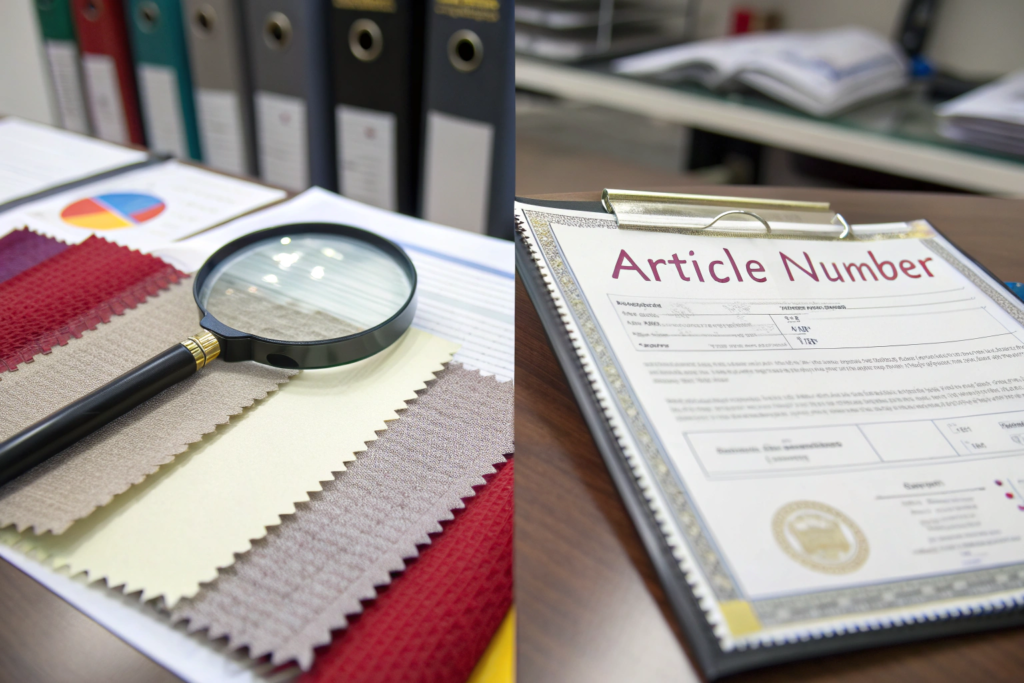
This is the most crucial question. A supplier may show you a certificate, but it must be for the specific fabric article (with a unique article number or composition) you are purchasing, not a similar one from two years ago. Certifications are not transferable between different materials or production batches.
Always request the full test report or certificate that includes the precise article description, composition, and color. Then, verify its authenticity. For major standards like OEKO-TEX®, you can check the certificate number in their public database. For a client last season, a supplier presented a valid certificate, but upon checking, we found it was for a 95% polyester fabric, while the sample they sent was 88% polyester with 12% spandex—a completely different and uncertified article. Catching this saved the brand from a major compliance failure.
How Can I Verify the Certificate is Authentic and Current?
- Use Official Databases: For OEKO-TEX, GRS (Global Recycled Standard), or Bluesign®, use the official online verification tools. Input the certificate number and supplier name.
- Check the Issue and Validity Dates: Certificates typically have an issue date and are valid for one year for a specific article. Ensure it was issued recently. A certificate from 2023 may not comply with 2025 substance regulations.
- Contact the Certification Body: In cases of doubt, you can reach out to the issuing institute (like Hohenstein for OEKO-TEX) to confirm the certificate’s status for that specific supplier and product.
This simple verification step directly addresses the pain point of suppliers occasionally falsifying certificates. It moves your quality control from assumption to evidence.
2. What Specific Standard and Class Does the Certification Cover?
Not all certifications are equal, and many have different “classes” based on product use. You must match the certification class to your product’s application. Using the wrong class is a critical error.
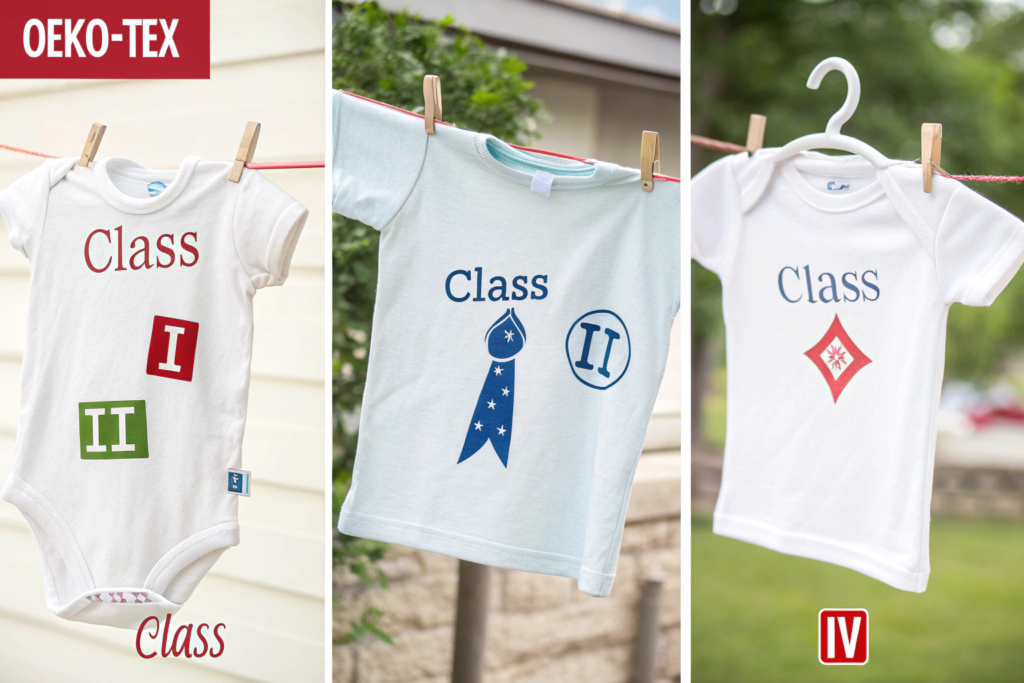
For example, OEKO-TEX STANDARD 100 has four product classes:
- Class I: Products for babies and toddlers (strictest limits).
- Class II: Products with direct skin contact (e.g., golf shirts, polos).
- Class III: Products with no or minimal skin contact (e.g., jackets, some outer layers).
- Class IV: Decoration materials.
A golf shirt must be certified to at least Class II. If your supplier only has a Class IV certificate for a decorative trim, that does not cover the main fabric. Always ask: “Can you confirm this fabric is certified for [OEKO-TEX Class II] / [the specific end-use]?” This precision is a hallmark of rigorous supply chain management.
Why Does the “Class” Matter for Performance Fabrics?
Performance fabrics often have chemical finishes for moisture-wicking, UV protection, or stretch. The permitted limits for certain substances are stricter in classes for closer skin contact. A fabric certified for a bag (likely Class IV) may use dyes or finishes that are not permitted for prolonged wear against skin. Insisting on the correct class ensures the chemical safety profile is appropriate for your customer.
Are There Other Relevant Standards for Golf Wear?
Beyond OEKO-TEX, ask about:
- Bluesign®: Focuses on sustainable textile production across the entire manufacturing process.
- GRS (Global Recycled Standard): For verifying recycled content.
- Specific Brand Regulations: If you are supplying to a large retailer, they may have their own restricted substances list (RSL).
Your fabric should be certified against the standards your brand and your target market value most.
3. Can You Provide the Full Test Report and RSL Compliance Statement?
The certificate is a summary. The detailed test report is the proof. A reputable supplier should be willing to share the lab test report (often with confidential data redacted) that shows the fabric passed all criteria for each regulated substance group.
More importantly, ask for the supplier’s Restricted Substances List (RSL) or their statement of compliance with your brand’s RSL. This document shows they are proactively managing chemical inputs, not just reacting to a once-a-year test. At Shanghai Fumao, we provide our clients with a comprehensive compliance dossier that includes test reports and our internal RSL, demonstrating our systematic approach to quality assurance. This transparency builds the trust needed for a long-term partnership.

What Should I Look for in a Test Report?
Look for:
- Testing Laboratory: It should be accredited (e.g., ISO/IEC 17025).
- Test Date: Should be recent relative to your production.
- Test Method: e.g., “STANDARD 100 by OEKO-TEX, edition 01/2025”.
- Results: A clear “PASS” for each substance category (e.g., pesticides, heavy metals, allergenic dyes).
How Does This Prevent Production Delays?
Requesting this before you approve the fabric for bulk production is key. If there’s an issue, you have time to find an alternative. Discovering a compliance failure at the pre-shipment inspection stage leads to delayed shipments and missed selling seasons. A 2023 case involved a golf skirt where the lab report revealed a non-compliant softening agent. We sourced a certified alternative fabric within a week, keeping the production timeline intact.
4. Who is the Certified Party, and What is Their Responsibility?
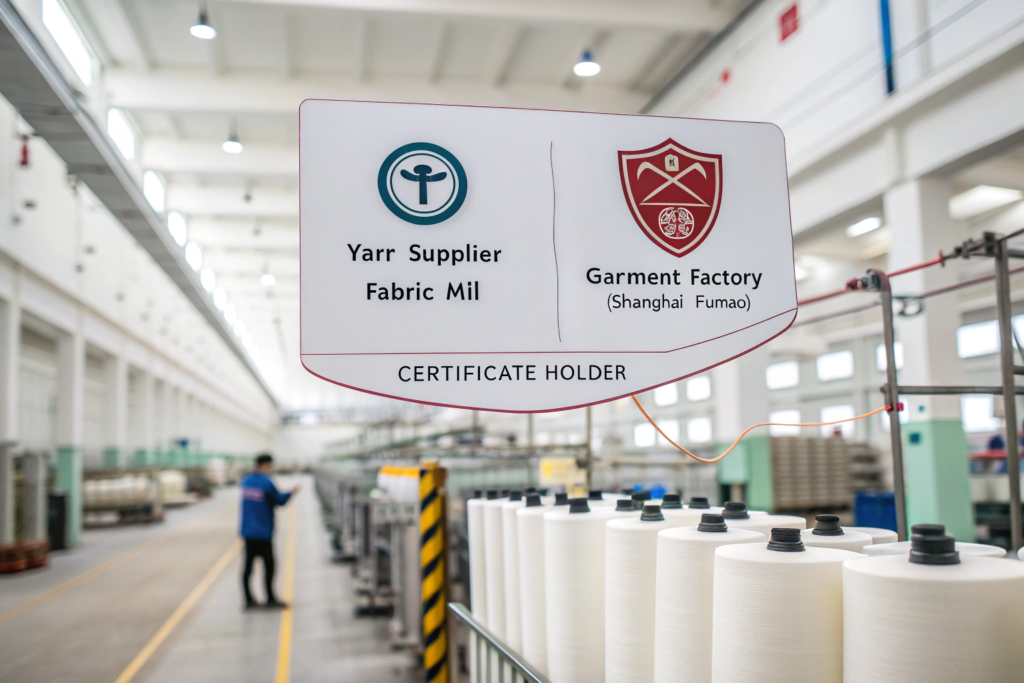
Understand the chain of certification. Is the certificate issued to the fabric mill, the yarn spinner, or the garment factory? The certified party is legally responsible for the product’s compliance. Ideally, your direct supplier—the garment manufacturer—should be the certified party for the finished garment. This gives you single-point accountability.
If the certificate is held by a distant fabric mill, your garment factory has less control and liability. Ask your manufacturer: “Are you the certificate holder for the finished garment under this standard, or are you relying on a sub-supplier’s certificate?” A top-tier full-package manufacturer like Fumao Clothing typically manages certification at the garment level, ensuring every component (fabric, thread, button, print) is covered and they bear the ultimate responsibility. This model is central to our promise of reliable delivery.
What is the Difference Between a Product Certificate and a System Certificate?
- Product Certificate (e.g., OEKO-TEX STANDARD 100): Certifies a specific product article. Held by the producer of that article.
- System Certificate (e.g., OEKO-TEX STeP): Certifies a factory’s environmentally friendly and socially responsible manufacturing processes.
The most robust partners hold both. Ask: “Do you have OEKO-TEX STeP certification for your facility?” This indicates a deeper commitment to responsible production beyond a single product test.
How Does This Affect Liability and Recalls?
In the event of a product safety issue, your legal recourse is strongest against the certificate holder. If your garment factory is the holder, your claim is direct. If they are relying on a mill’s certificate, you may face a complex, multi-party dispute. Simplifying this chain protects your business.
Conclusion
Asking these structured, detailed questions transforms you from a passive buyer into an informed partner. It shifts the conversation from price and lead time to value, risk management, and long-term reliability. Fabric certification is not a box to tick; it is a system to understand and verify. By demanding transparency and precise documentation, you safeguard your brand’s reputation, ensure timely market entry, and build a supply chain based on evidence, not promises.
Your sourcing success depends on partnering with a manufacturer that welcomes these questions and has the answers ready. At Shanghai Fumao, we expect and encourage these inquiries. We are prepared to provide full transparency on all certifications for our golf apparel, from fabric to finished garment. Contact our Business Director Elaine at elaine@fumaoclothing.com to start a conversation where every detail is clarified and every standard is met.