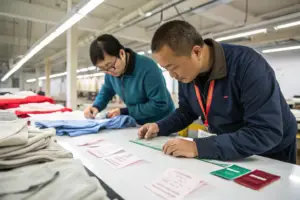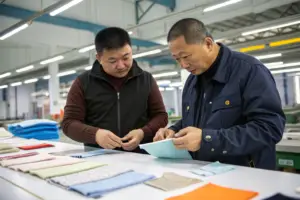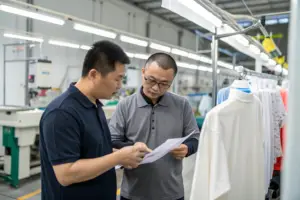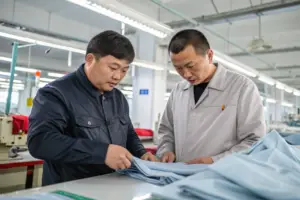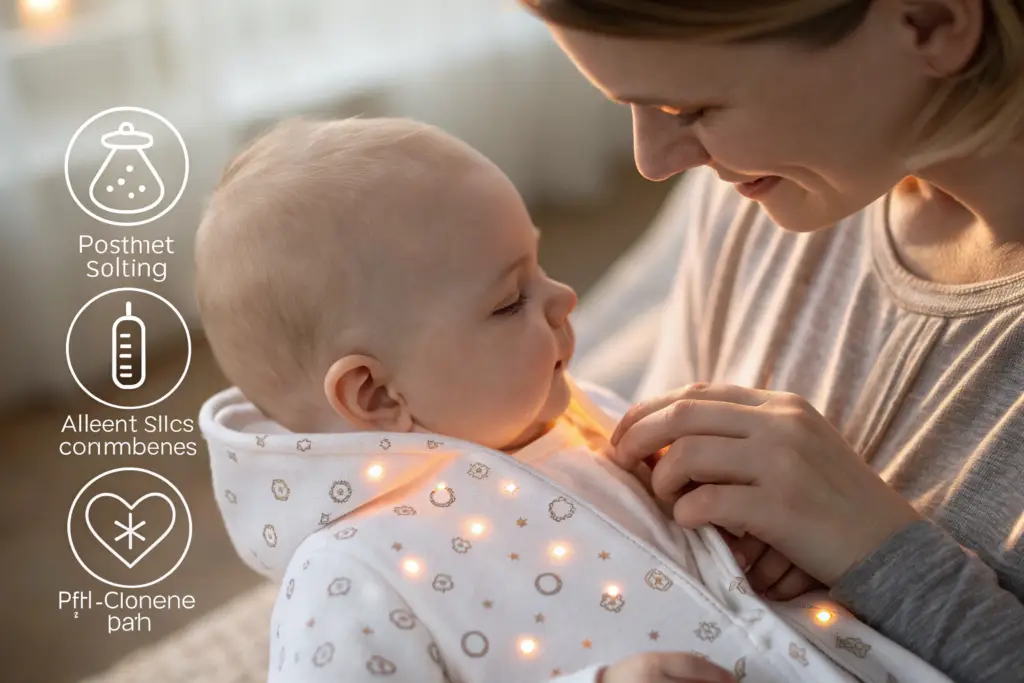
In 2021, we received a frantic call from a newly launched organic babywear brand in California. They had proudly sourced "GOTS-certified organic cotton" for their onesies, believing it was the gold standard for safety. However, a routine test by a major retail partner revealed traces of a formaldehyde-based resin in the fabric's "easy-care" finish—a substance strictly regulated but not fully covered by the organic standard. The entire shipment was rejected. The brand faced a devastating financial loss and a profound crisis of trust. Their oversight was assuming that "organic" equated to "chemically safe for a baby's skin." This experience underscores a vital industry truth: for baby clothing, OEKO-TEX STANDARD 100 is not just an optional certification; it is the critical, non-negotiable foundation of fabric procurement.
OEKO-TEX STANDARD 100 is critical for baby clothing fabric procurement because it is the only globally standardized system that specifically and comprehensively tests for harmful substances at levels safe for a baby's hyper-sensitive, developing body. It goes beyond material origin (like organic standards) to scrutinize every chemical used in processing, dyeing, and finishing, ensuring that the final textile poses no risk of skin irritation, allergic reaction, or toxic exposure through saliva or sweat.
While parents look for softness and cute designs, the real duty of care happens at the molecular level in the supply chain. Let's examine why this standard is the indispensable benchmark.
How Does a Baby's Physiology Demand the Strictest Standard?
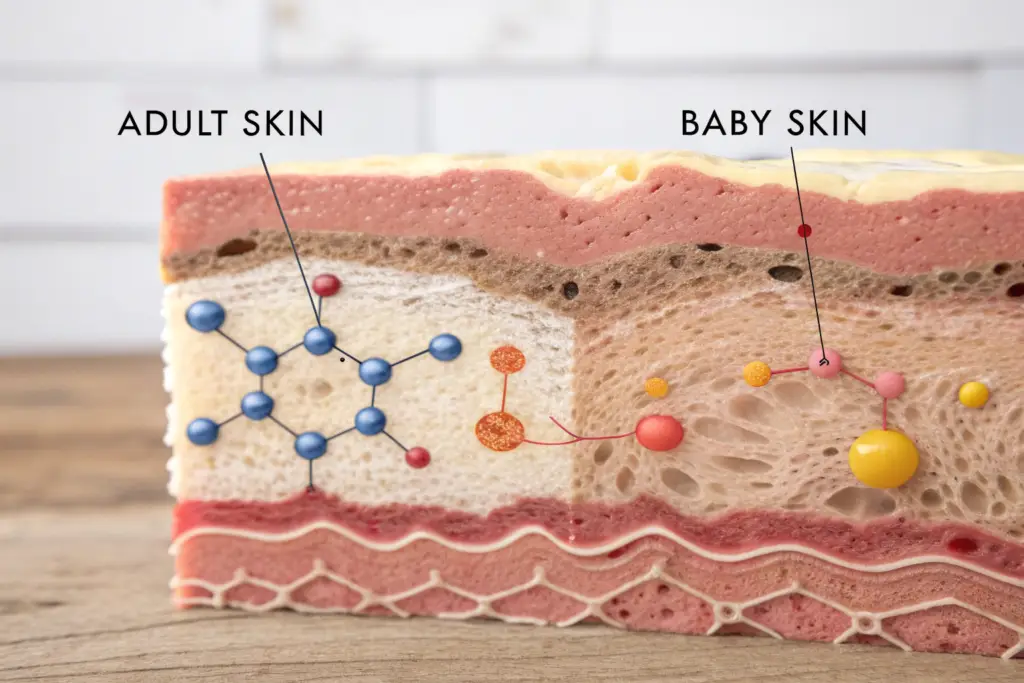
A newborn's and infant's body is not a small adult's. Their systems are underdeveloped and exceptionally vulnerable. The skin is their largest organ, and its barrier function is not fully mature, making it more permeable to substances.
A baby's physiology demands OEKO-TEX 100's Product Class I—the strictest category—because: 1) Skin Permeability: Baby skin is thinner and more absorbent, allowing chemicals to pass through more easily. 2) Detoxification Capacity: Their liver and kidneys are immature, less able to process and eliminate toxins. 3) Sweat & Saliva Exposure: Babies drool constantly and sweat; fabrics are in constant contact with these fluids, which can leach chemicals. 4) Sensitivity: They have a higher propensity for allergic reactions and skin irritations like dermatitis.
What specific tests in Class I address these risks?
OEKO-TEX 100 Class I includes unique and stricter tests: saliva and sweat resistance to simulate chewing and sweating, a stricter skin-neutral pH range, limits for formaldehyde and heavy metals that are up to 90% stricter than adult apparel, and a specific ban on certain carcinogenic and allergenic dyes. These directly address the ways babies interact with their clothing.
We audited a factory producing baby socks. They used a vibrant red dye that passed general safety tests (Class II). When tested for Class I, it failed due to the release of a tiny amount of a restricted aromatic amine under saliva simulation. For an adult sock, the risk was negligible. For a baby who might suck on their toes, it was unacceptable. This is why procuring fabric with a valid Class I certificate is paramount.
Why Isn't "Organic" or "Natural" Enough?
This is the most common and dangerous misconception. "Organic" refers to the agricultural method of growing cotton (without synthetic pesticides). It says nothing about the chemical safety of the dyes, bleaches, softeners, or finishes applied to that cotton during textile manufacturing.
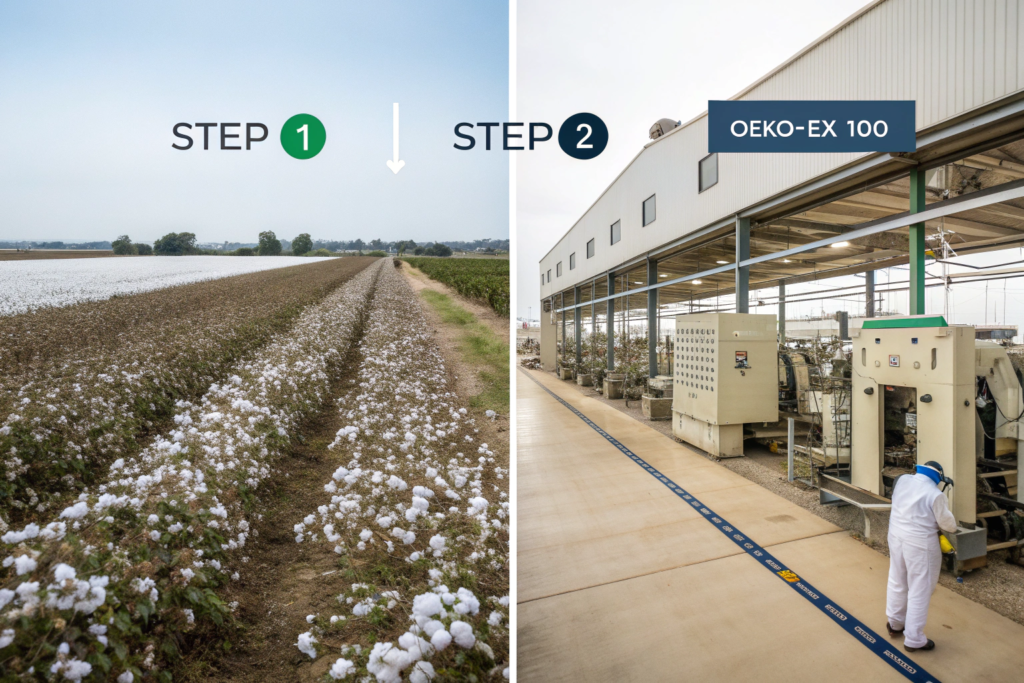
"Organic" is not enough because a fabric can be made from 100% organic cotton but then be dyed with heavy metal-based dyes, finished with formaldehyde resins, or treated with allergenic softeners. OEKO-TEX 100 fills this critical gap. It certifies the entire production process, from raw material to finished textile, ensuring that every chemical input—regardless of the fiber's origin—is safe for a baby.
How do procurement teams often get this wrong?
Teams often source based on a GOTS (Global Organic Textile Standard) certificate alone. While GOTS includes some environmental and social criteria, its chemical restrictions, though good, are a defined list. OEKO-TEX 100 is based on a scientific Restricted Substances List (RSL) that is updated annually with new research, making it more dynamic and comprehensive for human ecological safety. The safest procurement requires both GOTS (for organic integrity) and OEKO-TEX 100 Class I (for chemical safety).
What about "natural" dyes?
Even plant-based or mineral "natural" dyes are not inherently safe for babies. They can contain allergens or heavy metals. OEKO-TEX 100 tests the final product for these hazards, regardless of the dye's origin. It provides the objective safety verdict.
What Are the Legal and Retailer Compliance Implications?
Beyond moral duty, there is a stringent legal and commercial framework that makes OEKO-TEX 100 a de facto requirement.
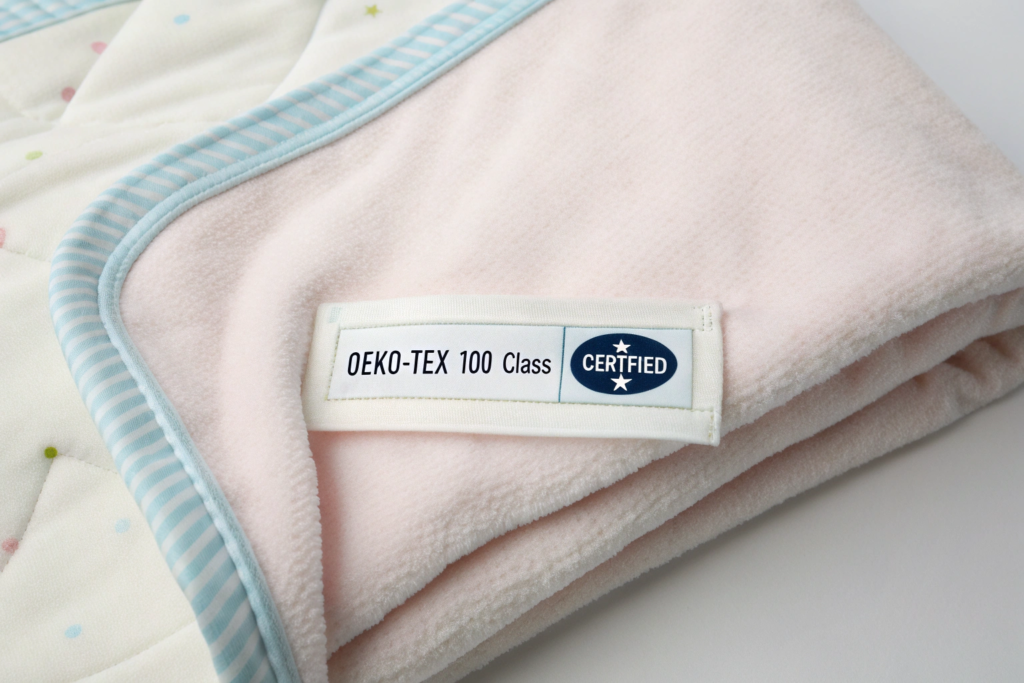
Legally, baby products are subject to the most stringent regulations worldwide, such as the U.S. Consumer Product Safety Improvement Act (CPSIA), which sets strict limits for lead and phthalates. OEKO-TEX 100 Class I compliance provides the most robust evidence of due diligence against these laws. Commercially, major retailers like Amazon, Walmart, and Carters now explicitly require or strongly prefer OEKO-TEX 100 certification for baby textile products, as it simplifies their liability and quality assurance.
| Requirement | Legal/Regulatory Driver | How OEKO-TEX 100 Class I Addresses It |
|---|---|---|
| Lead Content | CPSIA (USA) | Tests for and strictly limits extractable lead. |
| Phthalates | CPSIA, REACH (EU) | Restricts multiple phthalate compounds. |
| Formaldehyde | Various national laws | Sets the strictest limit (16 mg/kg). |
| Azo Dyes | EU REACH Annex XVII | Prohibits specific carcinogenic azo dyes. |
| General Safety | Retailer Terms & Conditions | Serves as accepted proof of product safety. |
What is the cost of non-compliance?
The cost is multi-faceted: Product Recalls (logistics, destruction, refunds), Regulatory Fines (from agencies like the CPSC), Retailer Chargebacks and delisting, and most damaging, Irreversible Brand Reputation Loss. For a baby brand, a single safety scandal can be fatal. The cost of OEKO-TEX 100 certification is a minor insurance premium against these existential risks.
How does this affect DDP (Delivered Duty Paid) shipments?
Under DDP terms, the exporter assumes responsibility for the product meeting import regulations. For baby clothing entering the U.S. or EU, customs may request proof of safety compliance. An OEKO-TEX 100 Class I certificate is a globally recognized document that can prevent costly delays or rejections at the border. At Shanghai Fumao, this certification is integral to our full-package production and DDP service for babywear, ensuring seamless delivery.
How Should Brands Integrate OEKO-TEX 100 into Their Procurement Workflow?
Procuring baby fabrics must be a systematized, verification-heavy process, not a hopeful assumption.
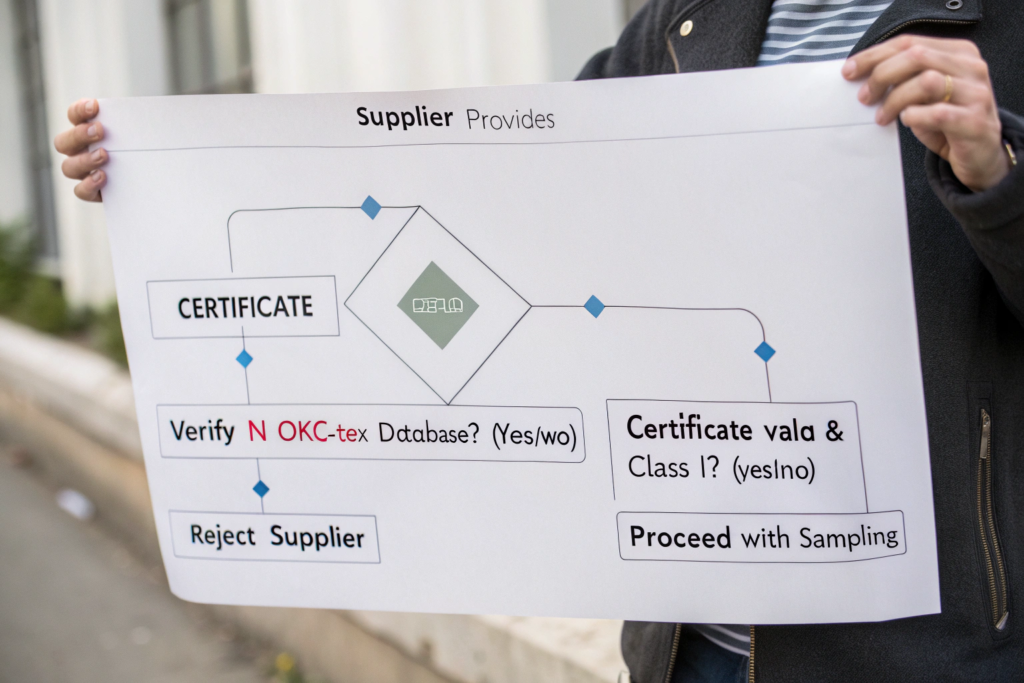
Brands must integrate OEKO-TEX 100 by: 1) Mandating it in Sourcing RFPs: State upfront that only fabrics with valid OEKO-TEX 100 Class I certificates will be considered. 2) Verifying Certificates Authentically: Use the OEKO-TEX online database to check the certificate number, ensuring it's valid, for Class I, and matches the supplier and fabric article. 3) Auditing the Garment Manufacturer: Ensure the factory has procedures to prevent contamination (e.g., using certified thread, labels, and elastics) and will obtain the finished garment certificate. 4) Conducting Random Batch Testing: Periodically test finished products from a third-party lab as a final safeguard.
What is the role of the garment manufacturer in this chain?
The manufacturer is the final gatekeeper. They must source all additional components with OEKO-TEX 100 Class I proof, manage production to prevent cross-contamination, and submit the finished baby garment for its own OEKO-TEX certificate. A factory like Shanghai Fumao, specializing in babywear, has these systems embedded in its quality assurance protocols.
Can you procure small batches of certified fabric?
Yes, but it requires working with a manufacturer that has a Certified Component Library. They stock pre-certified fabrics in various colors. Designing your baby collection from this library allows for small-batch production without the prohibitive cost and time of certifying a brand-new fabric from scratch. This is how we enable startups to launch safely.
Conclusion
OEKO-TEX STANDARD 100, particularly Product Class I, is the critical bedrock of ethical and responsible baby clothing fabric procurement. It is the scientific answer to the unique vulnerabilities of a child's first layers. It transcends marketing claims like "organic" or "natural" to deliver verifiable, molecular-level safety.
For brands, prioritizing this certification is the most concrete expression of their commitment to their smallest customers. It is a necessary investment in product integrity, supply chain transparency, and long-term brand trust. In the sensitive world of baby products, there is no room for compromise.
At Shanghai Fumao, we build our babywear production on this uncompromising foundation. Our full-package production is designed to deliver the assurance of OEKO-TEX 100 from the first fiber to the final stitch. If you are building a brand that puts safety at its heart, contact our Business Director, Elaine, at elaine@fumaoclothing.com. Let's create clothing that protects as gently as it embraces.