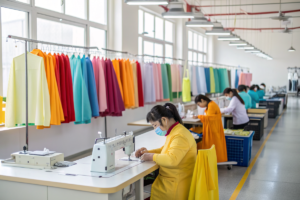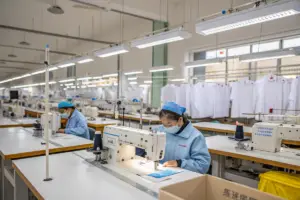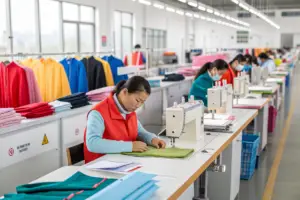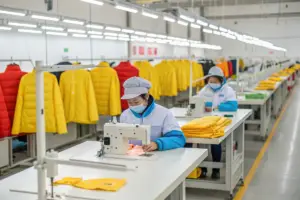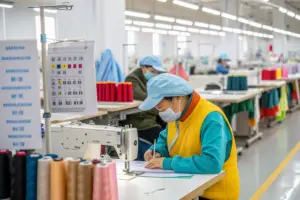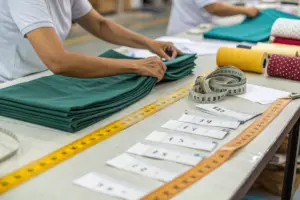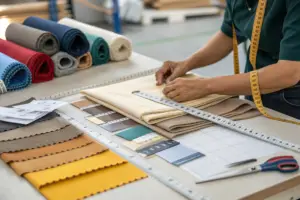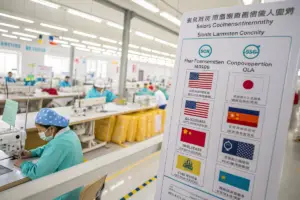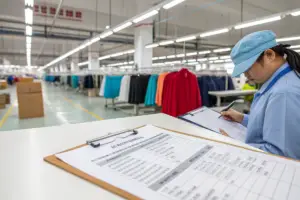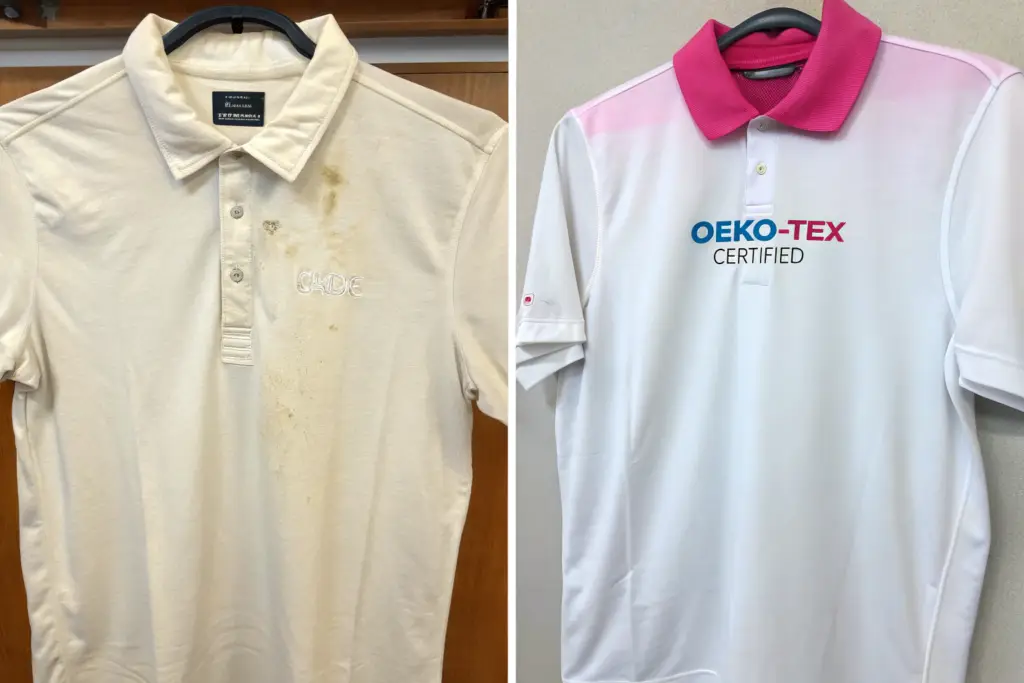
A brand we worked with launched two seemingly identical golf polos: one made with a conventional moisture-wicking polyester, and another with an OEKO-TEX Class 1 certified version. After one season, the data from their customer feedback was telling. The conventional polo had a 15% higher return rate, with complaints centered on "fabric pilling," "color fading after 10 washes," and "the collar losing its shape." The certified polo, while 22% more expensive upfront, had overwhelmingly positive reviews mentioning "still looks new" and "holds its shape." The brand was puzzled. They had assumed certification was only about chemical safety, not physical longevity. The truth revealed by our fabric analysis was profound: the certified fabric's compliance forced the mill to use higher-quality, purer dyes and more stable finishing chemistry, which inadvertently resulted in superior colorfastness and fiber integrity. The certification didn't just make it safer; it made it better.
OEKO-TEX certification can positively impact the durability of golf knitwear because the chemical restrictions often eliminate cheap, low-quality dyes and unstable finishing agents that degrade fabric performance over time. By mandating the use of more stable, compliant chemistry, the certification process frequently results in fabrics with better colorfastness, reduced pilling propensity, and more resilient fiber structure, leading to a garment that retains its look and function longer.
This counterintuitive link between safety and durability is a hidden value driver. Let's dissect the chemistry and construction factors at play.
How Do Restricted Chemicals Affect Fabric Degradation?
Many chemicals restricted by OEKO-TEX are not only harmful but also chemically unstable. Their breakdown over time or under stress (washing, UV exposure, friction) directly accelerates fabric wear.
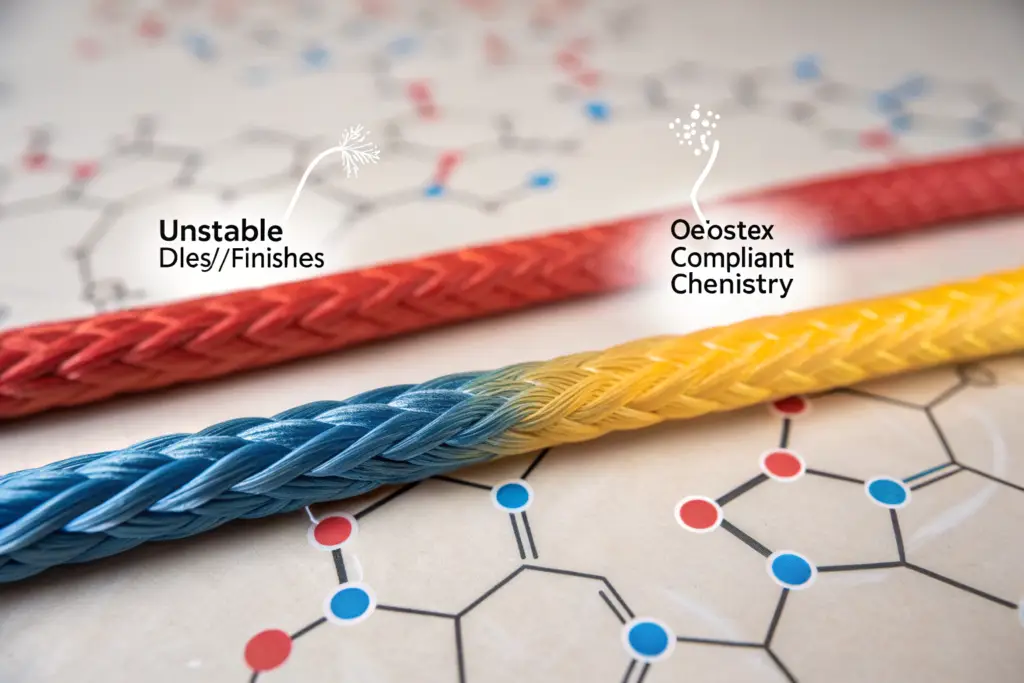
Restricted chemicals like certain heavy metal complex dyes, formaldehyde-based resins, and cheap plasticizers can catalyze fiber degradation. For example, some metal-complex dyes can weaken polyester fibers when exposed to UV light, leading to brittleness and color shift. Formaldehyde releases from resins can make cotton fibers more brittle. By banning these, OEKO-TEX indirectly mandates the use of more robust and colorfast dye systems and finishing agents that do not compromise the textile's physical integrity.
Can you provide a specific technical example?
Consider pilling in polyester knitwear. Pilling occurs when short fibers work loose from the yarn surface and tangle. Some low-cost "softening" or anti-static finishes used in conventional fabrics can lubricate fibers excessively, making them easier to pull out. OEKO-TEX restricts many of these finishes due to their chemical composition (e.g., certain alkylphenol ethoxylates). Mills producing certified fabrics often use alternative, more mechanically stable finishes or achieve softness through yarn engineering (like finer denier or twist), resulting in a surface less prone to pilling.
How does this relate to color retention?
Heavy metals like chromium or cobalt used in some dyes are excellent for creating vibrant, wash-fast colors but are heavily restricted by OEKO-TEX. To achieve similar vibrancy and fastness without them, mills must use higher-quality, more sophisticated dye molecules and better dyeing processes (like higher temperature or pressure for better fixation). This often results in colors that are not only safe but also more resistant to fading from washing and sunlight—a key durability factor for white and bright golf apparel.
Does Certification Influence Yarn and Knit Construction Quality?
The pursuit of certification often filters suppliers. Mills willing to invest in OEKO-TEX compliance are typically more quality-oriented in general, leading to better base materials.
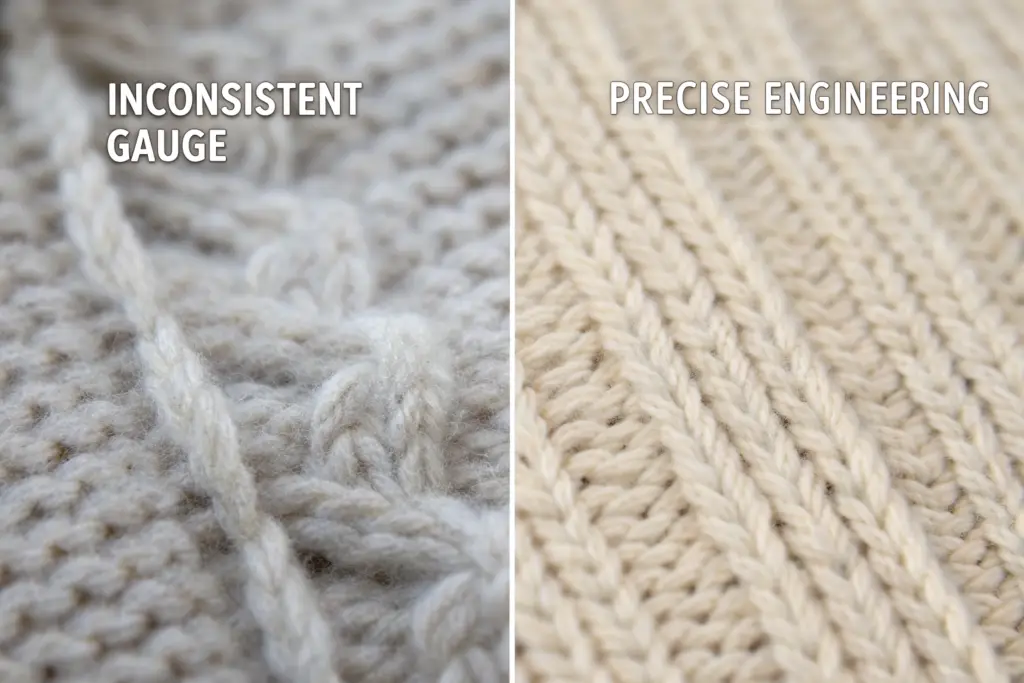
While OEKO-TEX doesn't specify yarn count or knit density, the mills that consistently produce certifiable fabrics often operate at a higher tier. They are more likely to use: 1) Higher Tenacity Yarns: Yarns with greater strength, reducing snapage and pilling. 2) Tighter, More Consistent Knit Construction: For better recovery and shape retention. 3) Superior Fiber Blends: Such as long-staple cotton or high-quality polyester, which are inherently more durable and easier to certify due to fewer processing contaminants.
Is there a correlation between certification and fiber source?
Yes, especially for natural fibers. To pass OEKO-TEX pesticide residue tests for cotton, mills must source from farms with better agricultural practices. This cotton is often of a higher grade (longer staple length), which spins into stronger, smoother yarns that pill less and hold color better. Thus, the certification requirement pushes the supply chain upstream toward better raw materials.
How does this impact full-package production at Shanghai Fumao?
Our sourcing strategy for OEKO-TEX knitwear deliberately partners with these higher-tier mills. We don't just buy "certified fabric"; we buy from mills known for their engineering quality, who also happen to certify their products. This means the knitwear we produce for clients starts with a superior base fabric that is both safe and inherently more durable. It's a bundled value proposition.
How Do Compliant Finishes Compare in Performance and Longevity?
The finishes applied to knitwear—moisture-wicking, anti-odor, stretch recovery—are where chemistry meets performance. The OEKO-TEX standard forces innovation in this area.
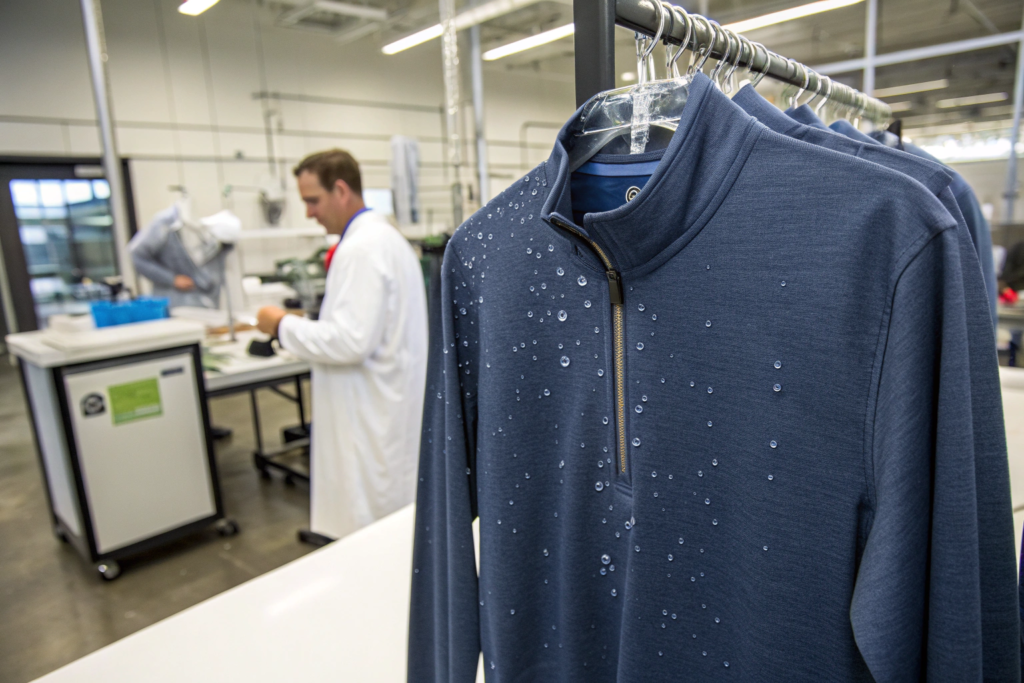
Compliant finishes must achieve performance goals without banned substances. This drives the development of next-generation chemistries that are often more durable. For instance, PFAS-free DWR (durable water repellent) finishes for golf sweaters now use cross-linking polymer technology that bonds more permanently to fibers, maintaining water repellency longer through washes compared to some older, non-compliant coatings that washed out quickly.
| Performance Feature | Conventional (Potentially Non-Compliant) Approach | OEKO-TEX Compliant Innovation | Durability Impact |
|---|---|---|---|
| Moisture-Wicking | Standard hydrophilic finish. | Advanced polymer grafting or fiber channel engineering. | More wash-resistant wicking action. |
| Anti-Odor | Silver salts or triclosan (restricted). | Zinc-based or plant-extract technologies. | Often more heat-stable, lasting through washes. |
| Stretch & Recovery | Plasticizers in elastane. | Improved polyurethane polymer design. | Better long-term recovery, less sagging. |
What about the durability of prints and transfers?
OEKO-TEX restricts phthalates (plasticizers) often used in plastisol prints and PVC transfers. Compliant printing inks and transfers use alternative plasticizers or different chemistries (like water-based inks or polyurethane transfers). These alternatives can be more flexible and crack-resistant over time, meaning logos and designs stay intact longer without peeling or fading.
How Can Brands Validate Durability Claims Alongside Certification?
Marketing "long-lasting and safe" is powerful, but it requires proof. Brands need to couple the OEKO-TEX certificate with standard durability test reports.
Validate durability by requesting and publishing standard ISO or AATCC test reports from your supplier for the certified fabrics. Key tests include: 1) Colorfastness to Washing (ISO 105-C06): Measures color loss. 2) Pilling Resistance (ISO 12945-2 Martindale): Rates fabric's tendency to form pills. 3) Dimensional Stability (ISO 5077): Measures shrinkage. 4) Tensile Strength (ISO 13934-1): Measures fabric strength. A high-quality OEKO-TEX certified fabric will excel in these tests, providing a complete story of value.
How does Shanghai Fumao provide this validation?
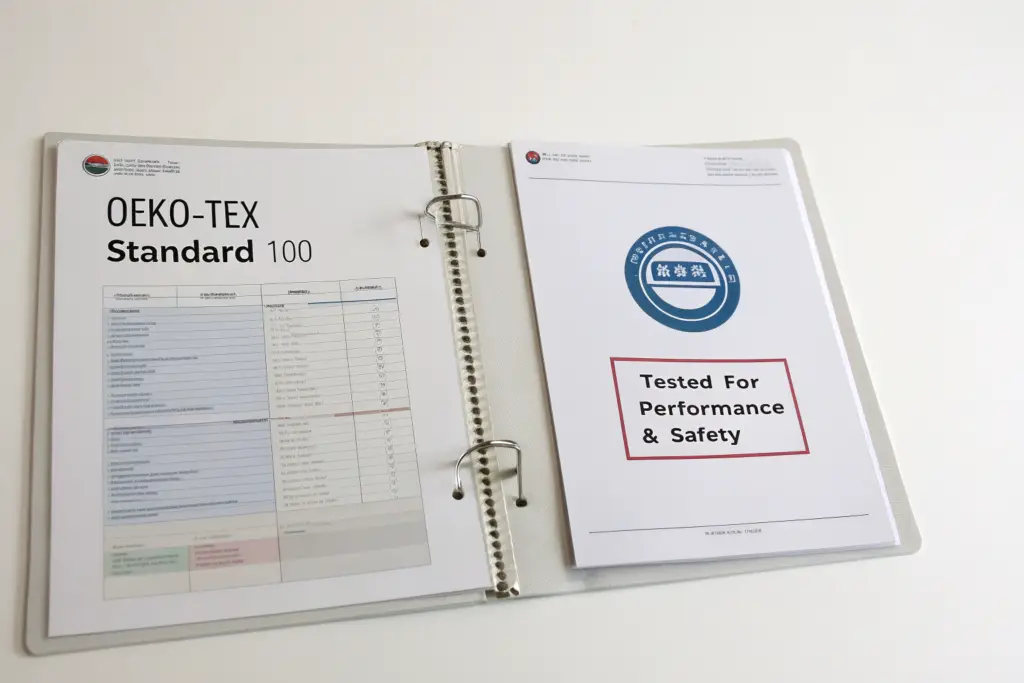
For our clients, we provide a Technical Dossier that includes not only the OEKO-TEX certificate but also the mill's performance test reports for the specific fabric lot. We can also facilitate third-party testing for clients who want an extra layer of assurance. This holistic documentation allows brands to confidently market both the safety and the longevity of their product.
What is the long-term cost-per-wear implication?
This is the ultimate metric. A $50 non-certified polo that pills and fades after 15 wears has a cost-per-wear of $3.33. A $65 OEKO-TEX certified polo that maintains its appearance for 40+ wears has a cost-per-wear of $1.63. The certified garment, while more expensive upfront, offers significantly better value over its lifespan and enhances customer satisfaction and brand perception.
Conclusion
OEKO-TEX certification's impact on golf knitwear durability is a powerful, often overlooked synergy. It acts as a quality filter, eliminating cheap, degrading chemistries and incentivizing the use of more stable, high-performance alternatives. The result is a product that is not only safer for the skin and the environment but also more resilient, colorfast, and long-lasting.
For brands, this means certification is not a cost center but a value multiplier. It justifies a higher price point with tangible benefits beyond safety: superior performance and extended garment life. For manufacturers, it demands a commitment to sourcing from advanced mills and understanding the integral link between chemistry and construction.
At Shanghai Fumao, we leverage this synergy in our full-package production of golf knitwear. We source certified fabrics that are engineered for durability, providing our clients with products that deliver on every promise: safety, performance, and longevity. If you want to build a line where quality is certified from molecule to stitch, contact our Business Director, Elaine, at elaine@fumaoclothing.com. Let's create knitwear that endures as well as it performs.