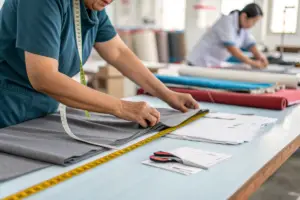
A few seasons ago, a boutique women's golf brand faced a crisis. Their new line of performance skirts was selling well, until a cluster of customers reported severe skin rashes on their thighs after wearing them during hot, humid rounds. The brand initially blamed "chafing," but the pattern was too specific. They sent the skirts for emergency testing. The results were shocking: the fabric's moisture-wicking treatment contained a formaldehyde-based resin that, when activated by sweat and friction, released levels of the chemical that exceeded safety limits for direct skin contact. The skirts were pulled, the brand's reputation was tarnished, and a six-figure inventory was destroyed. The root cause? They had prioritized "technical performance" over "chemical safety," assuming that because the fabric felt high-tech, it was safe. This assumption is fundamentally flawed, especially for garments like golf shorts and skirts that are in constant, intimate contact with skin during physical activity.
Golf shorts and skirts must be OEKO-TEX certified for skin contact because the combination of sweat, friction, heat, and prolonged wear creates a high-risk environment for chemical leaching. These garments are worn directly against sensitive skin for 4-5 hours at a time, often in hot conditions. OEKO-TEX certification—particularly the strict Product Class I or II standards—guarantees the textile is free from harmful levels of allergens, irritants, and toxic substances that could be released under these exact conditions, preventing skin reactions and protecting brand integrity.
Unlike a jacket or outer layer, the risk with bottoms is direct, continuous, and intensified by movement. Let's break down the science and the business case for why this certification is non-negotiable.
How Do Sweat and Friction Amplify Chemical Exposure?
Golf is a game of walking, bending, and swinging. This motion creates constant, low-grade friction between the garment and the skin of the thighs, waist, and lower back. Combine this with sweat—a slightly acidic to alkaline solvent—and you have a perfect mechanism for drawing out (extracting) chemical residues from the fabric.
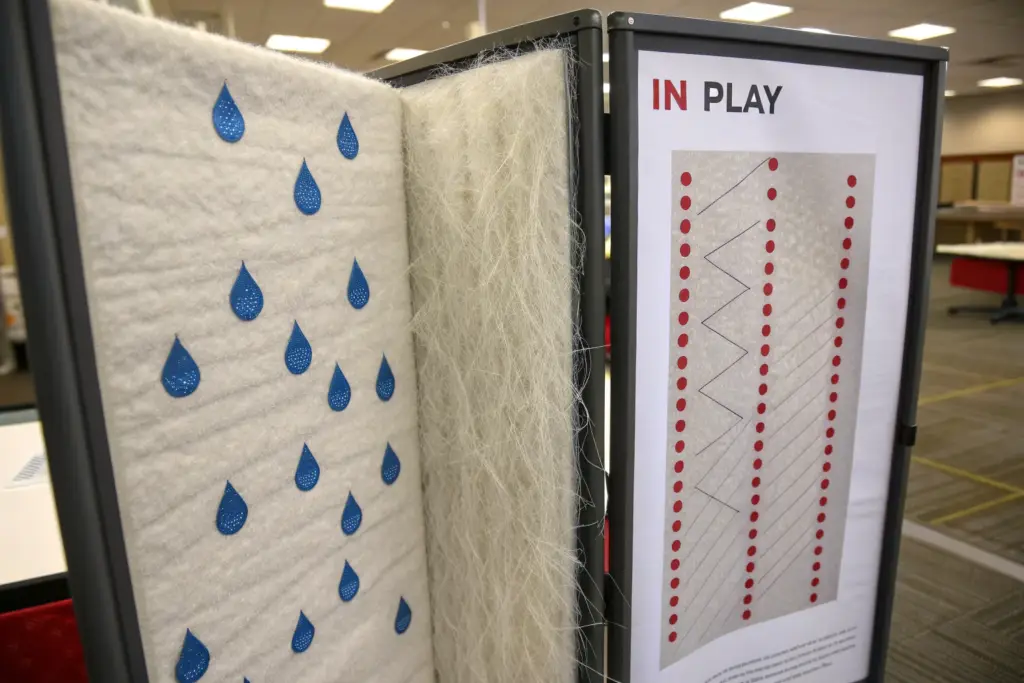
Sweat and friction act synergistically to amplify chemical exposure. Friction microscopically abrades fabric fibers and heats the skin's surface, while sweat dissolves and transports chemical residues. This dynamic duo can extract substances like formaldehyde (from wrinkle-resistant finishes), heavy metals (from certain dyes), or allergenic dispersive dyes that would remain inert in a static, dry garment. OEKO-TEX tests specifically for this via "perspiration fastness" and "rubbing" tests under both acidic and alkaline conditions.
What specific chemicals are most concerning in this context?
For bottoms, the risk profile is distinct. Formaldehyde & other N-Methylol compounds used in "easy-care" finishes are known skin sensitizers. Allergenic Disperse Dyes used to color polyester can cause textile dermatitis. Heavy Metals like nickel from dyes are common allergens. Pesticide Residues can remain in natural fibers. OEKO-TEX STANDARD 100 sets extremely low limits for all these substances, with Class I (babies) being the strictest. Using Class I as a benchmark for golf wear is a powerful safety statement.
We were developing a line of polyester-blend golf skirts for a client. The mill presented a fabric with excellent stretch recovery and a "permanent press" finish. Our pre-production OEKO-TEX screening test revealed formaldehyde levels that passed Class II but were borderline for the more sensitive Class I. Given the garment's use, we insisted the mill reformulate the finish. The new, compliant finish performed identically in terms of wrinkle resistance but guaranteed safety. This proactive step, part of our product development process at Shanghai Fumao, prevented a potential health issue and a brand disaster.
Why Is "Comfort" More Than Just Fit and Stretch?
In golf apparel marketing, "comfort" is almost always discussed in terms of four-way stretch, breathability, and lightweight feel. However, the most profound discomfort—chemical irritation—is invisible until it's too late. True comfort is the absence of negative stimuli, including biochemical ones.
True comfort is biochemically neutral. An uncertified garment can feel soft and stretchy but may harbor chemical agents that cause itching, redness, or rashes after hours of wear. OEKO-TEX certification provides the foundational assurance of biochemical neutrality. It guarantees that the comfort you feel at the first try-on will persist throughout the round and over the garment's lifespan, because the fabric's chemistry is not working against the skin.

How does this impact customer loyalty and returns?
A customer who experiences skin irritation will not only return the product but will likely abandon the brand entirely and may share their negative experience online. This "silent return" reason is often masked as "fit issue." OEKO-TEX certification is a preventative measure that drastically reduces this risk, building long-term loyalty with customers who subconsciously associate your brand with reliable, irritation-free wear.
Can certification be a marketing point for comfort?
Absolutely. Brands can evolve their comfort message: "Our comfort engineering goes beyond stretch. We certify every fabric against harmful substances, so your skin feels nothing but comfort, round after round." This positions the brand as more sophisticated and caring than competitors who only talk about physical properties.
How Does This Relate to Performance Features Like Moisture-Wicking and UV Protection?
Many performance features are achieved through chemical treatments. Moisture-wicking often involves hydrophilic finishes. UV protection can involve chemical absorbers. These treatments are beneficial, but they must be safely anchored to the fabric.
OEKO-TEX certification ensures that performance-enhancing chemical treatments are safely bound and free from hazardous by-products. It verifies that the very technologies designed to protect and enhance the golfer's experience (like wicking away sweat or blocking UV rays) are not inadvertently introducing harmful substances into that same sweat or onto the skin.
What about elastane (spandex) in stretch fabrics?
Elastane is crucial for freedom of movement. Its production can involve chemicals like organotin catalysts, which are restricted. OEKO-TEX certification checks that any elastane used is free from these harmful residues. This is critical for the waistband and gusset areas of shorts and skirts, which are under the most tension and in closest contact.
How does Shanghai Fumao manage this in production?
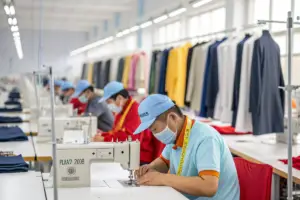
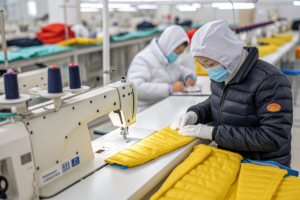
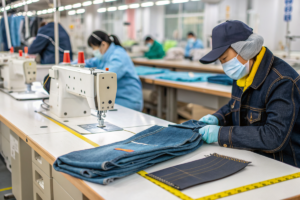
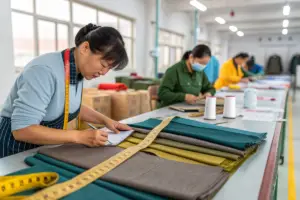
Our full-package production model includes vetting our performance fabric suppliers not just on technical specs, but on their ability to provide OEKO-TEX compliant chemistries. We maintain a library of pre-certified performance fabrics. When a client wants a moisture-wicking, UV-protective short, we source from this vetted library, ensuring the performance features are built on a safe foundation from the start.
What Is the Business and Regulatory Imperative?
Beyond skin health, there is a hard business case. Regulatory landscapes are tightening, and consumer awareness is shifting from passive to investigative.
The business imperative is threefold: 1) Risk Mitigation: Avoid costly recalls, lawsuits, and brand damage. 2) Market Access: Meet the escalating chemical compliance demands of major golf retailers and e-commerce platforms. 3) Consumer Trust: Build a defensible market position as a truly safe and transparent brand in an era of greenwashing skepticism.
| Risk | Without OEKO-TEX Certification | With OEKO-TEX Certification |
|---|---|---|
| Regulatory (e.g., CA Prop 65) | High risk of violation and liability. | Certificate serves as evidence of due diligence. |
| Retailer Compliance | May be rejected by discerning retailers. | Streamlines onboarding; a key selling point. |
| Consumer Backlash | Vulnerable to social media exposés. | Provides a verifiable, third-party defense. |
| Supply Chain Surprises | Hidden chemical failures can disrupt production. | Pre-screened materials ensure smooth DDP timelines. |

How does this simplify DDP (Delivered Duty Paid) logistics?
For a full-package manufacturer like Shanghai Fumao, OEKO-TEX certification of the finished garment is part of our quality passport. Under DDP terms, we are responsible for the product meeting import regulations. Having this globally recognized certificate significantly reduces the risk of customs delays or rejections due to safety concerns, ensuring your goods arrive on schedule.
What is the cost of inaction?
The cost of a potential recall, legal fees, and lost sales far outweighs the incremental cost of certification. For a premium golf short selling for $80, the certification cost per unit is minimal, but it is the ultimate insurance policy for your brand's most valuable asset: its reputation.
Conclusion
OEKO-TEX certification for golf shorts and skirts is not a luxury or a marketing add-on; it is a fundamental requirement for responsible product development in the 21st century. It addresses the unique physiological stresses of the sport, elevates the true meaning of comfort, safeguards performance claims, and provides critical business protection.
In a market where consumers are increasingly "voting with their wallets" for transparency and safety, this certification moves your product from being a commodity to being a trusted companion on the course. It signals that your brand understands that performance is holistic, encompassing both physical function and biochemical harmony with the wearer.
Partnering with a manufacturer that embeds this certification into its full-package production DNA is the most efficient and secure path to achieving this. At Shanghai Fumao, we don't just apply labels; we engineer safety from the fiber up. If you are ready to build a line of golf bottoms that players can trust with their skin, contact our Business Director, Elaine, at elaine@fumaoclothing.com. Let's create apparel that performs as flawlessly in its chemistry as it does in its design.