The question used to be a genuine dilemma. Three years ago, we worked with a brand that believed they had to choose: either a supremely waterproof, durable suit for extreme conditions, or a safer, "greener" one for casual resort wear. They developed two separate lines. The high-performance line used a legacy DWR with phenomenal results but contained PFAS. The "eco" line used a safer chemistry but leaked under heavy, wet snow. The market feedback was clear: their core customers wanted both. They didn't want to compromise safety for performance, or vice versa. This forced a complete R&D reset. Today, the answer is a definitive yes, but it requires a fundamental shift in how you approach material sourcing and product development.
Yes, you can absolutely achieve high performance and OEKO-TEX safety in ski suits. The breakthrough is no longer in choosing between them, but in sourcing next-generation materials and construction methods designed from the molecule up to meet both benchmarks. The myth of compromise is being dismantled by advanced fabric mills and forward-thinking manufacturers who integrate safety as a core performance parameter.
The key is understanding that "high performance" in the modern era is being redefined to include chemical safety and environmental responsibility. Let's explore how this is done.
What Are the Performance-Safety Trade-Offs, and How Are They Solved?
Historically, the trade-offs were real and centered on chemistry. The most effective durable water repellent (DWR) finishes used per- and polyfluoroalkyl substances (PFAS). They were incredibly durable and effective. The most robust waterproof membranes sometimes used solvents or plasticizers that could be restricted. The trade-off was seen as: unparalleled weather protection vs. chemical safety.
The primary historical trade-offs were between chemical-based ultra-durability and safety. These are now being solved through material science innovation: 1) PFAS-free DWR technologies using long-chain polymers or bio-based waxes, 2) Solvent-free waterproof lamination processes, and 3) High-tenacity recycled yarns that maintain durability without harmful antimony catalysts.
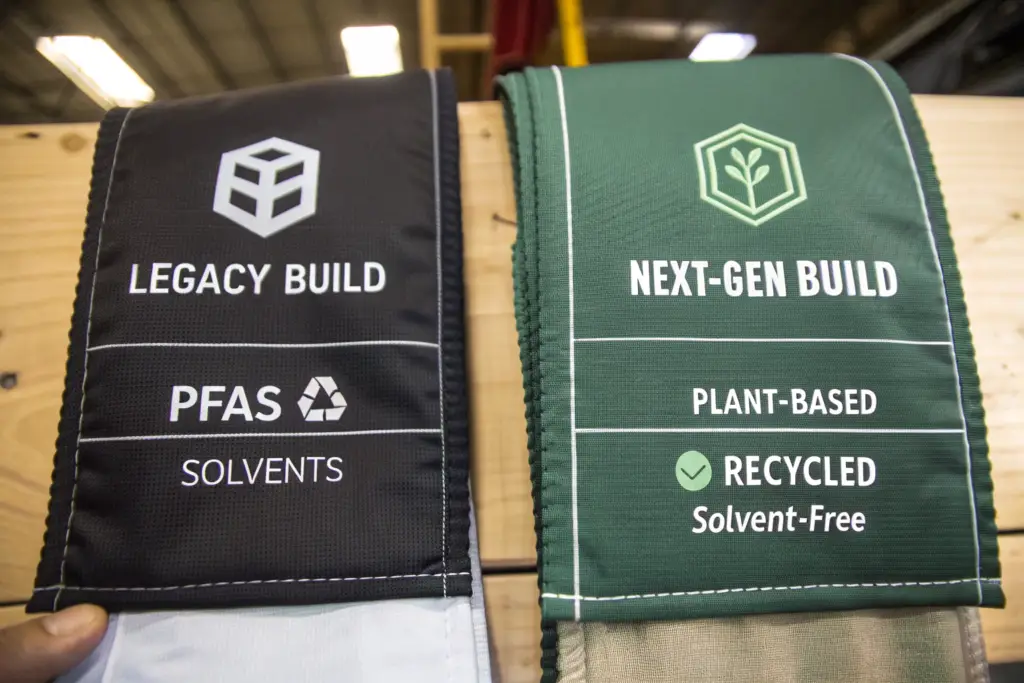
Is PFAS-free DWR truly as durable?
This was the biggest hurdle. Early PFAS-free finishes washed out quickly. The latest generations, however, are a leap forward. Technologies like branded solutions from leading chemical companies (e.g., based on dendrimer or siloxane chemistry) create a more permanent, cross-linked protective layer. While absolute longevity may vary slightly in lab abrasion tests against the toughest legacy PFAS, the difference in real-world use for a season is negligible for all but the most extreme professional users. For the vast majority of consumers, the performance is indistinguishable, and it comes with the guarantee of safety.
How does OEKO-TEX compliance affect waterproof ratings?
OEKO-TEX does not mandate a specific waterproof rating; it restricts harmful substances. Therefore, a fabric can have a 28,000mm waterproof rating and still be fully compliant if all chemicals used in the membrane and lamination meet the standard. The challenge is finding mills that have developed high-performance membranes (e.g., ePTFE or high-end PU) using compliant chemistry. These mills exist, and they are the partners for brands like those we work with at Shanghai Fumao. We have a curated list of such suppliers whose fabrics are pre-tested and perform to the highest benchmarks.
How Do Leading Material Innovations Enable This Dual Goal?
The convergence is being driven by R&D investment at the mill level. The driving force is no longer just outdoor brands, but also regulations in the EU and U.S. that are restricting PFAS and other substances. This regulatory pressure is accelerating innovation.
Leading innovations enabling both goals include: 1) Recycled, high-performance face fabrics with OEKO-TEX certification, 2) Plant-based or bio-derived waterproof membranes, 3) Non-PFAS DWR with enhanced durability through nano-structuring, and 4) Traceable, bluesign® approved material systems that ensure performance and safety from the start.
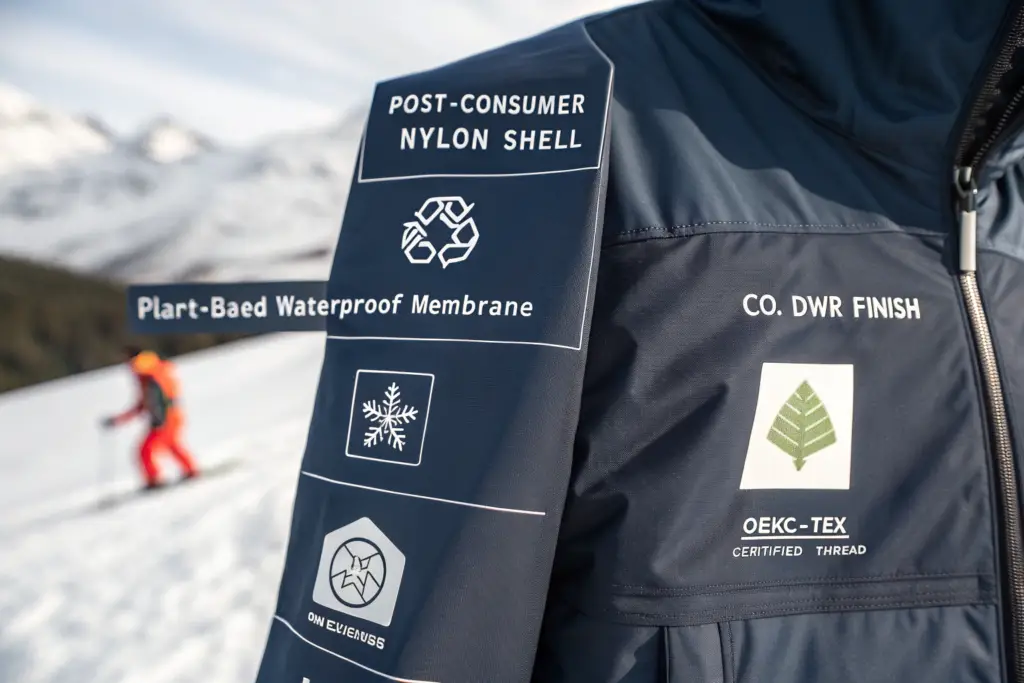
Can you give a real-world example of a fabric that does both?
A prominent example is a 3-layer fabric using a face fabric made from 100% recycled nylon (certified to the Global Recycled Standard (GRS)), laminated with a polyurethane membrane manufactured without organotin catalysts or chlorinated solvents, and finished with a leading-brand C0 (PFAS-free) DWR. This entire composite is submitted for and passes OEKO-TEX STANDARD 100 for Product Class II or III. It achieves waterproof ratings over 20,000mm, high breathability, and excellent durability, all while being safe and containing recycled content. We used this exact fabric for a client's freeride collection last year, and it has become their best-selling line.
How does this impact the full-package production process?
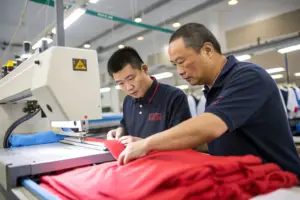
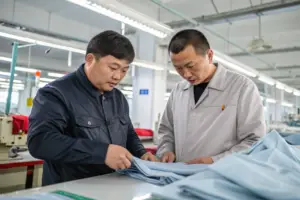
This shifts the manufacturer's role from passive assembler to active material integrator. For a full-package factory like Shanghai Fumao, it means we must have the technical expertise to understand these advanced material specs, the sourcing relationships to procure them, and the quality assurance protocols to ensure they are used correctly. We manage the certification of the final garment, ensuring that the high-performance zippers, tapes, and threads we add are also compliant, preserving the integrity of the mill's innovation.
What Does the Design and Construction Process Look Like for a High-Performance Safe Suit?
Designing for this dual goal requires intention from the first sketch. It's about more than just selecting a fancy fabric; it's about holistic construction that protects the fabric's performance and ensures no weak links break the safety chain.
The design and construction process must be collaborative and meticulous: 1) Start with a certified, high-performance base fabric. 2) Design patterns and seams that maximize weather protection (e.g., minimal seam usage in high-wear areas, strategic seam taping). 3) Select only OEKO-TEX certified trims (zippers, velcro, cordlocks). 4) Use thread and adhesives that are pre-approved. 5) Implement clean production processes to prevent cross-contamination.
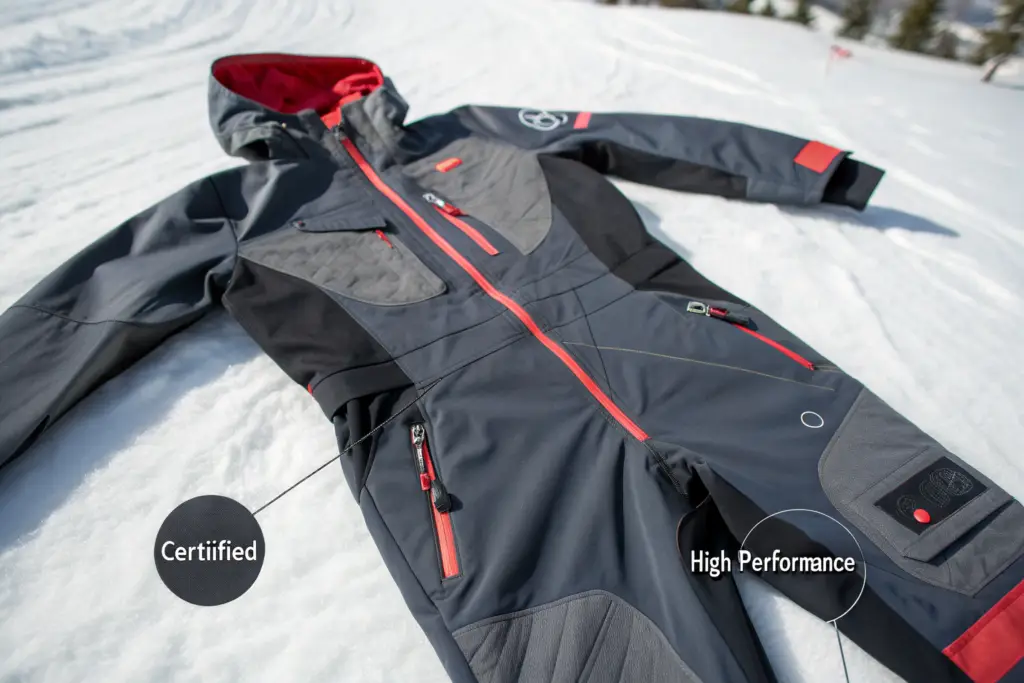
Why is seam construction critical?
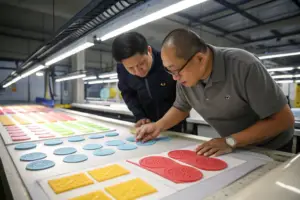
A suit can have a 28,000mm fabric, but if the seams are not properly sealed, water will ingress. For a certified suit, the seam tape must also be made from compliant adhesives. The design should minimize seams in critical areas like the shoulders and seat. Our pattern-making team works digitally to optimize panel layout for both performance and material efficiency, reducing waste and potential leak points.
How do you handle non-fabric components like insulation?
High-performance suits often use body-mapped insulation—different fills in different zones. Each type of insulation (whether synthetic like PrimaLoft® or natural like down) must have its own certification or test report. Furthermore, the process of quilting or bonding the insulation must not introduce non-compliant substances. We work with insulation suppliers who provide OEKO-TEX or RDS (Responsible Down Standard) certifications as part of their documentation, which we then incorporate into our final garment certification dossier.
How Do You Verify and Market This Dual Achievement to Consumers?
Having a high-performance, safe suit is one thing; proving it and communicating its value is another. In an era of skepticism, verification and transparent storytelling are key.
You verify and market this by: 1) Obtaining the OEKO-TEX STANDARD 100 certificate for the finished suit (not just components). 2) Supplementing with performance test reports (waterproof, breathability, abrasion). 3) Using clear, dual-focused marketing language: "Uncompromised Performance, Verified Safety." 4) Providing easy access to certification verification (e.g., QR code on hangtag linking to the certificate database).
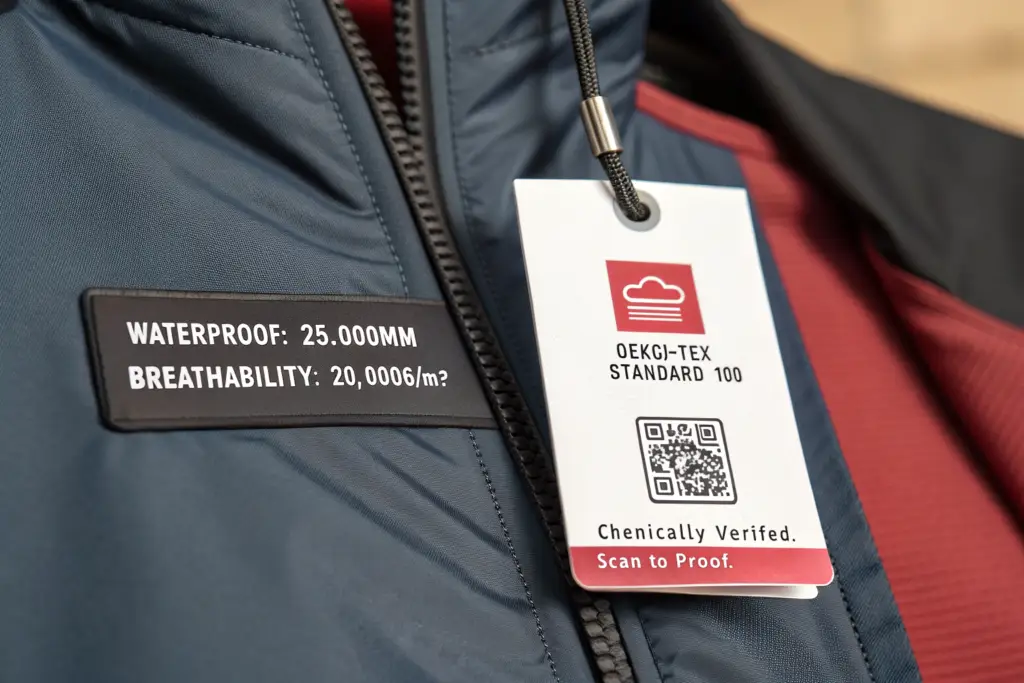
What role do third-party performance standards play?
Standards like ISO 811 (waterproof), ISO 11092 (breathability), and Martindale (abrasion) provide objective, numerical proof of performance. Pairing these test reports with the OEKO-TEX certificate creates an irrefutable package of evidence. Brands can confidently claim, for example, "28,000mm waterproof, 15,000g breathability, and OEKO-TEX Certified for safety." This data-driven approach cuts through marketing noise.
How does this influence the DDP and customer experience?
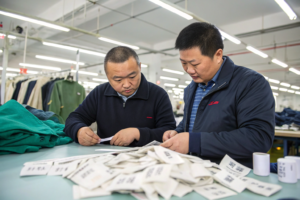
This level of product integrity must be maintained through the entire supply chain. Under a DDP (Delivered Duty Paid) model, we ensure that the documentation package shipped with the goods includes both the safety certificates and the performance data sheets. This not only smooths customs but also provides the brand's receiving warehouse with all the proof needed for their own marketing and sales teams. The end customer receives a product whose claims are backed from the factory to their doorstep.
Conclusion
The question is no longer if you can achieve high performance and OEKO-TEX safety, but how. The path is clear: partner with material innovators, employ meticulous and informed design, and enforce rigorous, transparent manufacturing and verification processes. The brands that embrace this holistic approach are not just meeting a market trend; they are defining the future standard for what premium skiwear must be.
This journey requires a manufacturing partner that operates at the intersection of advanced material science, certified compliance, and performance-oriented construction. At Shanghai Fumao, we have built our full-package production service to be this nexus. We enable brands to deliver suits that excel on the most demanding slopes while providing the verified safety that modern consumers demand and deserve. If you are ready to build a product that refuses to compromise, contact our Business Director, Elaine, at elaine@fumaoclothing.com. Let's engineer the high-performance, safe ski suit that sets a new benchmark for your brand.