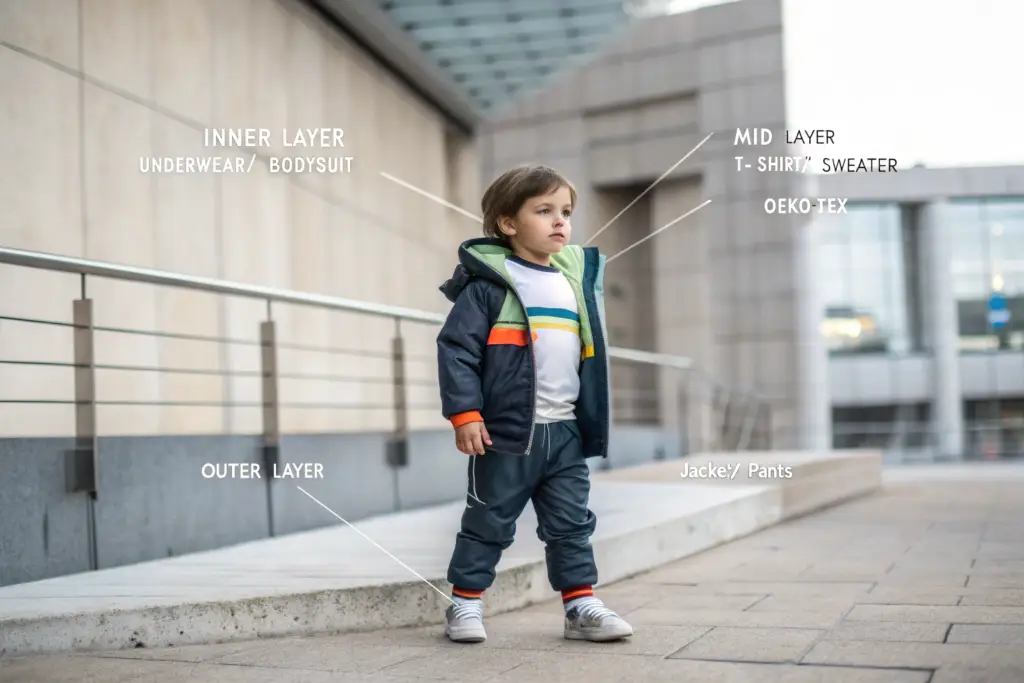
When parents dress their children, they are creating a micro-environment of textiles next to the skin. From the soft, breathable underwear and base layers to the cozy mid-layers and the protective outer shells, each garment plays a distinct role. However, from a chemical safety perspective, they share one critical commonality: they are all in direct or indirect contact with the child's body, and they all have the potential to introduce or transfer harmful substances. The misconception that only the layer touching the skin needs scrutiny is a dangerous oversight in children's wear safety.
Every layer, from shell to underwear, needs OEKO-TEX testing because harmful substances are not contained by fabric layers; they can migrate, transfer through sweat, be inhaled from finishes, or be ingested from surface contact. A certified outer shell can be compromised by non-certified thread or trim, and chemical residues from a colorful mid-layer can transfer to sensitive skin. Comprehensive, layer-by-layer certification is the only way to ensure a child's entire outfit forms a truly safe ecosystem.
This holistic approach is non-negotiable for building trustworthy children's apparel brands. Let's examine the unique risks and necessary assurances for each layer of clothing.
What Are the Specific Risks at Each Clothing Layer?
Each layer has a unique function and, consequently, unique chemical treatment profiles. Understanding these differentiated risks is key to appreciating the need for universal testing.
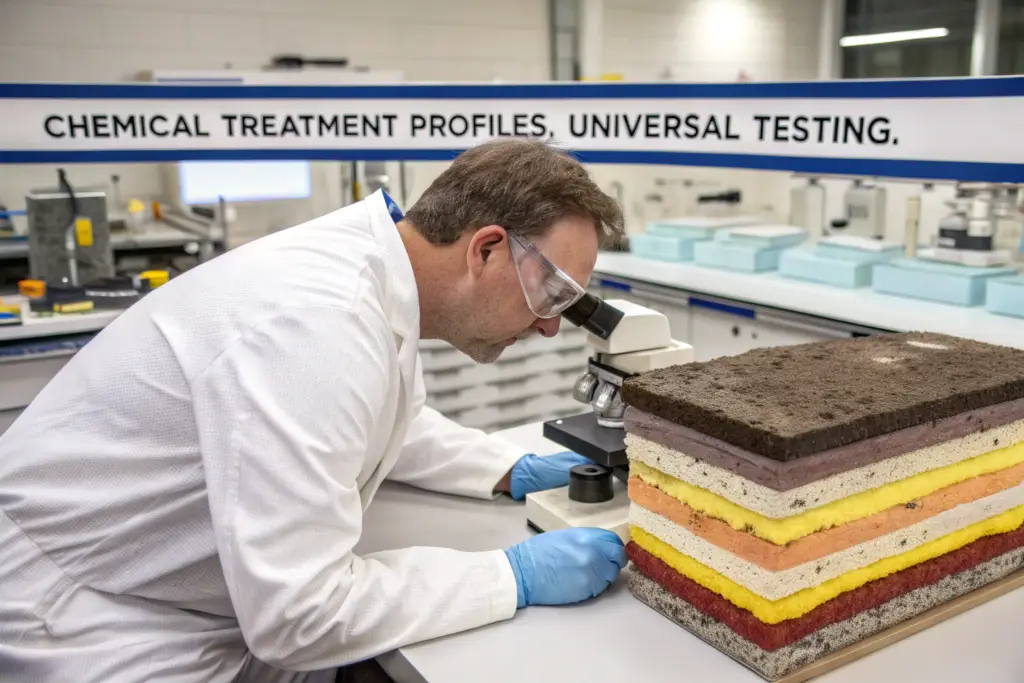
Why is the Innermost Layer (Underwear, Bodysuits) the Critical Foundation?
This layer has the most direct and prolonged skin contact. It is often in warm, moist conditions (from sweat), which can accelerate the release and absorption of chemicals.
- Key Risks: Allergenic disperse dyes, formaldehyde (for anti-wrinkle), heavy metals in prints or dyes, and pH imbalance. A non-certified underwear layer can cause direct skin irritation, rashes, or allergic reactions.
- OEKO-TEX Assurance: Product Class I (for babies) or Class II certification guarantees skin-neutral pH, the absence of allergenic dyes, and strict limits on all regulated substances. This creates a safe "second skin" foundation.
Does the Mid Layer (T-shirts, Sweaters, Fleece) Pose a Transfer Risk?
Absolutely. Mid-layers, like colorful graphic tees or cozy fleece jackets, are rich in dyes and often feature prints, appliqués, or softening finishes.
- Key Risks: Migration of heavy metals or plasticizers (phthalates) from prints through the inner layer via sweat and friction. Aggressive chemical softeners or fire retardants in fleece can also off-gas or transfer.
- OEKO-TEX Assurance: Certification tests for colorfastness to perspiration and saliva, ensuring dyes don't migrate. It also restricts harmful substances in prints and finishes, preventing them from becoming a secondary source of contamination for the skin or inner layer.
Can the Outer Shell (Jackets, Raincoats, Pants) Harbor Hidden Dangers?
Outer layers are the most chemically complex. They are designed for durability, water resistance, and stain release, which traditionally rely on potent chemistry.
- Key Risks: PFAS (forever chemicals) in DWR (Durable Water Repellent) finishes, formaldehyde in wrinkle-free treatments, phthalates in plastic components (zippers, snaps, prints), and biocides in anti-odor treatments.
- OEKO-TEX Assurance: The standard strictly regulates or bans these substance groups. It ensures that a child wearing a raincoat is protected from the rain, not from the coat itself. Furthermore, it ensures that when the jacket's lining touches a sweater or when a child puts their hands near their mouth after touching the shell, no harmful transfer occurs.
How Do Substances Migrate Between Layers?
The belief that a garment is safe if it has a "lining" is chemically naive. Textiles are not impermeable barriers to chemical migration, especially under real-world conditions of wear.
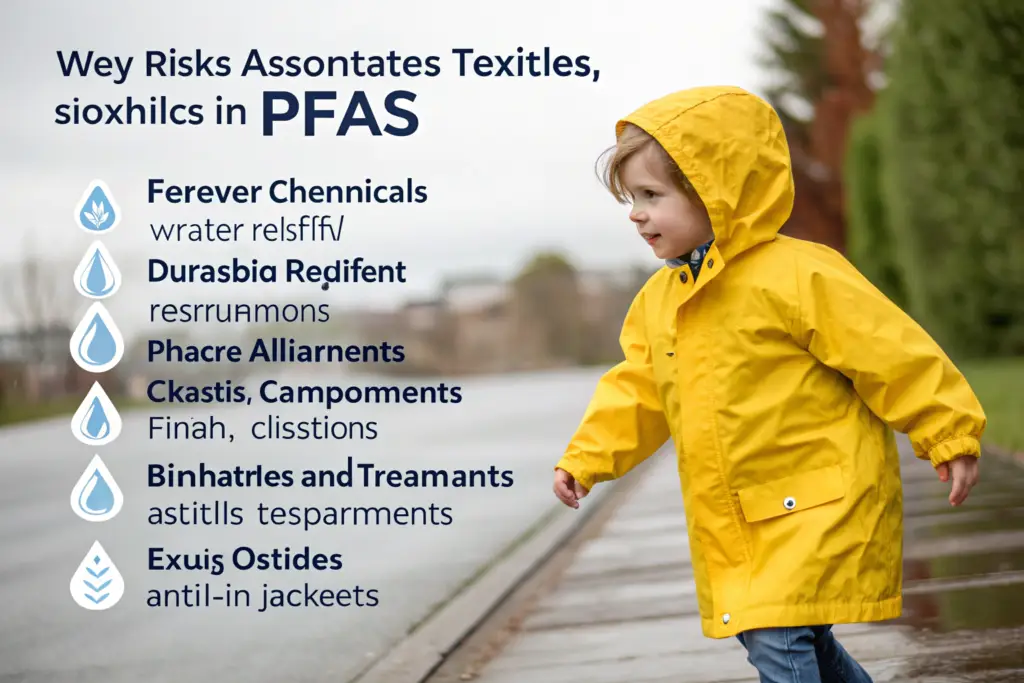
What Are the Pathways for Chemical Transfer?
- Direct Contact & Friction: The inner surface of a mid-layer or shell constantly rubs against the outer surface of the underwear. Loose chemical residues can physically transfer.
- Moisture (Sweat) as a Carrier: Sweat can solubilize substances from one layer and carry them through to the skin or onto another fabric layer.
- Off-Gassing (VOCs): Volatile organic compounds from finishes or adhesives can be released from any layer and be inhaled or settle on other layers.
- Hand-to-Mouth Transfer: A child touches a printed graphic on their t-shirt or a plastic toggle on their hood, then puts their hand in their mouth. This is a direct ingestion pathway for substances on any layer.
A case from our experience underscores this: A brand's fleece mid-layer with a non-certified heat-transfer logo passed its own fabric test. However, when worn over a certified white bodysuit, the bodysuit showed faint discoloration from the logo dye after a day of active play and sweating. This visible transfer signaled potential chemical migration that OEKO-TEX testing for colorfastness to perspiration is designed to prevent.
What is the Systemic Manufacturing Approach Required?
Guaranteeing safety across all layers requires a full-package manufacturing partner with a vertically integrated compliance system. You cannot mix certified and non-certified components and expect a safe final product.

How Does Shanghai Fumao Ensure End-to-End Layer Safety?
Our philosophy is to manage the entire "textile ecosystem" for a child's outfit:
- Unified Material Library: We source all fabrics—from intimate knit cottons to technical outerwear fabrics—from vetted mills whose processes align with OEKO-TEX standards. We pre-test materials for compliance.
- Component-Wide Compliance: Every single component across all layers is sourced with compliance in mind: OEKO-TEX certified threads, buttons, zippers (including tape and sliders), elastics, and prints.
- Garment-Level Certification: We don't just certify fabrics; we certify the final, assembled garment. When we submit a fleece jacket for OEKO-TEX, we submit samples of the fleece, the lining, the thread, the zipper, the print ink, and the cordlock. The resulting certificate covers the complete article.
- Batch Traceability: Our system ensures that the certified components used in production are the same as those tested, maintaining integrity from roll goods to finished layers.
This system means that when a brand partners with Shanghai Fumao to produce a coordinated set (e.g., a bodysuit, leggings, and a hoodie), they can be confident that each piece is individually safe and that the set works together as a safe whole.
What is the Business and Ethical Imperative?
Adopting a layer-by-layer OEKO-TEX strategy is not just a technical decision; it's a core business and ethical stance that defines a brand in the modern children's wear market.
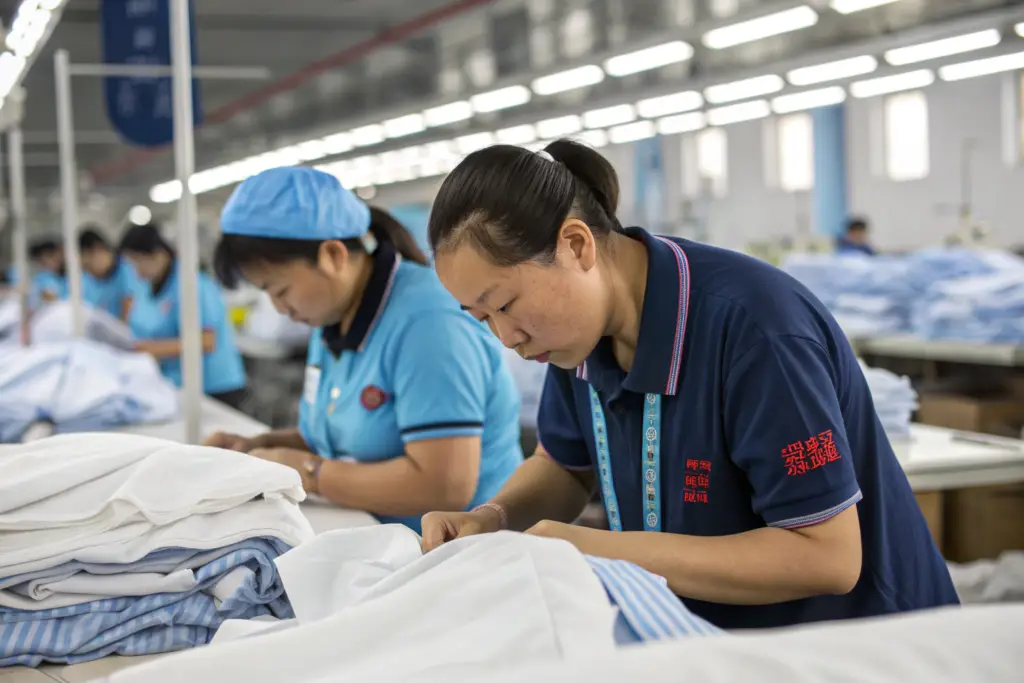
How Does This Strategy Mitigate Brand Risk?
It provides the highest possible level of due diligence. In the event of any health inquiry or complaint, a brand can demonstrate that every component of every layer was independently verified to the highest global safety standards. This is a powerful shield against liability and reputational damage. It shows a proactive, comprehensive commitment to safety that goes beyond the minimum legal requirements.
Does It Align with and Anticipate Consumer Demand?
Today's parents are increasingly viewing their children's wardrobes as integrated systems. They understand that safety isn't piecemeal. Marketing a brand on the promise of "every layer certified" speaks directly to this sophisticated, holistic mindset. It builds immense trust and allows for authentic storytelling about the brand's commitment to total care. Furthermore, as regulations evolve to consider the full lifecycle and interaction of chemicals in products, this systemic approach future-proofs the brand.
Conclusion
The question is not whether the outer shell or the mid-layer could be safe without certification; the only responsible stance is to ensure that they are safe. OEKO-TEX testing for every layer is the scientific methodology to achieve this certainty. It acknowledges the dynamic, interactive nature of clothing worn on an active child's body and closes all potential pathways for chemical exposure.
For brands, this comprehensive approach is the ultimate expression of quality and care. It transforms a collection of garments into a guaranteed safe haven for children, from the skin out.
In an industry where trust is paramount, leaving any layer to chance is an unacceptable risk. The only standard that matches a parent's level of care is one that covers everything their child wears.
Ready to build a children's wear brand where safety is woven into every layer, without exception? Partner with Shanghai Fumao, where our integrated OEKO-TEX system is designed to certify complete outfits, from the softest base layer to the toughest outer shell. Contact our Business Director, Elaine, to develop a collection that offers parents total peace of mind. Email her at: elaine@fumaoclothing.com.