Importing children’s wear comes with higher risks. One defective button or harmful dye can lead to costly recalls and damage your brand’s reputation. Brands sourcing from Asia constantly worry about hidden chemical hazards. But there is a proven tool that can significantly reduce these risks. It is an independent certification that acts as your first line of defense.
OEKO-TEX certification, particularly the STANDARD 100 by OEKO-TEX label, is a powerful tool that directly reduces chemical safety risks in children’s wear importing. It provides a verifiable, third-party guarantee that every component of a garment is tested for harmful substances, aligning with stringent global standards. This minimizes the risk of non-compliance, protects your brand, and builds consumer trust.
For U.S. brand owners and buyers who source from countries like China and Vietnam, managing quality control from afar is the biggest challenge. You need more than a supplier’s promise. You need tangible proof. This article will explain how leveraging OEKO-TEX certification can transform your sourcing process from a gamble into a managed, low-risk operation. We will cover practical steps for verification and how it integrates with a reliable manufacturer’s workflow.
Why is Chemical Safety a Top Priority for Kids’ Clothing Buyers?
Parents today are more informed and concerned than ever about what touches their children’s skin. For a brand owner, this concern translates directly into business risk. A single incident related to harmful substances can erase years of brand building. The regulatory landscape, especially in North America and Europe, is strict. Non-compliance is not an option.
Chemical safety is not just about avoiding obvious toxins. It is about ensuring every piece—the fabric, thread, dye, print, button, and zipper—is free from a long list of regulated substances. For a busy buyer managing multiple product lines, manually verifying this is impossible. You must rely on systems and credible proofs provided by your manufacturer. This is where independent certifications shift from a “nice-to-have” to a critical component of your due diligence process.
What Are the Common Hidden Chemical Risks in Garments?
Many risks are not visible to the naked eye. Formaldehyde, used for anti-wrinkle finishes, can cause skin irritation. Azo dyes, which can release carcinogenic amines, are restricted. Heavy metals like lead or cadmium might be present in prints or plastic accessories. Phthalates, used to soften plastics in prints or PVC components, are heavily regulated in children’s items. These substances are regulated under laws like the Consumer Product Safety Improvement Act (CPSIA) in the U.S. and REACH in Europe. Without proper testing, your shipment could be stopped at customs, or worse, reach the consumer and cause harm. Last year, we worked with a startup brand from Texas that had a shipment rejected due to excess formaldehyde levels in woven shorts. The supplier had provided a fake test report. The brand lost their entire selling window and had to absorb the loss. Since partnering with us at Shanghai Fumao, they use our OEKO-TEX certified production line, and have had zero compliance issues for three consecutive seasons.
How Can Certification Serve as Your Quality Control Shield?
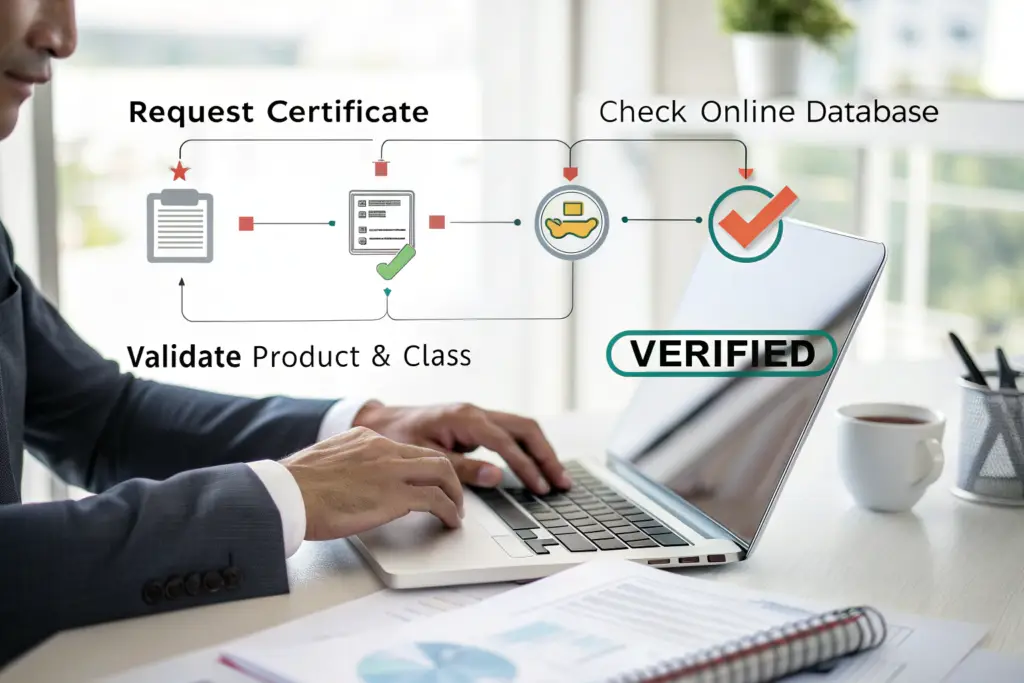
Think of certification as an external, expert quality control department. When a factory holds a valid OEKO-TEX STANDARD 100 certificate, it means their production system and specific articles have been audited and tested by an independent institute. For you, the buyer, it simplifies verification. Instead of trusting a supplier’s word, you can:
- Ask for the official certificate number.
- Verify it instantly on the official OEKO-TEX database.
- Check the scope—what product classes and specific articles it covers.
This process takes minutes but saves months of headache. It aligns perfectly with the full-package manufacturing model, where the factory manages the entire supply chain. At Shanghai Fumao, we integrate certification checks into our fabric sourcing stage. Our in-house lab conducts preliminary tests before sending samples to the official OEKO-TEX lab, ensuring a high pass rate and avoiding surprises. This systemized approach is what reliable partners offer.
How Does OEKO-TEX STANDARD 100 Certification Work?
Understanding the mechanics of the certification builds confidence in using it. The STANDARD 100 by OEKO-TEX is not a generic factory audit. It is a product-specific certification based on scientific testing. Its credibility comes from its independence and the strict, globally harmonized test criteria it uses.
The process is rigorous. A manufacturer submits article samples—not just fabric swatches, but the complete garment with all accessories—to an authorized OEKO-TEX testing institute. The samples are scientifically tested for over 100 harmful substances, with limits often stricter than national laws. The certification is then issued for specific articles in specific product classes. For children’s wear (Product Class I), the requirements are the strictest of all. This targeted approach makes it an exceptionally reliable tool for children’s wear importers.
What Are the Different Product Classes and What Do They Mean?
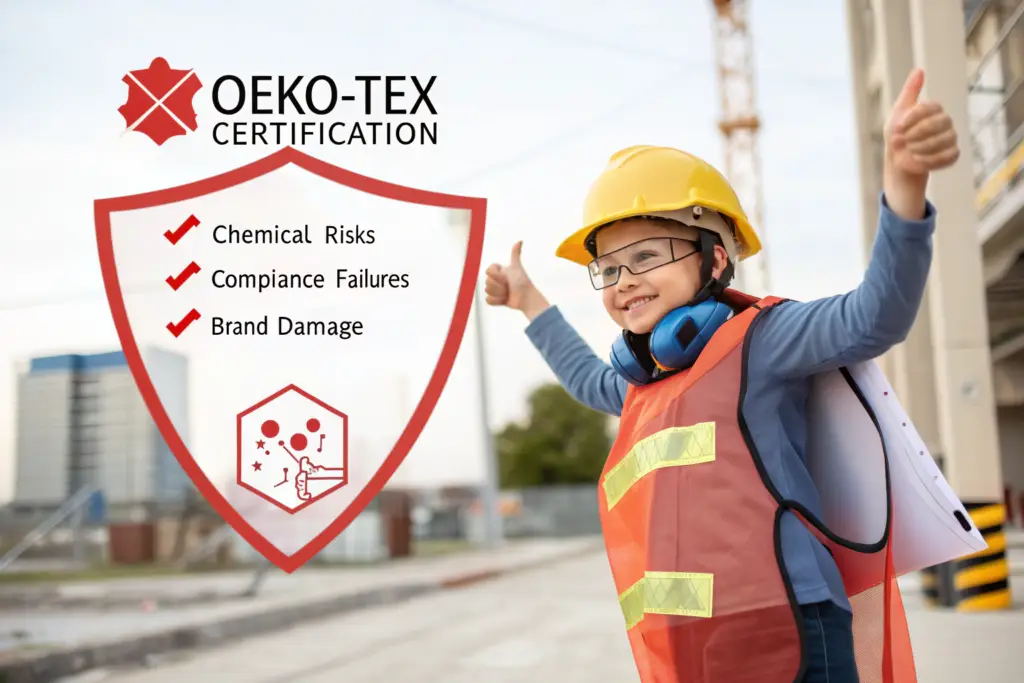
OEKO-TEX categorizes products into four classes based on human ecological safety. This classification is crucial for buyers to understand.
| Product Class | Definition | Examples | Relevance for Buyers |
|---|---|---|---|
| Class I | Articles for babies and young children up to 3 years old. | Baby bodysuits, bedding, soft toys. | Most stringent limits. Essential for all infant and toddler items. |
| Class II | Articles with direct, prolonged skin contact. | Underwear, bedding, t-shirts, socks. | High-standard for regular apparel. Used for most children’s wear over 3 yrs. |
| Class III | Articles with no or little skin contact. | Jackets, coats, linings. | Lower limits, but still safe. Used for outer layers. |
| Class IV | Decoration/furnishing materials. | Curtains, tablecloths, wall fabrics. | Not for apparel. |
When verifying a certificate, always confirm it covers the correct Product Class for your item. A factory might have certification for Class III fabrics, but your baby romper requires Class I. At Shanghai Fumao, we maintain active certifications for all relevant classes across our knitwear and woven garments lines, providing the right proof for each order.
How to Verify an OEKO-TEX Certificate Authenticity?
Falsified certificates are a real pain point, as mentioned in the buyer profile. Protecting yourself is straightforward. Follow these steps:
- Get the Details: Request the PDF certificate from your supplier. It should have a unique number, issuing institute (e.g., Hohenstein, TESTEX), and listed articles.
- Online Check: Go to the OEKO-TEX “Check Your Label” portal. Enter the certificate number and the supplier’s name.
- Match the Scope: Verify that the specific article you are ordering (e.g., “100% Cotton Baby Jumpsuit”) is listed and that the certification is still valid.
A mid-sized distributor from Colorado shared with us that they caught a previous supplier providing a forged certificate for organic cotton kids’ pajamas. The code didn’t exist in the database. They now mandate live database checks during video calls with all new suppliers. This simple practice saved them from a potential disaster.
What Are the Business Benefits Beyond Compliance?
While risk reduction is the primary benefit, OEKO-TEX certification delivers tangible commercial advantages. It is not just a cost; it is an investment in smoother operations, brand equity, and market access. In a competitive market where consumers research products online, visible trust marks influence purchasing decisions.
Certification streamlines your supply chain. It reduces the need for duplicate testing, speeds up approvals with retail partners who require such proofs, and can even simplify export logistics documentation. For a brand, it becomes a powerful marketing story. You are not just selling clothes; you are selling safety and responsibility.
Can It Speed Up Time-to-Market and Improve Logistics?
Yes, absolutely. Large retailers and marketplaces often require specific safety documentation before they will list a product. If you can provide a recognized OEKO-TEX certificate immediately, you bypass their internal testing queue, which can take weeks. This acceleration is critical for hitting fast-fashion or seasonal deadlines. Furthermore, customs authorities in many countries recognize such certifications, potentially reducing inspection delays. Our experience with DDP (Delivered Duty Paid) shipments to the U.S. shows that having all compliance documents, including OEKO-TEX, readily available in the shipping dossier prevents clearance holdups. One of our clients, an e-commerce brand, reduced their product onboarding time with a major online retailer by 15 days simply by switching to our pre-certified production model.
How Does It Enhance Brand Value and Consumer Trust?
Today’s consumers, especially millennial parents, look for signals of authenticity. A sewn-in OEKO-TEX label is a silent salesperson on your garment. It communicates care, quality, and professionalism. It allows you to command a better price point because you are offering verified value. You can leverage this in your storytelling—on your website, in social media posts on Instagram and Facebook, and in press materials. It transforms a generic “safe for kids” claim into a credentialed fact. Building this trust is essential for long-term brand loyalty and reducing returns based on quality or safety concerns.
How to Partner with a Certified Manufacturer Effectively?
Finding a supplier with a certificate is the first step. Integrating certification into your partnership is the next. The goal is to make safety and compliance a seamless part of your product development cycle, not a last-minute hurdle. This requires clear communication and setting expectations from the initial product development stage.
Your manufacturer should be a guide in this process. They should proactively explain what can and cannot be certified, lead the sample submission process, and provide transparent documentation. This collaborative approach turns your supplier from a simple producer into a true strategic partner for growth.
What Questions Should You Ask a Potential Supplier?
Move beyond “Are you certified?” to deeper, operational questions:
- “Can you show me the active OEKO-TEX certificate for a product similar to my order?”
- “What is your process for maintaining certification across different fabric batches?”
- “How do you control inputs from your own sub-suppliers (like trim factories) to ensure they meet the standard?”
- “What happens if a test fails during production? What is your corrective action protocol?”
- “Can you provide the certification cost breakdown and lead time for adding new articles?”
Asking these questions separates serious manufacturers from casual ones. A reliable factory will have clear answers and processes. For instance, we at Shanghai Fumao have a dedicated quality assurance manager who oversees the certification lifecycle for all our clients. We provide a transparent timeline that includes testing weeks in our production schedule, so there are no surprises.
How to Integrate Certification into Your Order Process?
Make it a formal step in your critical path. Here is a simple integration model:
- Design & Development: Confirm with your manufacturer that the chosen fabrics and components are certifiable for your target Product Class.
- Pre-Production Sample Stage: Submit the approved pre-production sample for certification testing. The factory should handle logistics with the lab.
- Production: Only begin bulk fabric cutting after receiving a positive test result and certificate for that specific article.
- Shipping & Marketing: Receive a copy of the certificate for your records. Use the label license to order official OEKO-TEX hangtags/labels for your garments.
This integrated flow ensures compliance is baked in. A client from Seattle who sources activewear with us follows this exact model. They factor the 3-4 week testing period into their timeline, which is far more efficient than the 8-10 weeks of delay they once faced when a retailer’s test failed and they had to re-make the entire order.
Conclusion
OEKO-TEX certification, particularly the STANDARD 100 label, is more than a badge on a garment. For importers of children’s wear, it is a strategic risk management tool. It directly addresses the core pain points of chemical safety, compliance verification, and supply chain reliability. By providing independent, scientific proof of safety, it protects your brand from costly recalls and builds lasting consumer trust. The benefits extend beyond compliance to smoother logistics, faster time-to-market, and enhanced brand value.
Successfully leveraging this tool requires partnering with a manufacturer who understands its importance and has integrated it into their operational DNA. You need a partner who provides transparency, guides you through the process, and views your compliance as their responsibility.
If you are looking for a dependable, high-value manufacturing partner that makes safety and certification a standard part of our full-package manufacturing service, let’s talk. We at Shanghai Fumao have the expertise and systems in place to help you import children’s wear with confidence. Contact our Business Director, Elaine, to discuss how we can bring your next certified collection to market successfully. Reach her at: elaine@fumaoclothing.com.