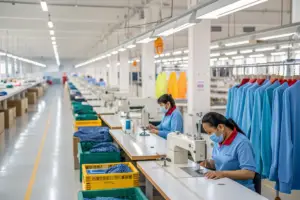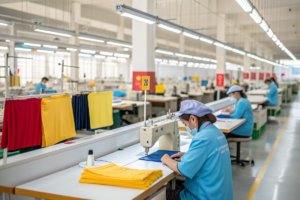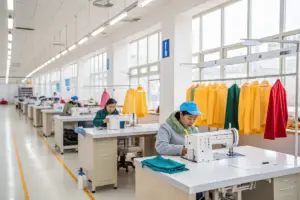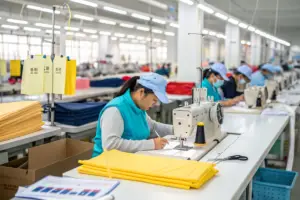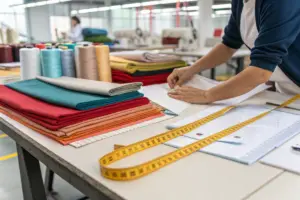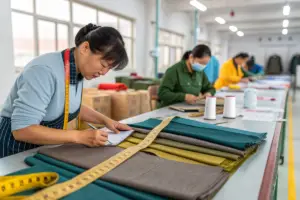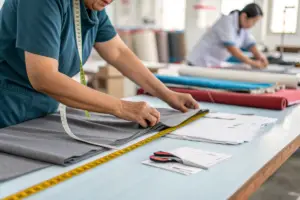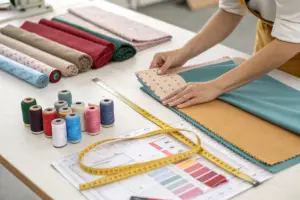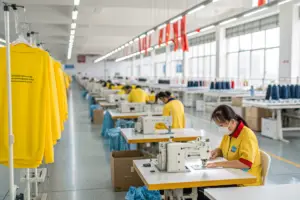
If you're sourcing corduroy jumpers for the U.S. market, you need more than just a soft fabric and a competitive price. You need absolute confidence that every piece, from yarn to finish, is safe for even the most sensitive skin. This isn't just about comfort; it's about compliance, brand reputation, and avoiding costly recalls.
For American apparel brand owners and buyers, ensuring your corduroy jumper supplier holds the OEKO-TEX Standard 100 certification, specifically at the stringent Grade 1 level for babywear, is a non-negotiable safeguard that protects your customers and your business from hidden chemical risks.
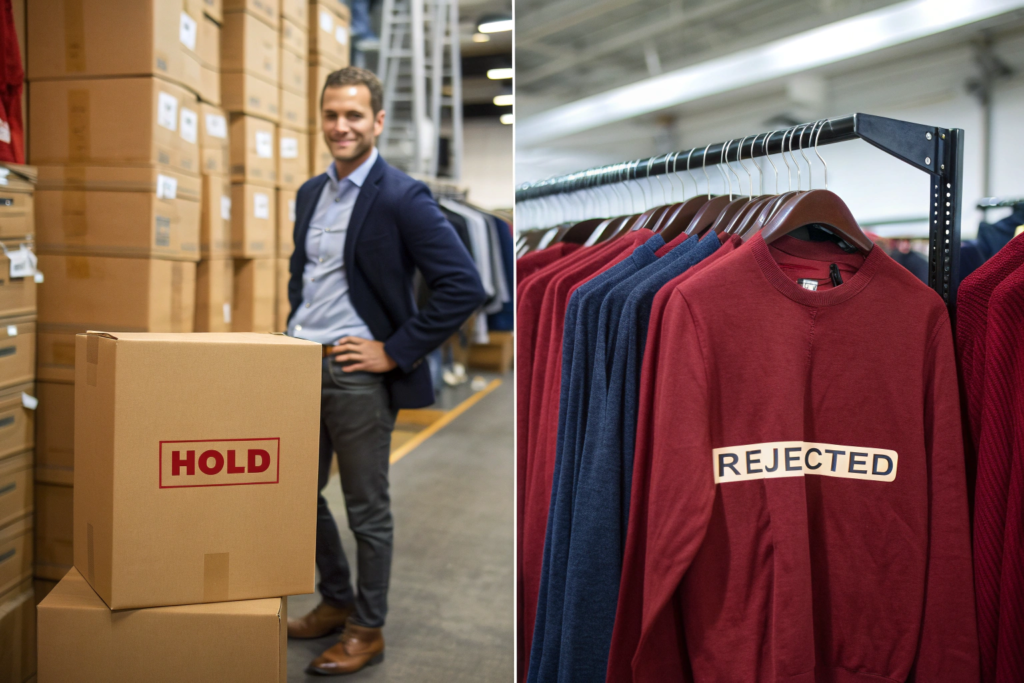
Many suppliers claim their products are “safe” or “eco-friendly,” but these terms are vague and unverified. The OEKO-TEX Standard 100 certification provides a globally recognized, scientifically-backed benchmark. It tests for over 100 harmful substances, including carcinogenic dyes, pesticides, and heavy metals. For infant and children’s clothing like jumpers, Grade 1 has the strictest limits. I've seen brands face shipment rejections because their supplier’s “general” certification didn't cover the specific product or age group, leading to delays and lost trust. Partnering with a manufacturer that prioritizes this certification from the outset is your first line of defense.
The choice of your manufacturing partner directly impacts your product's safety and market acceptance. Let's explore why this specific certification matters so much and how it should influence your sourcing decisions.
How Does OEKO-TEX 100 Grade 1 Differ from General Textile Certifications?
Not all safety certifications are created equal. A general claim of “OEKO-TEX certified” might only mean the fabric was tested for adult skin contact (Grade 3 or 4). For children’s corduroy jumpers, this is insufficient. Grade 1 is the gold standard.
The key difference lies in the permitted limit values for harmful substances. OEKO-TEX Standard 100 Grade 1, designed for items for babies and toddlers up to 3 years old, sets the most rigorous thresholds. For example, the allowable limits for formaldehyde and certain heavy metals are significantly lower than those for Grade 3 (garments with skin contact) or Grade 4 (decoration materials). This is because babies have more sensitive skin, lower body weight, and a tendency to put clothing in their mouths. Last year, we worked with a children’s wear brand from Seattle that previously sourced from a factory with a generic OEKO-TEX certificate. After random retail testing, their corduroy pinafores showed elevated levels of a regulated chemical. The entire batch was pulled from shelves. When they switched to partnering with us at Shanghai Fumao, we provided full Grade 1 certification for every component—cord, thread, lining, and even the care labels. Their product safety complaints dropped to zero.
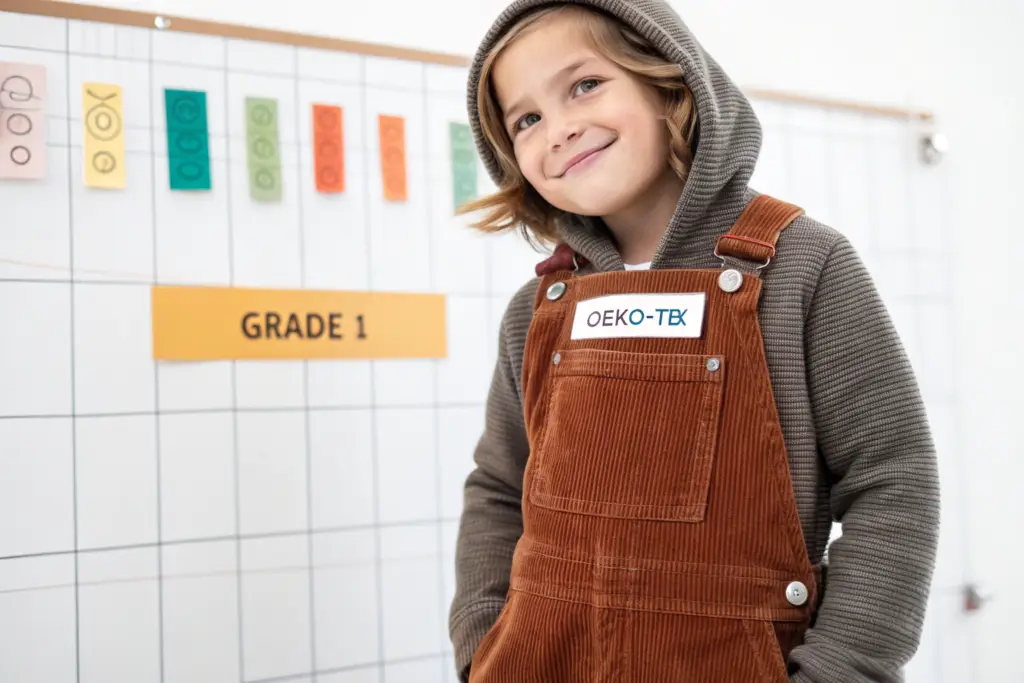
Why Are Chemical Standards for Baby Clothing More Strict?
Babies’ physiological systems are still developing. Their skin is thinner and more permeable, their liver and kidneys are less effective at filtering toxins, and their “mouthing” behavior increases ingestion risk. Regulatory bodies like the Consumer Product Safety Commission (CPSC) enforce strict rules like the Consumer Product Safety Improvement Act (CPSIA). OEKO-TEX 100 Grade 1 aligns with and often exceeds these regulations, providing a proactive compliance framework. It’s not just about legality; it’s about moral responsibility. A supplier who invests in Grade 1 certification demonstrates a deep understanding of these risks.
What Specific Substances Does Grade 1 Certification Test For?
The test criteria are comprehensive and updated annually. They go beyond basic legal requirements. Here’s a snapshot of critical substance groups checked:
| Substance Group | Examples | Why It's Regulated in Grade 1 |
|---|---|---|
| Illegal Azo Dyes | Certain aromatic amines | Can release cancer-causing compounds upon skin contact. |
| Allergenic Disperse Dyes | Disperse Blue 106, Disperse Orange 37 | Can cause severe skin allergies and rashes. |
| Formaldehyde | Used in anti-wrinkle finishes | A known skin irritant and sensitizer, strictly limited. |
| Heavy Metals | Lead, Cadmium, Mercury | Toxic to neurological development; limits are near-zero. |
| Chlorinated Phenols | PCP, TeCP | Harmful to organs and suspected carcinogens. |
| Phthalates (Plasticizers) | DEHP, BBP | Restricted due to potential hormone-disrupting effects. |
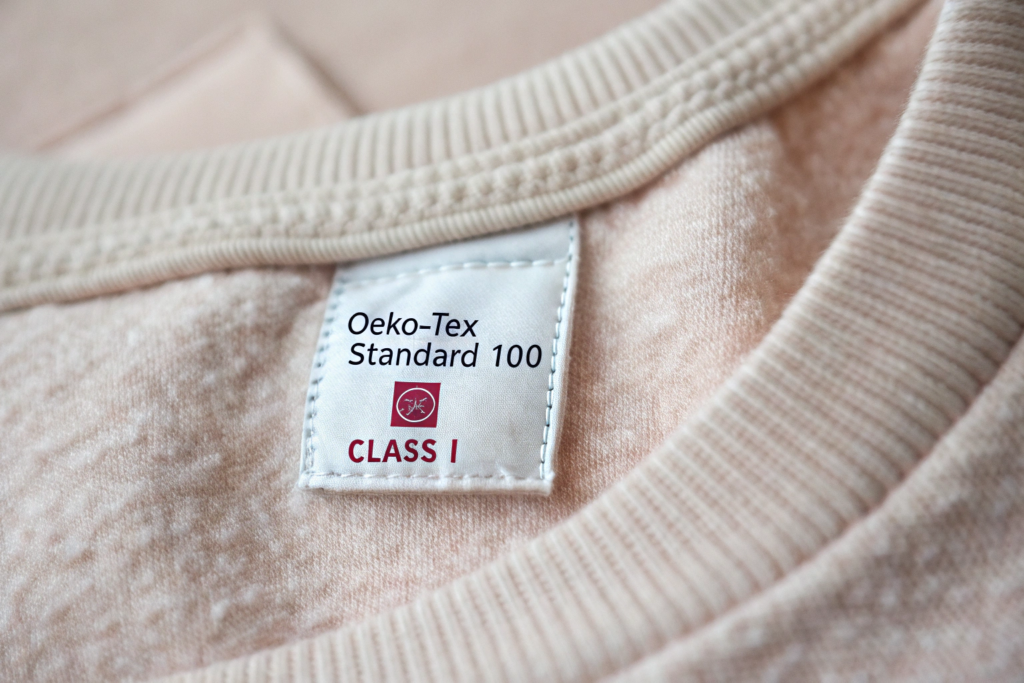
This rigorous, product-specific testing is why you must ask for the official OEKO-TEX certificate and verify the product class and license number for your exact jumper style. General company certifications are not enough.
What Are the Hidden Risks of Sourcing Non-Certified Corduroy Jumpers?
Choosing a supplier without verifiable OEKO-TEX 100 Grade 1 certification is a high-stakes gamble. The risks extend far beyond simple quality flaws.
The most immediate risk is a border rejection or recall. U.S. Customs and Border Protection (CBP) and the CPSC actively screen imports. If your shipment is tested and fails safety standards, it can be detained, destroyed, or returned at your cost. This causes massive delays, leading to missed selling seasons—a pain point I know many American buyers, like Ron, constantly worry about. Financially, the losses are compounded: you lose the product value, pay fines, and face costly logistics reversals. More damaging is the long-term brand erosion. A single recall notice on the CPSC website can devastate consumer trust built over years. In 2022, we helped a new brand navigate a crisis after their previous supplier’s uncertified corduroy fabric caused skin irritation in several customers. The negative social media exposure was severe. By re-manufacturing the entire line with our Grade 1 certified materials and processes at Shanghai Fumao, they not only resolved the issue but also used the new certification as a key marketing point to regain and grow customer trust.
Can Supplier-Provided Test Reports Be Trusted?
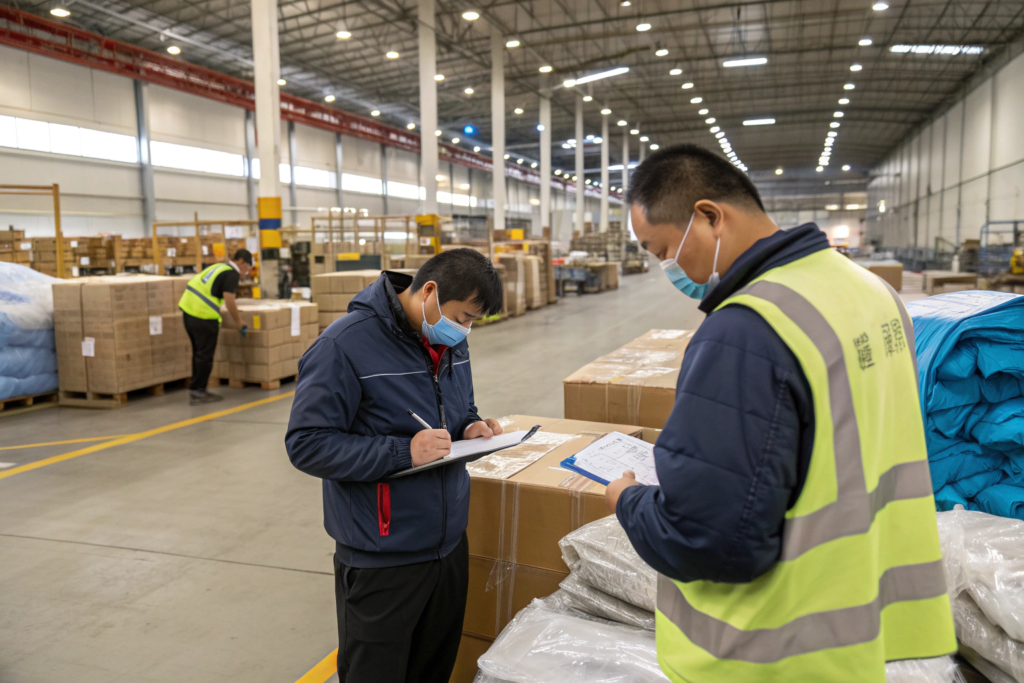
This is a critical area for due diligence. Sadly, falsification of certificates is a known pain point in global sourcing. You must always verify authenticity. Every genuine OEKO-TEX certificate has a unique number. You can independently verify it on the OEKO-TEX certification database. Don’t just accept a PDF; check it yourself. We insist on this transparency with all our clients at Shanghai Fumao. We provide the certificate numbers for each production batch, allowing our partners to verify the status of their goods in real time. This practice eliminates doubt and builds a foundation of efficient, trustworthy communication.
How Do Safety Failures Impact Your Brand’s Financial Health?
The costs are multifaceted. Beyond the direct loss of inventory, consider these financial impacts:
- Legal Liabilities: Potential lawsuits from affected consumers.
- Remediation Costs: Expenses for crisis management, public relations, and customer compensation.
- Lost Future Sales: Damaged reputation leads to decreased customer loyalty and acquisition.
- Increased Scrutiny: Your brand may face more frequent and rigorous inspections from regulators in the future.
Investing in a properly certified supplier from the start is a strategic financial decision that protects your bottom line.
How Can You Verify a Factory’s OEKO-TEX 100 Certification Legitimacy?
Verification is a proactive process that separates serious partners from the rest. It involves more than just looking at a document.
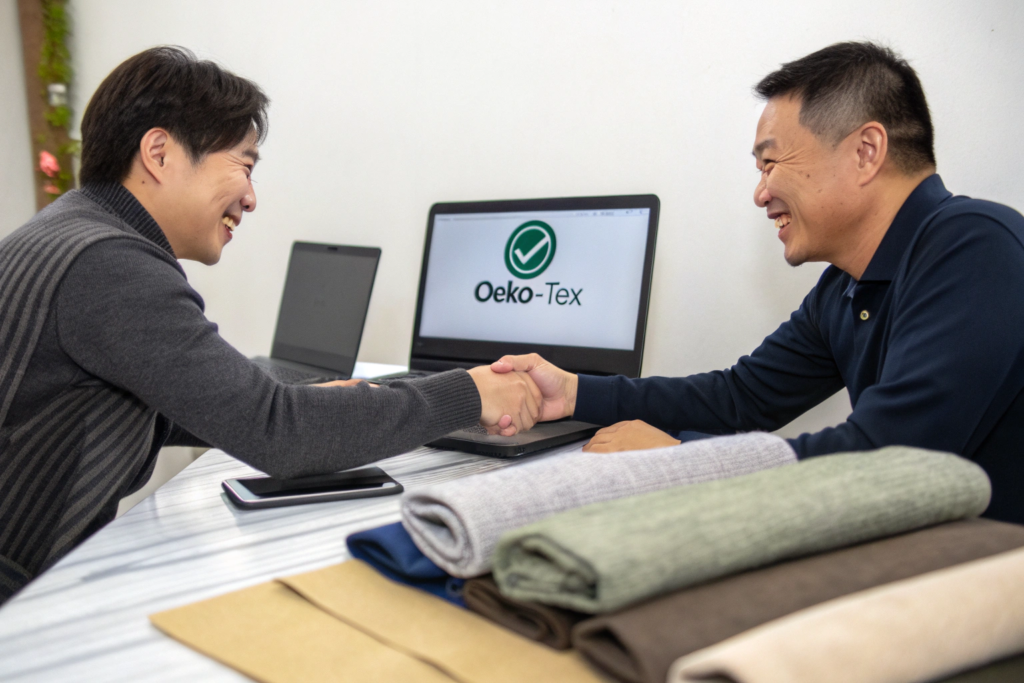
The first step is to request the official OEKO-TEX certificate for the specific product category (e.g., Article Class I: Baby articles). Then, use the license number to check the official OEKO-TEX database. This confirms the certificate is active, lists the certified products, and shows the manufacturing company name and address. It should match your supplier’s details exactly. Be wary of certificates from a parent company or a different factory in their group—the certification is facility and product-specific. A reliable manufacturer will make this verification easy. For instance, during our onboarding process with a Texas-based distributor last quarter, we scheduled a video call and walked their team through the live database check for our certification. We showed them our certified production lines and internal testing protocols. This transparency solved their past issues with inefficient communication and built immediate confidence.
What Details Should You Scrutinize on the Certificate?
When you receive the certificate, check these key fields:
- Certificate Holder: Is it the actual factory you are contracting with?
- Product Class: Does it clearly state “Class I”?
- Article Description: Does it accurately describe “corduroy jumper” or the fabric type?
- Validity Period: Is the certificate current? They are valid for one year.
- Testing Institute: Reputable institutes like Hohenstein or TESTEX add credibility.
What Questions Should You Ask the Supplier About Their Certification?
Go beyond the paper. Ask pointed questions:
- “Is the certification for the final assembled garment or just the fabric?”
- “Are all accessory components (zippers, buttons, threads) also certified to Grade 1?”
- “How do you ensure batch-to-batch compliance after the initial certification?”
- “Can we arrange a third-party audit of your QC process focused on chemical management?”
Their willingness and ability to answer these questions clearly indicate their commitment.
Why Is OEKO-TEX Certification Integral to Reliable DDP Shipping?
For U.S. buyers, especially those operating on a DDP (Delivered Duty Paid) model, the supplier’s responsibility extends all the way to your warehouse door. Certification isn’t just a quality issue; it’s a core logistics and risk management pillar.
In a DDP agreement, the supplier manages all risks and costs until the goods clear U.S. customs. If your corduroy jumpers lack proper, verifiable certification and are stopped at customs, the resulting delays, storage fees, and potential destruction orders become the supplier’s financial burden. A supplier with robust, integrated certification processes, like us at Shanghai Fumao, builds this compliance into their production flow from the start. This prevents delays at the source. We have a dedicated compliance team that ensures every DDP shipment includes complete and accurate documentation packs, with the OEKO-TEX certificate prominently featured. This streamlined approach guarantees smoother customs clearance. A client from Florida once shared how a delayed shipment from another vendor due to “document issues” caused them to miss the crucial back-to-school season. Since switching to our DDP service with pre-verified certifications, their shipments have arrived at their warehouse with predictable, on-time reliability, every quarter.
How Does Certification Streamline the Customs Clearance Process?
Complete and credible certification documents act as a “fast pass.” Customs officials see the OEKO-TEX Standard 100 mark as strong evidence of compliance with U.S. safety rules like the CPSIA. This reduces the likelihood of your shipment being flagged for intensive, time-consuming physical testing. It provides a common, trusted language of safety between the exporter and the importer’s regulatory bodies. Resources like the U.S. Fashion Industry Association (USFIA) often highlight certification as a best practice for smooth trade.
Can Certification Impact Your Product’s Marketability and Price Point?
Absolutely, and positively. A genuine Grade 1 certification is a powerful marketing asset. It allows you to confidently use terms like “skin-safe,” “baby-safe,” and “chemically tested” in your product descriptions and tags. This justifies a premium price point and gives eco-conscious parents a clear reason to choose your brand. It transforms a compliance cost into a competitive advantage and sales tool. Your supplier should help you leverage this, not just see it as a box to tick.
Conclusion
Sourcing corduroy jumpers for the American market requires a partner who views safety and compliance as non-negotiable foundations, not optional extras. The OEKO-TEX Standard 100 Grade 1 certification is the most reliable, globally recognized system to ensure your products are safe for children and fully aligned with U.S. regulatory expectations. From preventing devastating recalls and customs delays to enhancing your brand’s value and ensuring seamless DDP logistics, the right certification directly safeguards your business investment.
Ultimately, your choice of supplier determines your peace of mind. You need a partner with the expertise to manufacture beautiful corduroy jumpers and the rigorous systems to certify and guarantee their safety at every step. Don't let vague promises or generic certificates put your business at risk.
If you are looking for a dependable, transparent manufacturing partner who builds OEKO-TEX 100 Grade 1 certification into the core of our full-package production and DDP export process, let's talk. We at Shanghai Fumao are dedicated to being the reliable extension of your brand, ensuring your apparel visions come to market successfully, safely, and on time. For a detailed discussion on your next corduroy jumper order, please contact our Business Director, Elaine, at: elaine@fumaoclothing.com.