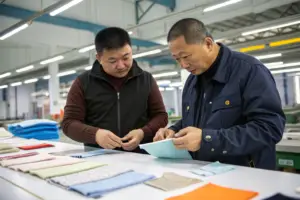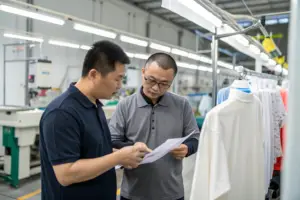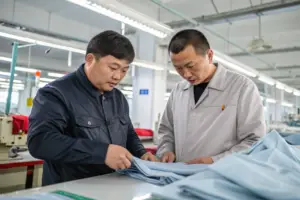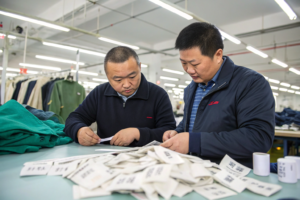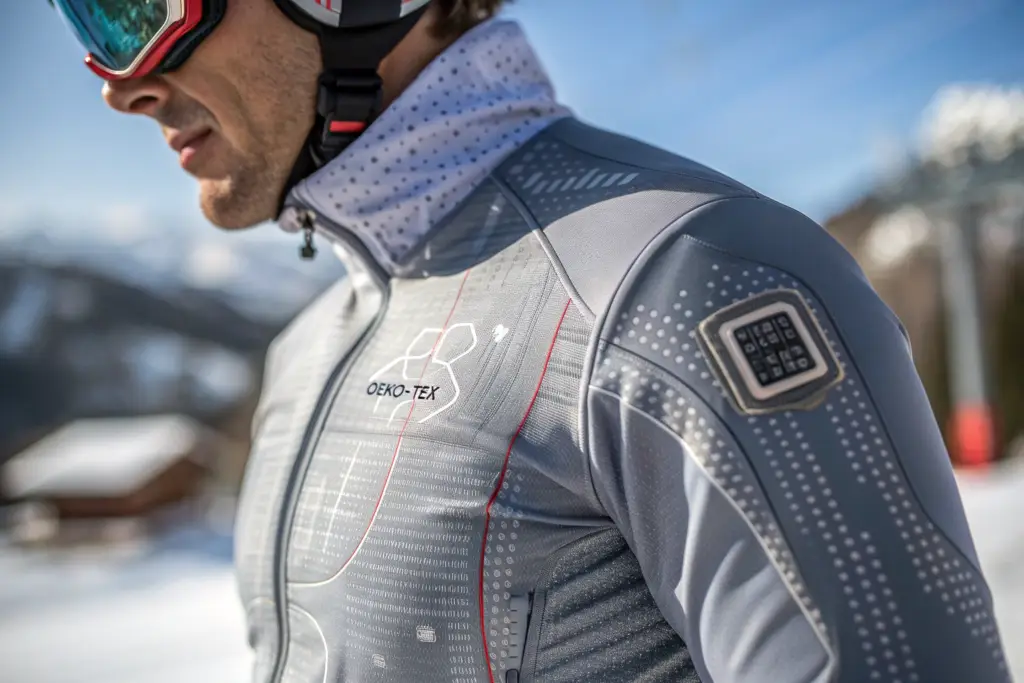
The ski industry is racing toward a connected future. We see jackets with heated panels, gloves with touchscreen compatibility, and biometric sensors woven into clothing. But here’s the critical problem most tech companies miss: all these brilliant devices sit directly against the skin. If the base layer fabric isn't chemically safe, you're not just selling a wearable—you're risking a liability. As a manufacturer working at this intersection, I can tell you that the success of next-generation ski tech depends as much on textile safety as on silicon.
Smart ski wearables absolutely require OEKO-TEX certified base layers because the combination of sweat, heat, prolonged skin contact, and embedded electronics creates a unique chemical exposure risk. Certification ensures that no harmful substances from the textile can interfere with skin health or device functionality, forming the essential safe foundation upon which all smart technology must be built. It’s the non-negotiable first layer of a truly intelligent system.
We learned this through direct experience. In 2023, a startup developing a heated ski vest with integrated heart rate sensors approached us. Their prototype used a cost-cutting synthetic fabric that caused skin irritation during extended wear tests. The issue wasn't the heating elements; it was residual chemicals in the untreated fabric reacting to sweat and warmth. By switching to an OEKO-TEX STANDARD 100 Class II certified conductive fabric, we eliminated the irritation and their product passed all biocompatibility checks. The certification became a key selling point for their health-focused marketing.
The Chemistry of Skin & Tech: Why Base Layer Safety is Non-Negotiable
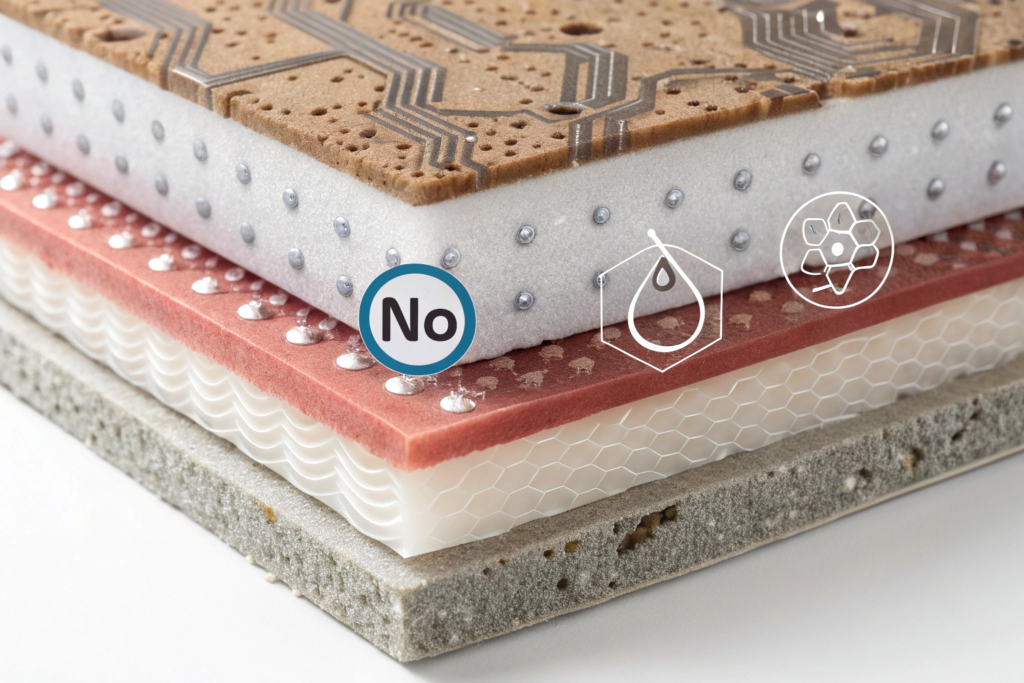
Skiing is a high-exertion sport. The body heats up, sweats, and then cools down repeatedly. This creates a dynamic micro-environment between the skin and fabric. When you add a smart textile—with conductive inks, metallic yarns, adhesives for sensors, or laminated circuitry—you introduce new materials into this intimate zone. Without rigorous safety controls, this becomes a perfect storm for chemical leaching and skin reactions.
The non-negotiable nature of base layer safety stems from three factors: 1) Bio-compatibility: Smart fabrics must be safe for prolonged dermal contact, especially under sweat (acidic/alkaline) conditions. 2) System Integrity: Chemical residues from textiles can corrode delicate conductive elements or disrupt sensor accuracy over time. 3) Regulatory Foresight: Health-tracking devices enter a gray area between apparel and consumer electronics, attracting scrutiny from both textile and health product regulators. OEKO-TEX testing simulates these exact conditions.
Consider a moisture-sensing fabric designed to regulate heating pads. If the dye in the fabric isn't colorfast to perspiration, the leaching dye could stain the skin and, more critically, deposit residues on the optical sensors, causing false readings. An OEKO-TEX test for "colorfastness to perspiration" specifically checks for this. Last season, we prevented this exact failure for a client by insisting on certified materials from the start, safeguarding both user experience and the device's core functionality. This is why understanding textile chemistry is vital for wearable tech.
How does sweat and heat increase chemical exposure risk?
The physiological conditions of skiing act as an accelerant:
- Sweat (Perspiration): Acts as a solvent. OEKO-TEX tests measure "extractable heavy metals" and "colorfastness" specifically under artificial perspiration solutions (acidic and alkaline).
- Body Heat: Increases molecular activity, potentially facilitating the release of volatile organic compounds (VOCs) or formaldehyde from binders or finishes.
- Friction & Pressure: The constant movement and tight fit of base layers can mechanically abrade the fabric, potentially releasing microparticles.
For a smart garment, this means any unstable chemical present—in the fabric dye, the conductive print, or the laminate adhesive—has a heightened pathway to the user's skin. An OEKO-TEX certified material has been proven stable under these simulated stresses.
What specific smart wearable components need scrutiny?
It's not just the base fabric. Every add-on must be evaluated:
- Conductive Inks/Yarns: Often contain silver, copper, or carbon. OEKO-TEX checks for heavy metal release from these materials.
- Adhesives & Laminates: Used to attach sensors or circuit boards. Must be tested for residual monomers and plasticizers (e.g., phthalates).
- Encapsulation Materials: Silicone or PU coatings that protect electronics. Need verification for chemical safety and low VOC emissions.
At Shanghai Fumao, we have developed a dedicated sourcing protocol for "smart-ready" OEKO-TEX certified fabrics and components. This pre-vetted library allows tech brands to innovate faster without compromising safety, a necessity in the fast-paced wearable technology market.
OEKO-TEX as a Shield: Protecting Your Tech Investment & Brand
For a startup investing hundreds of thousands in R&D for a smart ski gilet, the greatest financial risk might not be a software bug—it could be a dermatological one. A single product recall due to skin reactions can bankrupt a small company and irreparably damage an established brand. OEKO-TEX certification acts as a pre-emptive shield, providing independently verified due diligence that protects your capital and reputation.
OEKO-TEX certification is your most cost-effective risk management tool. It transforms subjective claims of "skin-friendly" into objective, internationally recognized proof. This proof is crucial for attracting investors, securing retail shelf space (especially in regulated markets like Europe and Japan), and defending against potential liability claims. In the eyes of the law and the market, it demonstrates that you exercised a high duty of care. This is invaluable for products making health or performance claims.
A client in the biometric sports bra space shared their story with us. Before launching, a large retailer demanded proof of chemical safety for the intimate apparel category. Their competitors had only self-declared compliance. Our client provided OEKO-TEX STANDARD 100 Class II certificates for every fabric and component. This documentation was the decisive factor in winning the contract, as it de-risked the purchase for the retailer. The certification cost was minor compared to the revenue and credibility gained.
How does certification impact liability and insurance?
In the event of a consumer complaint, your OEKO-TEX certificate is your first line of defense. It demonstrates that:
- You sourced materials meeting stringent, independent safety standards.
- You conducted due diligence beyond basic legal requirements.
- The product was designed with safety as a priority.
This can significantly influence liability discussions and may even affect product liability insurance premiums. It shows a proactive, systematic approach to risk mitigation, which is far more compelling than a simple "our fabric supplier said it was safe" argument.
Why is this critical for crowdfunding and investor pitches?
Tech startups often launch via Kickstarter or seek venture capital. Backers and investors are increasingly savvy about supply chain risks. Presenting OEKO-TEX certification in your pitch does two things:
- Builds Trust: It shows you understand and are addressing hidden manufacturing risks.
- Validates Maturity: It signals that your product development process is thorough and commercially ready for scaling.
It's a tangible asset that answers a critical question before it's asked: "How do you know your product is safe to wear?" Resources like the American Apparel & Footwear Association (AAFA) often highlight such risk management steps as industry best practice.
Case Study: Integrating Certification into Smart Textile Development
Let's move from theory to practice. How does a brand actually build OEKO-TEX safety into a smart garment from the ground up? The process must be parallel, not sequential. You cannot design the electronics first and then look for a safe fabric as an afterthought. Safety and functionality must be co-developed.
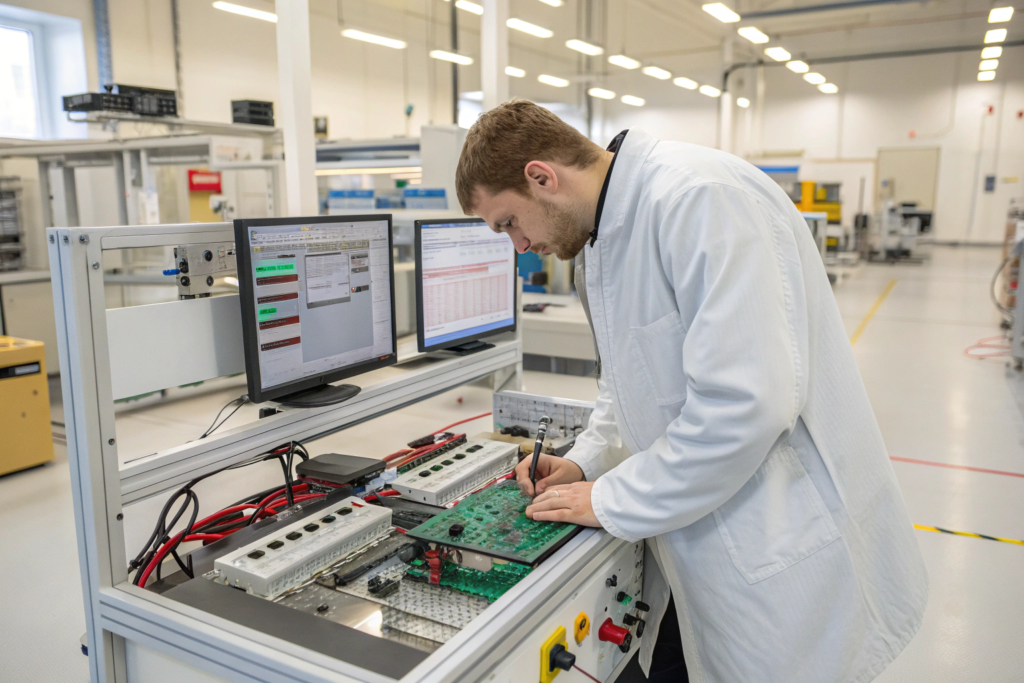
Successful integration follows a "Safety by Design" methodology. This means selecting OEKO-TEX certified base materials before finalizing electronic integration methods, then subjecting the complete prototype assembly to verification testing. The key is to treat the textile not as a passive substrate, but as an active, safety-critical component of the electronic system. This approach prevents last-minute, costly redesigns.
We are currently working with a brand on a next-generation heated glove. Their initial design used a non-certified conductive thread for heating elements, sewn into a certified shell fabric. While the shell was safe, the thread failed our in-house screening for nickel release—a common allergen. By catching this in Phase 1, we worked with their thread supplier to source an OEKO-TEX compliant alternative. The cost and delay of switching threads at that stage were minimal. If discovered after production, it would have been catastrophic. Our role at Shanghai Fumao is to be this integrator and gatekeeper.
What does the "Safety by Design" workflow look like?
Here is a practical phase-gate process:
| Phase | Activity | Certification Focus |
|---|---|---|
| Concept & Sourcing | Select base fabrics, conductive materials, adhesives. | Ensure all candidate materials have OEKO-TEX certificates or can be tested. |
| Prototype Assembly | Integrate electronics into textile structure. | Build prototypes using only pre-vetted, certified components. |
| Verification Testing | Send complete, functioning prototype to an OEKO-TEX lab. | Test the finished "smart textile article" as a whole, not just its parts. |
| Production Ramp-up | Scale manufacturing with certified material batches. | Maintain traceability: link each production lot to its component certificates. |
This workflow ensures safety is embedded, not inspected in later. It requires close collaboration between the brand's tech designers and the factory's compliance team from day one.
What are common pitfalls in the development process?
The two biggest mistakes we see are:
- The "Black Box" Module: Sourcing a pre-made, uncertified heating or sensor module and sewing it into a certified garment. The entire finished article, including the module's textiles and adhesives, must be certified.
- Ignoring Wash Cycles: Smart garments must be washable. OEKO-TEX tests after multiple washes. Tech brands must ensure their electronic components are sealed in a way that doesn't compromise the textile's safety after repeated laundering (e.g., no cracking sealants that release chemicals).
Addressing these requires a factory partner with experience in both technical garment manufacturing and electronics integration, a specialty we've cultivated.
Beyond STANDARD 100: OEKO-TEX Ecosystem for Tech Apparel
For truly forward-thinking smart apparel brands, OEKO-TEX STANDARD 100 is the entry ticket. The full ecosystem offers more powerful tools for marketing, transparency, and sustainability that align perfectly with the high-value proposition of wearable tech. OEKO-TEX MADE IN GREEN and OEKO-TEX STeP provide the holistic story that tech-savvy, environmentally conscious consumers demand.
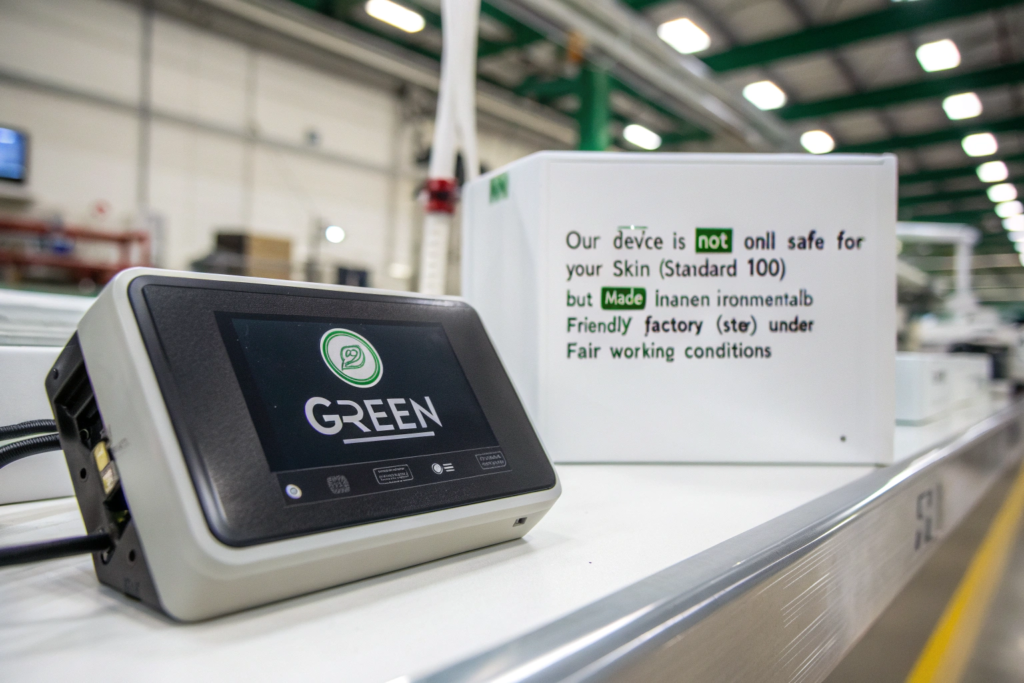
Leveraging the full OEKO-TEX ecosystem allows you to tell a complete brand story: "Our device is not only safe for your skin (STANDARD 100) but made in an environmentally friendly factory (STeP) under fair working conditions, and you can trace its origin (MADE IN GREEN)." This multi-layered trust is extremely powerful for products priced at a premium. It answers the deeper questions of the modern consumer.
We helped a brand achieve OEKO-TEX MADE IN GREEN certification for their smart running tights. The unique QR code on the label allowed users to see the production facilities, including our STeP-certified factory floor at Shanghai Fumao. This transparency became a central part of their marketing campaign, appealing to consumers who care about ethical manufacturing and data provenance—the same consumers likely to buy advanced wearables. It connected the story of personal biometrics to responsible production biometrics.
What is the value of OEKO-TEX STeP for electronics integration?
OEKO-TEX STeP (Sustainable Textile and Leather Production) certifies the manufacturing facility's environmental and social performance. For a tech brand, this is crucial because:
- Chemical Management: STeP assesses safe handling and storage of chemicals—critical when factories are dealing with conductive inks and specialized adhesives beyond standard dyes.
- Environmental Performance: It validates reduced water/energy use and proper wastewater treatment, appealing to the sustainability values of your customer base.
- Supply Chain Due Diligence: It proves your product is made in a responsible facility, mitigating "greenwashing" accusations.
How does MADE IN GREEN enhance consumer trust?
The OEKO-TEX MADE IN GREEN label provides a traceable ID. A consumer can scan a QR code and see:
- The product's STANDARD 100 certificate.
- The STeP certificate of the manufacturing facility.
- The countries where production stages occurred.
For a complex, high-tech product, this radical transparency demystifies its origin and builds immense brand loyalty. It turns the hidden supply chain into a feature.
Conclusion
The trajectory of smart ski wearables is clear: more integration, more biometrics, more intimate contact. The brands that will lead this market are those that recognize safety as the primary feature, not an afterthought. OEKO-TEX certification is the foundational technology that makes all other innovation possible and permissible. It is the standard that allows you to explore the frontiers of wearable tech without venturing into the wilderness of product liability and consumer distrust.
Your development process must prioritize material safety with the same rigor as you apply to firmware updates. This requires a manufacturing partner who speaks both the language of textile chemistry and the language of integrated circuits.
If you are developing the next generation of smart ski apparel and need a partner who understands that safety is the ultimate smart feature, let's build it on a foundation of trust. At Shanghai Fumao, we combine OEKO-TEX certified material sourcing with specialized experience in smart textile assembly. We ensure your groundbreaking wearable is as safe as it is intelligent. Contact our Business Director, Elaine, to discuss integrating certified safety into your product roadmap from day one. Reach her at: elaine@fumaoclothing.com.