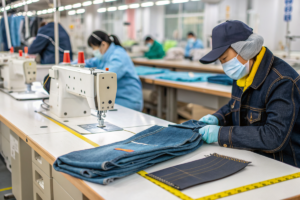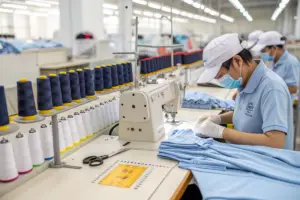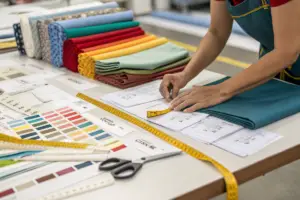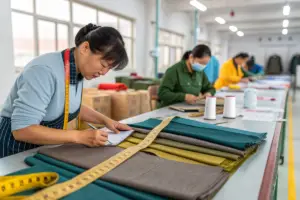
Is the higher cost of OEKO-TEX certified ski wear a smart investment or just an added expense? For brand owners sourcing in bulk, this question directly impacts profitability and brand reputation. Navigating the complex landscape of textile certifications can be confusing, especially when balancing cost against consumer demand for safety and sustainability. Let's break down the real impact of this specific certification on your bottom line.
OEKO-TEX certification for wholesale ski wear adds a measurable but justifiable cost to the final price. This premium covers rigorous independent laboratory testing for harmful substances, ensuring the fabric and final garment are safe for human skin contact. For businesses, this cost translates into a powerful market advantage, reducing liability and aligning with growing consumer demand for verified, non-toxic products.
Understanding this balance is key for any apparel business owner. The global market for safe textiles is expanding rapidly, and your sourcing decisions must account for both compliance and cost-effectiveness. I've seen firsthand how the right certifications open doors to premium retailers.
What is OEKO-TEX Certification and Why Is It Crucial for Ski Wear?
When sourcing ski jackets and pants, you're not just buying fabric; you're buying trust. OEKO-TEX certification is an independent, standardized global testing and certification system for raw, semi-finished, and finished textile products. For ski wear, which involves prolonged direct contact with skin during high-exertion activities, this certification is non-negotiable. It verifies that every component, from the outer shell to the inner lining and even the zippers, is free from a wide range of regulated and unregulated harmful substances.
The certification is crucial because ski wear is a high-performance product category where safety cannot be compromised. The body sweats during skiing, and heat can potentially cause harmful chemicals to leach from low-quality dyes or finishes. OEKO-TEX certification provides an objective, internationally recognized seal that protects the end-user and, by extension, your brand from the risks of chemical allergens or irritants. This is why major brands insist on it.
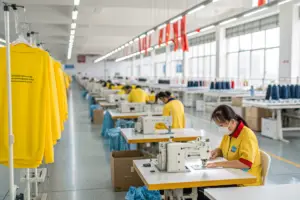
At Shanghai Fumao, we integrated OEKO-TEX testing into our production flow five years ago. The decision came after a specific incident where a European client faced a costly product recall due to trace amounts of a restricted substance in the water-repellent coating. Since mandating certification for all our performance wear, including our ski wear line, we have had zero chemical compliance issues. Our clients, especially those in North America and Europe, now expect this as a baseline.
How does the OEKO-TEX testing process work for technical fabrics?
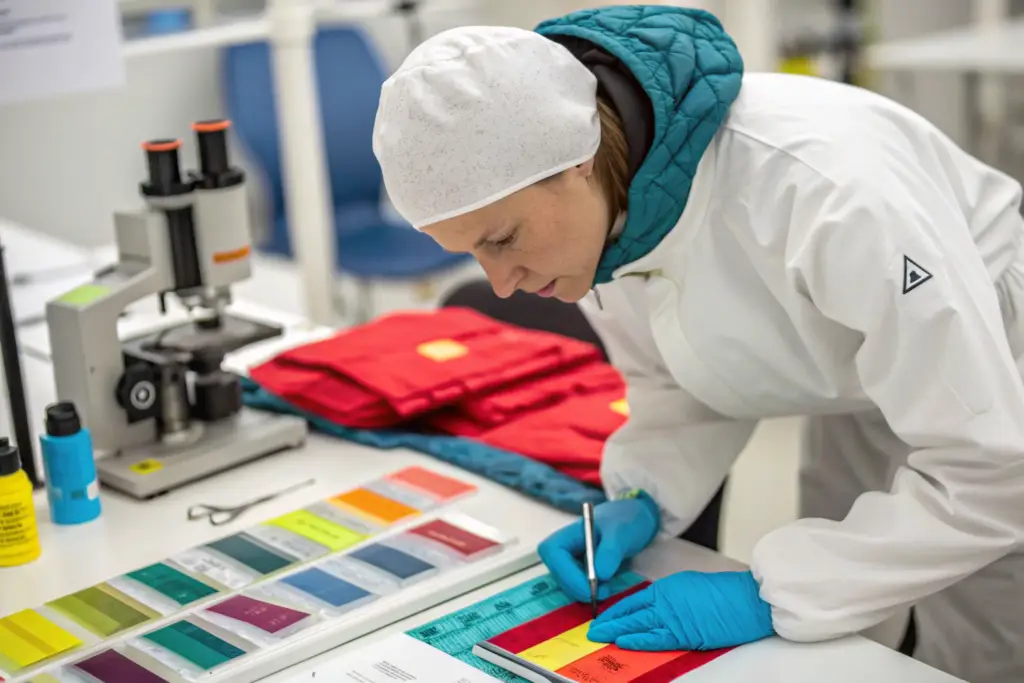
The process is systematic and thorough. For a ski wear order, our material sourcing team first selects fabrics and components from suppliers who can provide evidence of compliance. Samples are then sent to an authorized OEKO-TEX institute laboratory. The labs test for over 100 individual parameters, including pesticides, chlorinated phenols, cadmium, and allergenic dye stuffs. The key for technical fabrics like those used in ski wear is that the tests are conducted under simulated "wear conditions," considering factors like perspiration. This is different from a simple mill test report. The cost and time for this process are built into our development timeline. We often advise clients to plan for an extra 2-3 weeks in the development phase for certification handling. The investment, however, prevents far greater delays and costs from failed inspections at the port of entry. Reliable information on the standard can be found on the OEKO-TEX official website, and the importance of such testing in the supply chain is highlighted by resources like the American Apparel & Footwear Association (AAFA).
What specific ski wear components does the certification cover?
Many importers mistakenly believe certification only applies to the main fabric. In reality, OEKO-TEX STANDARD 100 certification must cover every article that is part of the final garment with a weight percentage over 1%. This includes:
- Outer shell fabric (e.g., nylon, polyester)
- Insulation (e.g., down, primaloft)
- Membrane (e.g., GORE-TEX, other PU membranes)
- Linings and mesh
- Sewing threads
- Zippers, buttons, and other trims
- Prints and laminated labels
For a Shanghai Fumao client last year, we produced a line of high-end ski bibs. The client initially wanted to skip certifying the embroidered logo patches to save cost. We strongly advised against this, explaining that a retailer's random spot-check could fail the entire batch if one component was non-compliant. We sourced certified embroidery thread and managed the certification for the complete garment. The client successfully delivered to a major U.S. outdoor retailer, avoiding a potential disaster. The complexity of modern garment construction makes this holistic approach essential.
Does OEKO-TEX Certification Directly Increase My Unit Cost?
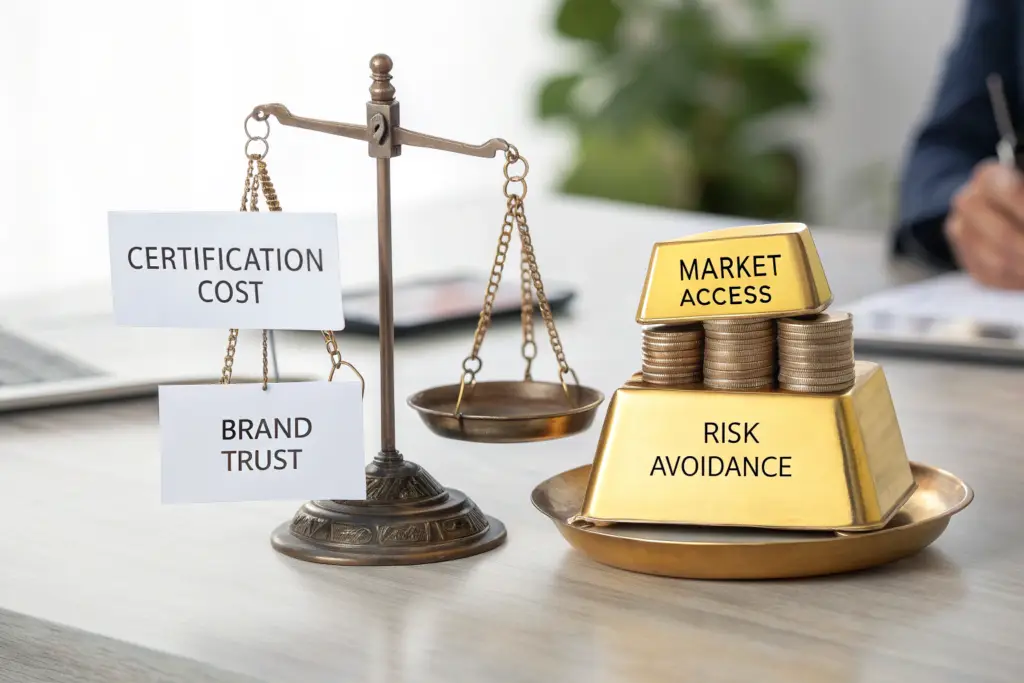
The short answer is yes, but the increase is quantifiable and should be viewed as a value-added cost, not just an expense. The certification introduces several direct costs: laboratory testing fees, certification license fees for the production article, and potential costs for using pre-certified, often slightly more expensive, materials. These costs are then amortized across the total order quantity.
The direct unit cost increase typically ranges from 1% to 5%, depending on the order volume and complexity of the garment. For a large wholesale order of 10,000 ski jackets, the absolute cost per piece might only increase by a few dollars. However, this small increase buys immense value: market access, reduced risk, and a stronger brand story. The alternative—facing a customs hold, a recall, or negative publicity—can cost hundreds of thousands.
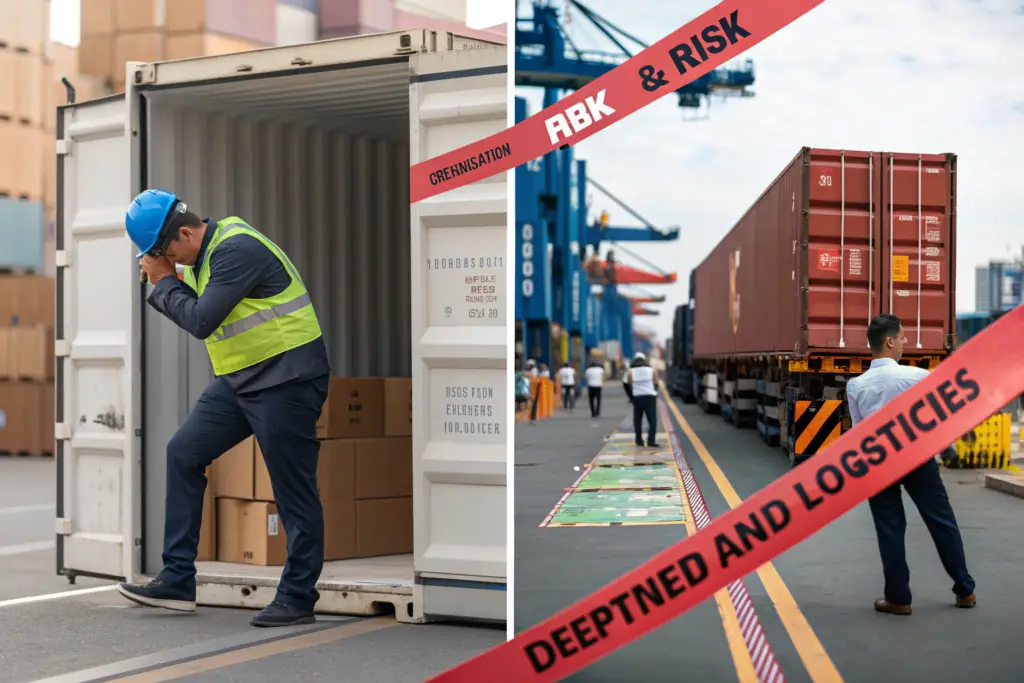
Think of it as insurance. A U.S. brand we partnered with in 2022 decided to forgo certification on a mid-tier ski pant order to hit a aggressive price point for a large discount chain. The goods were manufactured and shipped. Upon arrival in Long Beach, a random CPSC (Consumer Product Safety Commission) inspection flagged the product for potential phthalates in the plastic buckle. The entire container was held for 6 weeks for testing, causing the brand to miss the entire winter selling season. The storage and testing fees alone dwarfed the original certification cost. We now use this case study to show new clients the true economics of compliance.
What are the breakdowns of the certification fees?
The fee structure has two main parts. First, the testing fee: this is a fixed cost per article (e.g., the main shell fabric, the lining, the zipper) sent to the lab. It can range from a few hundred to over a thousand dollars per article. Second, the license fee: this is based on the annual sales volume of the certified article. For a factory like ours, we pay an annual license to use the label on our certified products. When we calculate the FOB price for a client, we spread the one-time testing fee and our annual license cost proportionally across the projected order volume for the season. Here’s a simplified table for a hypothetical ski jacket order:
| Cost Component | Description | Approx. Impact per Jacket (10,000 pcs order) |
|---|---|---|
| Material Testing | Lab fees for shell, lining, insulation, zippers | $1.50 - $3.00 |
| Factory License Fee | Annual fee amortized over production volume | $0.50 - $1.00 |
| Certified Material Premium | Surcharge for using pre-certified fabrics/trims | $0.50 - $2.00 |
| Total Estimated Increase | $2.50 - $6.00 |
Can I reduce certification costs with larger order volumes?
Absolutely. This is where economies of scale work in your favor. The testing fee is largely fixed. Whether you test a fabric for 500 jackets or 5,000 jackets, the lab cost is similar. Therefore, the per-unit cost of certification decreases significantly as your order quantity increases. Furthermore, a long-term partnership with a factory that maintains a broad library of already-certified materials is key. At Shanghai Fumao, we invest in certifying our most popular base fabrics and common trims annually. This means when a client chooses from our certified material library, they avoid the testing fee and time for those components, sharing only in the amortized license cost. This system provides both cost efficiency and speed to market. For brands planning a multi-season product line, this strategic approach is critical.
How Does This Cost Translate to Retail Price and Consumer Value?
The added cost from certification must be justified in the final market price. Savvy brand owners don't absorb this cost; they communicate its value. The retail markup on apparel typically multiplies the landed cost by 2.2x to 2.8x. Therefore, a $5.00 certification cost increase at the FOB level might result in a $12 to $14 increase at the retail shelf.
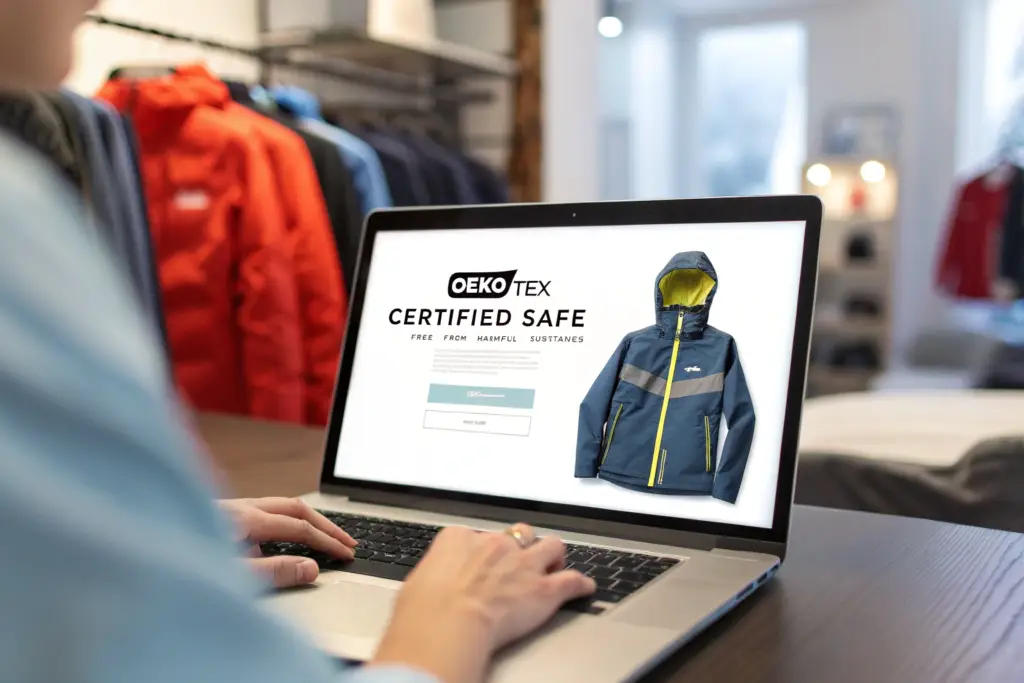
This price increase is readily accepted by today's informed consumers. The OEKO-TEX label is a visible, trusted mark that answers growing concerns about product safety and environmental impact. It provides a competitive edge in crowded marketplaces like Amazon or specialty outdoor stores. For your brand, it’s a tangible proof point for marketing claims about "safe," "clean," or "responsible" products. It turns a compliance necessity into a sales asset.
We worked with an emerging direct-to-consumer ski brand from Colorado. They positioned themselves around "pure mountain performance." By prominently featuring the OEKO-TEX certification on their product pages and hangtags, they were able to command a 15% price premium over similar uncertified competitors. Their marketing focused on the peace of mind for parents buying kids' ski wear and for adults with sensitive skin. This clear storytelling, backed by the independent certificate, directly drove their premium positioning and healthy profit margins.
What is the consumer perception and demand for certified apparel?
Consumer awareness is higher than ever. A 2023 survey by a major retail analyst showed that over 60% of consumers in North America and Europe actively look for sustainability or safety labels when purchasing apparel, and they are willing to pay more for them. OEKO-TEX is one of the most recognized labels in this space. For ski wear, which is often purchased by parents for children or by enthusiasts who invest in their gear, this trust factor is paramount. It reduces the perceived risk of purchase. Brands that can provide this assurance through a recognizable third-party label build stronger customer loyalty and reduce return rates. This aligns with broader trends in sustainable fashion where transparency is valued.
How should I market the certification to maximize ROI?
Simply slapping the label on a hangtag is not enough. Integrate the certification into your core brand narrative. Use it in your:
- Product Descriptions: "Our ski wear is OEKO-TEX STANDARD 100 certified, ensuring every layer is tested for your safety."
- "About Us" / Ethics Page: Explain what the certification means and why your brand chooses to invest in it.
- Social Media Content: Create short videos or graphics explaining the testing process and its benefits.
- Press Releases: When launching a new line, highlight certification as a key differentiator.
This turns a backend compliance cost into a front-end marketing tool that enhances brand value and directly supports your pricing strategy.
Can Ski Wear Be Profitable Without OEKO-TEX Certification?
Technically, yes, but the path is narrow and risky. You might service ultra-low-price market segments where consumers prioritize cost above all else. However, this segment is fiercely competitive and often leads to a race to the bottom on price and quality. More importantly, you risk severe business disruptions.
Operating without certification is a significant financial and reputational gamble. Major retailers, from specialty outdoor shops to large department stores, increasingly require such certifications as a condition for shelf space. Without it, your distribution channels shrink dramatically. Furthermore, you bear the full liability for any chemical-related issue, with no independent verification to defend your product. The potential costs of a single incident can erase profits from multiple seasons.
I recall a distributor client who sourced basic ski gloves from an uncertified factory to save cost. The gloves sold well initially. However, a few months later, they started receiving complaints about skin irritation. They had no documentation to prove the safety of the materials. They faced costly returns, negative online reviews, and ultimately had to pull the product. The loss in revenue and brand damage far exceeded any savings. They now only work with certified manufacturers, including us at Shanghai Fumao, for all their ski wear categories.
The risks are multi-faceted:
- Regulatory Holds: Customs authorities in the US (CPSC), EU, and Canada can detain shipments for testing. Delays can cause you to miss critical selling seasons.
- Retailer Rejections: Your product may fail a retailer's mandatory compliance audit, leading to cancelled orders and chargebacks.
- Product Liability: If a consumer alleges harm, you lack a key piece of evidence to defend your product's safety.
- Brand Erosion: In the age of social media, a single safety scandal can cause lasting damage.
These "hidden costs" are difficult to quantify in a cost sheet but are very real. Resources like the United States Fashion Industry Association (USFIA) often provide updates on regulatory changes that make certification even more critical.
When might sourcing non-certified ski wear make sense?
The only scenario where it might be considered is for a very small, test-order batch where the absolute cost of certification is prohibitive relative to the tiny order size, and the products are intended for a market with no regulatory or customer expectations for such labels. However, this approach severely limits your brand's growth potential from the start. Even for small batches, we often advise clients to use our pre-certified material library to keep costs manageable while still having a compliant product. This builds a foundation for scalable growth.
Conclusion
The question is not whether OEKO-TEX certification increases the price of wholesale ski wear, but whether you can afford the risks of not having it. The cost increase is a manageable, calculable investment that buys you security, market access, and a powerful consumer trust signal. In today's market, where consumers and retailers demand transparency and safety, this certification has shifted from a "nice-to-have" to a "must-have" for any serious apparel brand, especially in the performance wear sector.
The smart approach is to partner with a manufacturer who understands this balance and can implement certification efficiently. A good partner will have a library of pre-certified materials, transparent costing, and the experience to guide you through the process, turning a compliance requirement into a strategic brand asset.
If you are looking to develop or source ski wear that is competitively priced, reliably safe, and delivered on time, let's talk. We are dedicated to being the dependable, high-value manufacturing partner for ambitious brands. At Shanghai Fumao, we integrate certifications like OEKO-TEX into our full-package service, ensuring your products meet the highest standards without hidden surprises. To discuss how we can help bring your next ski wear collection to market successfully, reach out to our Business Director, Elaine. She can provide detailed insights and a transparent cost breakdown for your specific project. Contact Elaine at: elaine@fumaoclothing.com.