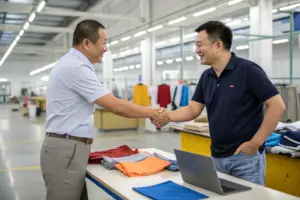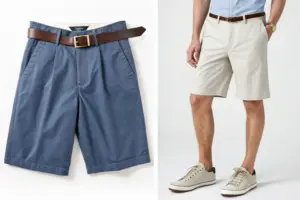
As a garment factory owner, I often hear this question from our American brand partners. They love the fluid silhouette of culottes and the cozy appeal of knitwear, but they worry about the chemicals used in making these trendy clothes. They ask us, “Can we have both style and safety?” The pressure is real. Brands face strict regulations and conscious consumers who demand transparency. This isn’t just about looking good; it’s about providing clothes that are safe for the skin and the environment.
The answer is a definitive yes. At Shanghai Fumao, we consistently prove that high-fashion items like culottes and knitwear can not only meet but exceed stringent OEKO-TEX® standards. This is achieved through a proactive, integrated approach that starts at the fiber selection stage and is embedded into every step of the manufacturing process, from dyeing to finishing. The journey requires a committed factory partner who understands the science behind the standards as much as the art of design.
Let me take you behind the scenes of our production lines. I will explain how we turn this complex challenge into a reliable, standard operating procedure for brands that want safe, stylish, and certifiable apparel.
How Can You Ensure OEKO-TEX Compliance from Fabric Sourcing?
The journey to a certified garment begins long before the fabric is cut. If the raw material fails, the final product fails. Many brands experience delays because they only test the finished product, only to discover non-compliance issues that are impossible to fix at that late stage. This reactive approach costs time and money.
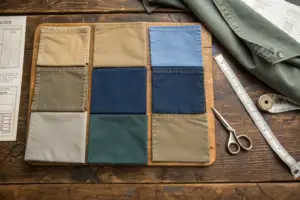
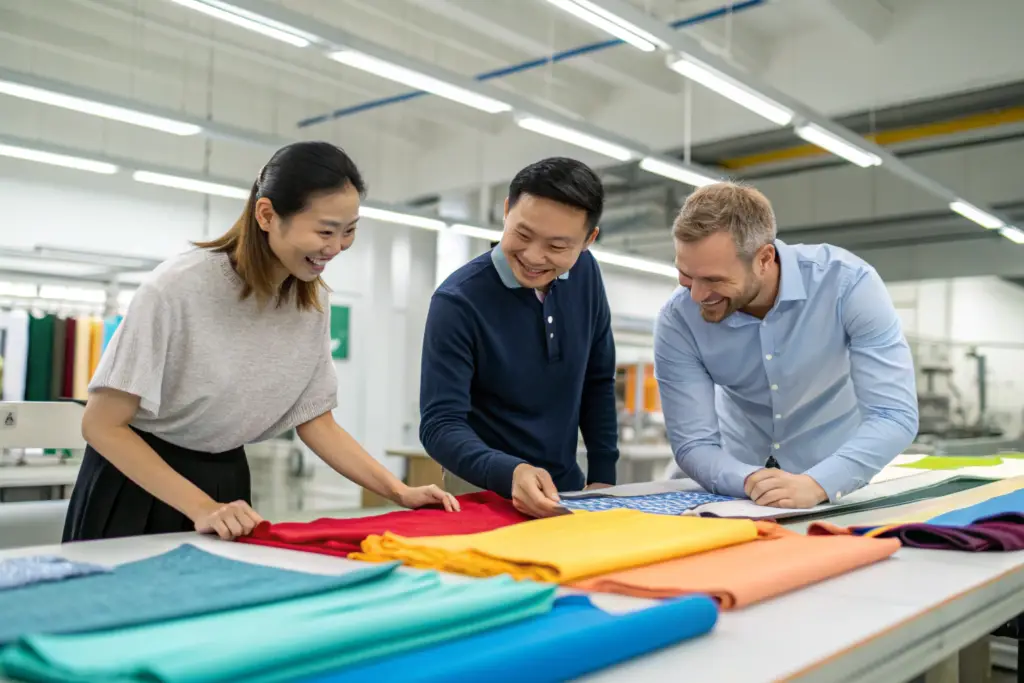
The only reliable method is to mandate OEKO-TEX® certification at the fabric mill level and validate it before production begins. We integrate certified fabric sourcing into our full-package manufacturing service, acting as your quality gatekeeper from the very start. We build long-term relationships with mills that share our commitment to safety and provide current, valid certification for their greige goods.
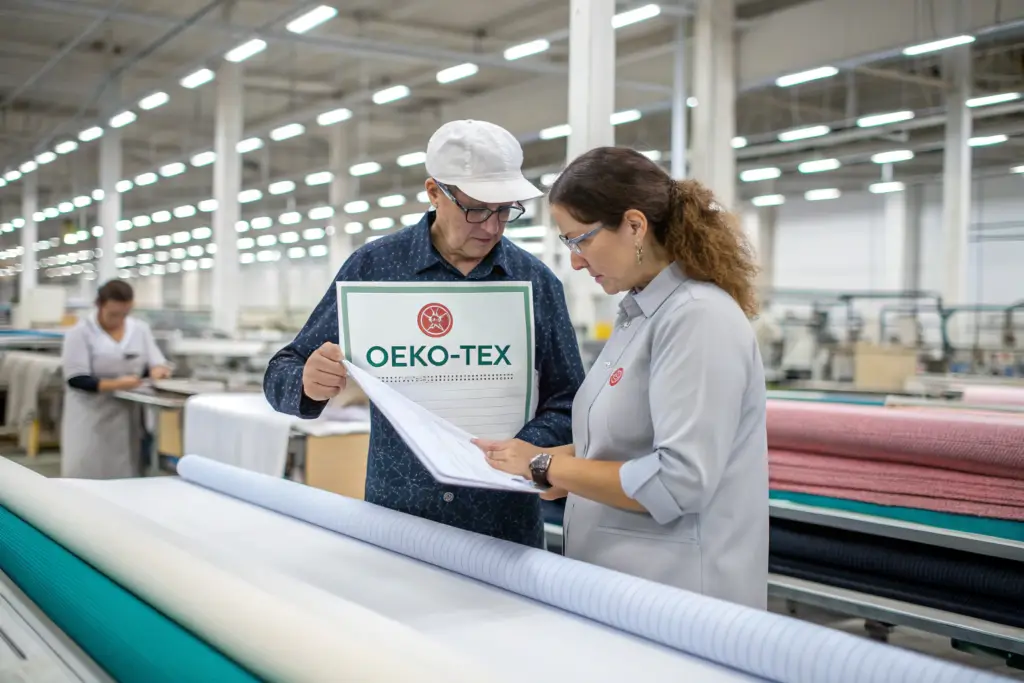
What Are the Critical Checkpoints During Fabric Procurement?
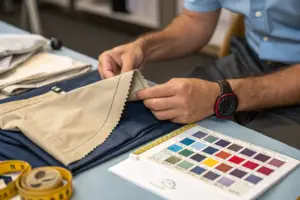
We treat every new fabric order as a fresh audit. First, we request the mill’s official OEKO-TEX® STANDARD 100 certificate for the specific fabric composition and colorant class. We don’t accept generic certificates. For example, a certificate for a polyester woven is not valid for a polyester-cotton knit. Second, we verify the certificate’s validity and scope through the OEKO-TEX® online certificate checker. Last year, a potential supplier for a line of trendy rayon culottes presented a certificate. Our check revealed it had expired three months prior. This simple verification saved our client from a major compliance risk and shipment delay. Partnering with a knowledgeable factory like Shanghai Fumao provides this crucial layer of supply chain oversight that brands often lack internally.
Why Is Dyehouse Selection as Important as the Fabric Mill?
The fabric might be safe, but the dyeing and finishing processes can introduce harmful substances. We ensure our fabric mills partner with dyehouses that also hold OEKO-TEX® certification for their processes. This creates a fully certified pipeline. We often request test reports from the dyed and finished fabric before it ships to our factory. For a recent project involving vibrant, color-block knitwear for a U.S. activewear brand, we received pre-shipment test samples. Our in-house lab conducted preliminary checks for pH and formaldehyde, two common failure points. This pre-emptive screening gave us and our client confidence before the bulk fabric arrived, streamlining the later official certification process for the final garments.
What Manufacturing Processes Risk OEKO-TEX Certification?
Bringing safe fabric into the factory is just half the battle. The manufacturing process itself can contaminate a product. Many factories overlook this, assuming their job is only to sew. We’ve seen cases where perfectly good fabric was compromised by using non-compliant sewing threads, interlinings, or even improper washing techniques. This is where on-the-ground expertise is irreplaceable.
The main risks in manufacturing come from auxiliary materials and uncontrolled wet processes. Every component, from thread and buttons to zippers and prints, must be OEKO-TEX® compliant. Furthermore, processes like washing, printing, and embroidery must use certified chemicals and dyes. At Shanghai Fumao, we maintain a controlled inventory of certified trims and have strict protocols for any subcontractors, like printers.
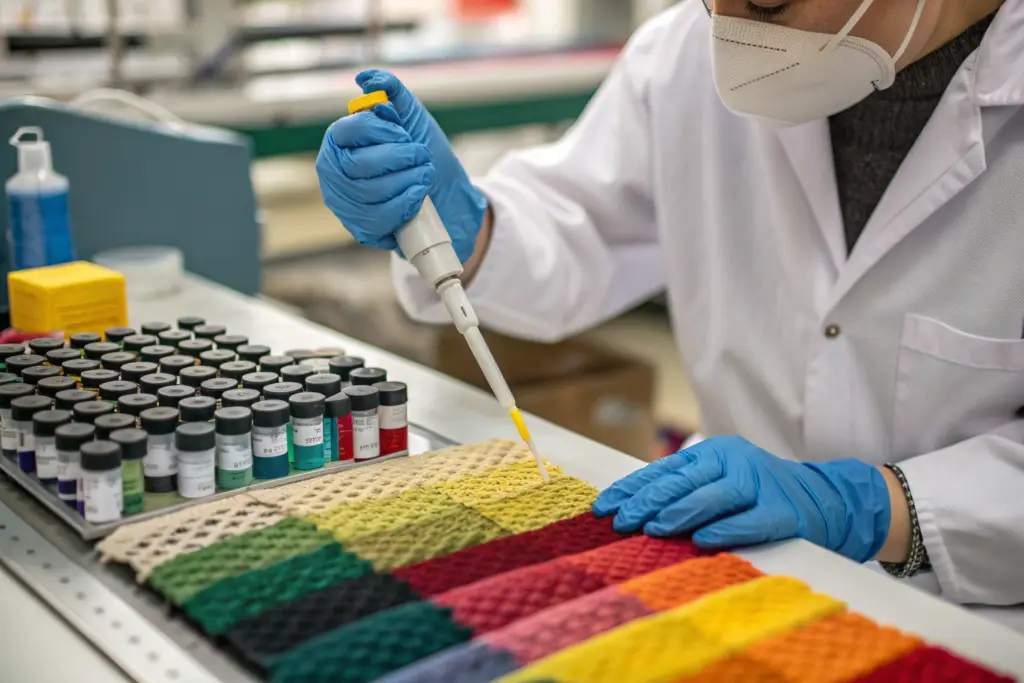
How Do You Control Auxiliary Materials and Trims?
We manage this with a centralized, approved vendor list (AVL) for trims. Every supplier on our AVL for OEKO-TEX projects must provide valid certificates for their products. For instance, we source our polyester sewing threads from a supplier whose entire production is certified. We don’t buy generic threads from the local market for certified orders. The same applies to labels, elastics, and buttons. We once assisted a client who had their culottes production done elsewhere; the shipment was rejected because the metal zipper pull contained excessive nickel. At our facility, such a component would never make it into our warehouse, let alone onto a garment. This strict supply chain management is non-negotiable for quality.
Can Garment Washing and Finishing Be Done Safely?
Absolutely, but it requires controlled chemistry and water treatment. Garment washing for a vintage look or enzyme washing for softness are popular for both culottes and knitwear. We partner with specialized laundry facilities that use OEKO-TEX® approved chemical kits. They also have proper wastewater management systems. We provide them with the fabric’s certification details and require them to use only compatible processes. For a line of stone-washed linen-blend culottes, we provided the laundry with the fabric certificate and approved the specific pumice stone and softener recipes beforehand. The final garments passed certification seamlessly. This level of control is part of the integrated service Shanghai Fumao offers, treating the entire supply chain as a single, accountable system.
Is Testing the Final Product Enough for Compliance?
Relying solely on a final product test is a high-stakes gamble. It is the most common reason for failed shipments and missed seasons. By the time you receive a failure report, the goods are already made, packed, and possibly even shipped. The financial loss can be devastating. This reactive model puts all the risk on the brand.
No, testing only the final product is not enough. It is a verification step, not a strategy. A robust compliance strategy is built on controlling the entire process, with final testing serving as the confirming seal of approval. Our approach is preventative. We build safety into the product from the ground up, making the final test a formality we are confident in passing.
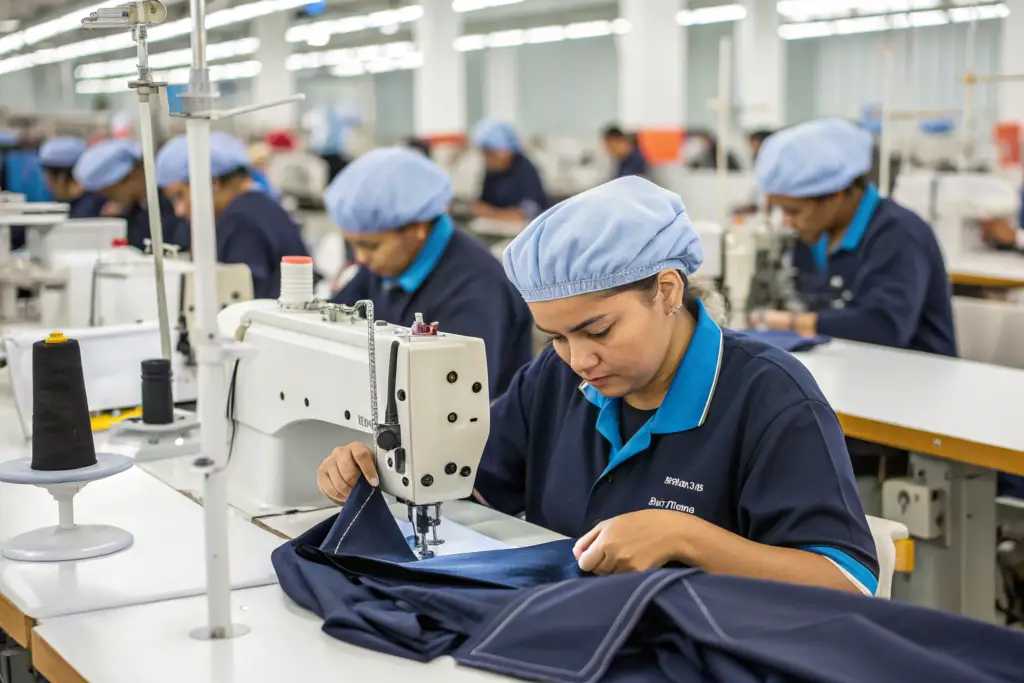
What Does a Comprehensive Testing Protocol Look Like?
Our protocol is multi-layered. Here is a typical flow for an OEKO-TEX® certified order at Shanghai Fumao:
| Stage | Material/Process Tested | Purpose | Action on Failure |
|---|---|---|---|
| Pre-Production | Fabric from mill (with cert) | Verify mill’s claim & baseline | Reject fabric batch before cutting |
| In-Production | Randomly selected trims (e.g., button batch) | Ensure auxiliary material compliance | Quarantine and replace non-compliant trim lot |
| Pre-Final Audit | First finished garment sample | Early warning system for assembly issues | Halt production, investigate process (e.g., contaminated water in washing) |
| Final Verification | Random samples from finished bulk | Official confirmation for certification | Required pass; batch is held until pass is confirmed |
We work with accredited third-party labs like SGS or Bureau Veritas for the final, official certification test. However, our in-house quality control team performs preliminary checks for key parameters, giving us early warnings.
How Do You Handle a Failed Test During Production?
Our layered testing is designed to catch failures early, when they can be corrected. If a pre-production fabric test fails, we reject the entire lot at the mill’s cost and expedite a replacement from our approved supplier. If an in-production check on, say, a screen print paste shows an issue, we stop that production line immediately. Last autumn, during a run of printed knit sweaters, our spot check indicated a potential issue with a certain colorant’s phthalates level. We halted printing, isolated the affected garments, and had the chemical supplier provide a new, certified batch of paste. The delay was two days, not two months. This proactive quality control management saved the order and the client’s holiday season launch.
What Are the Real Costs and Benefits of OEKO-TEX Certification?
Many buyers see certification as just another cost to be minimized. They focus on the price of the test report itself. However, this short-sighted view ignores the broader financial and reputational calculus. The true cost of not having certification can be far higher: product recalls, rejected shipments, brand damage, and lost consumer trust.
The direct costs include testing fees and often a slight premium for certified raw materials. The benefits, however, are substantial: guaranteed market access, enhanced brand value, reduced legal and financial risk, and a powerful marketing story. For ambitious brands, certification is not an expense; it’s an investment in brand equity and operational security. Working with a factory like Shanghai Fumao, which is experienced in efficient certification management, helps optimize these costs.

How Can You Optimize the Certification Investment?
Optimization comes from experience and scale. First, we group similar products into one certification application to reduce per-unit costs. For example, a line of culottes in three colors but the same fabric can be covered under one test. Second, we maintain a library of already-certified material combinations, which can sometimes be leveraged for new styles, avoiding redundant testing. Third, our established relationships with testing labs streamline the process, reducing administrative time. We recently guided a startup brand through their first OEKO-TEX project. By carefully planning their capsule collection around two certified base fabrics, we kept their testing costs 30% lower than their initial budget, making the certification achievable and demonstrating the value of expert guidance.
Does Certification Truly Impact Consumer Purchasing Decisions?
Increasingly, yes. Data and market trends show a clear shift. While the certification label itself might not be the sole purchase driver, it validates the brand’s claims of safety and sustainability. It provides a trusted, third-party seal that cuts through marketing noise. For a brand, it transforms a vague promise of “safe clothing” into a verifiable fact. This builds long-term customer loyalty and allows for premium positioning. Our clients who market their OEKO-TEX certification often report stronger sell-through rates, especially in categories like kids’ wear and premium knitwear where safety concerns are top-of-mind for parents. It becomes a key part of their brand story, justifying their market position and fostering trust.
Conclusion
Navigating the path to OEKO-TEX® certification for fashion-forward items like culottes and knitwear is entirely achievable with a strategic, process-oriented partner. The key lies in moving beyond a simple pass/fail test at the end. Success requires a holistic approach that encompasses certified fabric sourcing, controlled manufacturing with compliant trims and processes, and a multi-stage testing protocol designed to catch issues early. This methodology transforms certification from a risky cost center into a reliable component of your brand’s quality and value proposition.
The tangible benefits—uninterrupted market access, fortified brand reputation, and reduced risk—far outweigh the managed costs. It’s about building a responsible and resilient supply chain that protects your business as much as your end consumer. At Shanghai Fumao, we have integrated this philosophy into our operations. We have the systems, the partnerships, and the hands-on experience to guide your brand through this process smoothly and efficiently, ensuring your stylish designs are also synonymous with safety and trust. If your brand is ready to elevate its commitment to quality and safety, let’s discuss how we can make OEKO-TEX® certification a seamless part of your next collection.
We at Shanghai Fumao are dedicated to being more than just a manufacturer; we aim to be your trusted partner in building a responsible and successful brand. If you are looking for a reliable factory to produce your next line of OEKO-TEX certified apparel, from trendy culottes to comfortable knitwear, contact our Business Director Elaine to start a conversation. Her email is: elaine@fumaoclothing.com. Let us help you bring your vision to market with confidence.