
As a manufacturer who supplies both performance-driven brands and luxury lifestyle labels, I've watched golf evolve from a strict sport to a holistic lifestyle. Today's golfer isn't just buying a polo; they're curating an experience that blends performance on the course with comfort, wellness, and social responsibility off it. OEKO-TEX certification has unexpectedly become a key enabler of this modern lifestyle trend.
OEKO-TEX certification supports the golf lifestyle and leisure trend by providing the verified health and environmental assurances that modern consumers demand, seamlessly bridging the gap between high-performance sportswear and the conscious, comfort-focused apparel worn for travel, dining, and socializing—all under the umbrella of a trusted, wellness-oriented brand ethos. It’s the invisible thread connecting the 18th hole to the clubhouse lounge.
This synergy isn't accidental; it's a direct response to how the golf demographic lives, shops, and thinks. Let's explore the specific connections.
How Does Certification Align with the "Golf & Wellness" Movement?
Modern golf is increasingly marketed as part of a wellness lifestyle—time in nature, mental focus, and physical activity. Apparel is a part of that wellness equation, moving beyond mere functionality to become an item that supports holistic well-being.
OEKO-TEX aligns perfectly with the "Golf & Wellness" movement by guaranteeing that apparel worn for hours during physical activity is free from skin-irritating chemicals and allergens, thereby supporting physical wellness, while its association with responsible production aligns with the mental and ethical wellness of conscious consumers. It makes the garment itself an instrument of care.

Why is Skin Health a Core Part of Athletic Wellness?
Athletes are hyper-aware of their bodies. Skin irritation, rashes, or allergic reactions from clothing are not just discomforts; they are disruptions to performance and recovery. The rigorous OEKO-TEX STANDARD 100 tests for pH balance, formaldehyde, and allergenic dyes directly prevent these issues. For the lifestyle golfer who may go from a morning round to a spa afternoon, wearing apparel that is certified safe against the skin for extended periods is a non-negotiable aspect of self-care. Brands that highlight this are speaking directly to this wellness-first mindset.
How Does This Extend to Mental and Ethical Well-being?
The modern consumer, especially in the affluent golf demographic, experiences "wellness" as including ethical consumption. Wearing a brand that prioritizes verified safety and responsible manufacturing contributes to a sense of personal integrity and peace of mind. The OEKO-TEX label is a quick, recognizable symbol that the brand shares these values. It alleviates the "cognitive dissonance" of enjoying a sport in nature while wearing potentially harmful synthetics. This aligns with trends like mindful consumption and sustainable living, which are integral to the contemporary leisure lifestyle.
How Does OEKO-TEX Enable "Course-to-Clubhouse" Versatility?
The line between golf-specific and general leisurewear is blurring. The same polo worn on the course is now expected to perform at a business lunch or a resort dinner. This demands a new kind of fabric intelligence.
OEKO-TEX enables "course-to-clubhouse" versatility by ensuring that the advanced fabrics used for technical performance (moisture-wicking, stretch) are also fundamentally safe, odor-neutral, and comfortable for all-day wear, removing the need for a clothing change and supporting a seamless, versatile wardrobe. The certification covers the garment's entire lifecycle of use.

What Fabric Properties Support This Dual Use?
For true versatility, a garment must be:
- Technically Competent: Offers UV protection, moisture management, and stretch.
- Aesthetically Refined: Has a clean, pique or fine-knit texture, matte finish, and tailored fit.
- Inherently Safe and Fresh: Contains no chemicals that cause odor or irritation during all-day wear.
OEKO-TEX certification is the safeguard for the third, often invisible, pillar. It ensures that the chemical treatments enabling wicking or odor control won't become a social liability off the course. For instance, a common complaint about non-certified performance wear is a persistent "chemical smell" after sweating, which is unacceptable in social settings. Certified fabrics use approved chemistry that avoids this.
How are Brands Marketing This Versatility?
Progressive brands are building entire collections around this concept, with OEKO-TEX as a cornerstone claim. Their marketing language shifts from "Our fabric wicks sweat" to "Engineered for your day, from fairway to fireplace. Certified safe and fresh for wherever the day takes you." This positions the apparel as an investment in a versatile, reliable wardrobe piece, not just sport-specific gear. It appeals directly to the golfer who values simplicity, quality, and multi-functionality in their possessions.
Why is OEKO-TEX a Marker for Premium, Conscientious Leisure?
The golf lifestyle is inherently premium. Discerning consumers use product credentials as filters for quality and values. OEKO-TEX has evolved into one such marker, signaling a product that meets higher standards.
OEKO-TEX serves as a marker for premium, conscientious leisure because it is a globally recognized, difficult-to-achieve standard that appeals to educated consumers who use certifications as heuristics for quality, safety, and a brand's commitment to exceeding basic requirements—all values associated with a premium leisure lifestyle. It’s a badge of considered craftsmanship.
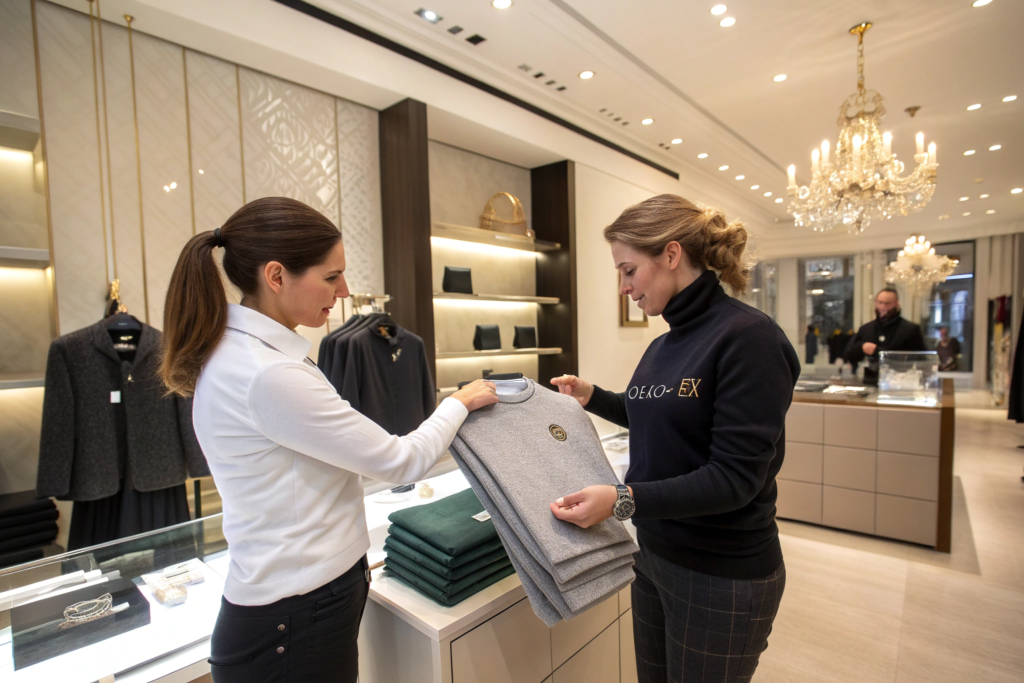
How Does This Influence Purchasing Decisions in High-End Markets?
In markets like North America, Europe, and East Asia, consumers at luxury resorts or private clubs are increasingly health-conscious and well-read. They may not know every OEKO-TEX test parameter, but they recognize it as a positive, science-backed indicator. In a choice between two similar-looking premium polos, the OEKO-TEX label can be the tie-breaker. It adds a layer of justification for the price point. For the buyer sourcing for these markets, providing this marker is essential to compete at the high end.
Does This Extend to Gifting and Corporate Merchandise?
Absolutely. The premium golf lifestyle includes gifting (client gifts, tournament prizes) and branded corporate wear for luxury developments. Gifting a certified item communicates care and respect for the recipient's well-being. It elevates the gift from generic branded merchandise to a considered, quality product. Companies wanting to project a responsible, high-quality image are now specifying OEKO-TEX for their custom orders, as it reflects directly on their own brand values.
How is This Trend Shaping Future Product Development?
The integration of lifestyle and certification is actively reshaping how we develop products at the factory level. It's no longer a separate compliance task; it's a design parameter.
This trend is shaping future product development by forcing the integration of certification requirements at the earliest design and fabric sourcing stages, encouraging innovations in natural and blended fibers that meet both performance and safety standards, and making full supply chain transparency a selling point for lifestyle brands. Development starts with the end lifestyle in mind.

What New Material Innovations Are Emerging?
To serve this trend, mills are developing fabrics that are inherently "lifestyle-friendly":
- Natural Performance Blends: E.g., merino wool-polyester blends that offer temperature regulation, odor resistance, and softness, all from fibers that easily pass OEKO-TEX.
- Recycled Luxury Fabrics: GRS-certified recycled polyester with a premium hand-feel, suitable for both a golf shirt and a travel layer.
- Bio-Based Finishes: Odor-control derived from mint or tea tree oil, which align with wellness narratives and are OEKO-TEX compliant.
At Shanghai Fumao, our R&D focus has shifted towards sourcing these "lifestyle-performance" hybrid materials. We recently developed a travel blazer for a golf brand using a stretch, wrinkle-resistant, and OEKO-TEX certified fabric—a direct response to this trend.
How is Transparency Becoming a Feature?
Lifestyle consumers crave stories. Brands are now using their OEKO-TEX certification as a starting point to talk about their responsible supply chain, often linking it to other initiatives like carbon-neutral shipping or partnerships with environmental causes. This comprehensive story becomes part of the brand's identity, deeply attractive to the modern leisure-oriented consumer who sees their purchases as an extension of their identity.
Conclusion
OEKO-TEX certification has transcended its technical origins to become a vital component of the modern golf lifestyle and leisure trend. It supports the movement towards holistic wellness, enables the desired versatility of apparel, acts as a marker of premium conscientious consumption, and is actively shaping the future of product innovation. For brands, leveraging this certification is no longer just about managing risk; it's about authentically connecting with the values and lifestyle aspirations of their customers.
To truly capitalize on this trend, partnering with a manufacturer that understands this integrated approach—where lifestyle aesthetics, technical performance, and verified safety are developed in unison—is crucial. If you are looking to build or refine a collection that speaks to the sophisticated, values-driven golfer of today and tomorrow, let's connect. Contact our Business Director Elaine at elaine@fumaoclothing.com to explore how Shanghai Fumao can help you craft apparel that supports the entire golf lifestyle journey.