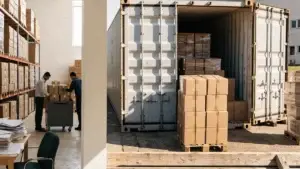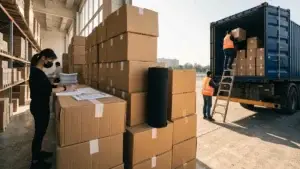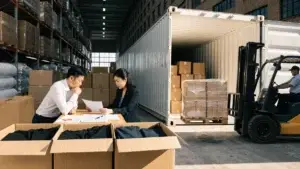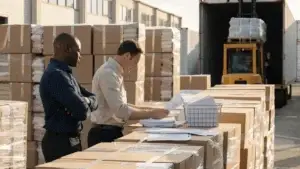
As a factory owner who has seen brands recover from product disasters and others that didn't, I can tell you directly: sourcing non-certified technical outerwear is one of the highest-risk decisions a buyer can make. A windproof jacket is a complex assembly of fabrics, membranes, laminates, and finishes—each a potential point of failure if not properly verified. The risks go far beyond simple quality defects.
Sourcing non-certified golf windproof jackets exposes your business to severe chemical compliance violations, catastrophic product failure in key conditions, irreparable brand reputation damage, and significant financial losses from recalls, rejected shipments, and lost sales—risks that are amplified by the jacket's multi-layer construction and performance promises. The cost of certification is insurance against these tangible threats.
Let's detail the specific and often hidden dangers that come with bypassing third-party verification for such a complex garment.
How Does Chemical Risk Amplify in Multi-Layer Jackets?
A windproof jacket is not a single piece of fabric. It's a system. Each layer and component introduces its own chemical inventory, and the bonding processes add another. Without certification, you are blind to this cocktail.
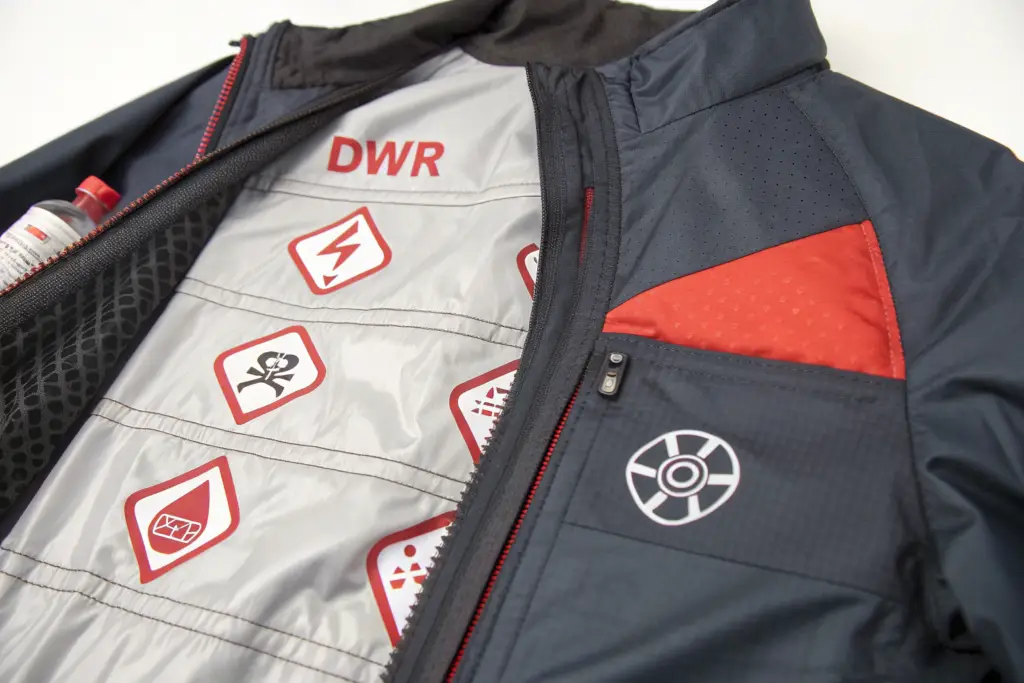
Chemical risk amplifies in multi-layer jackets because the construction involves laminated membranes, adhesive bonds, DWR (Durable Water Repellent) finishes on outer and inner fabrics, printed linings, and multiple trims—each potentially containing restricted substances like PFAS, phthalates (in PVC or prints), and formaldehyde, which can off-gas or transfer to skin through abrasion and sweat. The complexity multiplies the points of failure.
What are the Hidden Chemical Dangers in Laminates and Bonds?
The magic of windproofing often comes from a thin PTFE or TPU membrane laminated to the inner fabric. The adhesives used in this lamination process can contain solvents and plasticizers like phthalates, which are restricted in many markets. A non-certified jacket has no verified check on these "hidden" materials. We had a client who sourced seemingly good jackets from another factory; their in-house test later detected high levels of a restricted phthalate in the lining. The entire shipment was dead stock. The root cause was non-certified adhesive in the lamination process. OEKO-TEX certification would have flagged this at the material sourcing stage.
Can DWR Finishes Be a Liability?
Absolutely. Traditional DWR finishes often rely on long-chain PFCs/PFAS (perfluorinated chemicals), which are increasingly regulated due to environmental persistence and health concerns. The EPA and EU have strict limits. A non-certified jacket likely uses the cheapest DWR available, which may be non-compliant. Furthermore, the application process must be controlled to ensure even curing and prevent excessive formaldehyde release. Certification pushes mills towards compliant, often PFC-free alternatives and verifies safe application. The risk isn't just legal; golfers are outdoors people who may specifically avoid brands using harmful environmental chemicals.
What Performance and Durability Failures Are Likely?
When you skip certification, you also skip the performance benchmarks that are part of a full testing protocol. A jacket can look good but fail when it matters most.
Likely performance failures include delamination of the windproof membrane, rapid loss of water repellency, color transfer to inner layers, and seam tape failure—all of which are tested under OEKO-TEX for durability and fastness, but are unchecked in non-certified products, leading to customer returns and negative reviews during critical selling seasons. Performance claims become liabilities.
Why is Delamination a Common Catastrophe?
Delamination—where the inner membrane separates from the fabric—is a total garment failure. It's often caused by poor adhesive quality or improper curing during lamination. OEKO-TEX certification doesn't directly test for this, but the rigorous factory audit under the STeP or STANDARD 100 framework ensures the laminating supplier and process are controlled and certified. A non-certified factory cuts corners here. Last fall, a distributor faced a 40% return rate on a budget jacket line due to delamination after just a few wears. The factory had no certified laminate supplier and used a cheap, thermal adhesive that degraded with body heat and moisture.
How Quickly Can a Non-Certified DWR Fail?
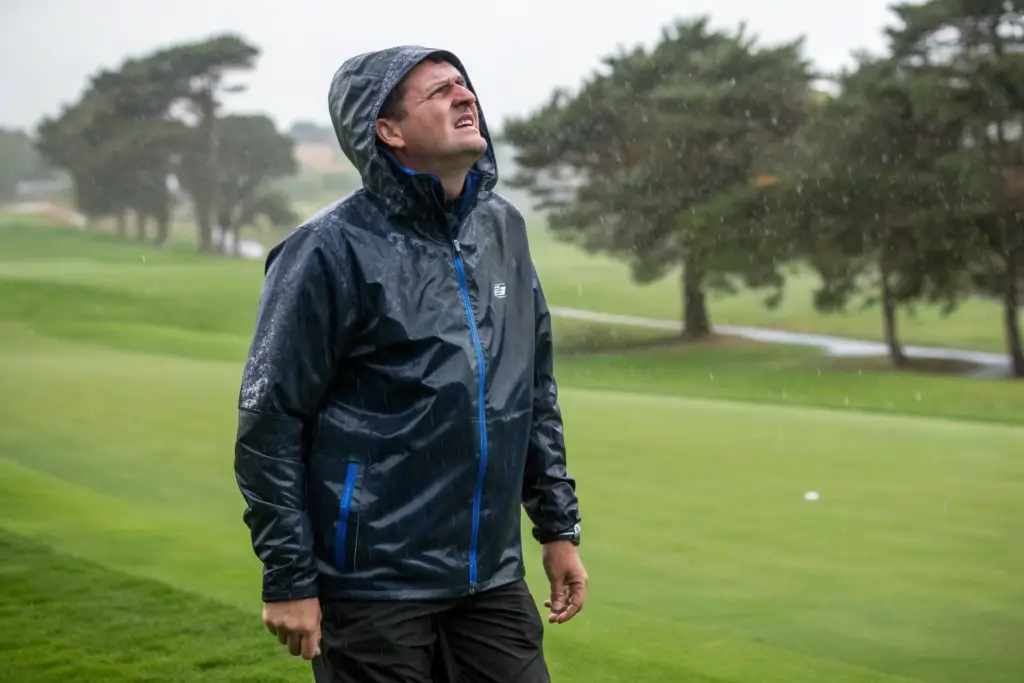
A non-certified DWR finish may not be properly cured or bonded. This leads to the finish washing out after 3-5 launderings, leaving the jacket soaking up water and losing its windproof breathability. OEKO-TEX tests for color fastness to washing and water repellency on the final product. Sourcing certified fabric ensures the DWR treatment meets durability standards. For a golfer caught in a sudden shower, this failure isn't just inconvenient; it ruins the round and their trust in your brand.
What Are the Financial and Legal Repercussions?
The immediate cost savings of a non-certified jacket are a mirage. The true costs emerge later, often magnified tenfold, and can threaten the viability of a small or mid-sized brand.
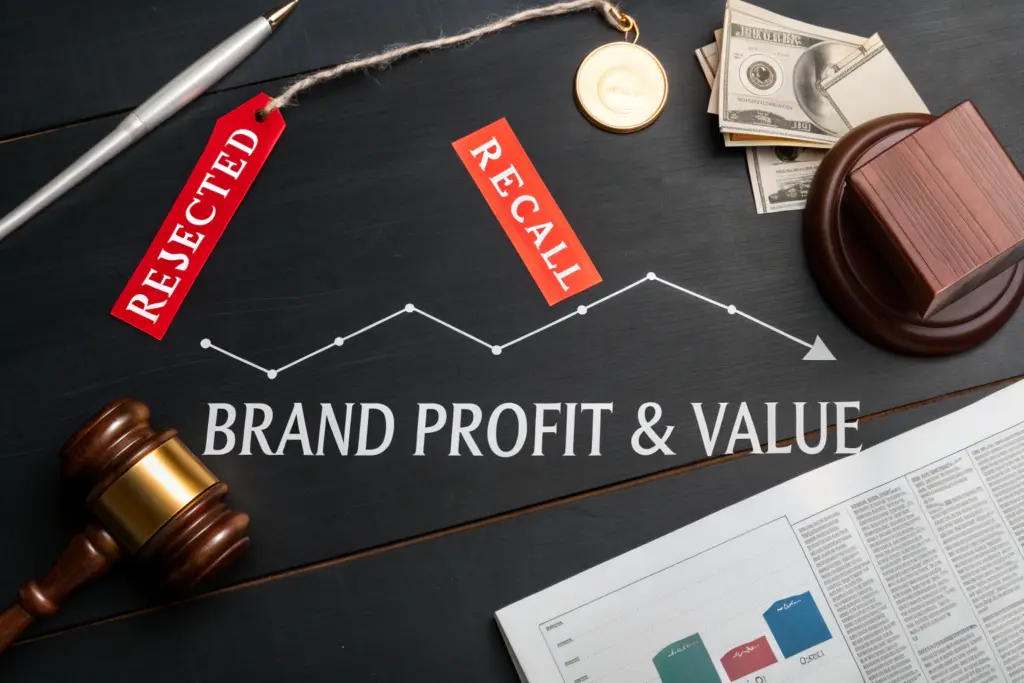
The financial and legal repercussions include direct costs for full-order recalls, destruction of seized inventory, fines from regulatory bodies, legal fees from consumer liability suits, and the devastating indirect cost of lost future sales and brand devaluation that can take years to rebuild. The math is brutally clear.
Can Your Shipment Be Rejected at Customs?
Yes, this is a common and crippling risk. Customs authorities in the EU and North America are increasingly screening imported textiles for restricted substances. If a random test finds azo dyes, excessive lead in prints, or banned phthalates, the entire shipment can be held, rejected, or even destroyed. You lose the goods, pay shipping both ways, and face fines. The delay causes you to miss the entire golf season. A certified jacket, with its globally recognized OEKO-TEX documentation, dramatically reduces this risk by providing pre-verified compliance data that can smooth clearance.
What is the True Cost of a Consumer Recall?
Imagine the process: contacting retailers, pulling stock from shelves, shipping it back, processing refunds, managing public relations, and disposing of the product. For a container of 5,000 jackets at a $50 wholesale price, you're looking at a $250,000 write-off in goods alone, plus six-figure additional costs. This doesn't include the legal liability if a chemical causes consumer harm. The minor per-unit savings from sourcing non-certified evaporate instantly in the face of a single recall.
How Does It Damage Brand Reputation and Trust?
In the digital age, a quality failure spreads at the speed of a social media post. Trust, built over years, can be destroyed in days.
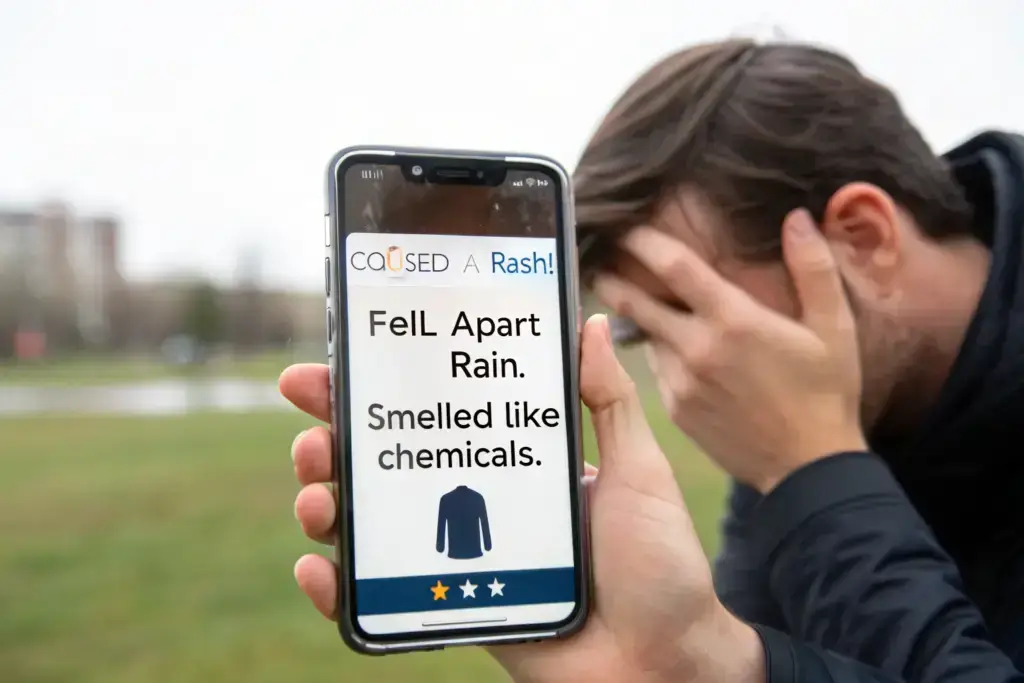
Sourcing non-certified jackets damages brand reputation by generating negative reviews about product failure and skin reactions, triggering investigative journalism or influencer call-outs about harmful chemicals, and causing loss of trust from retail partners who will drop your line to protect their own reputation. Your brand becomes associated with risk.
How Do Retailers React to Compliance Failures?
Major pro shops and sporting goods chains have vendor compliance manuals. A single compliance failure or high return rate can get your brand blacklisted from their system for years. They cannot afford the customer service nightmare. Rebuilding that B2B relationship is often impossible. Retailers now proactively ask for proof of certification. Not having it is a competitive disqualifier.
Can You Recover Consumer Trust?
Recovering is an uphill battle far more expensive than proactive certification. It requires a costly public relations campaign, a transparent investigation, and launching a new "safe" line—often at a loss. Consumers have long memories, especially when their health is involved. Many brands never fully recover their market position after a scandal tied to product safety.
Conclusion
Sourcing non-certified golf windproof jackets is a high-stakes gamble where the potential downsides—regulatory rejection, product failure, financial loss, and brand destruction—dwarf the short-term savings on unit cost. The intricate, chemical-dependent nature of windproof technology makes it a particularly vulnerable product category. Certification is not an expense; it is a strategic investment in supply chain transparency, product integrity, and business continuity.
The safest path is to partner with a manufacturer that builds certification into its core processes, like Shanghai Fumao, where material vetting, production controls, and final testing are systematized to eliminate these risks before they reach your shipment. If you are evaluating your next outerwear collection and want to ensure it stands up to the elements, regulations, and market scrutiny, let's build it on a foundation of verified safety. Contact our Business Director Elaine at elaine@fumaoclothing.com to develop certified windproof jackets that protect your customers and your business.