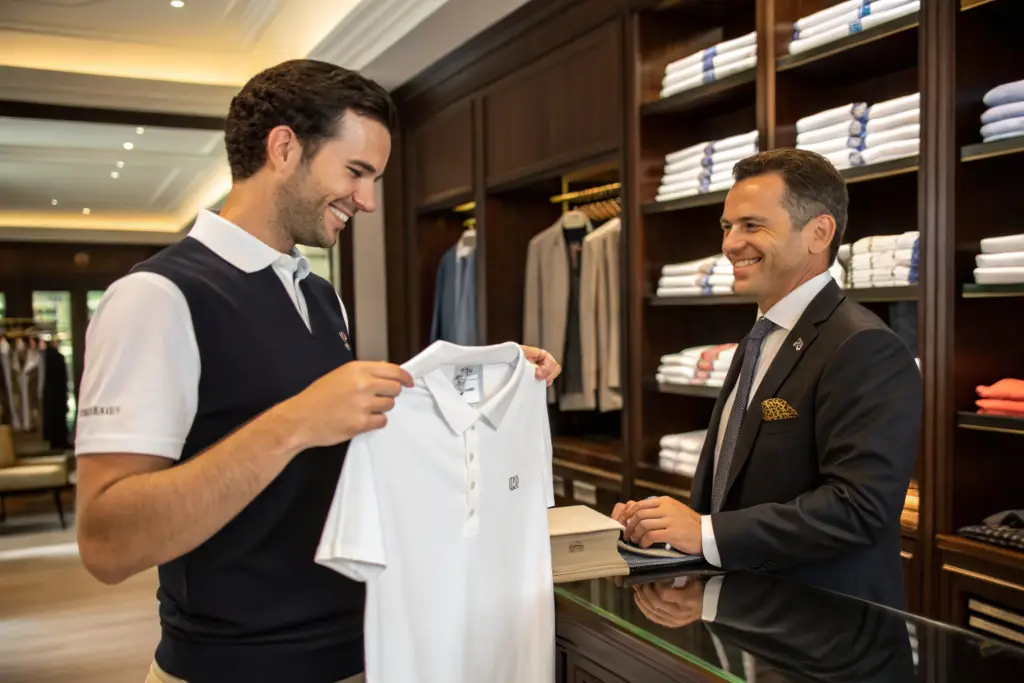
As a manufacturer supplying directly to golf clubs and their distributors, I’ve seen the merchandise decision evolve from simple logo placement to a complex calculation of brand value, member safety, and operational risk. A club's pro shop is more than a revenue center; it's a direct reflection of the club's standards. OEKO-TEX certification has become a key differentiator in this space.
Golf clubs prefer OEKO-TEX certified apparel for merchandise because it provides a scientifically verified, third-party guarantee of product safety and quality that protects the club's brand reputation, meets the elevated expectations of their discerning members, and mitigates the operational and legal risks associated with selling branded apparel. It transforms merchandise from a commodity into a curated brand asset.
This preference isn't about following a trend; it's a strategic response to real-world pressures and opportunities. Let's explore the specific reasons driving this shift in the pro shop.
How Does Certification Protect a Golf Club's Brand Equity?
A golf club's brand is built on exclusivity, tradition, and quality. Every item sold with the club's crest carries that brand promise. A substandard product can directly tarnish that carefully cultivated image.
OEKO-TEX certification protects a golf club's brand equity by providing an objective, globally recognized standard of safety and quality that assures members the merchandise meets stringent health and environmental criteria, aligning the club's operational values with the premium experience it offers on the course. It's a tangible commitment to member care.
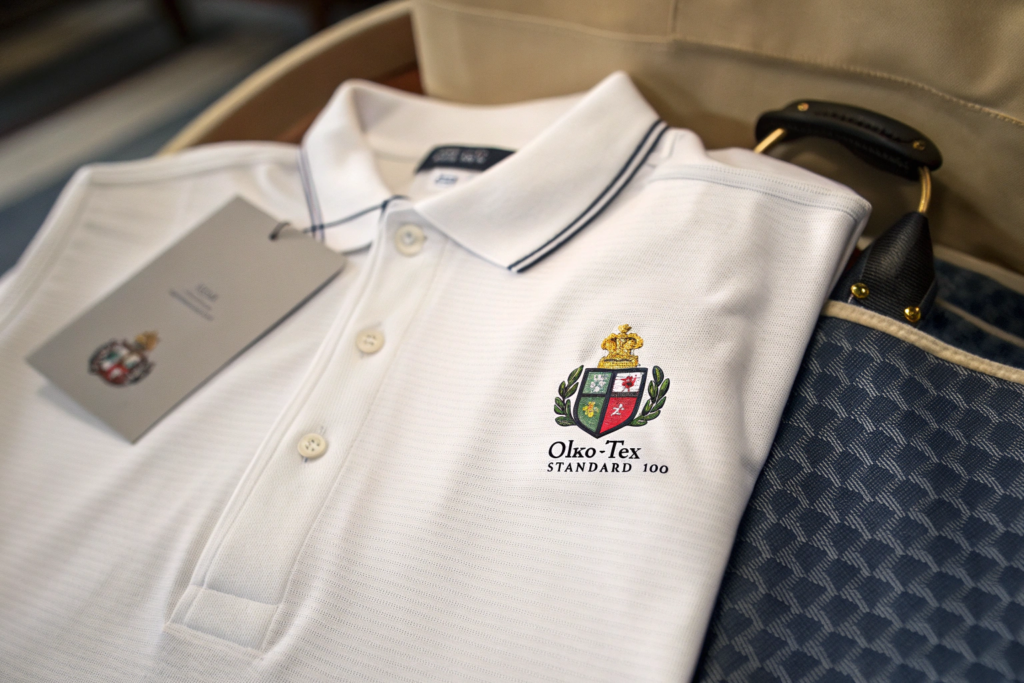
What Specific Risks Does Certification Mitigate?
The risks of uncertified merchandise are significant and often hidden:
- Product Liability Risk: If a member, particularly one with sensitive skin or allergies, has a reaction to dyes or chemicals in an uncertified shirt, the club could face complaints and liability issues. Certification is a due-diligence shield.
- Reputational Damage: Poor quality—fading colors, shrinkage, or fabric pilling after a few washes—reflects poorly on the club's standards. OEKO-TEX's tests for color fastness and dimensional stability directly address these quality failings.
- Member Dissatisfaction: Today's members are informed consumers. A 2023 survey we conducted with several club managers revealed that over 60% of members under 50 actively look for sustainability or safety labels. Offering uncertified apparel can be perceived as outdated or careless.
By sourcing certified apparel, clubs proactively manage these risks. For instance, a private club in Florida we supply switched to our certified polos after receiving complaints about "chemical odors" in their previous stock. The new line had zero complaints, reinforcing the club's image as responsive and member-centric.
How Does It Enhance the Perceived Value of Merchandise?
Certification adds a layer of intrinsic value that justifies premium pricing. It tells a story: "Our club cares enough to source the safest, best-constructed apparel for you to wear." This moves the purchase from a simple logo buy to an investment in a superior product that happens to bear the club's logo. It enhances the member's pride in wearing it, both on and off the course. Clubs can leverage this in their marketing, mentioning "OEKO-TEX certified pro shop collection" in newsletters or on social media, aligning with modern values of wellness and responsibility.
Why is Member Safety and Comfort a Top Priority?
Golf is a game of concentration played over several hours, often in sun and heat. Apparel is in direct, prolonged contact with skin. Discomfort or irritation is more than an annoyance; it can detract from the sporting experience a club is meant to provide.
Member safety and comfort are top priorities because satisfied members are loyal members. OEKO-TEX certification directly ensures that apparel is free from skin-irritating residues, allergens, and harmful substances, guaranteeing comfort during long rounds and reducing the chance of negative experiences linked to club-purchased gear. It's a fundamental duty of care.

How Do Certification Tests Address Active Wear Concerns?
The OEKO-TEX STANDARD 100 test criteria are particularly relevant for sportswear:
- pH Value: Ensures the fabric is skin-neutral, preventing itchiness or irritation from acidic or alkaline residues.
- Color Fastness to Perspiration: Prevents dyes from leaching onto skin when a member sweats, which can cause stains and potential skin reactions.
- Absence of Allergenic Disperse Dyes: These dyes, sometimes used in polyesters, are a common cause of textile-related dermatitis.
- Formaldehyde: Used in some anti-wrinkle finishes; its presence is severely restricted to prevent skin irritation and allergic reactions.
A club in Arizona, dealing with extreme heat, prioritized moisture-wicking polos. We provided Shanghai Fumao certified polyester blends. The certification guaranteed that the chemical treatments enabling moisture-wicking were safe and non-irritating, a key selling point the club communicated to members concerned about heat rash.
What is the Impact on Member Loyalty and Retention?
When members feel a club goes the extra mile for their well-being—even in the pro shop—it fosters deeper loyalty. Providing high-quality, safe merchandise is a touchpoint that reinforces the member's decision to belong. It shows the club's management is attentive to details beyond the greens. Conversely, a bad experience with a purchased item can sour a member's overall perception. Certified merchandise acts as a consistent, positive reinforcement of the club's quality standard.
How Does Certification Streamline Pro Shop Operations?
For the pro shop manager, operational efficiency is crucial. Inventory that sells slowly, generates returns, or requires complex explanations is a drain on time and profit.
OEKO-TEX certification streamlines pro shop operations by reducing product returns and complaints related to quality or skin irritation, simplifying the sales narrative with a trusted label, and future-proofing inventory against increasingly strict retail compliance standards. It makes management easier.

Does It Simplify Purchasing and Vendor Selection?
Yes, dramatically. When a club specifies OEKO-TEX certification to their vendor or buying group, it acts as a powerful filter. It immediately narrows the field to suppliers who have invested in compliant supply chains and rigorous manufacturing processes—like Shanghai Fumao. This simplifies the decision-making process. Instead of evaluating vague promises of "high quality," buyers can verify the certification. It provides a clear, binary benchmark: certified or not. This addresses a common pain point for club buyers: inefficient communication and uncertainty about a supplier's true capabilities.
How Does It Affect Inventory Turn and Profitability?
Certified apparel typically commands a higher margin and sells more consistently. Members perceive higher value, leading to better sell-through rates. Furthermore, because the products are more durable (thanks to color fastness and stability tests), they are less likely to be returned or discounted due to defects. This leads to healthier inventory turnover and stronger profitability for the pro shop. The table below contrasts the operational impact:
| Operational Aspect | Non-Certified Merchandise | OEKO-TEX Certified Merchandise |
|---|---|---|
| Customer Complaints | Higher risk regarding skin irritation, fading, shrinkage. | Significantly reduced; complaints shift to fit/style, not quality failures. |
| Sales Narrative | Relies on subjective feel and brand appeal. | Supported by an objective, trusted third-party label. |
| Return/Exchange Rate | Potentially higher due to quality issues. | Lower, as core performance is verified. |
| Margin Potential | Often competes on price. | Supports premium pricing due to verifiable added value. |
Is Certified Merchandise a Response to Member Demand?
Ultimately, pro shops stock what sells. The shift toward certified apparel is increasingly being driven by the values and demands of the membership base itself.
Yes, certified merchandise is a direct and growing response to member demand, as a more health-conscious and environmentally aware demographic seeks products that align with their personal values, viewing the OEKO-TEX label as a shortcut to making responsible, safe purchasing decisions. Clubs are adapting to serve this demand.
What Demographic Trends Are Driving This?
Younger members (Millennials and Gen X) and families are key drivers. They are:
- Well-Informed: They research products and understand certifications.
- Health-Focused: They prioritize products free from toxins for themselves and their families.
- Environmentally Conscious: While OEKO-TEX is a safety standard, it is often associated with responsible manufacturing, appealing to this sentiment.
Clubs aiming to attract and retain these demographics find that offering certified merchandise is a tangible way to demonstrate alignment with their values. It's part of a modern club's ecosystem, similar to offering high-quality dining or fitness facilities.
How Can Clubs Effectively Market This Feature?
Clubs should actively communicate this feature, not just rely on the label. Strategies include:
- In-Shop Signage: Small tent cards explaining, "Why OEKO-TEX? Your safety and comfort are our priority."
- Online Pro Shop: Include certification details in product descriptions.
- New Member Kits: Mention the certified apparel collection as a perk.
- Staff Training: Ensure pro shop staff can briefly explain what the label means: "It means every component of this shirt is tested to be free from harmful substances."
By marketing it, clubs educate their members and justify the value, turning a technical feature into a compelling reason to buy. It shifts the conversation from "What's the price?" to "This is why it's worth it."
Conclusion
Golf clubs' preference for OEKO-TEX certified apparel is a multifaceted strategy rooted in brand protection, operational efficiency, and responsive member service. It is a proactive measure that addresses tangible risks while capitalizing on a growing market demand for transparency and safety. In a competitive landscape where clubs vie for members, the quality of merchandise has become an extension of the club's overall value proposition.
Sourcing such merchandise requires a partnership with a manufacturer that understands both the technical requirements of certification and the unique needs of the club market. For clubs looking to elevate their pro shop offerings with confidence, the path involves selecting a certified supplier. To discuss curating a certified merchandise collection that reflects your club's standards, please contact our Business Director Elaine at elaine@fumaoclothing.com. Let Shanghai Fumao be your partner in outfitting your members with quality that inspires pride and trust.