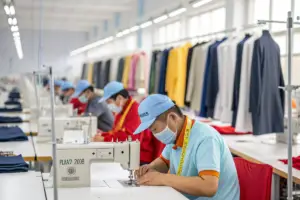
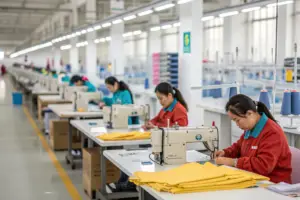
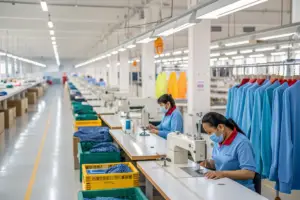
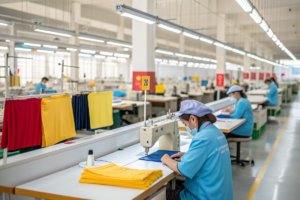
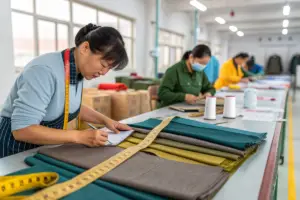
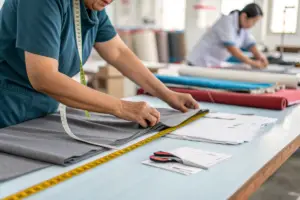
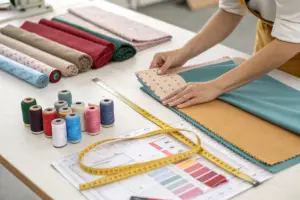
If you're sourcing children's ski wear, you know the stakes are higher. It's not just about color and warmth; it's about protecting young skin during high-exertion activities. Last winter, a client came to us with a urgent problem: their bestselling kids' ski gloves were causing skin irritation in about 3% of young users. After testing, we found the issue wasn't the wool lining but an unregulated plasticizer in the waterproof membrane glue. Switching to OEKO-TEX Grade 1 compliant materials solved it completely. This incident highlights why "Grade 1" isn't just marketing—it's a specific, scientific safety protocol for the most vulnerable users.
OEKO-TEX Standard 100 Class 1 (Grade 1) fabrics are safer for children's ski wear because they are tested against the strictest permissible limits for harmful substances, include extra safety margins for saliva and sweat resistance, and require testing of every individual component in the garment assembly. This creates a comprehensive safety net that addresses the unique behaviors and physiological vulnerabilities of babies and toddlers, who are the intended wearers of Class 1 products.
Many suppliers will show you a "non-toxic" fabric certificate, but for children's wear that will be chewed on, sweat in, and worn for hours on the slopes, you need the gold standard. Let's break down exactly what makes Grade 1 the benchmark for true safety in kids' technical apparel.
1. The Science of Stricter Limits: Beyond Basic Safety
The core of Grade 1's superiority lies in its quantitatively stricter chemical thresholds. It's not testing for different substances; it's allowing far less of them.
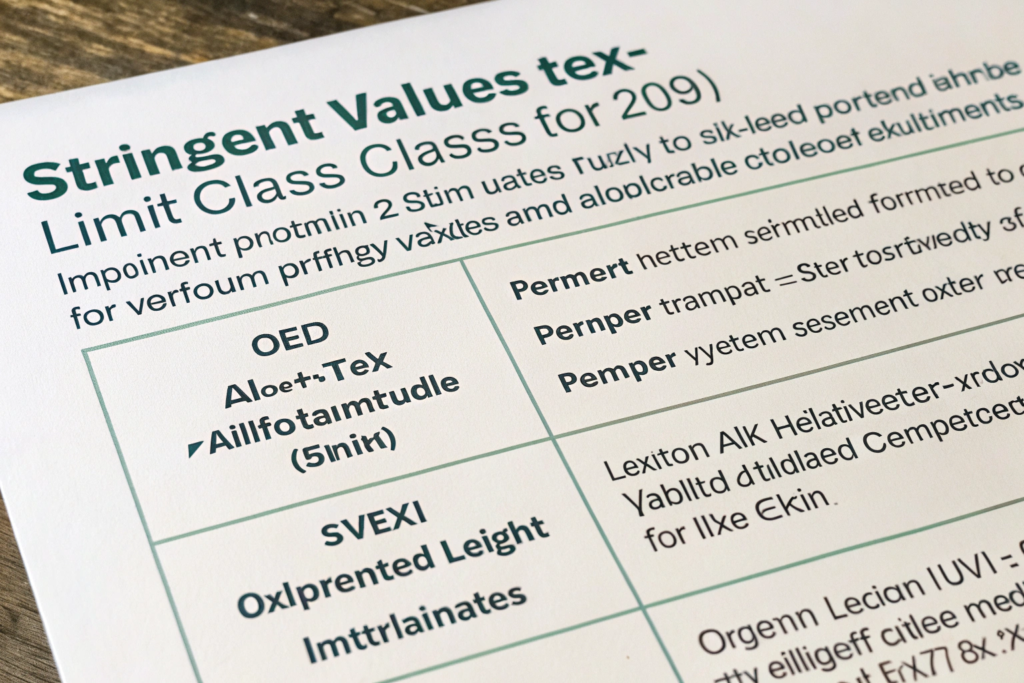
OEKO-TEX Class 1 imposes the most severe limit values across all tested substance categories. For example, the allowable formaldehyde content is less than one-fourth of that permitted for Class 2 (standard skin-contact apparel). For heavy metals like lead and cadmium, the limits are often 50-90% stricter. These stringent numbers are based on pediatric risk assessment models that account for lower body weight, higher skin permeability, and developing organ systems in children.
How Do These Limits Protect Against "Cocktail Effects"?
Children's ski wear is a complex system: a waterproof shell, insulation, linings, dyes, prints, and trims. Each component might contain trace amounts of different chemicals. While individually each might be below a concerning threshold, their combined effect—the "cocktail effect"—is a real concern. Grade 1's ultra-low limits for each substance across every component drastically reduce the total chemical load, minimizing any potential synergistic effects. This holistic approach is critical for product safety in multi-layer garments.
What About Substances Not Yet Regulated by Law?
OEKO-TEX operates on a precautionary principle. Its lists include many substances that are scientifically suspect but not yet legally restricted. For instance, certain allergenic disperse dyes, while legal in some countries, are banned from all classes of OEKO-TEX certification. Grade 1 takes this further by having the most conservative screening for these unregulated but potentially harmful agents. This future-proofs your product against emerging regulations and consumer concerns.
2. Testing for Real-World Child Behaviors: Saliva and Sweat Resistance
Kids are not small adults. They explore the world with their mouths. They sweat differently. OEKO-TEX Grade 1 testing simulates these specific behaviors.
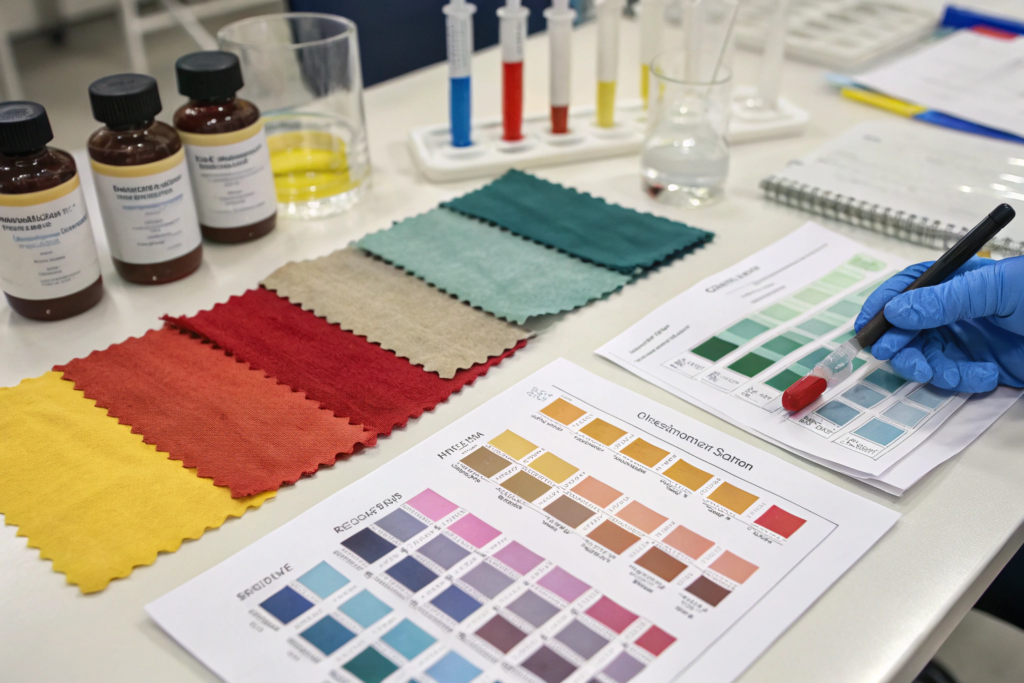
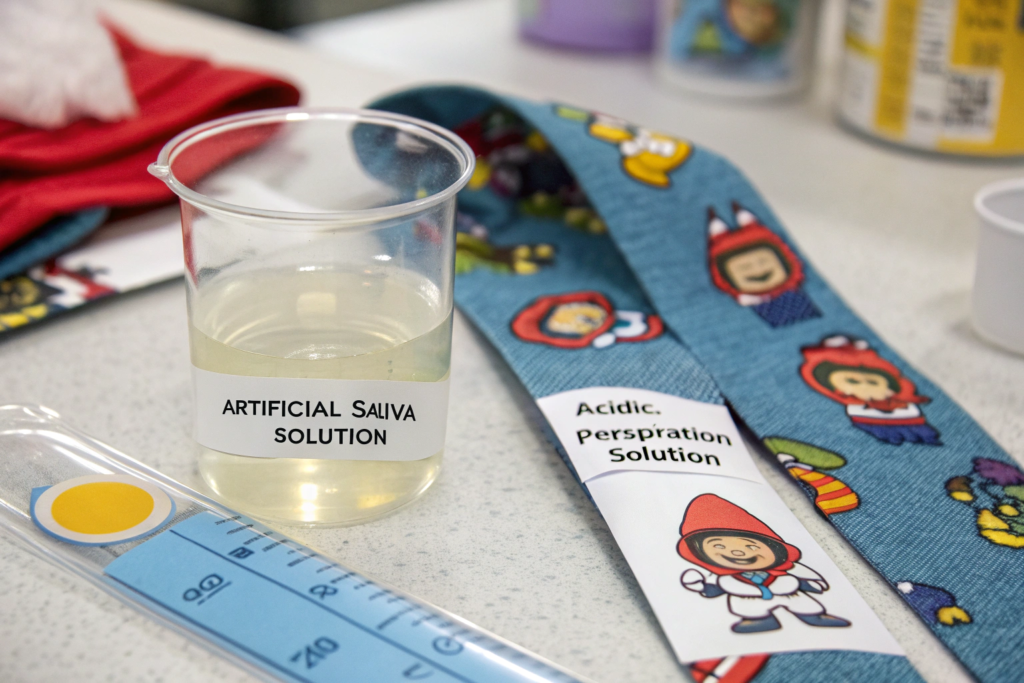
Beyond standard tests, Grade 1 certification requires enhanced testing for colorfastness to saliva and perspiration. Fabrics are subjected to artificial saliva and acidic/alkaline perspiration solutions to ensure dyes and finishes do not bleed or break down when wet, preventing children from ingesting or absorbing harmful substances through their skin during active play.
Why is Saliva Testing Non-Negotiable for Toddlers?
It's simple: toddlers chew on everything, including their jacket cuffs and collars. Standard colorfastness tests use water; saliva is enzymatically active and can break down dye bonds more effectively. A fabric that passes a water test might still leach dyes in a child's mouth. The OEKO-TEX saliva test is a brutal but necessary simulation. When we develop kids' wear at Shanghai Fumao, we specifically source dyes and prints that have passed this test, which often means working with more advanced, stable pigment systems.
How Does This Relate to Ski Wear Specifically?
Skiing is a high-exertion activity. Kids sweat, and their sweat can be more acidic. Furthermore, snow and moisture can act as transfer mediums. A brightly colored lining that bleeds dye when wet with sweat could transfer those dyes to the skin or, if chewed, to the mouth. The enhanced perspiration fastness tests in Grade 1 ensure that the vibrant colors and functional finishes on that cute ski suit stay put, no matter how active the child gets. This is a key aspect of quality assurance that generic fabric tests miss.
3. The "Full Assembly" Guarantee: Every Component is Certified
This is where Grade 1 moves from fabric safety to garment safety. A safe outer fabric means nothing if the glue, thread, or zipper pull contains a harmful substance.
For a children's garment to achieve OEKO-TEX Class 1 certification, every single component must individually meet the Class 1 criteria. This includes the obvious (shell, insulation, lining) and the easily overlooked: sewing threads, elastics, zippers and sliders, buttons, reflective tapes, hook-and-loop fasteners, and even prints and adhesives. The final assembled product is then tested as a whole.
What are the High-Risk "Hidden" Components in Ski Wear?
In technical children's ski wear, pay special attention to:
- Waterproof Laminate/Adhesives: The glue bonding the membrane to the fabric often contains solvents and plasticizers.
- DWR (Durable Water Repellent) Finish: This chemical coating is directly applied to the fabric.
- Elastics in Cuffs and Waistbands: These often contain latex or specific rubber compounds.
- Reflective Trims and Heat-Transferred Logos: These can involve PVC or specific plasticizers.
A supplier might show you a Grade 1 certificate for the main fabric, but if they source these trims from an uncertified sub-supplier, the final garment is not certified. We maintain a library of pre-certified components to avoid this pitfall.
How Can You Verify This as a Buyer?
Always ask for the OEKO-TEX certificate for the finished garment article, not just the fabric. The certificate will list the specific article name (e.g., "Children's Insulated Ski Suit") and its reference number. You can then verify this in the public OEKO-TEX database. This is the only way to be sure you're getting a fully compliant product. It's a level of supply chain transparency that is essential for kids' products.
4. pH Balance and Skin-Friendly Design
Children's skin has a more delicate acid mantle—its natural protective barrier. Disrupting this balance can lead to dryness, irritation, and vulnerability.
OEKO-TEX Class 1 requires that fabrics have a pH value very close to neutral (skin's natural pH), falling within a narrow, skin-friendly range. This ensures the textile does not irritate or disrupt the sensitive skin of babies and toddlers, which is crucial for garments worn directly against the skin for long periods, like base layers or fleece linings.

Why Does pH Matter in a Waterproof Ski Jacket?
Even in a shell jacket, the lining is in constant contact with the child's inner clothing and, at the neck and wrists, with their skin. A lining with an unbalanced pH can cause low-grade irritation, especially when combined with sweat and friction from movement. By mandating a neutral pH, Grade 1 certification ensures comfort at the most basic chemical level. This attention to physiological detail is what separates a generic garment from one designed with true care for a child's well-being.
Can You Feel the Difference in pH-Balanced Fabrics?
Sometimes, yes. Fabrics with a poorly managed pH can feel subtly harsh or cause a slight tingling sensation on sensitive skin. Parents might report that their child is "fussy" about wearing a certain item. By guaranteeing a skin-neutral pH, Grade 1 certification contributes directly to the comfort and wearability of the garment, which is just as important as its technical performance on the slopes.
Conclusion
OEKO-TEX Grade 1 for children's ski wear is more than a certificate to put on a hangtag. It is the culmination of a rigorous, scientifically-backed, and behaviorally-informed safety protocol. It combines stricter quantitative limits, realistic abuse testing, comprehensive component scrutiny, and physiological compatibility to create a protective barrier that matches the physical adventure of skiing.
For brands, this isn't just about compliance; it's about offering genuine peace of mind to parents. In a market where trust is the ultimate currency, Grade 1 certification is one of the most credible promises you can make. It tells a parent that every aspect of the garment's interaction with their child has been considered and safeguarded.
If you are developing or sourcing children's ski wear and want to build your brand on a foundation of uncompromising, verifiable safety, partnering with a manufacturer specialized in Grade 1 production is essential. At Shanghai Fumao, we have built our children's wear line around these precise protocols, from sourcing to final assembly. Let us help you create products that are as safe as they are fun. Contact our Business Director Elaine at elaine@fumaoclothing.com to start the conversation about your next kids' ski collection.