When you think about your ski clothing supply chain, what comes to mind? Fabric sourcing, production timelines, quality checks, and logistics. But there's an invisible thread that now ties all these elements together: chemical compliance. I recently worked with a brand that had to destroy an entire container of ski pants. The water-repellent finish, sourced from a new, uncertified supplier, failed a random substance test at a European port. The cost wasn't just the inventory—it was the missed season, the retailer penalties, and the eroded trust. This is where OEKO-TEX certification stops being just a certificate and starts being the operating system for a modern, resilient supply chain.
OEKO-TEX certification fundamentally transforms your ski clothing supply chain from a linear, opaque sequence into a transparent, controlled, and accountable system. It impacts every stage by imposing verified safety standards on raw materials, enforcing disciplined production processes, creating auditable documentation for logistics, and building consumer trust at the point of sale. The certification doesn't just sit at the end; it is integrated throughout.
For brand owners like Ron, who are sensitive to both quality and competitive pricing, understanding this impact is crucial. It's the difference between viewing certification as a cost and recognizing it as the framework that protects your entire investment and enables scalable growth. Let's trace its influence from source to store.
Stage 1: Raw Material Sourcing & Supplier Selection
The first and most profound impact is at the very beginning: your choice of suppliers. Without a certification requirement, sourcing is often driven by price and basic specs. With OEKO-TEX as a mandatory condition, the game changes completely.
OEKO-TEX certification forces a top-down vetting of your entire material ecosystem. It requires that every component—from the outer shell fabric, membrane, and insulation to the threads, zippers, buttons, and even prints and adhesives—comes from suppliers who can provide compliant materials and often their own supporting documentation. This elevates quality and eliminates unreliable vendors.
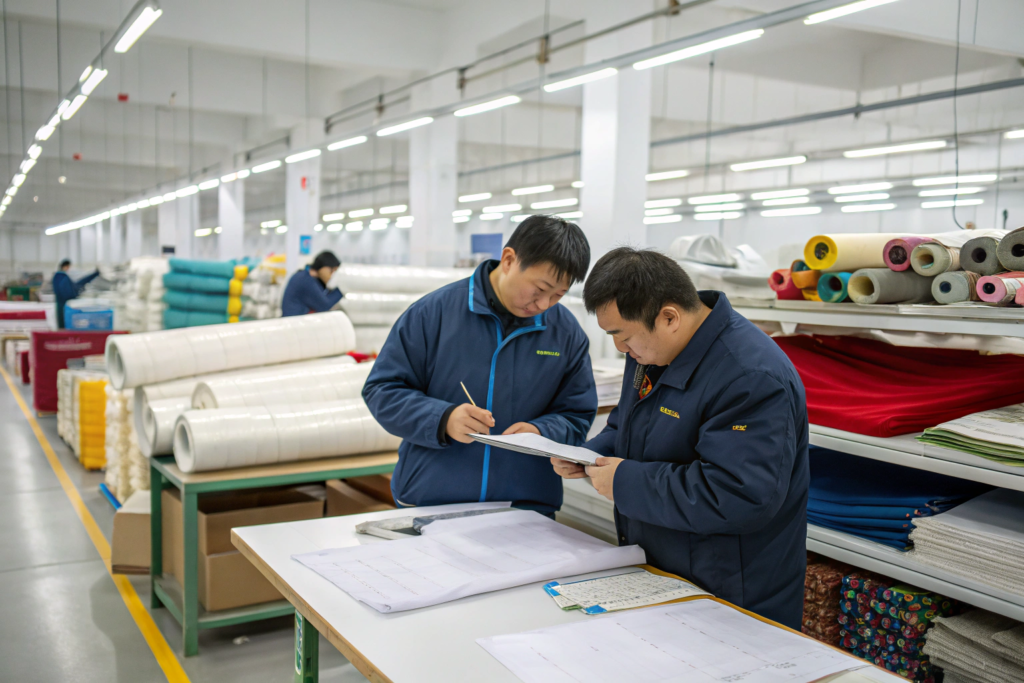
How Does This Change Your Negotiation with Fabric Mills?
Instead of asking, "What's the price per meter for this 20K waterproof fabric?" you now must ask, "Can you provide an OEKO-TEX compliant version of this fabric, along with a transaction certificate or a valid mill certificate?" This shifts the conversation. You are no longer just buying a commodity; you are buying a verified, low-risk input. Mills that invest in certification are typically more sophisticated, with better quality control systems. While the upfront cost per meter may be 5-15% higher, the risk reduction is exponentially greater. At Shanghai Fumao, our sourcing team maintains a vetted list of certified material partners, which dramatically speeds up development and reduces sampling failures.
Does It Limit Material Innovation or Availability?
This is a common concern. For cutting-edge, newly developed fabrics or finishes, certification can sometimes lag by a season. However, for the vast majority of performance materials, certified options are readily available. The constraint actually serves as a filter for maturity and reliability. If a new material is important, working with a certified manufacturer who has a direct relationship with testing institutes can accelerate the certification process for that specific component, turning a potential limitation into a collaborative development advantage.
Stage 2: Production & In-House Quality Management
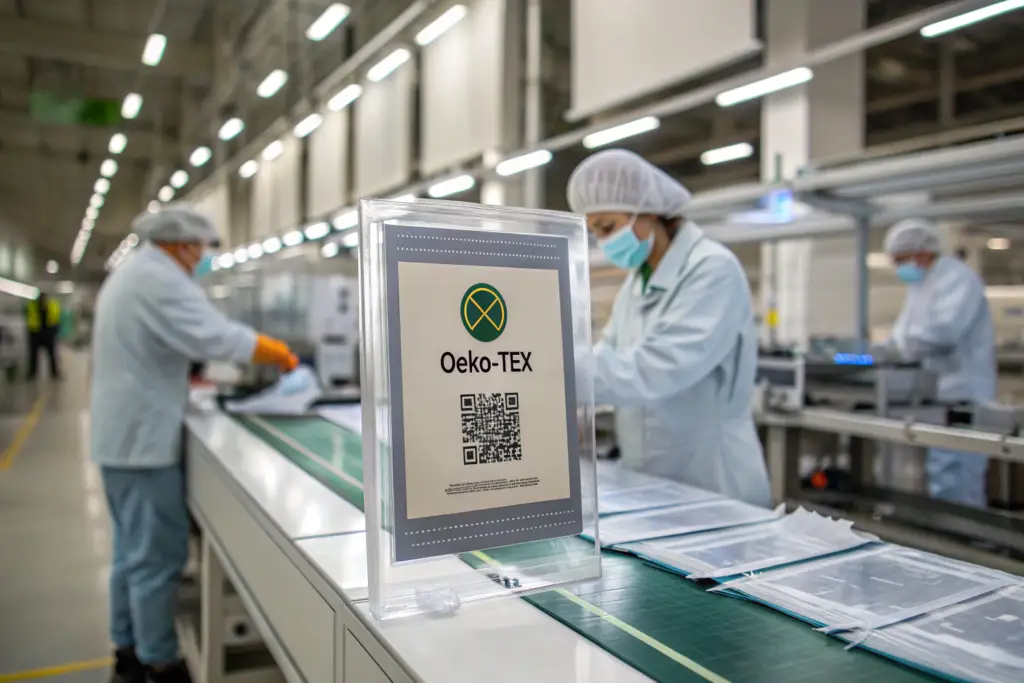
Once certified materials enter a certified factory, the impact shifts to process control. Production is no longer just about sewing and assembly; it's about maintaining chemical and procedural integrity.
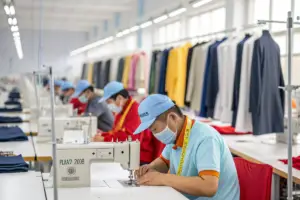
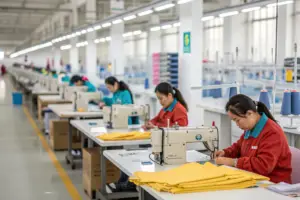
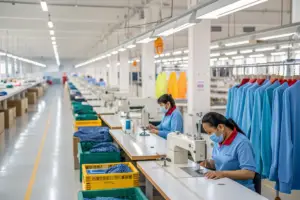
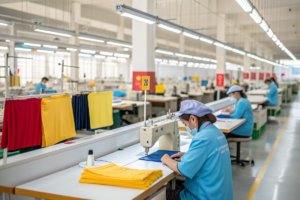
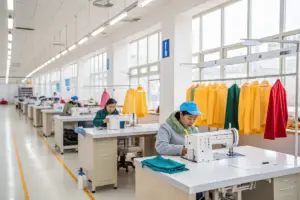
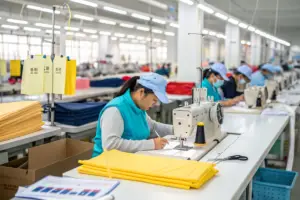
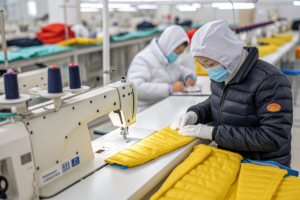
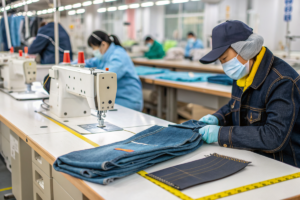
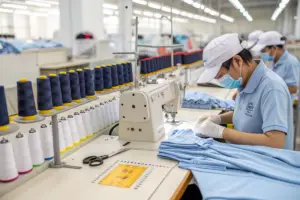
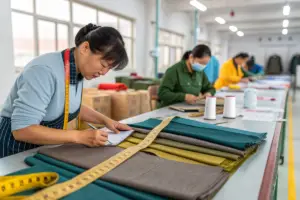
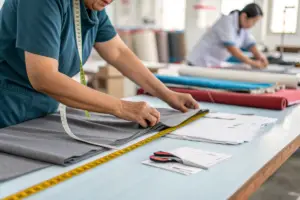
In a certified facility, production processes must be managed to prevent contamination and cross-contamination. This means dedicated areas for handling certified vs. non-certified goods (if any), strict chemical management for washing and finishing, and meticulous record-keeping. This systemic discipline inherently reduces errors and improves overall operational efficiency.
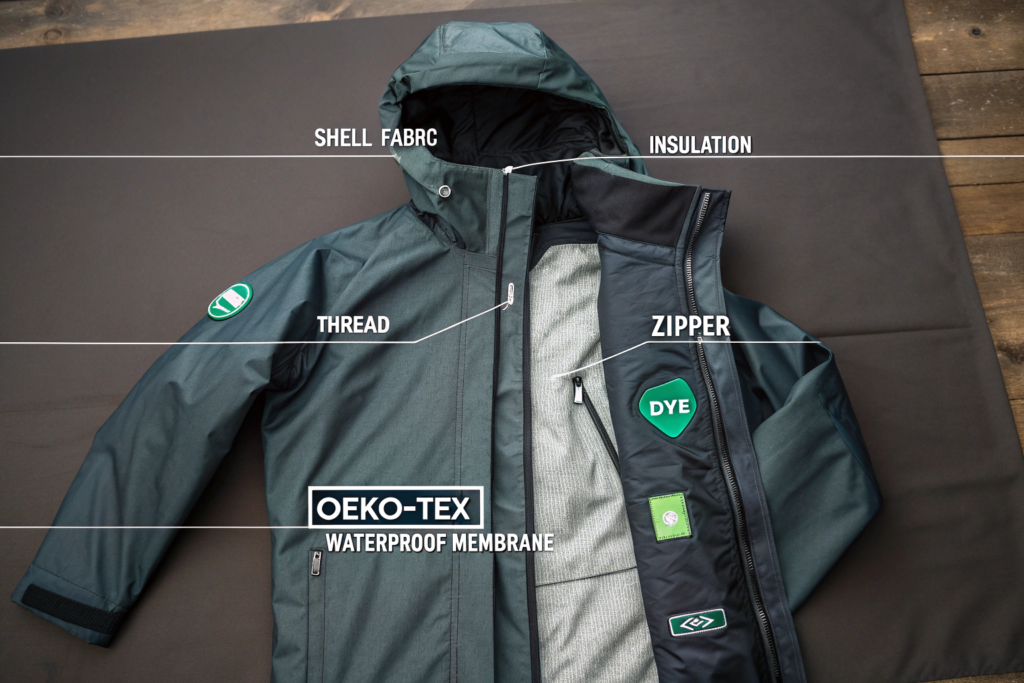
What Does "Preventing Contamination" Look Like on the Factory Floor?
Imagine a factory producing both OEKO-TEX certified ski wear and non-certified casual wear. To maintain certification, they must have clear protocols. Certified fabrics might be stored separately. Sewing lines may be designated. The industrial washing machines must be thoroughly cleaned before running certified batches to remove residues from previous, non-compliant chemical washes. This level of control is a direct benefit to you. It means your order is protected from the variability of other production runs in the same facility. For our clients at Fumao Clothing, this translates to consistently predictable quality, order after order.
How Are Quality Checks Enhanced?
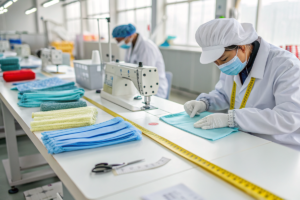
Beyond the standard checks for stitching and construction, certified production incorporates checks for chemical compliance. This includes verifying material certificates upon receipt (a step often skipped in non-certified chains) and conducting periodic in-house or third-party tests on finished products. The factory's internal quality assurance team is trained to think in terms of substance restrictions, not just physical flaws. This creates a second layer of defense against the kind of sub-supplier fraud that is a major pain point for importers.
Stage 3: Documentation, Logistics & Customs Clearance
The impact of certification becomes intensely practical when it's time to ship. The paperwork generated is as important as the physical goods.
OEKO-TEX certification generates a chain of custody documentation. This includes the main certificate for the finished product, often supported by transaction certificates for specific batches. This package provides authoritative proof of compliance that smooths customs clearance, satisfies retailer requirements, and serves as legal evidence of due diligence.
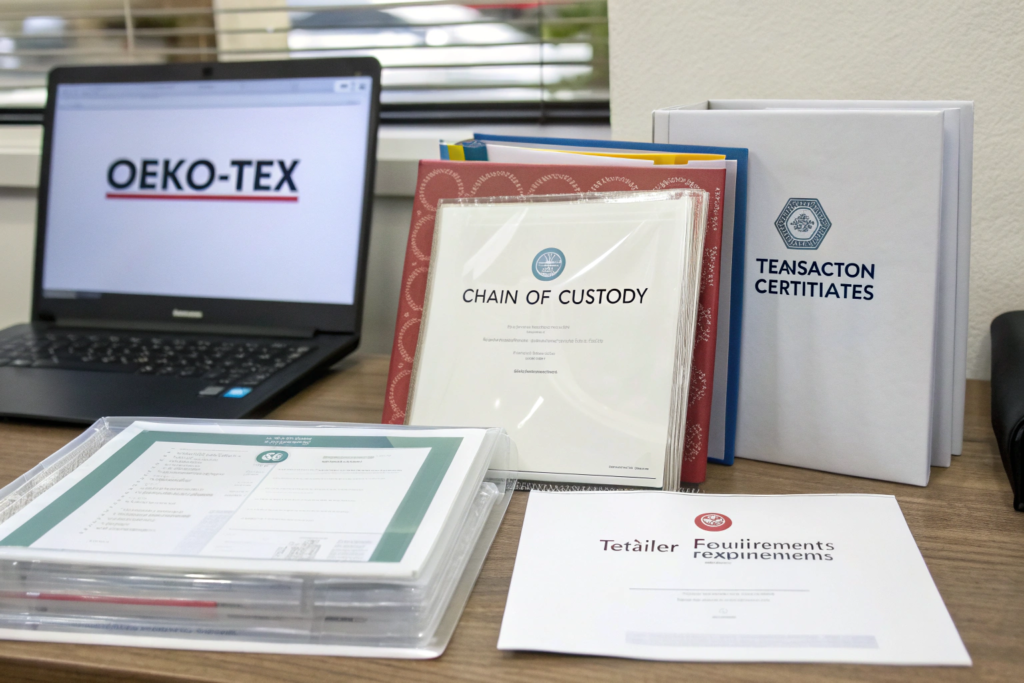
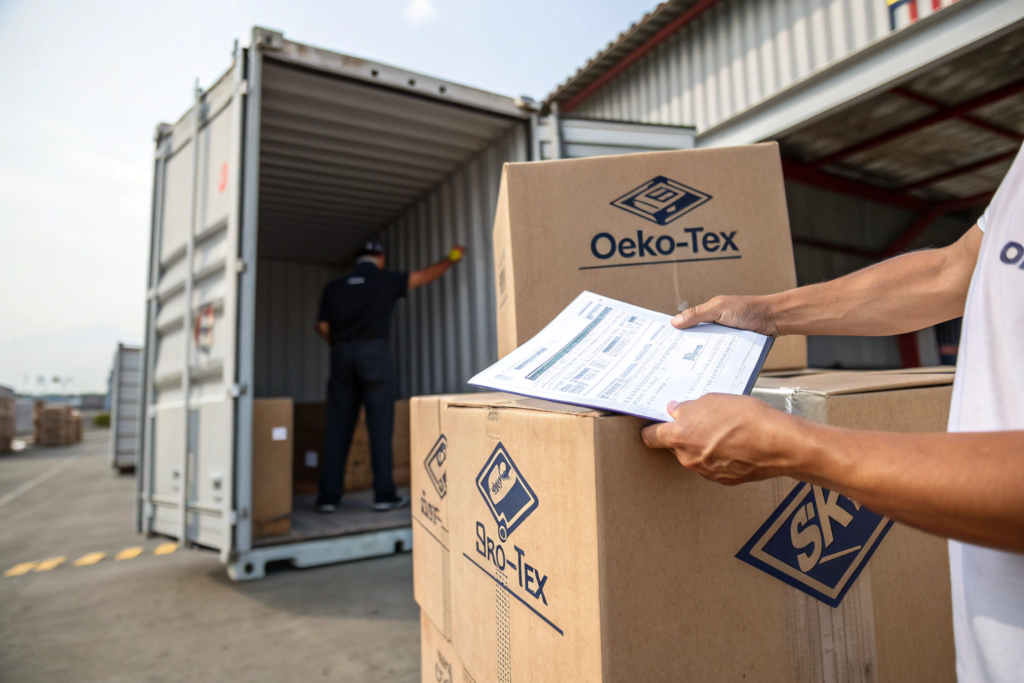
How Does This Prevent Customs Delays and Seizures?
Customs authorities, especially in the EU and North America, are increasingly profiling textile imports for hazardous substances. When your shipment arrives with a valid OEKO-TEX certificate number declared on the commercial invoice and packing list, it is far less likely to be flagged for lengthy, costly physical testing. It acts as a "fast pass." In a recent case, a client's shipment to Germany was held for inspection. We provided the German customs office with direct access to our certificate's status in the online OEKO-TEX database. The shipment was released within 48 hours, avoiding demurrage fees and a missed delivery window to the retailer.
What's the Role of Documentation in B2B Relationships?
For selling to larger retailers or distributors, this documentation is non-negotiable. Their compliance departments will request it before your first order ships. Having it readily available from a certified partner like Shanghai Fumao builds immediate credibility and speeds up the onboarding process. It turns a potential administrative hurdle into a demonstration of professionalism.
Stage 4: Market Positioning, Sales & Consumer Trust
Finally, the supply chain impact culminates at the point where it directly generates revenue: the sale to the end consumer. Here, the certification transitions from a back-end safeguard to a front-end marketing asset.
The OEKO-TEX label on your hangtag is the final, visible output of your certified supply chain. It is a trusted, third-party signal that validates all the invisible steps taken from source to store. For consumers, it simplifies a complex safety decision, building trust that can command a price premium and foster brand loyalty.
How Does This Directly Affect Sales and Brand Value?
In a crowded market, differentiation is key. The OEKO-TEX label is a recognizable symbol of safety and responsibility. It provides a concrete answer to growing consumer skepticism. Brands that prominently feature it often see a direct impact on conversion rates, particularly in direct-to-consumer online sales where trust must be built quickly. It also strengthens your brand's story, allowing you to communicate a commitment to product integrity that goes beyond marketing slogans. This builds long-term brand equity.
Can This Impact Supply Chain Financing and Partnerships?
Increasingly, yes. Banks and investors are applying ESG (Environmental, Social, and Governance) criteria. A transparent, OEKO-TEX certified supply chain is a strong positive indicator. It demonstrates systematic risk management and ethical operation, making your business a more attractive partner for investment or favorable financing terms. It also aligns you with larger corporate partners who have strict supplier codes of conduct.
Conclusion
OEKO-TEX certification is not a sticker you apply at the end. It is a catalyst that upgrades every link in your supply chain. It transforms sourcing from a price-based gamble to a value-based partnership. It turns production from a black box into a controlled, disciplined process. It converts logistics documentation from an administrative task into a risk-mitigation tool. And it turns your final product label from a generic tag into a powerful brand asset and trust signal.
For a business model built on sourcing at competitive prices and selling at a premium, the math is clear: the incremental cost of working with a certified manufacturer is far outweighed by the massive reduction in risk, the increase in operational reliability, and the enhancement of brand value and market access. It makes your supply chain not just a cost center, but a competitive moat.
If you are looking to build a ski clothing brand that is resilient, reputable, and ready for the future, the starting point is your manufacturing partner. We have built this integrated, certified system at Shanghai Fumao specifically to serve ambitious brands that understand this modern reality. To see how our OEKO-TEX certified supply chain can become the foundation of your success, contact our Business Director Elaine at elaine@fumaoclothing.com for a detailed consultation.