If you're sourcing or branding ski base layers, you know performance is about more than moisture-wicking—it's about safety against the skin. You've probably heard "OEKO-TEX certified" thrown around, but when a supplier claims Grade 1, does that truly mean it's the best for your high-performance base layers? I had a client in 2023 who insisted on Grade 1 for their merino wool blend base layers, not realizing it added significant cost for a certification level that, while excellent, wasn't the only or always the most appropriate benchmark for their specific product. Let's clarify what Grade 1 means and whether it should be your non-negotiable standard.
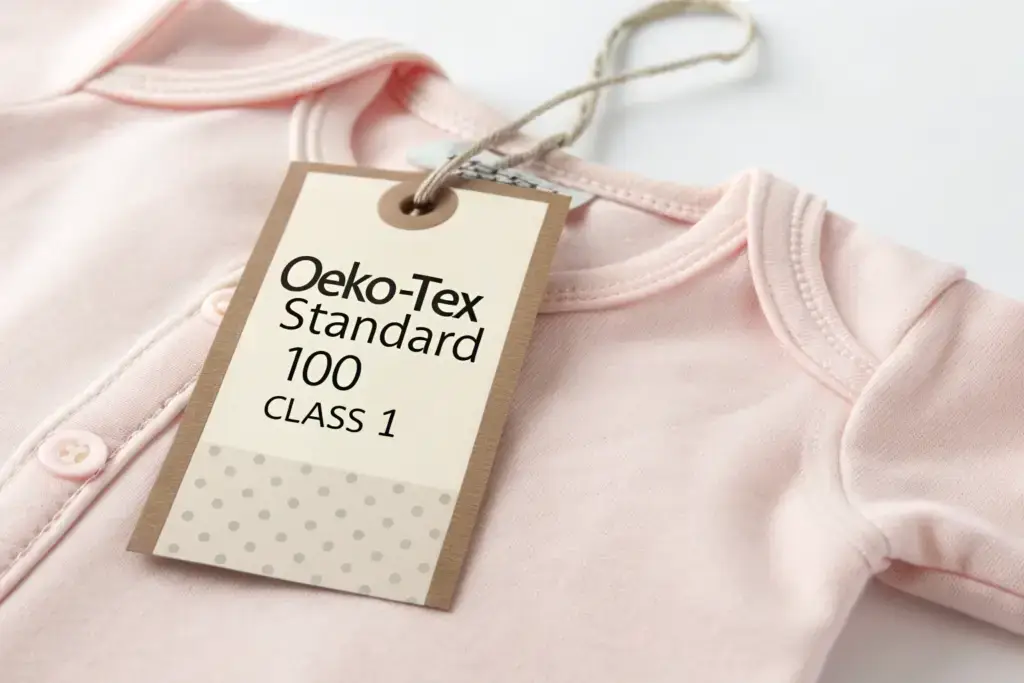
OEKO-TEX Standard 100 Class 1 (often called "Grade 1") is the strictest level of certification for textiles, designed for baby and toddler items. For ski base layers, it represents the highest possible safety benchmark, but whether it is the best depends entirely on your brand positioning, target market sensitivity, and whether the extreme strictness aligns with the practical needs and cost structure of adult performance wear.
Choosing a certification isn't about picking the one with the highest number; it's about strategic alignment. A Grade 1 certificate offers undeniable marketing power and supreme safety, but it also imposes material and cost constraints. Understanding this balance is key to making an informed decision that protects your customers and your profit margin.
What Does OEKO-TEX Class 1 Certification Actually Mean?
OEKO-TEX Standard 100 divides products into four classes based on their intended use. Class 1 is for products for babies and toddlers up to 36 months. The key point is that the certification tests for the same broad range of harmful substances (like heavy metals, pesticides, and allergenic dyes) across all classes, but the permitted limit values are significantly stricter for Class 1.
OEKO-TEX Class 1 certification means the textile has passed the most rigorous human-ecological safety tests within the OEKO-TEX framework, with the lowest permissible limits for harmful substances. It is the gold standard for safety, often exceeding even the most stringent national regulations for general apparel.
How Much Stricter Are Class 1 Limits Compared to Class 2?
The difference is substantial and technical. For example, the limit for formaldehyde in Class 1 is 16 mg/kg, while for Class 2 (skin contact wear, like standard adult base layers) it is 75 mg/kg. Similarly, the pH value range for Class 1 is a tighter, more skin-neutral band. These stricter limits mean that not every fabric or dye that passes Class 2 can pass Class 1. For a factory, sourcing Class 1-compliant materials—from the fabric to the thread and elastic—requires a more curated and often more expensive supply chain. At Shanghai Fumao, developing a Class 1 compliant base layer line involved switching to specific, certified-mill yarns and reformulating our print pastes.
Does "For Babies" Directly Translate to "Best for Sensitive Skin" in Adults?
Marketing-wise, the association is powerful. Consumers logically equate baby-safe with ultra-safe, hypoallergenic, and non-irritating. For a ski base layer brand targeting consumers with sensitive skin or marketing a "pure," "clean" ethos, Class 1 is a compelling claim. However, from a technical standards perspective, OEKO-TEX Class 2 is specifically designed and deemed perfectly safe for articles with prolonged skin contact for all age groups. It remains a robust, reliable safety certification. The jump to Class 1 is about exceeding that baseline to an exceptional degree.
The Pros and Cons: Is Grade 1 Worth It for Your Base Layer Line?
Deciding on Class 1 isn't just a technical choice; it's a business strategy decision. Let's weigh the tangible benefits against the real-world constraints to see if it fits your brand.
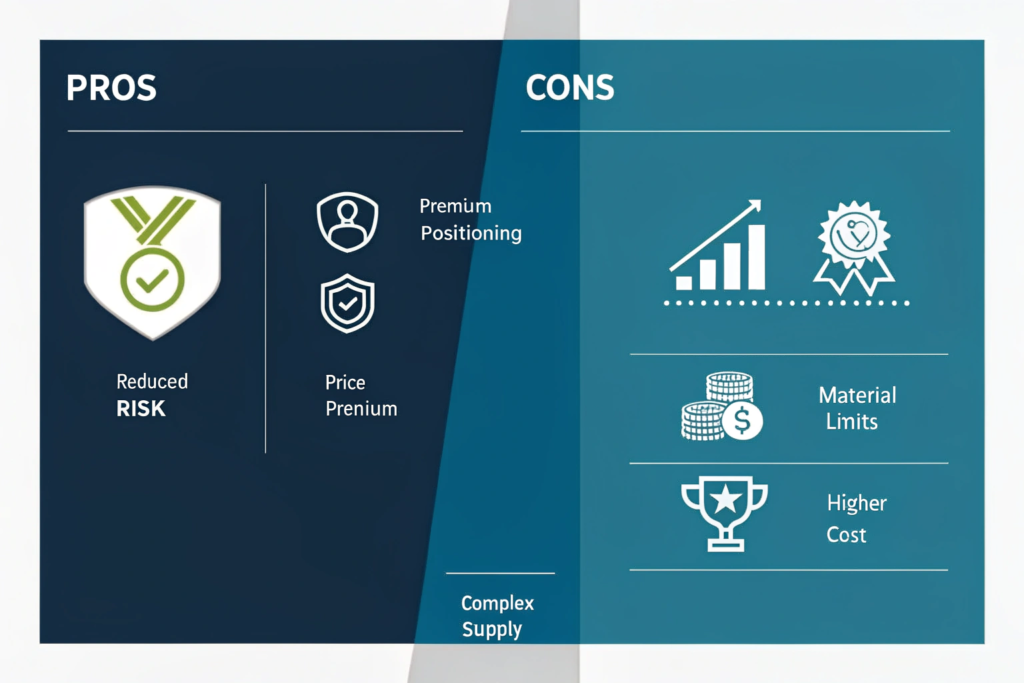
Pursuing OEKO-TEX Class 1 certification offers superior marketing appeal and a demonstrably cleaner product, which can justify a premium price and attract safety-conscious consumers. However, it can limit material choices, increase unit costs, and may be an over-specification if your core audience does not value or understand the distinction from Class 2.
What Are the Concrete Business Advantages?
The advantages are clear:
- Premium Brand Positioning: It allows you to use terms like "baby-safe safety" or "the purest standard" in marketing, creating a unique selling proposition.
- Reduced Liability Risk: The extreme strictness minimizes any risk of substance-related issues, which is valuable for brands selling in litigious markets or through cautious large retailers.
- Competitive Differentiation: In a crowded base layer market, a Class 1 certificate is a visible and trusted symbol that can sway a purchasing decision at the point of sale.
We worked with a brand that launched a "Platinum" series of base layers with Class 1 certification. They were able to price it 25% higher than their core line, and it became a top seller in their direct-to-consumer channel, where the story could be fully explained.
What Are the Practical Limitations and Costs?
The challenges are equally real:
- Material Availability: High-performance functional fabrics (e.g., specific recycled polyesters with advanced moisture management, or certain elastic blends) may not be available in Class 1-compliant forms. This can limit innovation.
- Increased Cost: Certified raw materials are more expensive. The testing fees for Class 1 are also typically higher than for Class 2. This cost must be absorbed or passed on.
- Supply Chain Complexity: It restricts you to working with suppliers who have the capability and commitment to meet Class 1 standards, which can be less flexible.
For a brand targeting value-oriented consumers or one that relies on specific technical fabrics where Class 1 options are scarce, these constraints can outweigh the benefits.
Class 1 vs. Other Relevant Certifications for Base Layers
OEKO-TEX Class 1 exists within a ecosystem of textile certifications. To determine if it's the best, you must compare it to alternatives that also address safety and sustainability, which are key concerns for the outdoor apparel market.
For base layers, while OEKO-TEX Class 1 is arguably the strictest safety certification, other standards like Bluesign or GOTS might be considered more comprehensive as they address environmental impact and social responsibility throughout the manufacturing process, not just final product safety.
How Does It Compare to Bluesign for Performance Wear?
Bluesign is a system-focused standard, not a product certificate. A Bluesign approved fabric comes from a manufacturing system that manages environmental impact, worker safety, and resource efficiency. For a performance base layer brand, Bluesign is often seen as the benchmark for environmental responsibility. The choice isn't necessarily either/or:
- Choose OEKO-TEX Class 1 if your primary communication is product safety and purity to the end-user.
- Choose Bluesign if your brand story is about sustainable manufacturing and reducing environmental footprint.
The ideal scenario, which we are implementing for some forward-thinking clients at Fumao Clothing, is to use Bluesign approved fabrics that are also tested to meet OEKO-TEX Class 1 standards for the finished garment. This combines systemic and product-level assurances.
Where Does GOTS Fit In for Natural Fiber Base Layers?
If your base layer is made of organic cotton or wool, GOTS (Global Organic Textile Standard) is critical. GOTS certifies organic fiber content and includes ecological and social criteria along with limits on harmful substances. Its substance limits are broadly aligned with OEKO-TEX Class 1. For a merino wool base layer, a GOTS certification might be more relevant and valued by your customers than an OEKO-TEX Class 1 certificate, as it guarantees the organic origin. In this case, OEKO-TEX could be supplemental, but not the primary "best" certification.
Making the Strategic Decision: Should Your Brand Use Grade 1?
The answer depends on a clear analysis of your brand identity, customer profile, and product specifics. Use this framework to decide.
Adopt OEKO-TEX Class 1 if your brand is positioned in the premium/ultra-premium segment, targets highly informed or sensitive consumers (e.g., parents, health-conscious athletes), and you have the margin to support the increased costs. Consider it optional if your brand competes on technical performance or value, uses fabrics where Class 1 compliance is challenging, or if your customers find equal trust in Class 2 or Bluesign.
What Key Questions Should You Ask Your Supplier?
Before mandating Class 1, have a detailed conversation with your manufacturer:
- "Can you provide a cost breakdown for producing this base layer in Class 1 vs. Class 2?"
- "Are all the functional materials (e.g., odor-control treatment, specific elastic) available in Class 1 compliant form?"
- "Can you show me examples of previous Class 1 certified performance wear you've produced?"
Their answers will reveal feasibility. A skilled factory like ours can guide you through this decision tree with real data, not just sales talk.
Can You Launch with Class 2 and Upgrade Later?
Absolutely. This is a smart, phased approach for many growing brands. Launch your core line with the robust safety of OEKO-TEX Class 2 certification. This ensures market access and trust. Then, as you develop a premium sub-line or next-generation product, introduce OEKO-TEX Class 1 as a flagship feature. This allows you to manage costs and complexity while building a tiered product portfolio. We helped a startup implement this strategy, using their successful Class 2 line to fund the development and marketing of their subsequent Class 1 "Elite" series.
Conclusion
OEKO-TEX Standard 100 Class 1 is not universally the "best" certification for all ski base layers; it is the safest within a specific framework. Its value is immense for brands whose identity is built on unparalleled purity and safety, allowing them to command a premium and build deep trust. However, for brands focused on cutting-edge performance, broad accessibility, or environmental systems, OEKO-TEX Class 2 or certifications like Bluesign may represent a better or equally valid "best" choice.
The optimal path is to make an informed, strategic decision rather than a reactive one. Evaluate your brand's position, your customer's priorities, and your product's reality. If you need a partner who can not only produce to OEKO-TEX Class 1 standards but also provide honest consultancy on whether you should, we are here to help. At Shanghai Fumao, we combine certification expertise with practical business sense. Contact our Business Director Elaine at elaine@fumaoclothing.com to discuss the right certification strategy for your base layer line.