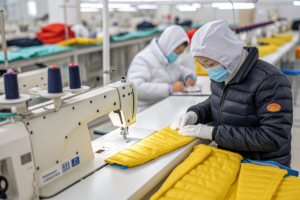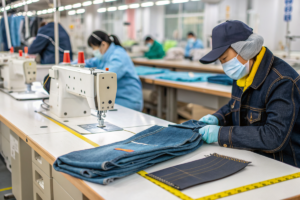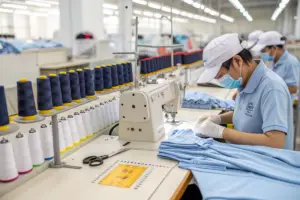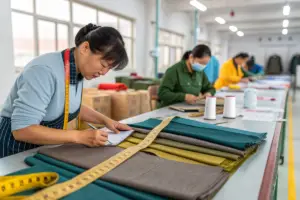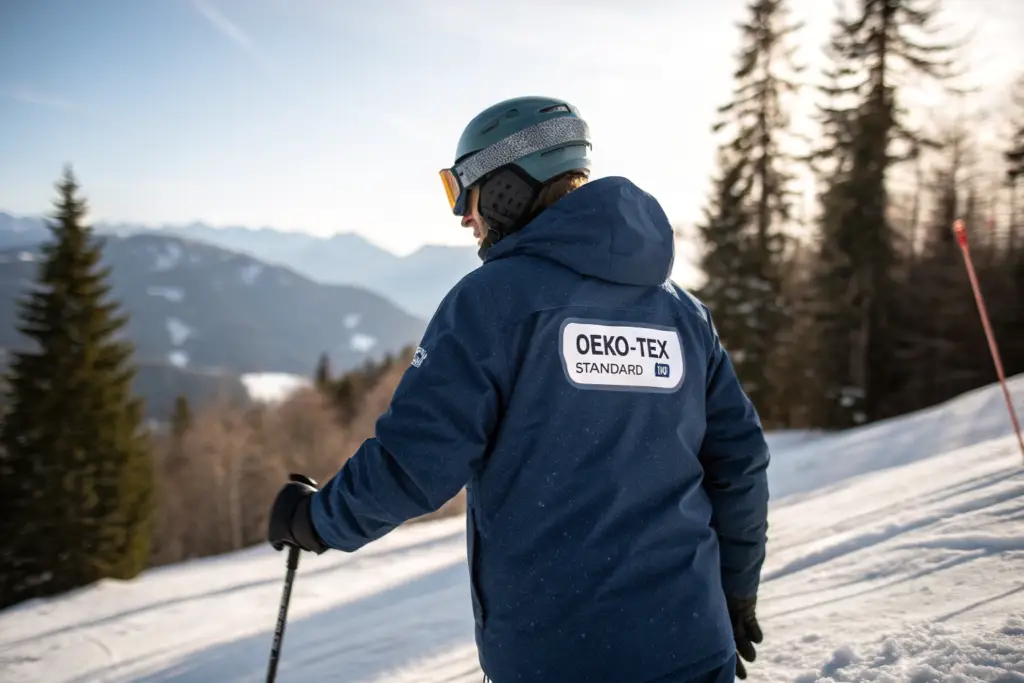
If you’re sourcing or manufacturing ski wear, you’re focused on performance, waterproofing, and style. But there’s a critical factor that could protect your brand and boost customer trust: OEKO-TEX Standard 100 certification. Many buyers know it relates to safety, but few understand its specific impact on technical apparel like ski jackets and pants. In fact, we once had a client nearly lose a major retail partnership because their product failed a random substance test—they didn't prioritize this certification. Let's clarify why it's not just a label, but a necessary business safeguard.
OEKO-TEX Standard 100 is an independent, global certification system that tests textiles for harmful substances, ensuring they are safe for human health. For ski wear, it is crucial because the garment is in prolonged, direct contact with skin during high-exertion activity, and it verifies that no toxic chemicals from dyes, finishes, or laminates are present, protecting both the end-user and your brand’s reputation.
You might think that your trusted factory’s word on quality is enough. However, in today’s market, documented proof is everything. Ski wear is a high-stakes category where consumer trust is paramount. Understanding the details of this standard will help you make informed sourcing decisions and avoid costly pitfalls. Let’s dive into what makes this certification a smart business move.
What Substances Does OEKO-TEX Standard 100 Test For?
When you see an OEKO-TEX label, it means the product has passed rigorous testing for a wide array of regulated and unregulated substances. The list is extensive and goes beyond basic legal requirements. For ski wear, which often uses complex fabric laminations, durable water repellent (DWR) finishes, and bright dyes, this testing is particularly relevant. Last season, we worked with a Colorado-based brand that sourced un-certified recycled polyester. Initial quality checks were fine, but later lab tests revealed traces of antimony, a heavy metal sometimes found in recycled materials. This delayed their launch by two months. OEKO-TEX testing would have caught this early.
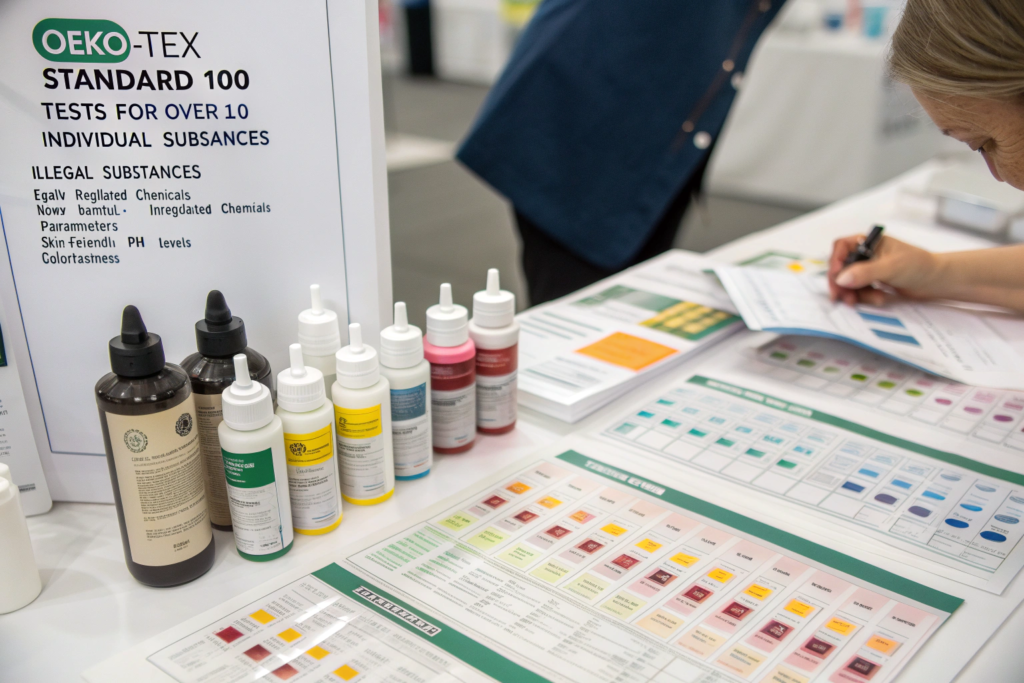
OEKO-TEX Standard 100 tests for over 100 individual substances, grouped into categories including illegal substances (like certain azo dyes), legally regulated chemicals (like formaldehyde and heavy metals), known harmful but unregulated chemicals, and parameters for skin-friendly pH levels and colorfastness. This comprehensive approach ensures a holistic safety check.
Why Are These Substance Limits Stricter Than National Laws?
Many countries have their own textile safety regulations, such as CPSIA in the USA or REACH in the EU. However, OEKO-TEX Standard 100 often sets stricter limit values and includes substances not yet legally controlled. The standard adopts a precautionary principle, anticipating future regulations. For a U.S. brand importing from Asia, relying solely on the factory’s claim of “meeting U.S. standards” is risky. The global supply chain is complex, and materials can originate from multiple countries. OEKO-TEX provides a uniform, globally recognized benchmark that simplifies compliance verification, reducing your due diligence burden. It’s a proactive step in responsible sourcing.
How Does the Testing Apply to Different Ski Wear Components?
Ski wear is not a simple cotton t-shirt. It's a system. OEKO-TEX testing assesses every component individually:
- Outer shell fabric (often nylon or polyester with a membrane)
- Insulation (like down or synthetic fills)
- Linings and mesh
- Zippers, buttons, and other trims
- DWR coating and other chemical finishes
Each component must pass the test for the final product to be certified. This granularity is vital. We ensure that for every ski wear order at Shanghai Fumao, our material sourcing team verifies component-level certificates before production even begins, preventing last-minute surprises.
How Does OEKO-TEX Certification Benefit Your Ski Wear Brand?
Beyond compliance, OEKO-TEX Standard 100 delivers tangible marketing and operational benefits that directly impact your bottom line. It transforms a technical requirement into a competitive advantage. An American client of ours, after adding the OEKO-TEX label to their hangtags, reported a 15% increase in online conversion rates for their premium ski line, as consumers perceived a higher value and trustworthiness.
The certification benefits your brand by enhancing consumer trust and marketing appeal, reducing the risk of costly product recalls or legal issues, and simplifying the compliance process for entering multiple international markets, ultimately protecting your investment and strengthening your market position.
Can It Really Improve Customer Trust and Sales?
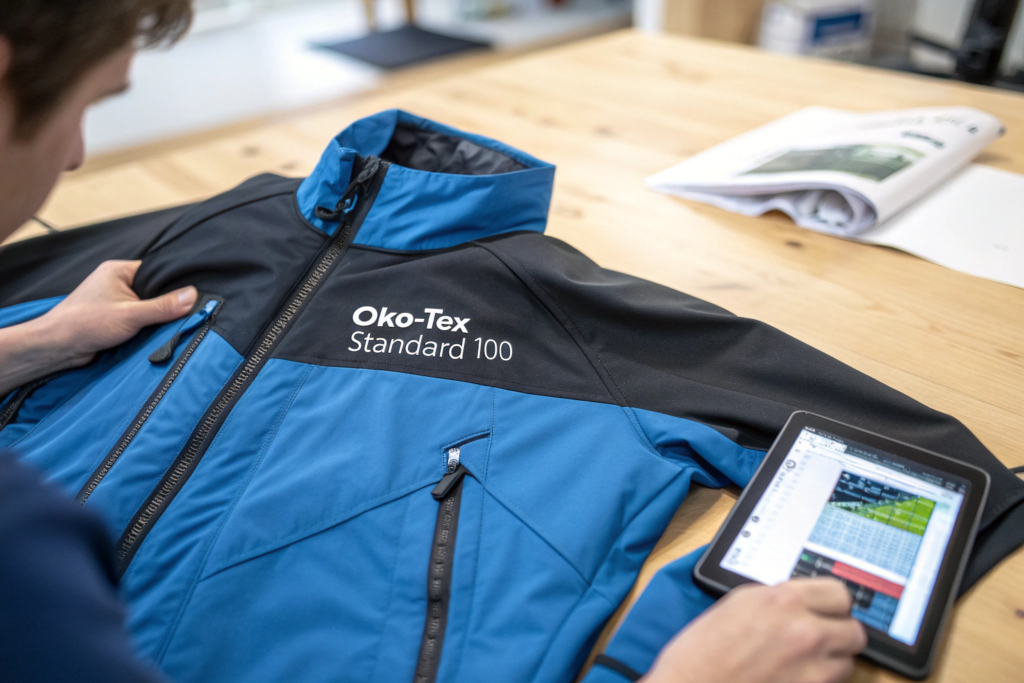
Absolutely. Today’s consumers, especially in the outdoor and sportswear sectors, are increasingly informed and concerned about product safety and sustainability. Displaying the OEKO-TEX label provides immediate, recognizable proof of your commitment to safety. It’s a third-party validation that speaks louder than any “safe and non-toxic” claim you could make yourself. This transparent communication builds brand loyalty and can justify a premium price point, directly affecting your profit margin. It answers a potential customer’s unspoken question: “Is this safe for me and my family?”
Does It Offer Protection Against Supply Chain Risks?
Yes, significantly. The certification requires annual renewal and includes random market surveillance testing. This creates an ongoing discipline for your supplier. If a material source changes or a new chemical process is introduced, the certification body must be notified. This system acts as an early warning for your quality control. For instance, if a DWR supplier changes its formula, the factory is incentivized to test it to maintain the certification, preventing a batch of garments with a problematic substance from ever reaching you. It outsources a layer of risk management to experts.
What's the Process to Get Ski Wear OEKO-TEX Certified?
The process is straightforward but requires planning and cooperation with your manufacturer. It’s not something you do after production. The key is to integrate it into your development timeline from the start. From our experience at Shanghai Fumao, initiating certification during the product development phase adds only about 2-3 weeks to the timeline but saves immense potential hassle later.
The process involves selecting an OEKO-TEX certified manufacturer or components, applying through an authorized institute, submitting material samples from every component for testing, and upon passing, receiving the license to use the label for the specific, approved product article.

Who Typically Manages and Pays for the Certification?
This is a crucial business discussion. Typically, the brand (the certificate applicant) pays the testing fees to the OEKO-TEX institute. However, the manufacturer executes the process: collecting material samples, providing technical documentation, and facilitating communication. A reliable, experienced factory like ours is essential. We manage the logistics of sample collection and submission for our clients. The costs vary based on the number of articles and components but consider it an investment in risk mitigation and brand equity, not just a compliance cost.
How Long Does the Certification Remain Valid?
The certificate is valid for one year from the date of issue. After this period, it must be renewed to continue using the label. Renewal requires a review and often new testing, ensuring continued compliance. This annual cycle guarantees that your certified products maintain the standard over time, even if underlying regulations or material sources evolve. It ensures long-term quality assurance.
OEKO-TEX vs. Other Certifications: Which is Best for Ski Wear?
OEKO-TEX Standard 100 is often mentioned alongside other eco-labels like GOTS (Global Organic Textile Standard) or Bluesign. Understanding the difference is key to choosing the right one for your product and brand story.
For ski wear, OEKO-TEX Standard 100 is specifically focused on human-ecological safety—what's in the product. Certifications like GOTS focus on organic fiber content and broader environmental processes, while Bluesign looks at the entire manufacturing system's environmental impact. OEKO-TEX is often the foundational safety certification, which can be complemented by others.
Should You Choose OEKO-TEX or Bluesign for Technical Apparel?
This isn't always an either/or choice. Here’s a simple comparison:
| Feature | OEKO-TEX Standard 100 | Bluesign |
|---|---|---|
| Primary Focus | Final product safety for the user | Overall system environmental impact at the factory |
| What it Checks | Harmful substances in the finished article | Chemical inputs, resource use, emissions, worker safety |
| Best For | Brands needing clear product safety proof for consumers | Brands & Factories committed to reducing environmental footprint |
| Output | Certificate for a specific product | Approval for facilities, chemicals, and materials |
For many brands, starting with OEKO-TEX for product safety is a smart move. As you grow, partnering with a manufacturer that holds Bluesign system partner status can be the next step in a comprehensive sustainability strategy. We have clients who use both to create a powerful, multi-faceted brand message.
A competent factory should be your guide, not just an order-taker. At Shanghai Fumao, we maintain OEKO-TEX Standard 100 certification for our core processes and actively help clients choose the right path. For example, we recently guided a startup ski brand to begin with OEKO-TEX for their first collection to ensure market access and trust, while planning for Bluesign-certified fabrics in their second season as they scaled. This practical, step-by-step approach manages costs and complexity.
Conclusion
OEKO-TEX Standard 100 is far more than a technicality; it’s a strategic tool for any serious ski wear brand. It safeguards your customers, protects your brand from reputational and financial risk, and provides a clear, marketable advantage in a competitive space. From ensuring the safety of complex material systems to simplifying global compliance, the certification addresses the core pain points of modern apparel sourcing. The process, when managed with a proactive manufacturer, is a streamlined addition to your development cycle that pays dividends long after production.
Don't leave product safety to chance. Make OEKO-TEX Standard 100 a non-negotiable part of your ski wear sourcing criteria. If you’re looking for a manufacturing partner experienced in seamlessly integrating this and other certifications into the production process, let’s talk. We are dedicated to being the reliable, high-value extension for ambitious brands. Contact our Business Director Elaine at elaine@fumaoclothing.com to discuss how we can help you produce ski wear that performs on the slopes and in the marketplace.