At first glance, payment terms might seem like a standardized business practice across all apparel categories. However, seasoned importers understand that the specific product category significantly influences the risk profile, production complexity, and market dynamics—all of which factor into the negotiation of deposit percentages, balance triggers, and overall financial security. The distinctions between kids wear and menswear sourcing are particularly pronounced.
Payment terms often differ for kids wear versus menswear due to stricter safety and compliance regulations, lower average order quantities (MOQs), higher material and testing costs per unit, and differing seasonal demand patterns for kids wear, which can lead to more conservative or structured terms from suppliers.
This article will dissect the key factors driving these differences, provide typical term structures for each category, and offer negotiation strategies tailored to each segment's unique challenges.
How Do Safety Regulations Impact Kids Wear Payment Terms?
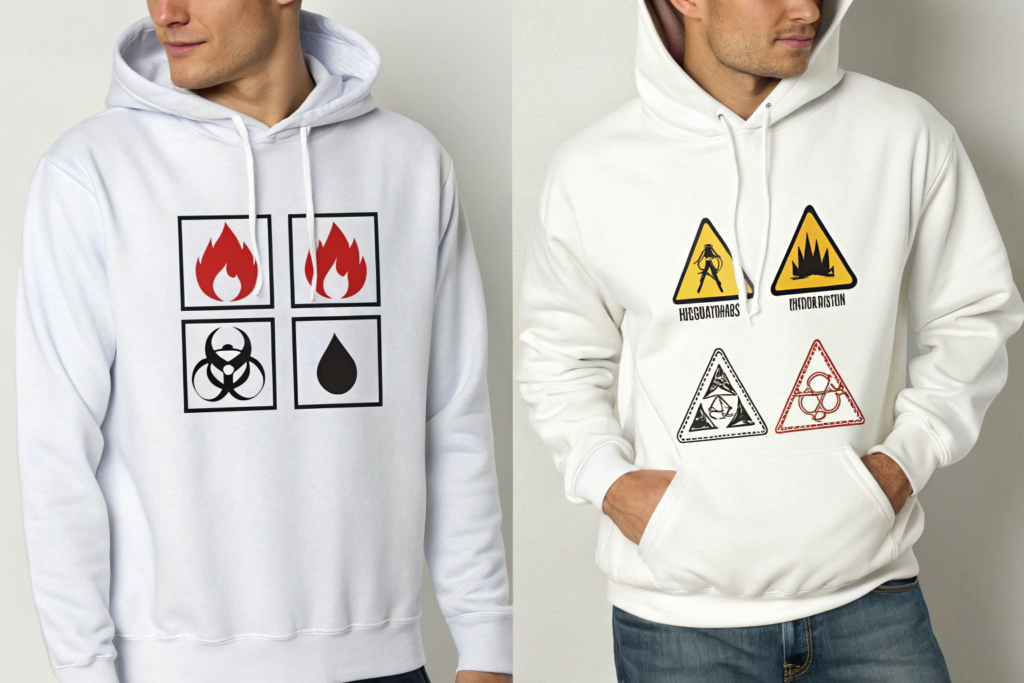
Kids wear is one of the most heavily regulated apparel categories globally, with stringent standards for flammability, chemical content (e.g., AZO dyes, lead, phthalates), and physical safety (small parts, drawstrings). These regulations add layers of cost, testing, and risk that directly influence how suppliers structure their payment terms to mitigate potential liabilities.
Safety regulations impact kids wear payment terms by necessitating higher upfront deposits to cover mandatory third-party testing, encouraging milestone payments tied to test approvals, and leading suppliers to insist on stronger quality clauses before releasing final payment to avoid recall liability.
This regulatory burden changes the financial and operational timeline.
Why is More Money Often Required Upfront for Kids Wear?
Suppliers face non-negotiable, sunk costs before bulk production can even be confirmed:
- Mandatory Lab Testing: CPSC (USA), EN 71 (EU), and other standards require passing test reports from accredited labs. These tests cost $200-$800 per style/color combination and are paid upfront.
- Specialized Material Sourcing: Oeko-Tex Standard 100 certified fabrics or low-flammability treatments are more expensive. The supplier must commit to these materials early.
To cover these irreversible costs, a factory may request a 40-50% deposit for kids wear versus a standard 30% for basic menswear. This deposit secures the testing and specialized materials. We at Shanghai Fumao clearly break out testing costs in our quotes for kids wear, explaining that a portion of the deposit is allocated to this mandatory step.
How Can Payments Be Linked to Compliance Milestones?
Smart payment structures for kids wear tie disbursements to regulatory checkpoints:
- Deposit (30-40%): Released upon order confirmation to initiate fabric sourcing and lab testing.
- Progress Payment (30%): Triggered only upon the client's receipt and approval of passing test reports from the certified lab.
- Balance (30-40%): Due after a passed pre-shipment inspection that also verifies compliance details (e.g., correct warning labels, no drawstring hazards).
This structure protects you from paying for goods that may fail compliance and protects the factory from doing bulk work before compliance is verified. A client of ours avoided a disaster when their toddler dress failed a lead content test; because the progress payment was on hold, we could switch fabric sources without a financial dispute.
How Do Order Volume and Complexity Compare?
The market scale and design intricacy of menswear versus kids wear create divergent production models, which suppliers factor into their payment term Menswear often runs on larger, more predictable volumes, while kids wear involves more size variations and smaller runs.
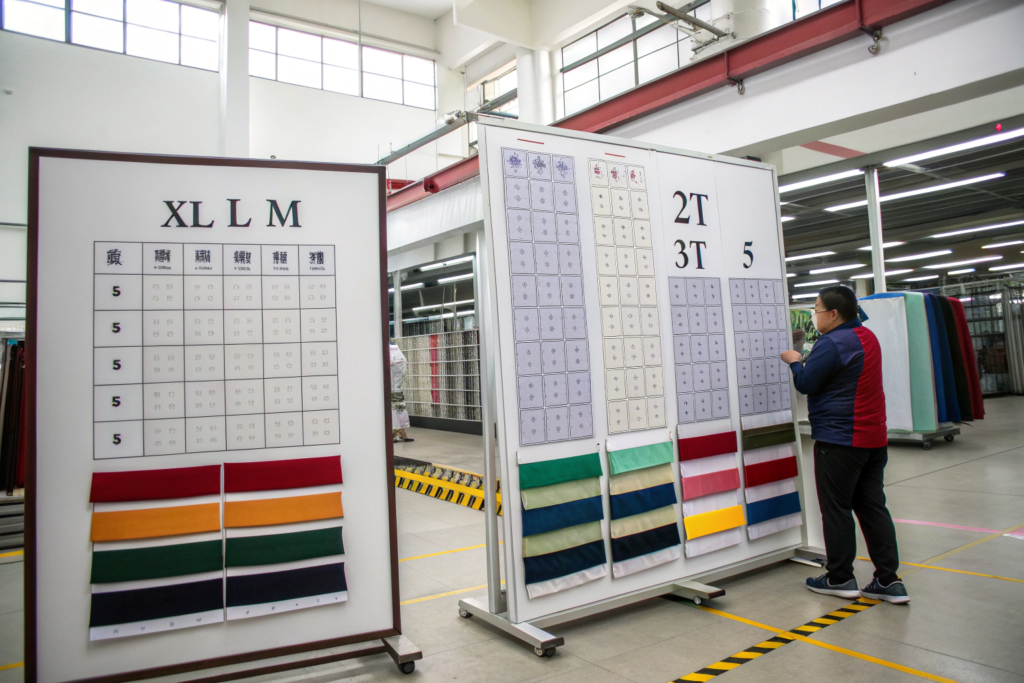
Menswear typically benefits from higher order volumes and simpler size sets, which can lead to more favorable payment terms like partial open account or lower deposits. Kids wear, with its lower MOQs, multiple size grades (baby, toddler, little kids), and intricate appliqués or prints, often involves higher per-unit costs and less supplier flexibility.
Volume and complexity directly affect a factory's cost calculation and risk assessment.
Why Might Menswear Qualify for Better Terms?
A standard men's polo shirt order might have a MOQ of 500 pieces per color, with sizing from S to XXL. This represents efficient, high-volume cutting and sewing. The factory's cost per unit is lower, and their risk is spread over more units. Because of this efficiency and the client's likely larger total order value, a factory may be willing to offer:
- A lower deposit (25-30%).
- Net 30 terms on the balance after shipment for repeat clients.
The predictability and scale make the client a valuable, lower-risk partner.
How Does Kids Wear Complexity Affect Terms?
A kids wear order for a themed sweatshirt might have an MOQ of 300 pieces but must be split across 5 sizes (2T, 3T, 4T, 5, 6) and involve a custom embroidered patch or printed graphic. The cutting is more complex, the trims are custom, and the total volume is lower. The factory's setup cost per unit is higher. Consequently, they might:
- Insist on a 40% deposit to cover the custom trim tooling (e.g., embroidery digitizing, print screens).
- Be less willing to offer post-shipment credit due to the lower total order value.
They need to ensure their upfront costs are covered before committing production capacity to a smaller, more complex order.
What Role Does Seasonality and Demand Volatility Play?
The demand cycles for kids wear and menswear can differ, influencing a supplier's cash flow expectations and their willingness to offer extended payment terms. This is especially true for fashion-driven versus basic staple items.
Kids wear demand is highly peaked around key gifting seasons (Back-to-School, Holidays) and can be more volatile due to rapidly changing trends and size-outs. Menswear, particularly basics like polos and chinos, often has more consistent year-round demand, leading to more stable production planning and potentially more flexible supplier terms.
A factory's willingness to finance your inventory via open account terms depends on their confidence in your sales consistency.

How Does This Affect Open Account Negotiations?
A supplier is more likely to offer Net 60 terms to a menswear brand that orders staple trousers every quarter. The consistent, predictable orders make the brand a reliable source of future business, justifying the supplier acting as a short-term financier.
For a kids wear brand focused on highly seasonal, trend-driven items, the supplier may perceive higher risk. If the brand misses a season, they might not reorder for another year. Therefore, the supplier may be reluctant to offer extended payment terms and insist on T/T with balance before shipment to ensure they are paid before the goods become seasonal liabilities.
Can This Be Mitigated?
Yes, through forecasting and relationship building. A kids wear brand that provides a clear, rolling 12-month production forecast demonstrating consistent volume (e.g., staple leggings and tees plus seasonal items) can build the same trust as a menswear brand. Sharing this plan with your factory, like we encourage at Shanghai Fumao, can open the door to negotiating better long-term terms.
Are There Differences in Quality Assurance and Inspection Triggers?
The tolerance for defects and the consequences of failure are vastly different between a men's work shirt and a baby's sleeper. This difference in quality risk profile influences at which stage in the payment schedule the buyer is willing to release funds and what inspection rights they demand.
Quality assurance for kids wear requires more rigorous inspection protocols due to safety risks, often mandating a pre-shipment inspection (PSI) as a non-negotiable payment trigger. For basic menswear, suppliers may be more resistant to a PSI hold, and buyers might accept in-process photos or a less stringent AQL level as sufficient for payment release.
The inspection clause is a critical part of the payment terms for kidswear.
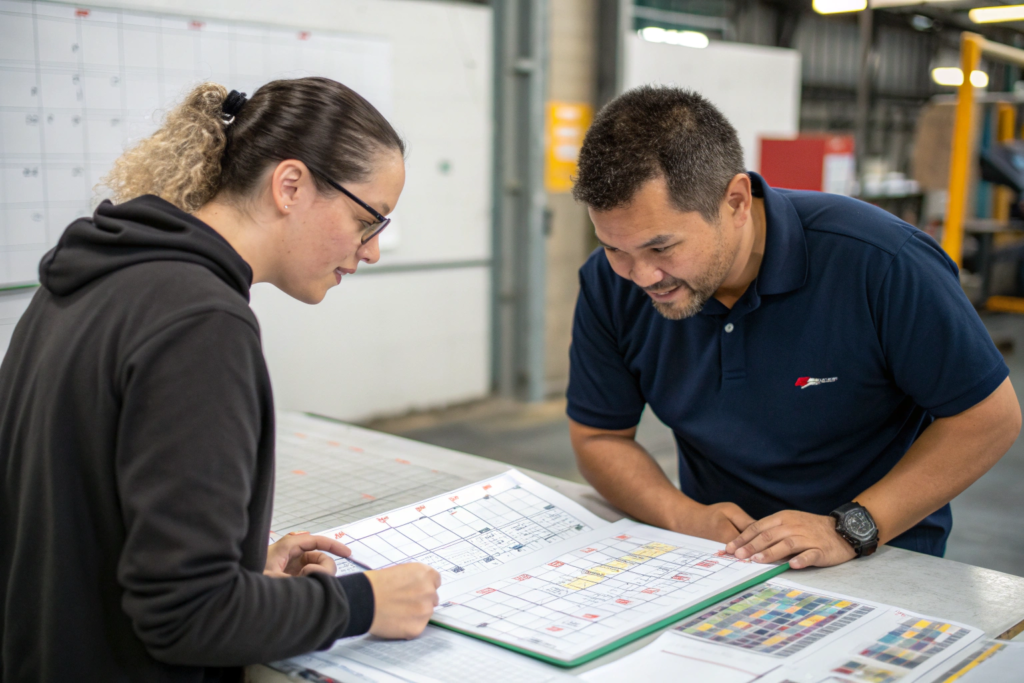
What Should Kids Wear Inspection Terms Include?
Payment must be conditional on a passing PSI that includes safety-specific checks. A strong term is:
"Final balance payment of 30% is due only after buyer approves a Pre-Shipment Inspection report from [Named Agency] confirming the order passes AQL 2.5 and a 100% safety check for [list: drawstring length, button attachment strength, choking hazard, proper warning labels]."
This gives you legal and financial leverage to reject non-compliant goods. Factories familiar with kids wear expect this.
How Might Menswear Inspection Terms Be Lighter?
For non-safety-critical menswear basics, you might agree to:
"Final balance due against copy of Bill of Lading and provision of in-process quality photos and a final production report from the factory's QC team."
This relies more on the factory's internal QC and trust. The financial trigger is simpler (shipping documents), reflecting the lower perceived risk of catastrophic failure.
Conclusion
Payment terms are not one-size-fits-all but are carefully calibrated to the risk profile of the product being manufactured. Kids wear, with its stringent safety regulations, lower volumes, higher complexity, and seasonal volatility, naturally leads suppliers to propose more conservative terms—higher deposits, tighter payment triggers linked to compliance, and less open account flexibility. Menswear, often characterized by larger volumes, simpler construction, and more stable demand, can command more buyer-favorable terms like lower deposits and extended payment schedules.
Understanding these underlying drivers empowers you to negotiate from a position of knowledge. For kids wear, focus on structuring terms that share the compliance risk and protect your brand from recalls. For menswear, leverage your order volume and predictability to negotiate better cash flow terms. At Shanghai Fumao, we tailor our term discussions to the specific category, ensuring a fair and secure agreement for both parties. To discuss the right payment structure for your kids wear or menswear line, contact our Business Director, Elaine, at elaine@fumaoclothing.com.