When you receive a quote for sample development and see a line item for "fabric sourcing" or "material procurement," it's natural to wonder why you're paying for something that isn't the physical sample itself. Many brands view sampling as just the labor of stitching a garment, overlooking the critical, time-intensive, and costly process that happens before a single stitch is made. Understanding this cost component is key to appreciating the true value of professional sample development and building an accurate production budget.
Fabric sourcing is included in sample development cost because it is a specialized, active process involving research, supplier negotiation, procurement of small-yardage swatches and bulk-quality pieces, and quality verification. It is not merely pulling fabric from a shelf; it's a foundational step to ensure your design is feasible, cost-effective, and visually accurate.
This article breaks down the specific tasks, expertise, and risks involved in professional fabric sourcing during the sampling phase, explaining why it's a billable and invaluable service.
What Does "Fabric Sourcing" Actually Entail During Sampling?
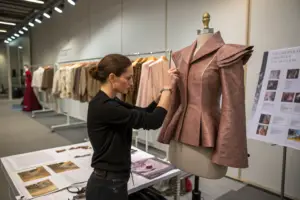
Fabric sourcing for sampling is not a passive activity. It's a project within a project, requiring the factory's sourcing team to act as an extension of your design department. Their goal is to translate your fabric description or inspiration into tangible, approvable options that meet your aesthetic, performance, and budget requirements.
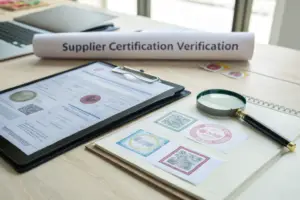
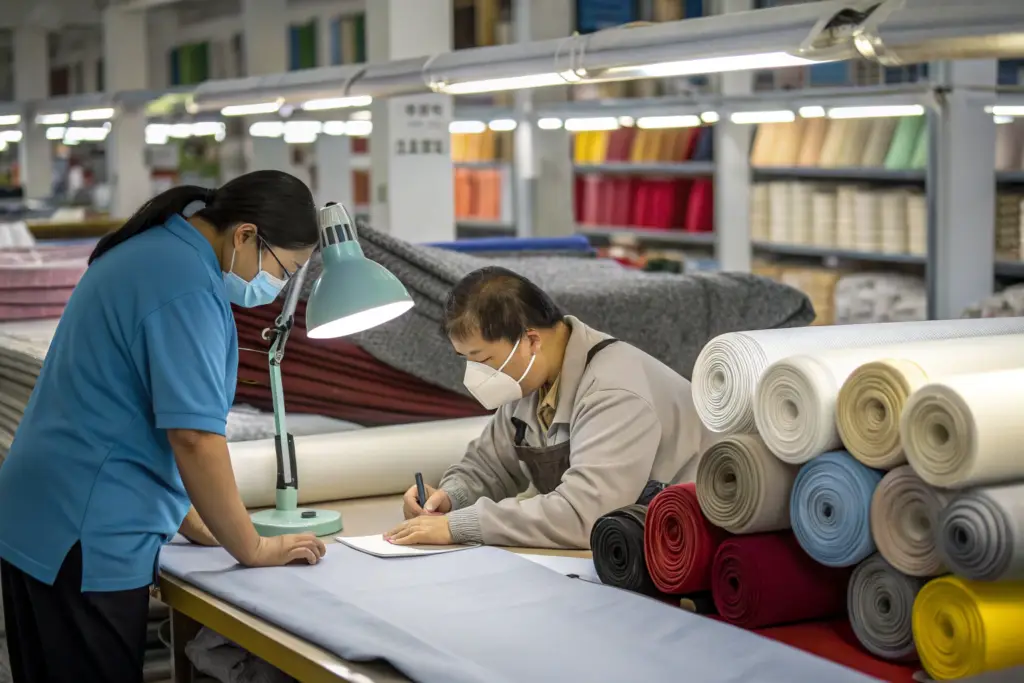
During sampling, fabric sourcing entails identifying and vetting potential mills or suppliers, requesting and evaluating lab dips and handlooms, procuring small quantities of multiple fabric options for your assessment, and conducting initial quality tests. It's a cycle of research, procurement, and evaluation.
This process is far more involved than simply buying fabric.
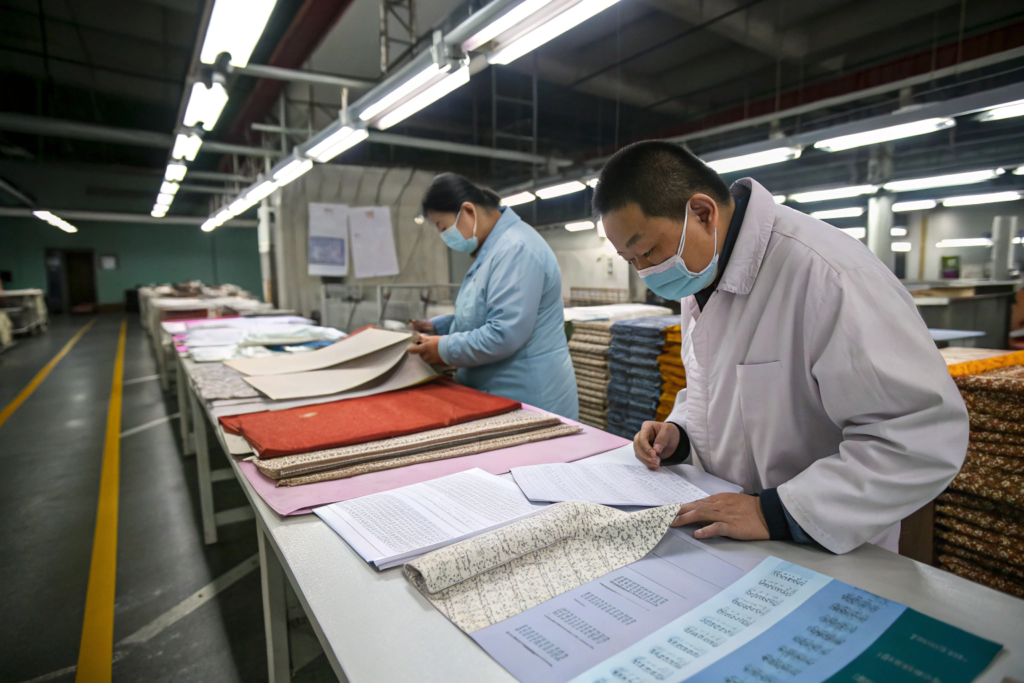
How Do Sourcing Specialists Find the Right Fabric?
Your tech pack might say "mid-weight brushed cotton twill." The sourcing specialist must interpret this into specific parameters: likely 280-320 GSM, 98% cotton 2% spandex composition, brushed finish on one side. They then:
- Query Their Network: Contact trusted mills and fabric agents who specialize in this category.
- Request Swatches & Data: Get physical handlooms or strike-offs and technical data sheets.
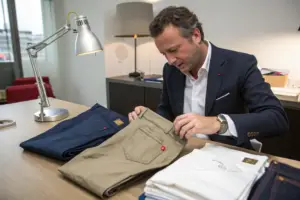
- Evaluate & Shortlist: Assess the hand feel, drape, color, and price against your brief. They may source 5-10 options to present 3-4 of the best to you.
This expertise saves you from the impossible task of finding these suppliers yourself and ensures the options are from reputable mills capable of bulk production.
Why Can't They Just Use Fabric They Have On Hand?
A professional factory may keep some greige goods (un-dyed fabric) or common fabrics, but for custom orders:
- Color Specificity: Your exact PMS color or custom dye requires a specific mill run.
- Performance Needs: Moisture-wicking, UV protection, or fire-retardant fabrics come from specialized mills.
- Cost Accuracy: Using "similar" fabric from stock gives a false cost and quality reading. The sample's purpose is to validate the actual bulk material.
Using random stock fabric for a sample is misleading and defeats the core purpose of sampling—to perfect the product before bulk investment. At Shanghai Fumao, we never substitute fabric in samples unless explicitly requested and documented, as it corrupts the entire development process.
Why is This Process Separately Costed from the Sample Making?
Bundling all costs into a single "sample fee" creates opacity. Itemizing fabric sourcing provides transparency, showing you where your money is going and giving you control over the process. It also rightly distinguishes between the creative/development work (sourcing) and the technical execution work (pattern making and sewing).
Fabric sourcing is separately costed because it involves different labor (merchandisers/sourcing agents vs. pattern makers/sample tailors), incurs direct external costs (paying mills for swatches and small-yardage cuts), and is a distinct, optional service with variable scope depending on your needs.
This breakdown allows for fair pricing and clear client choices.
What Are the Real Costs Incurred During Sourcing?
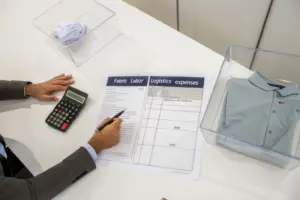
- Labor of Sourcing Staff: Time spent communicating with mills, organizing swatches, and managing the process.
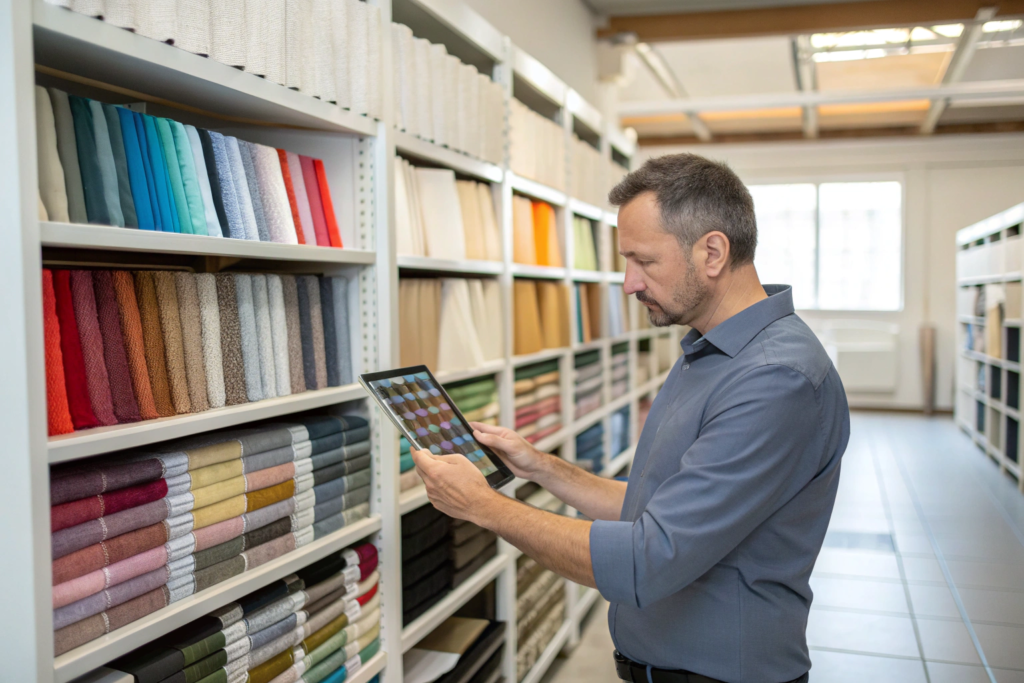
- Mill Fees for Swatches & Lab Dips: Mills often charge for creating custom lab dips (small dyed fabric samples to match your color) and for cutting small lengths (5-10 meters) for sampling. These fees can be $50-$300 per fabric option.
- Shipping and Handling: Getting these materials from the mill to the factory.
For a recent client's performance jacket, we sourced four different waterproof membranes from three different mills. The lab dip and fabric sampling fees alone totaled over $400, which was clearly broken out in our development quote.
Can You Avoid Sourcing Fees?
Yes, but only if you provide the exact, bulk-available fabric yourself. If you send the factory the specific fabric (with enough yardage for samples), they will not charge a sourcing fee. However, you then assume 100% of the risk that the fabric is appropriate, available in bulk, and within your budget. Most brands lack this specific supply chain knowledge, making the factory's sourcing service a valuable risk mitigation tool.
How Does Professional Sourcing De-Risk Your Bulk Production?
The sample phase is your opportunity to fail cheaply. Investing in thorough fabric sourcing during sampling is one of the most cost-effective risk mitigation strategies you can employ. It uncovers potential showstoppers before you commit tens of thousands of dollars to bulk fabric.
Professional sourcing de-risks bulk production by verifying fabric availability, locking in accurate pricing, testing performance, and ensuring color accuracy early. It prevents the catastrophic scenario of designing around a fabric that is discontinued, prohibitively expensive, or fails quality tests in bulk.
This due diligence has tangible, high-value outcomes.
What Problems Does Early Sourcing Uncover?
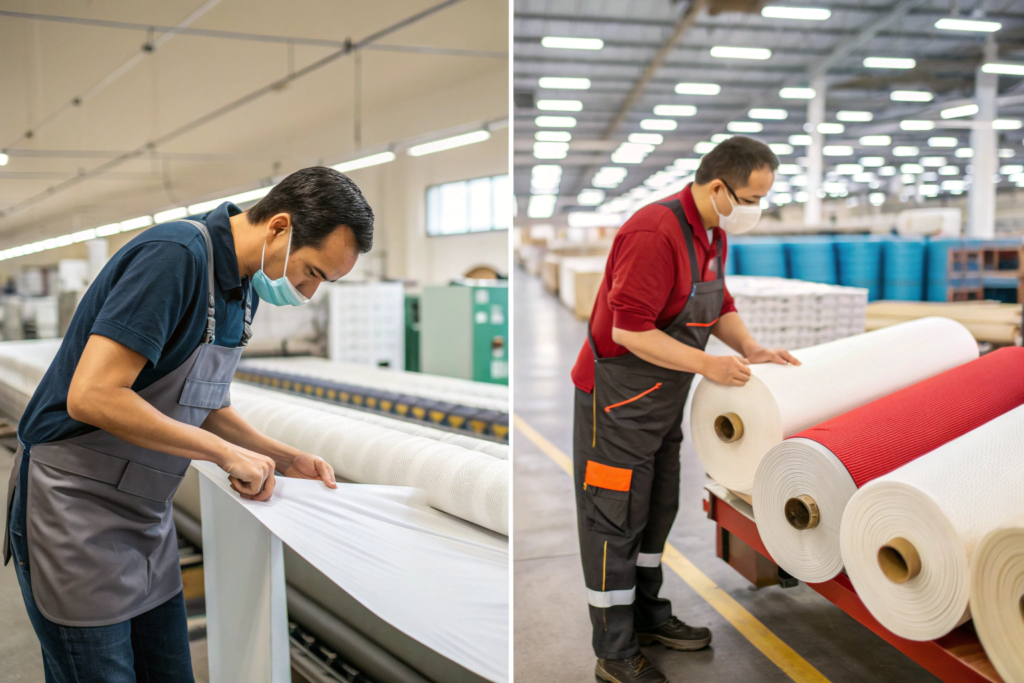
- Lead Time Reality: A beautiful fabric might have a 90-day mill lead time, which would derail your production schedule.
- Minimum Order Quantity (MOQ): The mill may have a 1,000-yard MOQ, but you only need 300 yards for your order.
- Price Shock: The sample-yardage price might be $8/meter, but the bulk price could be $12/meter. Professional sourcing gets preliminary bulk quotes.
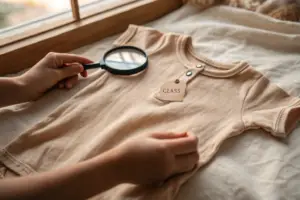
- Performance Failure: A waterproof fabric might fail a spray test in the lab, or a color might fail colorfastness.
We had a client obsessed with a specific recycled polyester. Our sourcing process revealed the only mill producing it had an MOQ higher than their total fabric needs for two years. Discovering this during sampling saved them from a dead-end design.
How Does It Ensure Color and Quality Consistency?
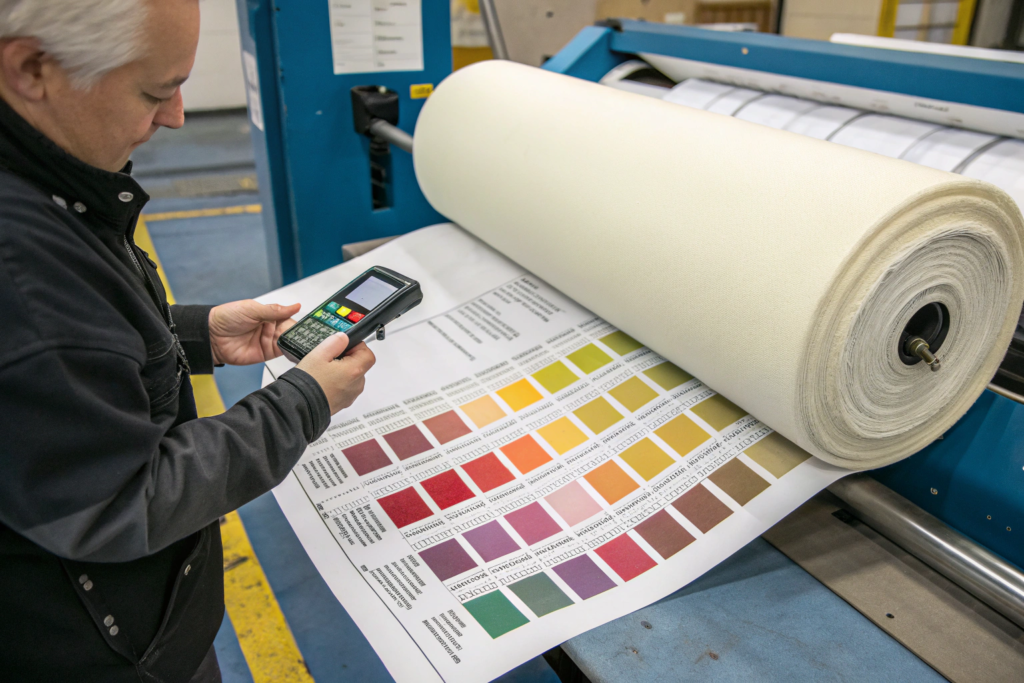
The sourcing process includes lab dip approval. You approve a small swatch of the exact color on the exact fabric base. This approved lab dip is then sent back to the mill as the legal standard for dyeing the entire bulk order. Without this step, you are trusting the mill's interpretation of "dusty blue," which will inevitably vary. This formal approval chain, managed by the factory's sourcing team, is your guarantee of consistency.
Is It Cheaper to Source Fabric Yourself?
The temptation to cut out the "middleman" and source fabric directly is strong, especially for cost-conscious brands. However, this often proves to be a false economy when you factor in hidden costs, expertise gaps, and the increased risk of project failure.
It is rarely cheaper or more efficient for a brand to source fabric themselves for a custom order. Lack of trade relationships, inability to negotiate bulk prices, misunderstanding of technical specs, and high risk of supplier failure often lead to higher costs, delays, and quality disasters that far exceed the factory's sourcing fee.
The factory's leverage and expertise are assets you pay for.
What Hidden Costs Does DIY Sourcing Incur?
- Time Cost: Countless hours researching suppliers, communicating, and managing logistics.
- Mis-Specification Cost: Ordering fabric with the wrong weight, composition, or finish because you lack technical knowledge.
- Logistics Cost: Paying international shipping and duties on a small sample order, and again on bulk.
- Failure Cost: If the fabric is wrong, you bear 100% of the loss. When a factory sources it, they share the responsibility and have recourse with their mill partner.
A brand founder once spent 40 hours and $1,200 in sample fees to source a "unique" fabric directly, only to find the factory couldn't work with its specific coating, rendering it useless. The factory's sourcing team found a superior alternative within a week for a $200 development fee.
What Leverage Does a Factory Have That You Don't?
Factories like ours have long-term relationships and significant annual volume with mills. This gives them:
- Better Pricing: They get wholesale, bulk pricing you cannot access.
- Priority Attention: Their requests for lab dips and sample yardage are prioritized.
- Quality Accountability: Mills are less likely to provide subpar goods to a major, recurring customer.
This leverage directly benefits you in the form of lower costs, faster turnaround, and higher quality assurance.
Conclusion
Fabric sourcing is a legitimate, critical, and value-adding component of sample development cost. It represents the intellectual and logistical work of transforming a design concept into a manufacturable reality. Paying for this service invests in de-risking your entire production run, ensuring cost accuracy, and leveraging professional expertise you likely lack in-house.
Viewing it as an unnecessary fee misses the point of professional sampling altogether. A comprehensive development process that includes expert fabric sourcing saves you significant time, money, and heartache downstream. At Shanghai Fumao, we provide transparent breakdowns of our development costs because we believe an educated client makes better partners. To invest in a thorough and de-risked development process for your next collection, contact our Business Director, Elaine, at elaine@fumaoclothing.com.