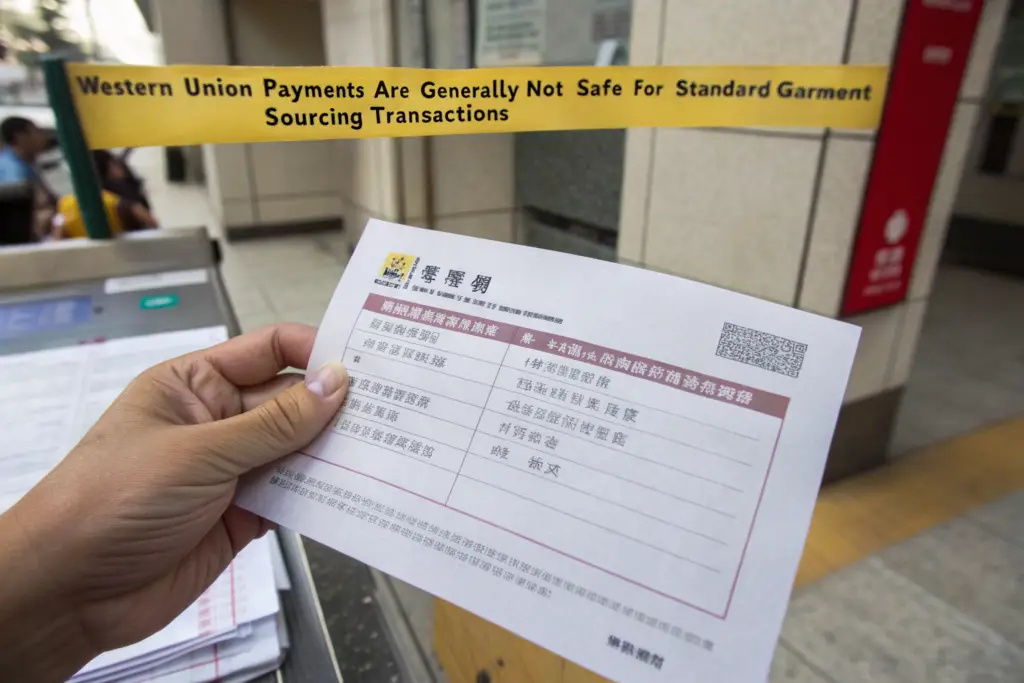
When a new supplier requests payment via Western Union or similar money transfer services (like MoneyGram), it often raises immediate red flags for experienced importers. While these services offer speed and accessibility, their suitability for B2B garment sourcing transactions is fraught with risk. Understanding these risks is crucial to protect your capital from fraud and to engage in professional, secure trade practices.
Western Union payments are generally not safe for standard garment sourcing transactions. They are designed for person-to-person transfers, offer no buyer protection, lack a formal audit trail for B2B disputes, and are a preferred method for scammers due to the difficulty of tracing and recovering funds.
This article will dissect the specific vulnerabilities of using Western Union for bulk orders, compare it with standard B2B payment methods, and provide clear guidelines on the rare circumstances where it might be acceptable.
What Are the Inherent Risks of Using Western Union?
Western Union operates on a cash-based, irreversible transfer model that is fundamentally misaligned with the needs of a commercial procurement transaction. The risks stem from a lack of accountability, transparency, and recourse—key pillars of secure B2B trade.
The inherent risks of using Western Union include irreversible payments, no proof of business purpose, high susceptibility to fraud, and the absence of any escrow or conditional release mechanism. Once the money is picked up by the recipient, you have zero leverage or recovery options.
These risks manifest in several specific, dangerous ways for an apparel buyer.
Why is the Irreversibility of the Payment Critical?
Once you send money via Western Union and the supplier (or anyone with the correct code) collects it in cash, the transaction is complete. There is no bank intermediary to file a dispute with, no mechanism to reverse the payment if the goods are not shipped, and no way to withhold payment if quality issues are found later. This is the polar opposite of terms like Letter of Credit (L/C) or even Telegraphic Transfer (T/T) with a deposit balance, where payment can be stopped or is contingent on documents. In 2021, an emerging brand paid a $5,000 "tooling fee" via Western Union to a supposed "factory" for custom buttons. The recipient disappeared after collection, and the money was permanently lost.
How Does It Lack a Proper B2B Audit Trail?
For accounting, compliance, and legal purposes, businesses need clear payment records tied to an invoice and a beneficiary company. A Western Union receipt shows you sent money to an individual's name in a city. It does not prove payment to a registered business entity for goods. This creates problems for your bookkeeping, tax reporting, and provides no valid proof of payment in a legal dispute. If you need to verify a supplier's legitimacy, a bank transfer to their registered company account is a basic first check; Western Union bypasses this entirely.
How Do Scammers Exploit Western Union Payments?
Fraudulent operators in the garment industry specifically request Western Union because it perfectly aligns with their tactics: anonymity, speed of cash access, and zero recourse for the victim. Recognizing these exploitation patterns can prevent you from becoming a target.
Scammers exploit Western Union payments by posing as legitimate factories, requesting advance fees for "samples," "mold costs," or "deposits," and then disappearing once the cash is collected. The personal, cash-based nature of the transfer makes it nearly impossible for law enforcement to track or recover the funds.
The narratives used by scammers are often tailored to prey on a buyer's urgency or desire for a good deal.
What are Common "Advanced Fee" Scams?
The script typically follows these steps:
- The Hook: An attractive price for garments, often below market rate, presented on a B2B marketplace or website.
- The Request: Before sending samples or a contract, they request a "small" Western Union payment for "sample shipping costs," "customs fees," or "fabric sourcing fees."
- The Pressure: They create urgency: "The fabric price will increase tomorrow" or "This offer is only valid if you pay today."
- The Disappearance: Once the $200-$2,000 is sent and collected, communication ceases, and the storefront may vanish.
A legitimate factory like Shanghai Fumao will never ask for Western Union. Sample costs are either borne by the factory to build trust or clearly invoiced via proforma invoice (PI) for bank transfer, creating a formal record.
Why Can't You Trace or Recover the Funds?
Western Union transfers are to individuals, not companies. The recipient provides minimal identification to collect cash, often in a different country. The transaction reference number is useless once the money is collected. Filing a report with Western Union or law enforcement rarely results in recovery, as the funds are instantly liquid. This differs from a bank wire, where the receiving account is registered, and in cases of fraud, there is at least a paper trail to investigate, though recovery is still not guaranteed.
When Might Western Union Be Acceptable (If Ever)?
Given the severe risks, the use of Western Union in garment sourcing should be exceptionally rare and confined to very low-value, non-critical transactions where the risk is consciously accepted. Even then, professional alternatives are almost always better.
Western Union might be marginally acceptable only for tiny, non-recoverable expenses under $200 where speed is critical, such as urgently sending a small cash allowance to a trusted visiting agent, or for a one-off, minimal customs clearance fee in a remote location where bank transfer is impossible.
It should never be used for core business payments like deposits, sample fees for new suppliers, or balance payments.
Are There Any Legitimate Factory Requests?
Virtually none for order-related payments. A real, professional factory has a corporate bank account. They will accept T/T (bank wire), L/C, or possibly PayPal for very small balances (though PayPal also has buyer protection issues). If a "factory" insists on Western Union, consider it a major red flag and a strong indicator of a scam. It suggests they either cannot open a legitimate business bank account (a basic requirement for any real company) or they intentionally want untraceable cash.
What Are Professional Alternatives for Small/Urgent Payments?
For legitimate small payments, use:
- Bank Transfer (T/T): Even for small amounts, it's professional and provides a record.
- PayPal (Goods & Services): Offers some buyer protection for tangible goods. Ensure invoices are clear.
- Wise (Formerly TransferWise): Offers fast, low-cost international transfers to bank accounts with good transparency.
- Credit Card: Some suppliers accept this via portals, offering chargeback rights.
These methods all create a digital, auditable trail connected to a business entity, which is a fundamental requirement for any procurement activity.
What Are the Standard Safe Payment Methods?
The global garment industry operates on a set of established, secure payment methods that balance risk between buyer and supplier. Insisting on these methods is a sign of professionalism and a basic step in supplier verification.
The standard safe payment methods for garment sourcing are Telegraphic Transfer (T/T) to a company bank account, Letters of Credit (L/C), and for smaller transactions, secured platform payments or escrow services. These provide audit trails, contractual links, and varying levels of financial security.
Understanding and using these methods should be the foundation of your financial dealings.
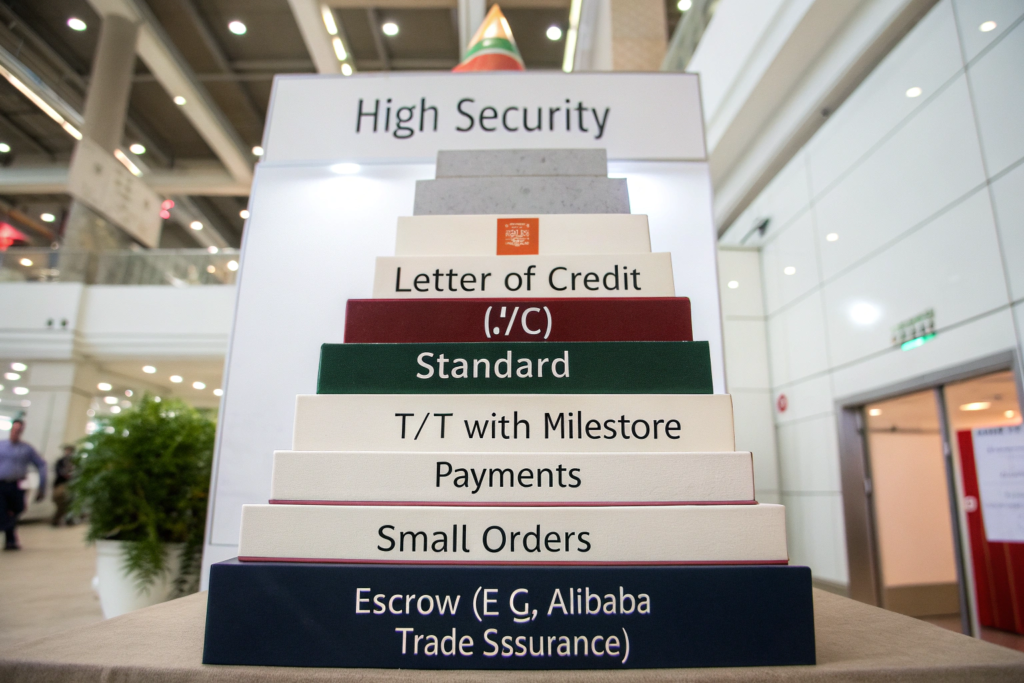
How Does a T/T Bank Transfer Provide Security?
A Telegraphic Transfer to the supplier's verified corporate bank account:
- Verifies Legitimacy: The factory must have a registered business account.
- Creates an Audit Trail: The bank record links payment to an invoice and a company.
- Enables Structured Terms: Allows for standard 30/70 or milestone-based payments (e.g., 30% deposit, 40% after production, 30% after inspection).
While it doesn't offer the same payment guarantees as an L/C, it is the professional norm. Before paying, always verify the account name matches the company name on the business license.
When Should You Use a Letter of Credit (L/C)?
An L/C is the gold standard for security, especially for large orders or new suppliers. The bank guarantees payment to the supplier only after they present documents proving shipment (like a Bill of Lading). You can even require an inspection certificate as part of the documents, ensuring quality before payment is released. It costs more (bank fees) but is worth it for high-value transactions to eliminate the risk of paying for nothing.
What Due Diligence Should Replace a Western Union Request?
When a potential supplier suggests Western Union, treat it as a trigger to intensify your due diligence, not as a payment option to consider. This request itself is a valuable piece of risk data.
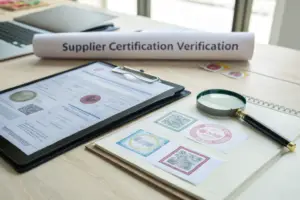
The due diligence that should replace a Western Union request includes verifying the supplier's business registration, conducting a live video factory tour, checking independent references, and insisting on a formal proforma invoice for a bank transfer. If they cannot meet these basic checks, walk away.
This process filters out fraudulent actors and identifies legitimate partners.
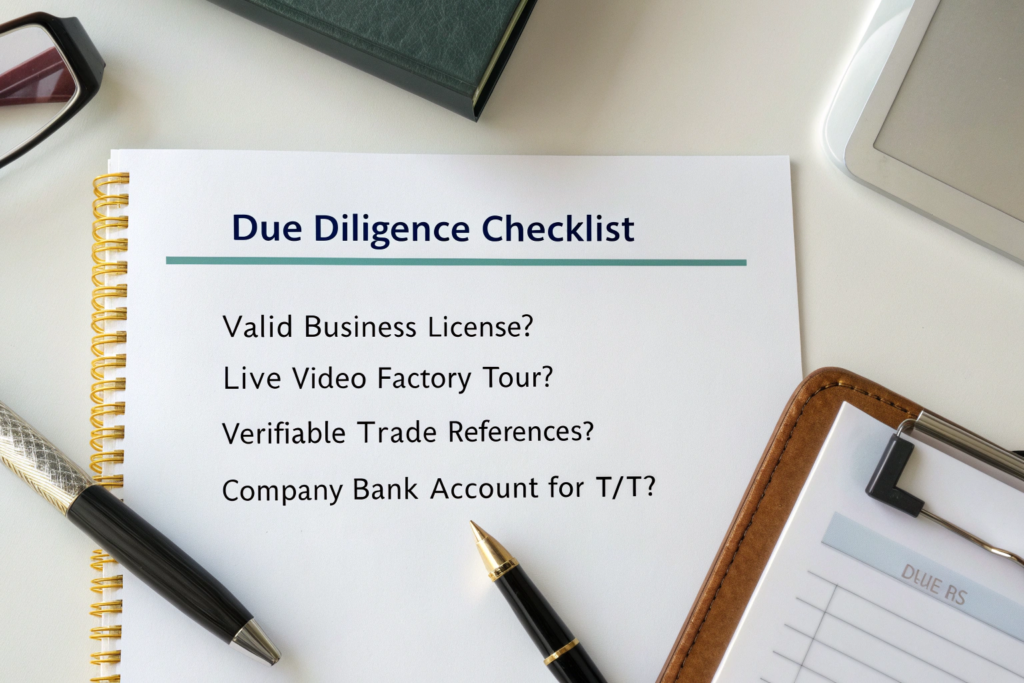
What Specific Documents and Proofs Are Required?
- Business License: Request a clear copy. Cross-check the company name and address.
- Live Video Tour: Do not accept pre-recorded videos. A live walk-through of the factory floor, showing machinery and workers, is essential.
- Trade References: Ask for contact info of 2-3 other overseas clients. Actually contact them.
- Sample with Formal Invoice: Pay for a sample via bank transfer against a proper PI. A legitimate factory will send a sample; a scammer will not after this step.
A supplier that is unwilling or unable to provide these is not a viable partner for a business relationship.
How to Respond to a Western Union Request?
Politely but firmly state your company policy: "Thank you for the quote. Our company policy and accounting procedures require all international payments to be made via bank transfer to a registered company account against a formal proforma invoice. Please provide your company's banking details and a PI so we can proceed."
Their response will be telling. A real factory will comply. A scammer will make excuses, apply pressure, or fade away.
Conclusion
Using Western Union for garment sourcing payments is a high-risk practice that aligns more with scams than with legitimate B2B commerce. Its irreversible, cash-based, and anonymous nature strips you of all leverage and protection. The garment industry has well-established, secure payment channels—from basic T/T bank transfers to sophisticated Letters of Credit—that provide the auditability, recourse, and professional framework necessary for sustainable trade.
Insisting on these standard methods is a non-negotiable aspect of professional sourcing. It protects your capital, ensures proper accounting, and acts as a first filter to separate credible manufacturers from fraudulent operators. At Shanghai Fumao, we conduct all our transactions transparently through corporate banking channels, because we believe that financial professionalism is the foundation of trust. To engage in secure and professional manufacturing partnership, contact our Business Director, Elaine, at elaine@fumaoclothing.com.