
When you place a custom apparel order, the first financial commitment is usually a deposit. Many suppliers quote a 30% deposit upfront, but is this a fixed rule or just a common starting point? Understanding the logic behind deposit structures can protect your cash flow and build a healthier partnership with your manufacturer.
A 30% deposit is a common standard for custom apparel orders, but it is not universal. The actual percentage is negotiable and varies based on order value, fabric sourcing requirements, partnership history, and the specific payment terms agreed upon. It serves to secure materials and initiate production.
This article will break down the factors that influence deposit requirements. We will show you how to assess what's fair for your specific situation and how to negotiate terms that work for both you and your supplier.
What Factors Determine the Deposit Percentage?
The deposit is not a random number. It's calculated to cover the manufacturer's initial costs and risk. A standard 30% often acts as a baseline, but several key elements can push this number higher or make a lower deposit possible.
The main factors determining the deposit percentage are the cost of raw materials, the complexity of the order, the total order value, and the trust level between buyer and supplier. Large fabric purchases or unique trims often require a higher deposit to secure them.
Let's examine these factors in detail to understand their impact on your initial payment.
How Does Fabric Sourcing Affect the Deposit?
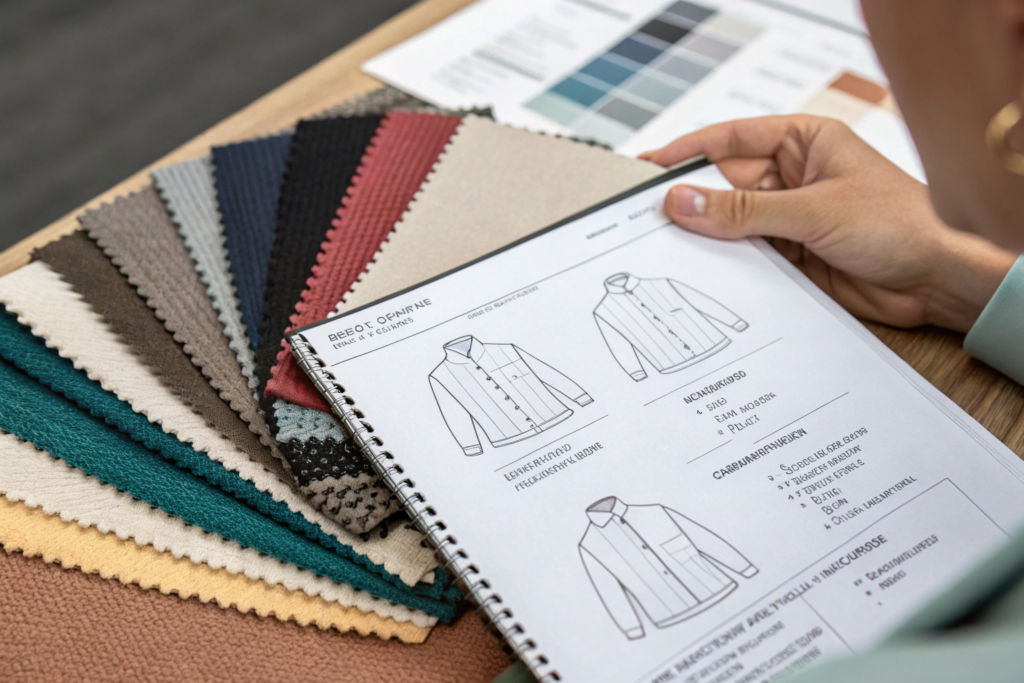
If your order requires the factory to purchase special or expensive fabrics, the deposit will likely be higher. Fabric mills themselves often require significant prepayment, especially for smaller quantity orders. For example, last year, we worked with an emerging activewear brand that wanted a specific moisture-wicking fabric from a specialized mill. The mill required a 50% prepayment. Consequently, we requested a 40% deposit from the client to secure that fabric, which was fair and transparent. For basic, in-stock fabrics, a 30% or even lower deposit might suffice. The rule is simple: the earlier and more costly the supplier's financial outlay, the higher your deposit will be.
Does Order Size or History Influence the Deposit?
Absolutely. Larger order volumes can sometimes justify a lower percentage deposit because the total monetary value is still substantial for the factory. Conversely, a very small order (e.g., 200 pieces) might require a 50% deposit because the fixed costs of setup are high relative to the total price. Furthermore, partnership history is crucial. A new client represents a higher risk, so a 30-50% deposit is standard. After several successful orders, we often reduce the deposit to 30% or even 25% for our trusted partners at Shanghai Fumao, as the established trust lowers the financial risk. This rewards loyalty and fosters long-term collaboration.
What Are the Risks of Paying a Higher Deposit?
Paying a large sum upfront can feel unsettling. You are trusting the supplier to deliver on their promises. While a deposit is necessary, an unusually high percentage can expose you to several financial and operational risks that need to be managed.
The primary risks of paying a higher deposit include increased financial exposure if the supplier fails, reduced leverage during production to address issues, and potential cash flow strain on your business. It also increases the impact of currency fluctuation losses on a larger upfront sum.
Mitigating these risks doesn't mean avoiding deposits entirely. It means structuring the agreement with safeguards.
How Can You Protect Yourself With a Contract?
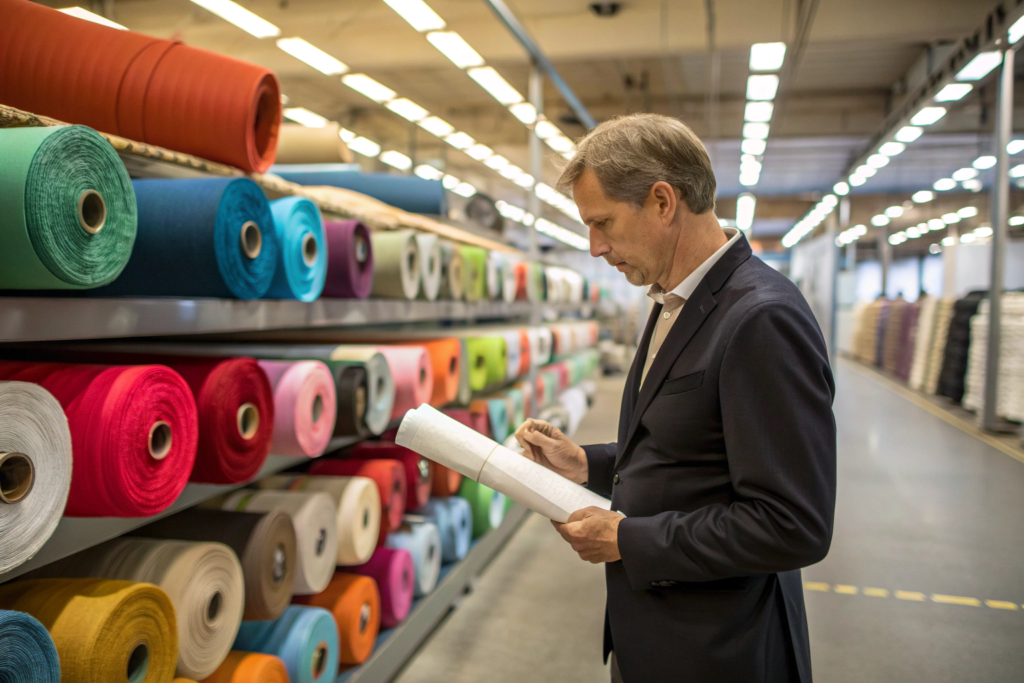
A strong contract is your best defense. It must explicitly link the deposit to specific, verifiable actions. Avoid vague language. Instead, specify: "The 30% deposit is payable upon contract signing and is exclusively for the procurement of fabric and trims as listed in Annex A." Furthermore, include a clear production timeline with milestones. Most importantly, ensure the contract has a termination and refund clause. For instance, it could state that if the supplier fails to provide proof of fabric purchase within 14 days of receiving the deposit, the buyer is entitled to a full refund. This ties the funds to tangible progress.
What Security Can a Supplier Offer?
A reputable supplier should be willing to offer security in return for your trust. You can request:
- A Proforma Invoice (PI): This formal document outlines all costs and terms, making the deposit part of a legal financial agreement.
- Proof of Purchase: Receipts or contracts from their fabric mill upon using your deposit funds.
- Company Registration Details: Knowing you are working with a legally registered entity, like Shanghai Fumao, adds a layer of accountability. We always provide a PI and, upon request, can share evidence of material procurement to our clients. This transparency turns the deposit from a leap of faith into a documented step in the workflow.
Are There Alternative Payment Structures?
The standard 30/70 payment (30% deposit, 70% before shipment) is not the only option. Depending on your order and relationship, you can propose different structures that might better align with your cash flow and risk management.
Yes, common alternatives include a 50/50 split, a three-stage payment plan (e.g., 30/40/30), or using trade assurance services like Alibaba's or a Letter of Credit (L/C). Each structure shifts the risk and cash flow burden differently between buyer and supplier.
Choosing the right structure is a strategic decision. Here’s a breakdown of common models.

When is a 50/50 Payment Term Advantageous?
A 50/50 payment term (half upfront, half before shipment) is often used for medium-value orders or when material costs are extremely high. It gives the supplier more working capital security. For you, the advantage is that you retain a significant 50% leverage until the goods are ready. The key is to define the trigger for the final 50% payment clearly, such as "upon completion of production and provision of pre-shipment inspection photos." This structure can be a good middle ground.
How Do Staged Payments or Letters of Credit Work?
- Staged Payments (e.g., 30/40/30): This breaks the payment into more milestones (e.g., 30% deposit, 40% upon completion of cutting/sewing, 30% before shipment). It offers you more control and the supplier a more consistent cash flow. It requires more administrative follow-up but greatly reduces risk.
- Letter of Credit (L/C): This is a bank-guaranteed payment. Your bank promises to pay the supplier once they present documents proving they've shipped the goods (like a bill of lading). It protects both parties but involves bank fees and is more complex. It's best for very large, first-time orders where trust is still being built. For ongoing partnerships, simpler terms are usually more efficient.
How Should You Negotiate the Deposit Terms?
Negotiation is not about demanding the lowest deposit. It's about finding a mutually secure and fair agreement that facilitates a smooth production process. Your approach should be collaborative, not confrontational.
To negotiate deposit terms effectively, come prepared with your order details, propose reasonable alternatives based on risk-sharing, and build the discussion around building trust for a long-term partnership. Always get the final agreed terms in a written contract.
A successful negotiation is built on preparation and clear communication.
What Information Should You Provide to Negotiate Better?
The more credible and prepared you are, the better your position. Provide a complete tech pack and clear product specifications upfront. Share your business background and growth plans. For instance, you could say, "This is our initial order of 2,000 units for Market testing. We have a forecast for 10,000 units next season if quality and delivery are good." This shows you are a serious, long-term prospect. A supplier is far more likely to offer favorable terms to a partner with clear potential than to a one-time buyer.
What is a Fair Counter-Offer to a 30% Deposit?
Based on your situation, you can propose:
- "Given our order value is over $50,000, could we agree on a 25% deposit with a 75% balance against copy of bill of lading?"
- "To share the risk, could we structure it as 30% for materials, 40% upon production completion inspection, and 30% before shipping?"
- "As a sign of good faith for our first order, we agree to 30%. Can we include a clause that for our next order, based on satisfactory performance, the deposit reduces to 25%?"
A manufacturer focused on partnership, like our team at Shanghai Fumao, will engage in this discussion. We recently agreed to a 20% deposit with a new client who provided an impeccable tech pack and a firm 12-month production forecast, demonstrating that flexibility is possible with clear commitment.
Conclusion
While a 30% deposit is a widely used benchmark in the custom apparel industry, it is a starting point for negotiation, not a rigid rule. The final percentage should reflect a balance between the supplier's need to cover initial costs and your need to manage risk and cash flow. By understanding the factors at play—material costs, order size, and trust—and by approaching negotiations with transparency and a collaborative spirit, you can secure terms that support a successful and sustainable manufacturing partnership.
For your next custom order, look for a partner who values transparency in finances as much as in quality. At Shanghai Fumao, we tailor our payment terms to fit each project's unique needs, always aiming for a fair and secure agreement that gets your production started on the right foot. Let's discuss a deposit structure that works for you. Contact our Business Director, Elaine, at elaine@fumaoclothing.com to begin the conversation.