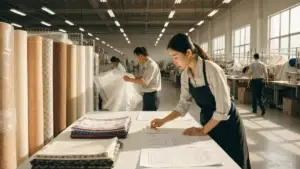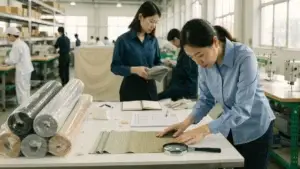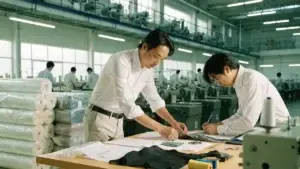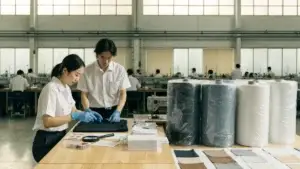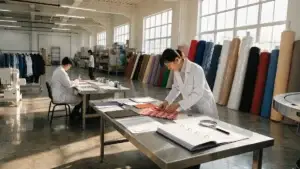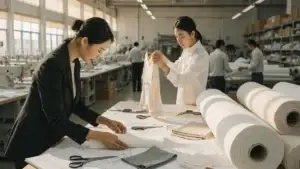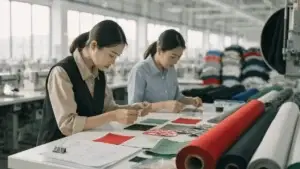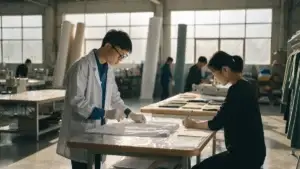
You have a brilliant new design idea and reach out to a factory. They respond enthusiastically but request a "sample development fee" before they begin. This moment often creates tension: as a brand, you might see it as an upfront cost with no guarantee; for the factory, it's a necessary filter and a fair compensation for specialized work. The sample development phase is where the most intensive, customized labor happens—it's the R&D of fashion. So, how do professional factories secure payment for this high-risk, pre-production work in a way that's fair and builds trust?
Garment factories secure sample development payments through structured policies like upfront fees, minimum order value (MOV) rebates, or bundled costing, which protect them from speculative work and compensate for the technical labor, material costs, and opportunity cost of dedicating resources to a single client's project. These mechanisms separate serious partners from casual inquiries and ensure the factory's skilled pattern makers, sample sewers, and product developers are paid for their expertise, regardless of whether the project moves to bulk production.
At Shanghai Fumao, we receive dozens of sample requests weekly. One startup sent us five complex tech packs, asking for "samples to evaluate quality." They refused any development fee. We politely declined. They went to a factory that made free samples using low-grade materials and sloppy construction. The startup placed a bulk order based on those samples, and the resulting shipment was a disaster. They returned to us, paid our development fee, and we built the samples correctly. The founder later admitted, "The free sample was the most expensive mistake we made." This illustrates why securing payment for development is a sign of a professional, serious factory. Let's explore the standard models.
Why Do Factories Insist on Payment for Sample Development?
To understand the "how," you must first understand the "why." Sample development is not a simplified version of bulk production; it's often more complex and resource-intensive per unit. A factory's decision to charge is rooted in practical economics and risk management.
It's a filter for commitment and a fair exchange of value.
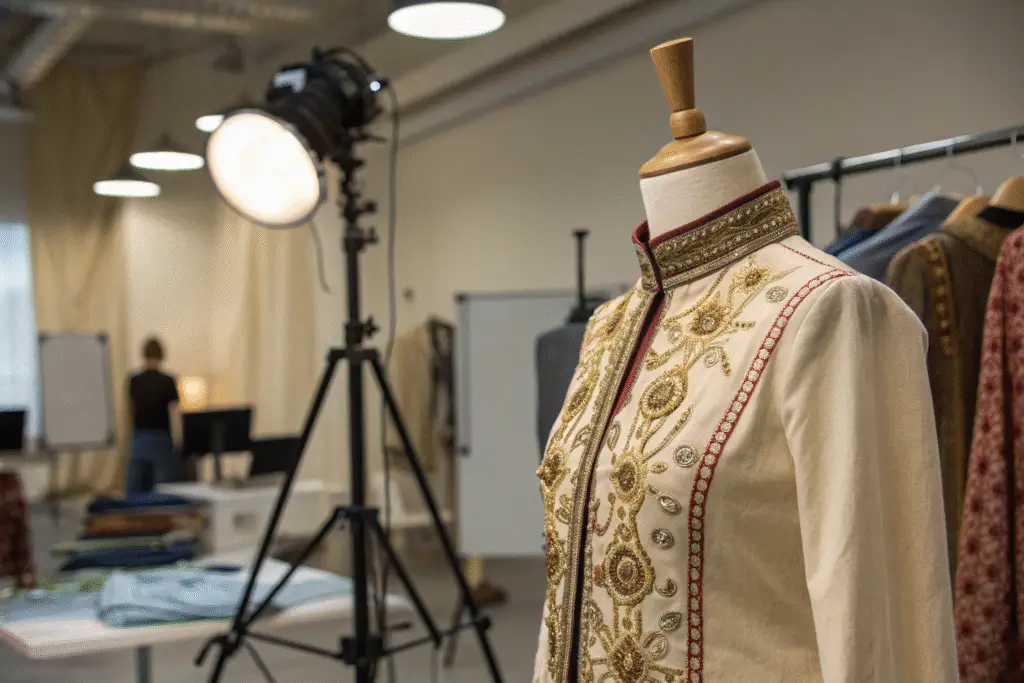
What Are the Real Costs Incurred During Sample Development?
-
High-Skilled Labor Costs:
- Pattern Making & Grading: A senior pattern maker can spend 8-16 hours creating and perfecting a base pattern and its size grades. This is expert-level technical work.
- Sample Sewing: Sample sewers are the most skilled operators in the factory. They construct one-off garments, problem-solving construction issues in real-time. Their hourly rate is significantly higher than a production line worker.
- Product Development Management: A merchandiser or project manager dedicates hours to coordinating fabric sourcing, trims, and communication with you.
-
Material Sourcing & Costs:
- Fabric and Trim Sourcing: Even for a single sample, the factory must source small quantities of specific materials. This involves logistics and often paying premium prices for small cuts.
- Physical Materials: The fabric, thread, buttons, zippers, and interlining used for the sample are direct costs.
-
Opportunity Cost:
- The sample room has finite capacity. Time spent on a speculative project for one client is time not spent on development for another committed client.
Table: Sample vs. Bulk Production Cost Structure
| Cost Component | Sample Development (1 pc) | Bulk Production (Per Unit, 1000 pcs) |
|---|---|---|
| Pattern Making | $150 - $500 (one-time) | Amortized to $0.15 - $0.50/unit |
| Sample Sewing Labor | $50 - $200 (skilled, hourly) | $3 - $10 (efficient, SAM-based) |
| Material Sourcing | High effort, small quantity premiums | Efficient bulk pricing |
| Management | Intensive, hands-on | Streamlined, systematic |
Given this, asking a factory to absorb these costs for free is akin to asking an architect to design your house for free, hoping you'll choose them to build it.
What Are The Standard Models for Securing Development Payments?
Professional factories don't operate on handshake deals for samples. They have clear, documented policies. These models are designed to be fair and to align incentives between the brand and the factory.
Choosing the right model depends on your project stage and commitment level.
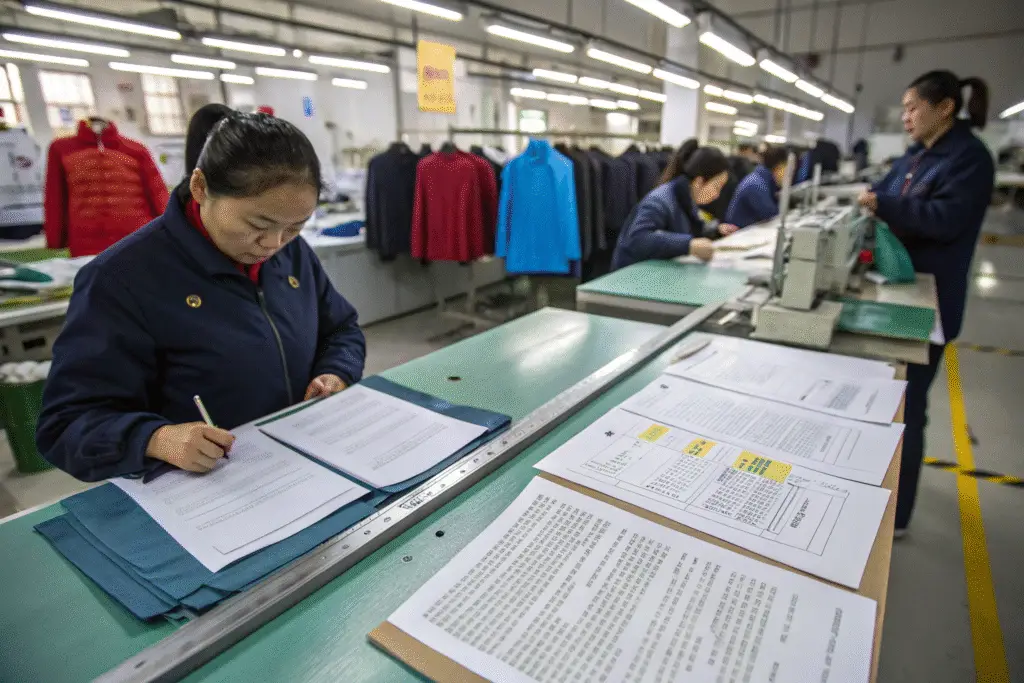
Model 1: Upfront Sample Development Fee (Most Common)
This is a fixed fee paid before work begins. It is non-refundable but is often credited against your first bulk order.
- How it Works: You pay a quoted fee (e.g., $300-$800 per style, depending on complexity). The factory produces the prototype and fit samples. If you place a bulk order, this fee is deducted from your total invoice.
- Rationale: Covers the factory's hard costs and labor for the development work. The credit incentive motivates you to place the bulk order with them.
- Best For: New clients, startups, or brands testing a new factory relationship. It's a low-risk way for both parties to collaborate.
Model 2: Minimum Order Value (MOV) Commitment
In this model, the factory may waive the sample fee, but you commit contractually to placing a bulk order of a certain minimum value if the samples are approved.
- How it Works: You sign an agreement stating, "If sample X is approved, Client will place a production order of no less than $10,000." The sample is effectively financed by the future business.
- Rationale: The factory assumes the development cost, betting on your commitment to a substantial order. It's a show of faith on their part.
- Best For: Established brands with clear forecasts, or for large, strategic projects where the order value justifies the factory's risk.
Model 3: Bundled Costing (Sample Cost Included in Bulk FOB)
The cost of sampling is not a separate line item but is factored into the per-unit FOB price of the bulk order.
- How it Works: The factory provides one all-inclusive FOB price. This price is slightly higher than it would be without sampling, as it includes the amortized development cost. If you don't place the order, there is no separate sample fee to pay, but you also don't get the patterns or samples.
- Rationale: Simplifies the process. It works on the assumption that the project will proceed to bulk.
- Best For: Long-term partners with a high degree of trust, or for very simple styles where development cost is low.
At Shanghai Fumao, we primarily use Model 1 (Upfront Fee with Credit) for new clients. It's transparent, fair, and sets a professional tone. For our strategic partners, we often use Model 3.
What Is Included in a Professional Sample Development Service?
When you pay a development fee, you are not just buying a physical sample. You are purchasing a professional service package. A clear scope of work should be outlined in a Sample Development Agreement to prevent misunderstandings.
Know what you are paying for.
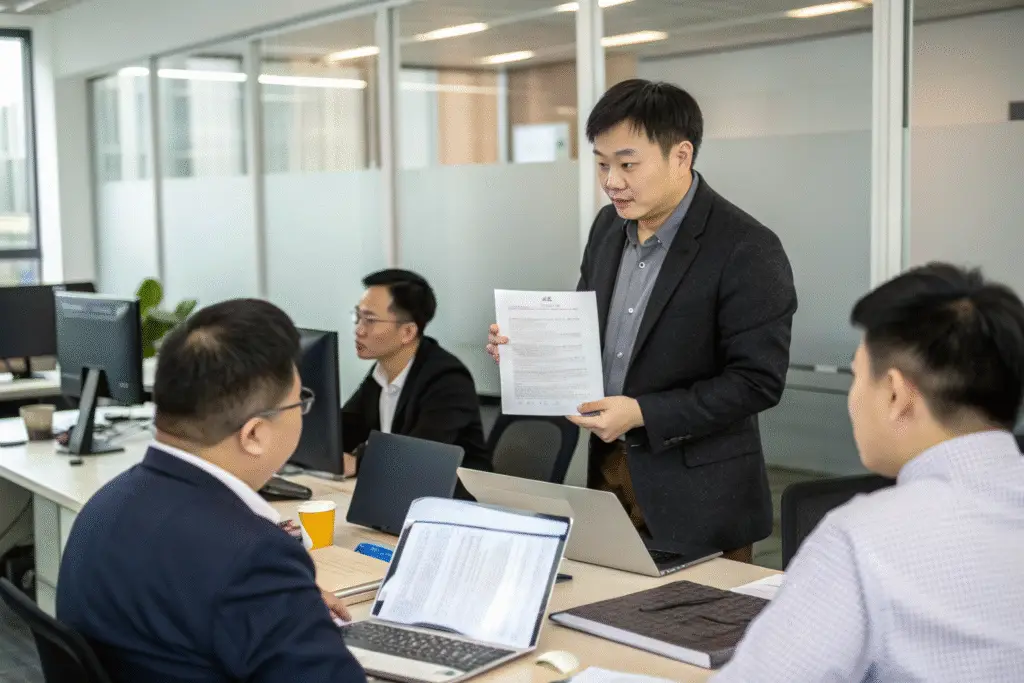
Typical Inclusions in a Paid Development Service:
- Technical Analysis of Tech Pack: Review for feasibility, constructability, and cost drivers.
- Base Pattern Creation: Drafting the initial pattern from your specs.
- Proto Sample: Construction of the first physical sample, usually in a similar fabric.
- One Round of Fit/Pattern Corrections: Adjusting the pattern based on your feedback on the proto sample.
- Fit Sample: Construction of a second sample in correct or closer fabric, focusing on fit.
- Communication & Management: Regular updates, coordination of material sourcing for samples.
What is Usually NOT Included (Potential Extra Costs):
- Multiple Rounds of Major Re-Design: If you fundamentally change the design after seeing the sample, a new development fee may apply.
- Bulk Fabric Sourcing for Samples: If you require the sample to be made in the exact, often expensive, bulk fabric, you may need to pay for those few meters separately.
- Rush Fees: For expedited sample turnaround (e.g., 5 days instead of 15).
- Shipping Costs: For sending the sample to you.
A professional factory like ours will provide a Sample Development Quotation that itemizes these inclusions and exclusions upfront, so there are no surprises.
Who Owns the Pattern?
This is a critical question. Under a paid development model, the intellectual property (IP) of the pattern is typically owned by the brand who paid for its creation. However, the physical pattern remains at the factory for production. A clear agreement should state that the factory cannot use your pattern for another client. This protects your design investment.
How Can Brands and Factories Build Trust Around Development Fees?
The request for payment can feel like a barrier, but it's actually the first step in building a professional, transparent relationship. Both parties can take actions to make this process smooth and trust-building.
The goal is to turn a financial transaction into a foundation for collaboration.

How Factories Can Build Trust with Brands:
- Provide a Detailed, Transparent Quote: Break down the fee. Show the hours for pattern making and sewing. This justifies the cost.
- Showcase Past Work & Capabilities: Share portfolios or case studies. Let your expertise speak for itself, so the fee is seen as buying into that expertise.
- Use a Simple Contract: A one-page Sample Development Agreement that outlines scope, timeline, cost, IP ownership, and credit terms builds legal confidence.
- Communicate Proactively During the Process: Send photos of the pattern, in-progress shots, and updates. This makes the abstract fee feel like a tangible service.
- Deliver High-Quality Samples: The sample itself is the ultimate proof of value. A perfectly constructed sample justifies every penny.
How Brands Can Build Trust with Factories:
- Come Prepared: Have a complete, clean tech pack. This reduces the factory's risk of misinterpreting your design and having to redo work.
- Be Professional in Negotiation: Understand that development has a cost. Haggling aggressively over a few hundred dollars on a development fee signals that you may be difficult on larger budgets.
- Provide Clear, Consolidated Feedback: Vague feedback leads to extra revision rounds. Specific, actionable comments make the process efficient and cost-effective for the factory.
- Respect Timelines: Provide your feedback on samples promptly. Delays on your end tie up the factory's sample room resources.
When both parties approach the development fee with this mindset, it ceases to be a point of friction and becomes the entry ticket to a serious working relationship.
What Are The Red Flags in Sample Development Payment Requests?
While most requests are legitimate, it's important to distinguish between professional policies and potential scams or unprofessional behavior. Protecting your payment is crucial.
Vet the factory as much as they are vetting you.
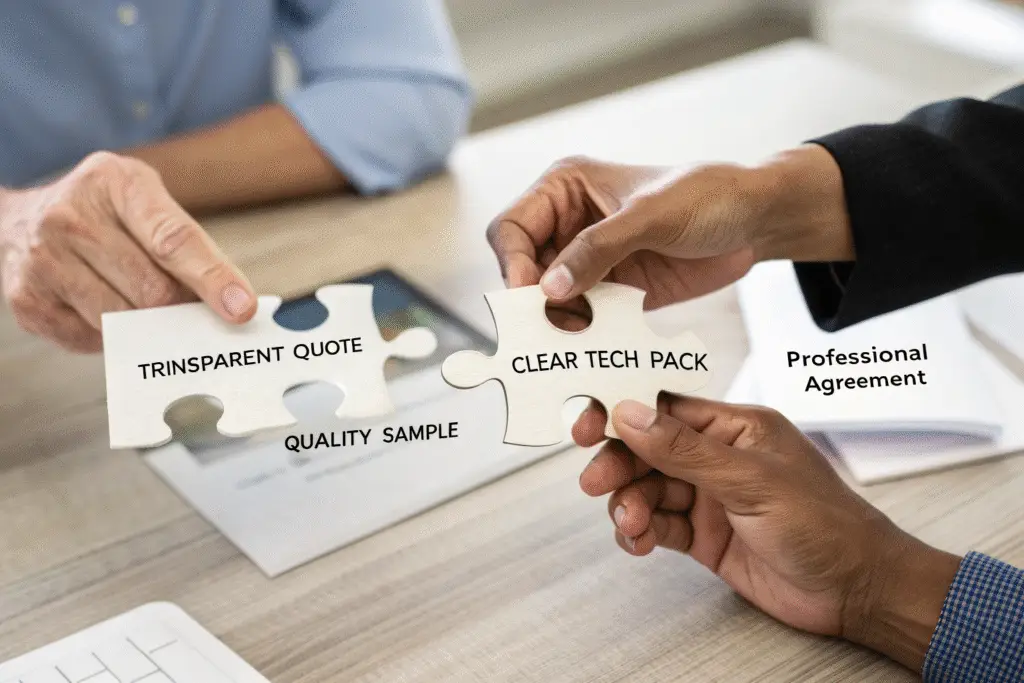
Warning Signs to Watch For:
- No Clear Scope or Contract: The factory asks for money but provides no written agreement on what they will deliver.
- Pressure to Use High-Risk Payment Methods: Insistence on Western Union, MoneyGram, or cryptocurrency. Always use bank wire transfer (T/T) to a verified company account.
- Excessive Fees Relative to Scope: A $2000 development fee for a simple t-shirt is unreasonable. Know the market rate.
- Guarantees of Future Low Bulk Prices: "Pay this fee, and we guarantee the lowest FOB price." This is often a bait-and-switch tactic. The bulk price should be quoted separately, based on the approved sample.
- Lack of Portfolio or Verifiable Identity: The factory has no website, no Alibaba/Global Sources history, or refuses a video call to show their facility.
How to Safely Proceed with a New Factory:
- Conduct Due Diligence: Check their business license, online reviews, and ask for client references.
- Request a Video Tour: A legitimate factory will gladly show you their sample room and production area.
- Start Small: If possible, begin with a simple, low-cost style to test the partnership before investing in complex development.
- Use Phased Payments: For a large development project, negotiate milestones (e.g., 50% to start pattern, 50% upon sample completion).
A professional factory like Shanghai Fumao welcomes this scrutiny. We provide all necessary documentation and encourage virtual audits because our processes are our best advertisement.
Conclusion
Sample development payments are a standard, necessary practice in professional garment manufacturing. They secure compensation for the factory's skilled labor and material investment in the critical R&D phase of your product. Models like upfront fees with bulk order credits, MOV commitments, or bundled costing provide fair frameworks that align interests and filter for serious partnerships.
Rather than viewing this fee as a cost, see it as an investment in a clear specification, a tangible benchmark for quality, and the first step in building a transparent, professional relationship with a manufacturer. It separates the professionals from the pretenders on both sides of the table.
If you are seeking a manufacturing partner with a transparent, fair approach to sample development—one that protects your design IP and invests expert resources into perfecting your prototype—we operate on this principle. At Shanghai Fumao, our sample development process is designed to de-risk your product creation and build a solid foundation for production success. Contact our Business Director Elaine to receive a detailed sample development quotation and agreement for your next project: elaine@fumaoclothing.com.