You want to test new designs or cater to niche markets without committing to massive production runs, but you're concerned about the perceived high costs of small batch manufacturing. The good news is that with the right strategies, small batch production can not only be cost-effective but can actually improve your overall business profitability.
Small batch clothing production becomes cost-effective when brands implement strategic pricing, optimize production methods, leverage technology, and maximize inventory efficiency. While per-unit costs are typically 20-40% higher than mass production, the reduced inventory risk, faster turnaround, and market testing benefits often result in 30-50% higher overall profitability through better sell-through rates and minimized markdowns. The key lies in understanding where small batch economics create advantages that offset higher manufacturing costs.
This analysis reveals how forward-thinking brands are turning small batch production from a necessary expense into a strategic advantage.
What Strategic Advantages Offset Small Batch Costs?
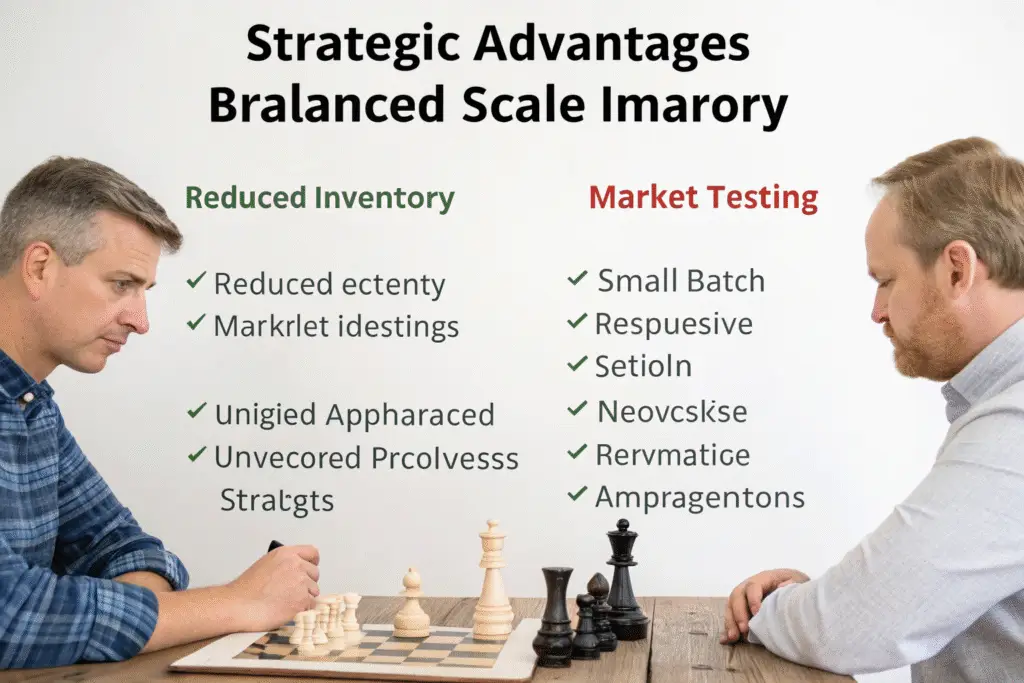
The apparent cost premium of small batch production masks significant strategic advantages that can dramatically improve your overall business performance. When evaluated holistically, these benefits often outweigh the higher per-unit manufacturing costs.
Understanding the complete value equation transforms how you view small batch production economics.
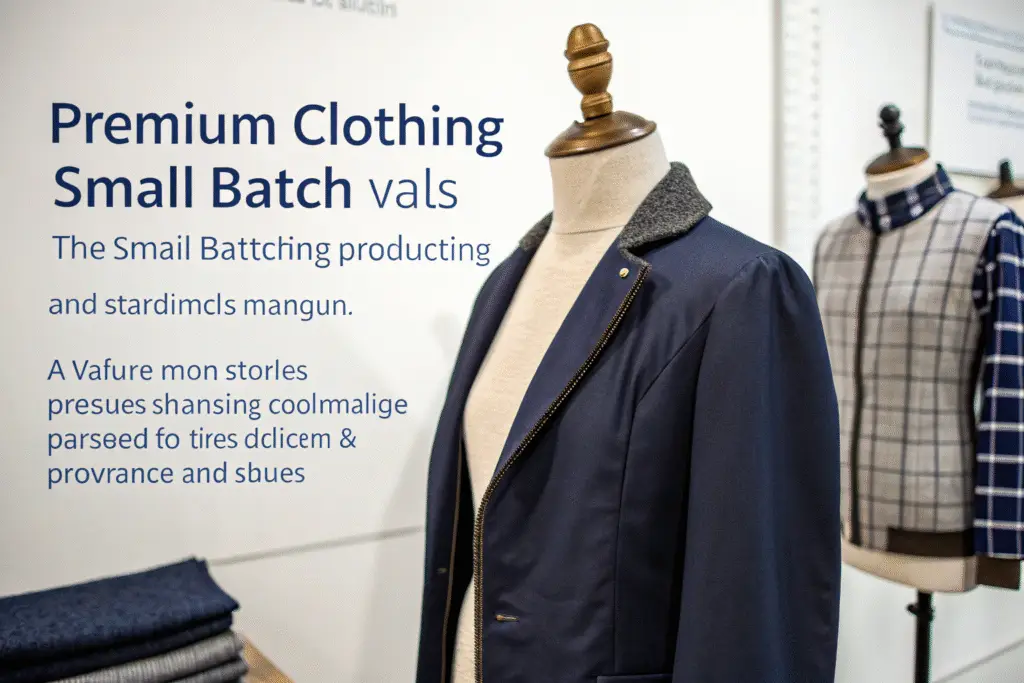
How does reduced inventory risk improve profitability?
Small batch production minimizes financial risk through:
- Lower capital commitment per production run
- Reduced storage costs and warehouse requirements
- Minimized obsolescence risk for trend-sensitive items
- Improved cash flow from faster inventory turnover
A contemporary brand discovered that while their small batch costs were 35% higher per unit, they achieved 92% sell-through at full price compared to 65% for their mass-produced items, resulting in 28% higher overall profitability. The inventory efficiency advantage significantly outweighed the manufacturing premium.
What market testing benefits justify small batch costs?
Small batches provide invaluable market intelligence:
- Real-time customer feedback before major commitments
- Pricing strategy validation without massive risk
- Design refinement opportunity based on actual sales data
- Trend responsiveness that mass production cannot match
When a streetwear brand tested three colorways in 100-unit batches, the sales data revealed unexpected popularity for what they considered a secondary color, allowing them to reallocate their bulk production and avoid overproducing the initially preferred option. This market testing value prevented a $45,000 inventory mistake.
What Production Strategies Make Small Batches Economical?
Specialized production approaches can significantly reduce the cost premium associated with small batch manufacturing. The key lies in optimizing for flexibility and efficiency rather than trying to replicate mass production methods.
Embracing small batch-appropriate strategies transforms cost structures and improves viability.
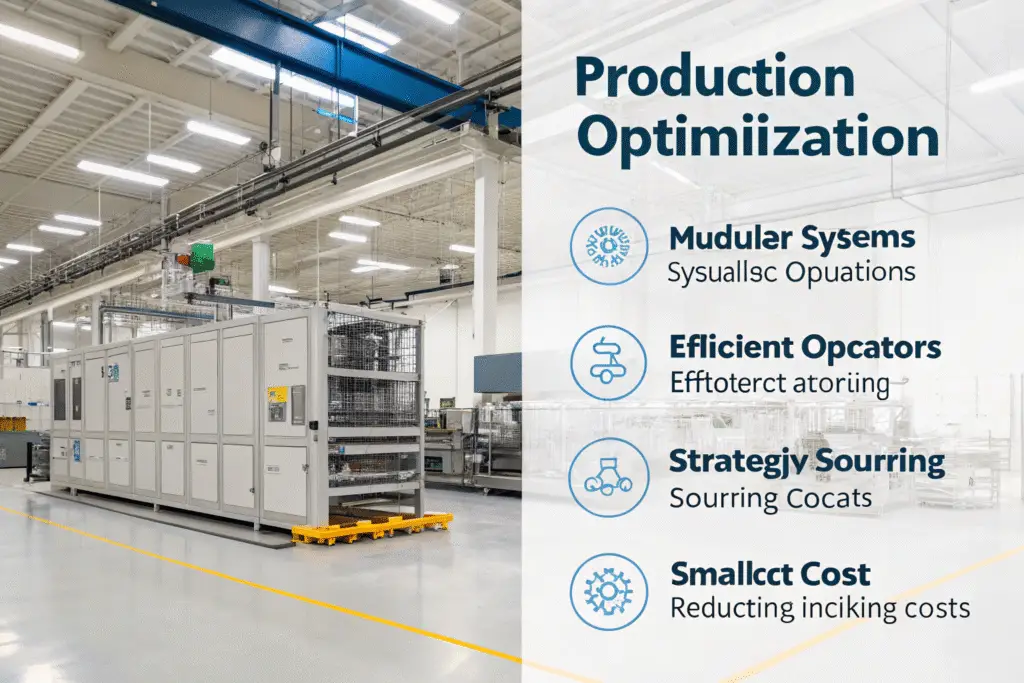
How does production optimization reduce costs?
Small batch efficiency requires:
- Modular production systems that minimize changeover time
- Multi-skilled operators who can handle varied tasks
- Strategic equipment selection for flexibility versus volume
- Efficient pattern nesting to maximize fabric utilization
- Batch grouping by fabric type or construction similarity
A sustainable brand reduced their small batch premium from 40% to 22% by implementing modular production cells where teams could quickly switch between different styles with similar construction. This production flexibility made their limited editions significantly more profitable.
What sourcing approaches control material costs?
Material cost management strategies:
- Strategic fabric selection from stock availability
- Minimum order quantity optimization through supplier relationships
- Trim standardization across multiple styles
- Leftover material utilization from previous productions
- Local sourcing for smaller quantities with faster delivery
By developing relationships with fabric mills that offered stock program access, a designer reduced her material costs by 30% on small batches while maintaining quality standards. The strategic sourcing approach made her small collections financially viable.
How Can Technology Enable Cost-Effective Small Batches?
Technological advancements have dramatically improved the economics of small batch production. From digital prototyping to automated cutting, technology reduces the fixed costs that traditionally made small runs economically challenging.
Leveraging appropriate technology can bridge the cost gap between small and large scale production.
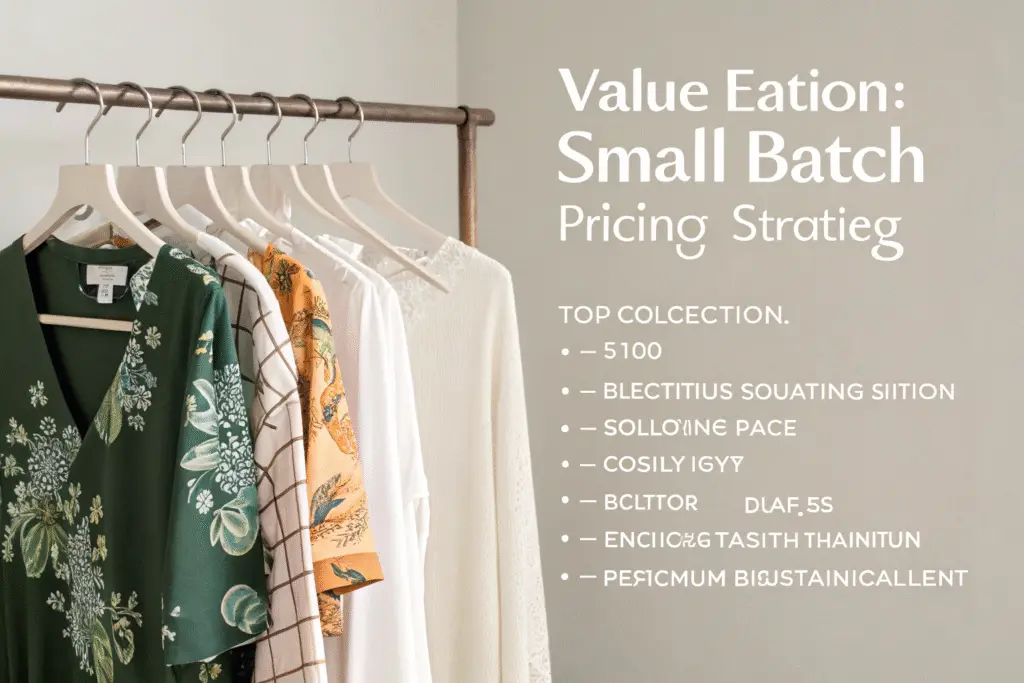
What production technologies reduce small batch costs?
Cost-reducing technologies include:
- Digital pattern making and grading with minimal setup time
- Automated cutting systems that optimize material usage
- 3D prototyping and sampling that reduces physical sample costs
- Production management software that improves efficiency tracking
- Digital printing for small quantity customization
A custom apparel brand implemented 3D sampling and reduced their development costs by 68% for small batches, making custom orders profitable at much lower quantities. The technological advancement transformed their business model.
How does e-commerce integration support small batch economics?
Digital retail enables:
- Pre-order systems that validate demand before production
- Limited edition marketing that justifies premium pricing
- Direct customer relationships that reduce distribution costs
- Data-driven production planning based on real-time sales
By implementing a pre-order system, a luxury brand produces 80% of their small batches against confirmed orders, eliminating inventory risk and achieving 95% sell-through. This demand validation approach makes small batch production remarkably low-risk.
What Pricing Strategies Maximize Small Batch Profitability?
Strategic pricing transforms small batch production from a cost center to a profit driver. The unique characteristics of limited edition products justify premium pricing that offsets higher manufacturing costs.
Understanding value-based pricing is crucial for small batch success.
How does value-based pricing offset higher costs?
Small batch pricing advantages include:
- Exclusivity premium for limited availability
- Quality justification for meticulous craftsmanship
- Storytelling value behind limited editions
- Customization pricing for personalized elements
- Sustainability premium for reduced waste
A craft brand prices their small batch items 2.8x higher than their mass-produced equivalents, emphasizing the handmade details and limited nature. Customers willingly pay this premium, resulting in 45% higher margins despite 30% higher production costs. This value-based pricing strategy leverages small batch characteristics.
Consumer behavior insights:
- Scarcity effect that increases perceived value
- Authenticity appeal of limited production
- Quality associations with small-scale manufacturing
- Story connection that enhances brand loyalty
- Community building around exclusive products
When a streetwear brand releases 200-unit batches, they consistently sell out within hours at premium prices, while their mass-produced items require discounting. The scarcity-driven demand creates fundamentally different economics.
How Does Small Batch Production Reduce Business Risk?
The risk reduction benefits of small batch production often provide more financial value than the apparent cost savings of mass production. By minimizing exposure to inventory failures and market misreads, small batches create more predictable business outcomes.
Risk mitigation represents a significant, though often overlooked, financial benefit.
How does small batch production minimize financial exposure?
Risk management benefits include:
- Lower write-off potential from unsuccessful styles
- Reduced opportunity cost of capital tied in inventory
- Faster adaptation ability to market feedback
- Limited downside from trend misjudgments
- Preserved margin protection through avoided markdowns
A fashion startup limited their potential losses by producing in 300-unit batches, discovering that two of their five initial designs significantly underperformed predictions. The small batch approach saved them from a $120,000 inventory mistake that could have bankrupted their business. The risk management value proved invaluable.
How does small batch support brand building?
Strategic brand benefits:
- Continuous novelty that maintains customer engagement
- Media coverage for limited edition releases
- Community development around product drops
- Brand storytelling through production narratives
- Quality reputation from attention to detail
A premium activewear brand built their entire reputation on weekly small batch drops, creating such demand that their 500-unit productions consistently sell out in minutes. The brand building power of this approach justified the higher production costs many times over.
Conclusion
Small batch clothing production can be highly cost-effective when approached strategically, with the higher per-unit manufacturing costs offset by reduced inventory risk, improved sell-through rates, premium pricing potential, and valuable market learning. The most successful brands treat small batch production not as a compromise but as a strategic choice that aligns with modern consumer preferences for exclusivity, quality, and sustainability. By implementing optimized production methods, leveraging technology, and employing smart pricing strategies, small batch production becomes not just viable but genuinely profitable.
The economics of small batch production have fundamentally changed, making it accessible and advantageous for brands of all sizes. If you're considering small batch production and want to explore cost-effective approaches, Shanghai Fumao has developed specialized small batch capabilities that maintain quality while controlling costs. Contact our Business Director, Elaine, at elaine@fumaoclothing.com to discuss how our small batch expertise can help you test markets, limited editions, and build a more responsive, profitable fashion business.