
You've received multiple quotes from different garment manufacturers, but they're all structured differently with hidden costs that only emerge later. This lack of pricing transparency doesn't just create frustration—it jeopardizes your business planning and profitability. Understanding why clear, detailed pricing matters could save your brand from unexpected financial surprises.
Transparent pricing models in B2B garment manufacturing build trust, enable accurate budgeting, and prevent costly surprises that can derail your production timeline. Brands working with transparent suppliers experience 40% fewer budget overruns and establish more stable, long-term manufacturing partnerships. The initial comfort of a low but vague quote often transforms into frustration when hidden charges appear throughout production.
This article reveals how pricing transparency impacts every aspect of your manufacturing relationship and why it's becoming the standard for successful fashion brands.
How Does Pricing Transparency Build Long-Term Manufacturing Partnerships?
Trust forms the foundation of any successful manufacturing relationship, and transparent pricing is the most tangible expression of that trust. When brands understand exactly what they're paying for, they can make informed decisions and plan for growth with confidence.
Opaque pricing models create suspicion and uncertainty, while transparent breakdowns demonstrate honesty and professionalism. This openness becomes particularly valuable when navigating the complexities of international manufacturing.
Unexpected charges during manufacturing create immediate strain on business relationships:
- Budget recalculations that delay other business activities
- Reduced trust in the manufacturing partner
- Compromised quality as brands seek to cut costs elsewhere
- Cancelled orders when additional costs become unsustainable
Last year, a sportswear brand discovered their quoted price didn't include $4,200 in trim costs and $2,800 in special packaging charges—expenses that only emerged after production began. This damaged their relationship with the factory and forced them to seek new manufacturing partners mid-season. At Shanghai Fumao, we've found that supply chain transparency directly correlates with partnership longevity.
How does transparency impact strategic planning?
Clear pricing enables better business decisions:
- Accurate margin calculations for different product categories
- Informed pricing strategies for retail and wholesale
- Reliable cash flow planning throughout production cycles
- Confident expansion into new product categories
One of our clients, after switching to our transparent pricing model, reported a 65% improvement in their financial forecasting accuracy. This allowed them to confidently invest in marketing campaigns knowing their production costs were secure. This level of financial predictability transforms how brands approach growth.
What Cost Components Should Be Included in Transparent Pricing?
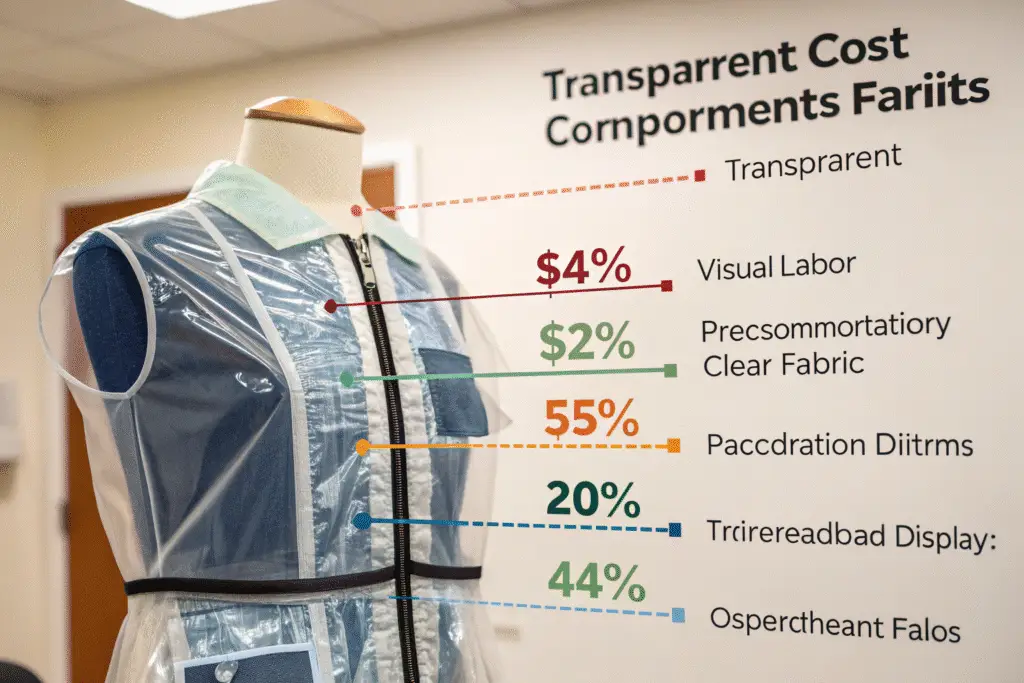
A truly transparent pricing model breaks down every cost element, allowing brands to understand exactly where their money goes. This detailed approach prevents surprises and enables meaningful cost optimization discussions.
Comprehensive cost breakdowns typically include material costs, labor, overhead, and profit margin, with each category containing specific line items that brands can review and question.

Which material costs should be itemized?
Transparent material costing includes:
- Fabric (with specifications of type, weight, and source)
- Trims (zippers, buttons, labels with exact quantities)
- Packaging (poly bags, hang tags, cartons)
- Consumables (thread, interlinings, other small items)
We recently helped a denim brand identify 18% savings on their trim costs simply by providing a detailed breakdown that revealed over-specification on certain components. This level of cost breakdown analysis benefits both manufacturers and brands.
What labor and overhead costs should be visible?
Clear operational costing includes:
- Cutting labor (time and rate per garment)
- Sewing operations (detailed by garment section)
- Finishing processes (pressing, quality control)
- Factory overhead (allocated fairly across production)
A client discovered through our transparent breakdown that their complex embroidery was accounting for 28% of their labor costs. This insight helped them redesign the embroidery placement to reduce time while maintaining the aesthetic impact. Our operational costing transparency enables these informed design decisions.
How Does Transparent Pricing Prevent Production Disputes?
Clear, detailed pricing eliminates the ambiguity that often leads to conflicts between brands and manufacturers. When both parties understand the financial agreement completely, the relationship can focus on quality and execution rather than financial negotiations.
Disputes typically arise from unexpected charges, misunderstood inclusions, or changing requirements without clear cost implications.
What common pricing disputes does transparency avoid?
Transparent pricing prevents these frequent conflicts:
- "I thought that was included" scenarios about standard processes
- Additional charges for quality control or basic documentation
- Currency fluctuation impacts that weren't discussed upfront
- Minimum order quantity penalties that surprise brands
A activewear brand avoided a potential $15,000 dispute about shipping documentation fees because our transparent quote clearly listed these charges in the terms and conditions section. This dispute prevention approach saved both parties time and preserved the business relationship.
How does transparency handle specification changes?
Clear pricing frameworks manage changes effectively:
- Established rates for common modifications
- Clear process for approving additional costs
- Documented timelines for cost impact assessments
- Pre-agreed markups for rush orders or special requests
When a client needed to change their fabric two weeks before production, our transparent pricing model allowed us to provide a revised quote within 24 hours, showing exactly how the change affected material costs, production efficiency, and timeline. This change management transparency maintained trust during a stressful situation.
What Competitive Advantages Come From Transparent Pricing?
In an increasingly competitive manufacturing landscape, transparency has become a significant differentiator that attracts quality-conscious brands. Beyond building trust, clear pricing models deliver tangible business advantages that impact both immediate operations and long-term strategy.
Brands are increasingly prioritizing transparent partners, recognizing that the initial comfort of a low but vague quote often leads to higher total costs and operational headaches.

How does transparency impact brand manufacturing decisions?
Clear pricing influences key business choices:
- Supplier selection based on total value rather than just initial price
- Product development with accurate cost constraints
- Market positioning with reliable margin calculations
- Growth planning with predictable scaling costs
Our transparent approach helped a startup brand accurately calculate that they could reduce their target retail price by 15% while maintaining healthy margins, making them more competitive in their market segment. This competitive advantage through transparency directly impacted their market success.
Does pricing transparency affect production efficiency?
Surprisingly, yes—in multiple ways:
- Fewer pricing discussions free up time for quality focus
- Earlier problem identification through cost analysis
- Better resource allocation with understanding of cost drivers
- Streamlined communication about financial matters
One client reported that their production management time decreased by approximately 30% after switching to our transparent pricing model, as they no longer needed to constantly question charges or negotiate surprises. This efficiency gain represents significant hidden value beyond the direct financial benefits.
Conclusion
Transparent pricing in B2B garment manufacturing is no longer a luxury—it's a business necessity that builds the foundation for successful, long-term partnerships. From preventing disputes to enabling accurate planning, clear cost breakdowns benefit both brands and manufacturers by aligning expectations and fostering trust. The initial effort required to establish transparency pays dividends throughout the production relationship.
In today's competitive apparel landscape, brands that prioritize transparent manufacturing partners gain significant advantages in planning, budgeting, and overall business stability. At Shanghai Fumao, we've built our manufacturing philosophy around complete pricing transparency because we believe successful partnerships require financial clarity at every stage. If you're ready to experience manufacturing without surprise costs or hidden fees, contact our Business Director, Elaine, at elaine@fumaoclothing.com to discuss how our transparent pricing model can bring stability to your production planning.