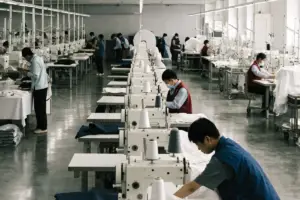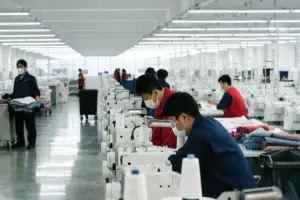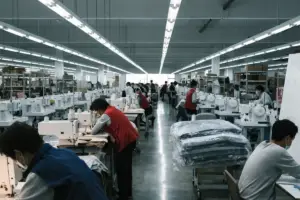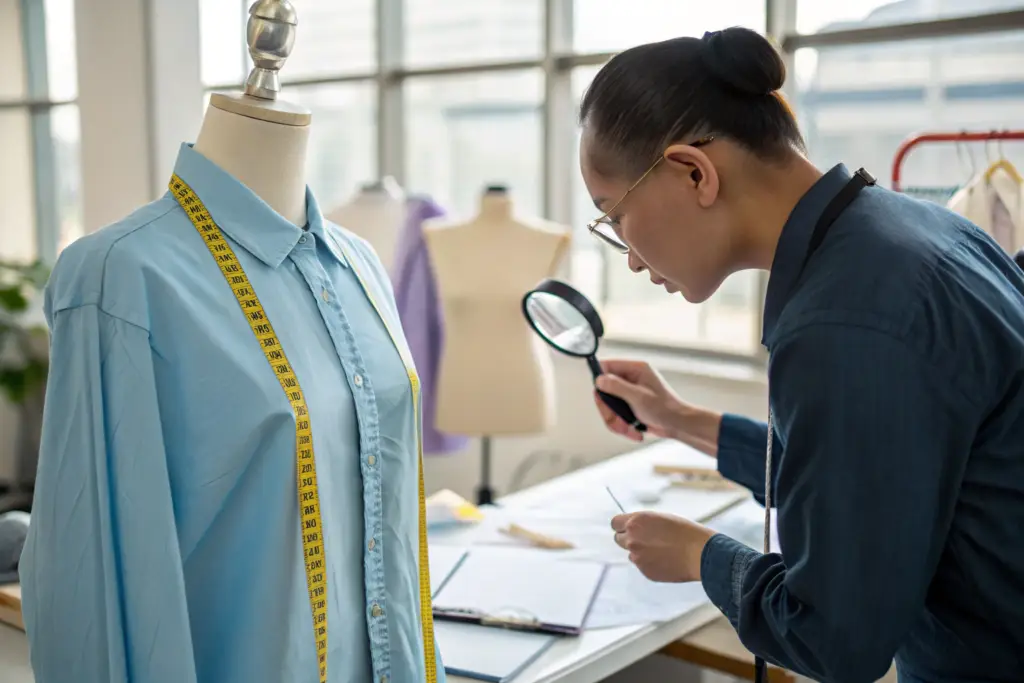
You’re facing tight deadlines and considering bypassing the sampling process to move straight to bulk production. The time and cost savings seem tempting, but this shortcut often leads to catastrophic consequences that far outweigh any initial benefits. Let’s examine the true price of skipping this critical quality control step.
Skipping the sampling process exposes brands to massive financial risks, quality disasters, and irreparable brand damage. While it might appear to save 2-3 weeks initially, the resulting production errors typically cost 5-10 times more to fix and can delay your launch by months. The sampling phase is your final opportunity to identify and correct issues before committing to thousands of units of inventory.
This article reveals the hidden costs and consequences that brands discover too late when they eliminate sampling from their production workflow.
How Does Skipping Samples Impact Your Financial Bottom Line?
The immediate cost savings from eliminating sampling are illusory. What appears to be a minor expense reduction upfront often transforms into massive financial losses through production errors, rejected shipments, and unsellable inventory.
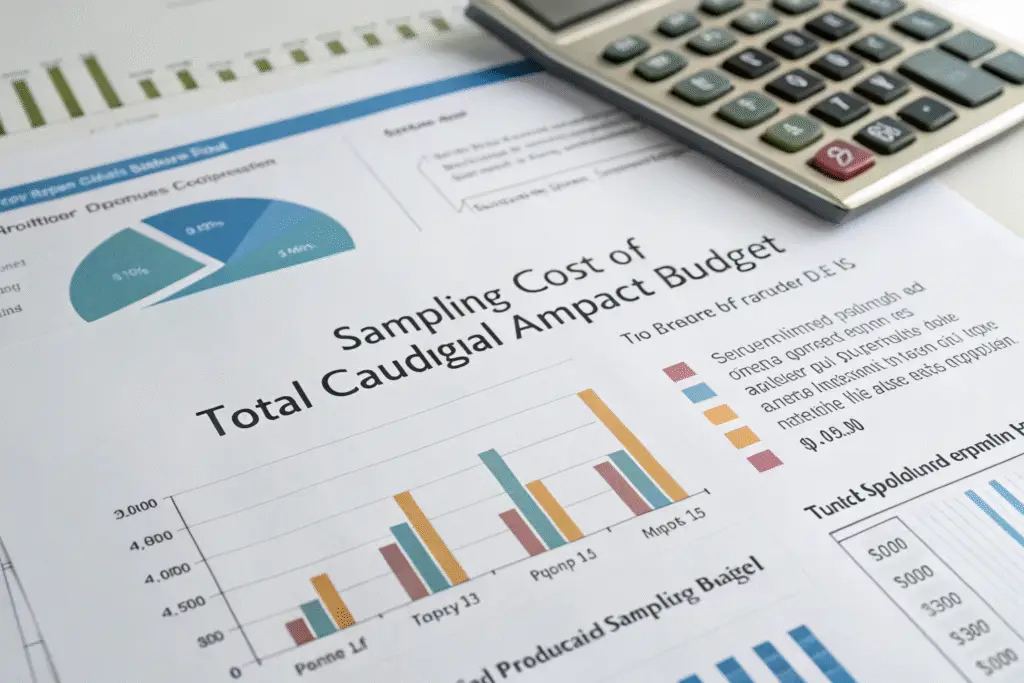
Sampling costs typically represent 1-3% of your total production budget, while errors caught during this phase can affect 100% of your order value. The math is simple: paying a small amount to prevent problems is always cheaper than fixing them after production.
What are the direct costs of bulk production errors?
When errors reach bulk production, the financial impact multiplies exponentially. Consider these real costs from a client who skipped sampling last year:
- $28,000 in fabric waste when the dye lot didn’t match expectations
- $15,000 in re-cutting and re-sewing costs when the fit was incorrect
- $8,500 in lost shipping discounts due to missed deadlines
- $42,000 in discounted sales for garments that eventually reached market late
Total loss: $93,500 on a $150,000 order. This client now considers sampling an essential insurance policy rather than an optional expense. At Shanghai Fumao, we’ve observed that proper quality control through sampling typically saves clients 15-25% of their total order value in prevented errors.
How does sampling affect your long-term profitability?
Beyond immediate losses, skipping sampling damages your profitability through hidden costs:
- Increased return rates from customers receiving poor-fitting garments
- Higher customer acquisition costs to replace lost customers
- Diminished brand equity that reduces price elasticity
- Legal costs from potential compliance issues with labeling or safety standards
One of our European partners discovered that garments developed without proper sampling had a 32% higher return rate than those following the complete sampling process, effectively eliminating their profit margin on those styles. This demonstrates why maintaining profit margins requires upfront investment in quality assurance.
What Quality Risks Emerge Without Sample Approval?
Quality control without samples is essentially guesswork. The sampling process provides the tangible evidence needed to verify construction methods, fabric performance, and manufacturing capabilities before full commitment.
Without this physical verification, brands essentially approve production blindly, trusting that factories will interpret technical packs correctly and execute flawlessly—an assumption that frequently proves costly.

How can fabric and construction issues destroy your collection?
Fabric and construction problems that seem minor in isolation can render entire collections unsellable:
| Quality Issue | Impact Without Sampling | Real Example |
|---|---|---|
| Inconsistent dye lots | Entire shipment mismatched | $45,000 order rejected by retailer |
| Fabric shrinkage | Garments become unwearable after first wash | 28% return rate on washed garments |
| Seam failure | Garments fall apart during wear | Class-action lawsuit threat |
| Color bleeding | Prints and patterns ruined | Complete write-off of inventory |
Last season, a sportswear brand skipped sampling to meet a tight deadline. The resulting pilling on their premium sweatshirts appeared only after multiple wears, leading to massive customer complaints and a 45% return rate that devastated their reputation. This could have been identified through simple ISO testing protocols during sampling.
Can missing sampling lead to compliance and safety issues?
Absolutely. Sampling is your opportunity to verify that garments meet all safety standards and labeling requirements. Without this check:
- Flammability standards might be violated
- Chemical restrictions (like AZO dyes) might be overlooked
- Care labeling might be inaccurate
- Children’s wear safety regulations might be ignored
One children’s wear brand faced a full recall when their non-sampled products failed to meet safety standards for drawstrings—a issue that would have been immediately flagged during sample review. The recall cost exceeded $120,000, not including regulatory fines. Our compliance verification process during sampling consistently prevents such catastrophic outcomes.
How Does Skipping Samples Damage Brand Reputation?
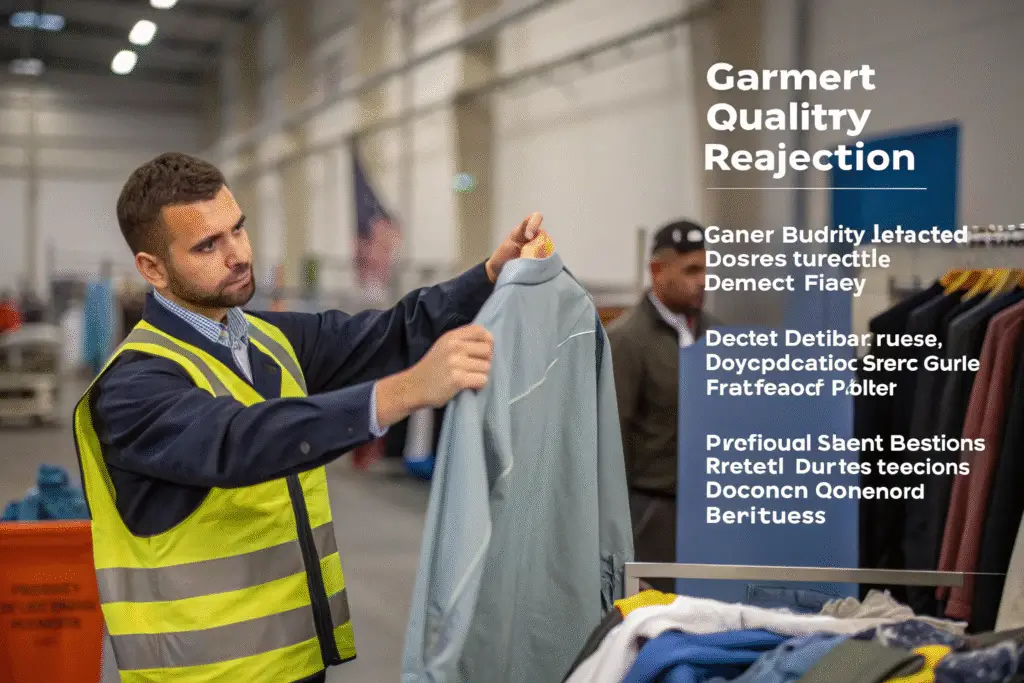
Your brand reputation takes years to build but can be destroyed by a single failed collection. Customers don’t care about your production challenges—they expect consistent quality and will abandon brands that disappoint them.
The sampling process protects your reputation by ensuring that what reaches your customers matches their expectations and your brand promise.
What is the impact of customer dissatisfaction?
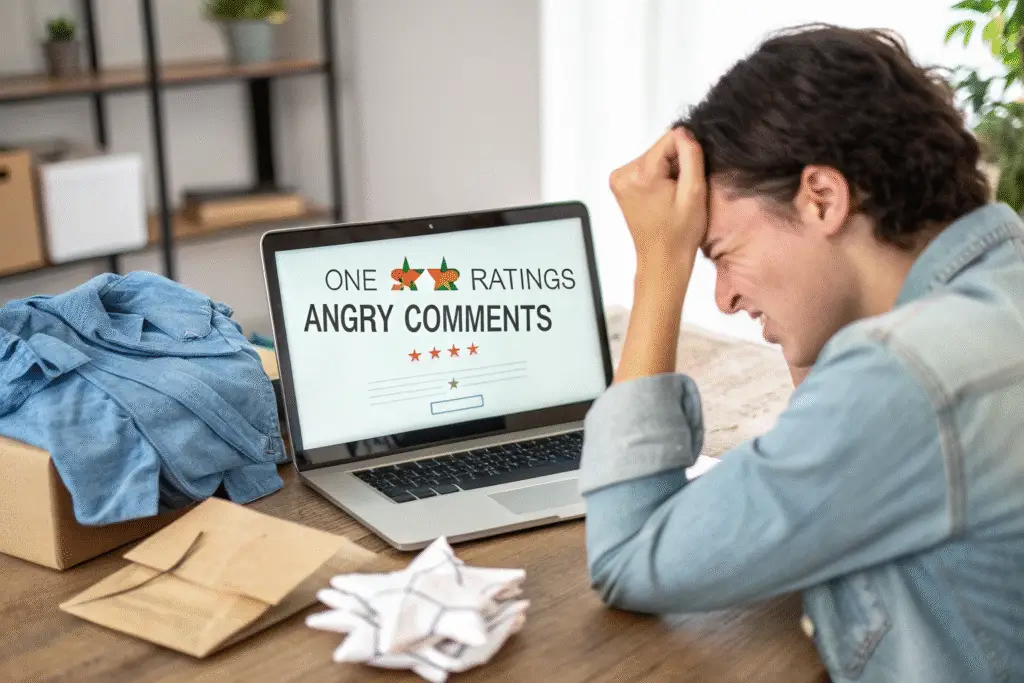
Dissatisfied customers create ripple effects that extend far beyond initial sales:
- Negative reviews that deter new customers
- Social media complaints that go viral
- Reduced customer lifetime value from lost repeat business
- Increased customer service costs handling complaints and returns
Data from our clients shows that collections developed without proper sampling generate 5-7 times more customer service contacts and 3-4 times more negative reviews than those following complete sampling procedures. This directly impacts what keeping the right customers costs in the fashion industry.
How long does reputation recovery take?
Reputation damage from quality failures has a long tail. Our research among apparel brands shows:
- 6-9 months to recover review ratings after a quality incident
- 12-18 months to rebuild customer trust and repurchase rates
- 24+ months to restore brand perception to pre-incident levels
One mid-sized brand that shipped non-sampled garments with consistent sizing issues saw their customer retention rate drop from 68% to 41% in one season. They spent over $300,000 in marketing over two years to recover their position in the market. This demonstrates why protecting brand reputation through sampling is a strategic imperative.
What Timeline Consequences Result From Skipping Samples?
The apparent time savings from skipping samples often backfire, creating longer delays than the sampling process would have required. Production errors discovered during or after manufacturing require extensive rework that disrupts schedules and misses critical selling windows.
The sampling phase actually accelerates your overall timeline by identifying and resolving issues early, when corrections are fast and inexpensive.
How do production errors extend your timeline?
Consider this comparative timeline analysis from two similar orders we handled:
| Timeline Phase | With Sampling | Without Sampling |
|---|---|---|
| Pre-production | 3 weeks | 1 week |
| Production | 4 weeks | 4 weeks |
| Quality Issues | 1 week (fixes during sampling) | 6 weeks (bulk rework) |
| Final Delivery | Week 8 | Week 11 |
The "time-saving" approach actually added 3 weeks to the schedule, plus the client missed their planned marketing campaign and key retail placement. This demonstrates why proper project scheduling must include adequate sampling time.
What are the opportunity costs of missed seasons?
Missing your planned launch window has financial implications beyond simple delays:
- Markdowns required to move inventory that arrives late
- Storage costs for holding inventory until next season
- Lost market share to competitors who launched on time
- Cancelled orders from retailers with strict delivery windows
One swimwear brand that skipped sampling to "save time" missed their entire summer selling season due to production reworks. The $85,000 in lost sales opportunity far exceeded the $4,200 sampling cost they attempted to avoid. Our production planning process specifically prevents such seasonal misses through disciplined sampling schedules.
Conclusion
The real cost of skipping the sampling process extends far beyond immediate financial losses. It encompasses damaged brand reputation, lost customer trust, missed opportunities, and timeline disruptions that can cripple a business. Sampling is not an expense to minimize but an investment in predictable quality, schedule reliability, and brand protection.
Smart brands recognize that the sampling process pays for itself many times over by preventing catastrophic errors. The few weeks invested in thorough sampling save months of headaches and protect the brand equity you’ve worked so hard to build. If you want to ensure your next collection launches successfully without unexpected costs or delays, Shanghai Fumao implements a rigorous sampling protocol that has protected our clients from these risks for over a decade. Contact our Business Director, Elaine, at elaine@fumaoclothing.com to discuss how our sampling process can safeguard your next production run.