You've received a quote from a potential garment supplier that seems almost too good to be true. The price per piece is lower than you expected, and you're excited to move forward. But when production begins, unexpected charges start appearing - fabric upgrades, additional labor fees, hidden logistics costs. Suddenly, your profitable order is putting your business at risk. How can you tell if your supplier's initial estimate is accurate or misleading?
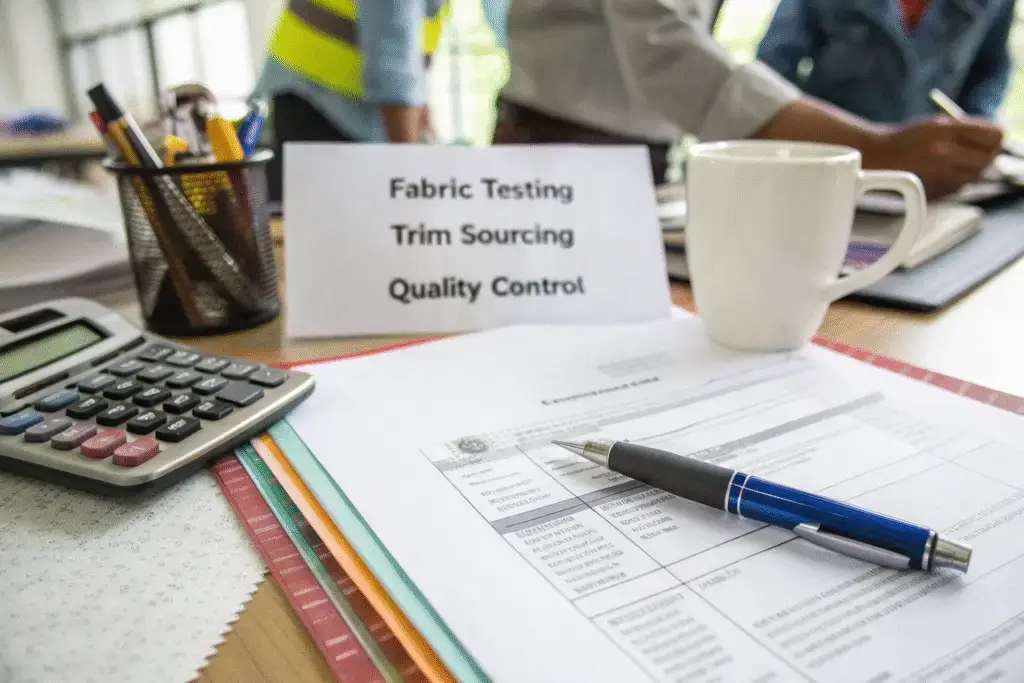
Misleading cost estimates often appear as surprisingly low initial quotes that exclude essential components like fabric testing, trim sourcing, or proper quality control. Reputable manufacturers provide detailed, transparent breakdowns and insist on creating a physical sample before giving a final price. These transparent practices separate trustworthy partners from those who use lowball tactics to win business, only to increase costs later.
Recognizing the signs of dishonest pricing early can save your business from financial strain and production nightmares. Let's examine the red flags that indicate your supplier might not be giving you the full picture.
Are You Receiving Overly Simplified Quotes?
Transparent costing requires detailed breakdowns. When a supplier gives you a single price per garment without explaining what's included, you're likely dealing with an estimate designed to hide future charges. Comprehensive quotes should clearly separate fabric, labor, trims, and overhead costs.
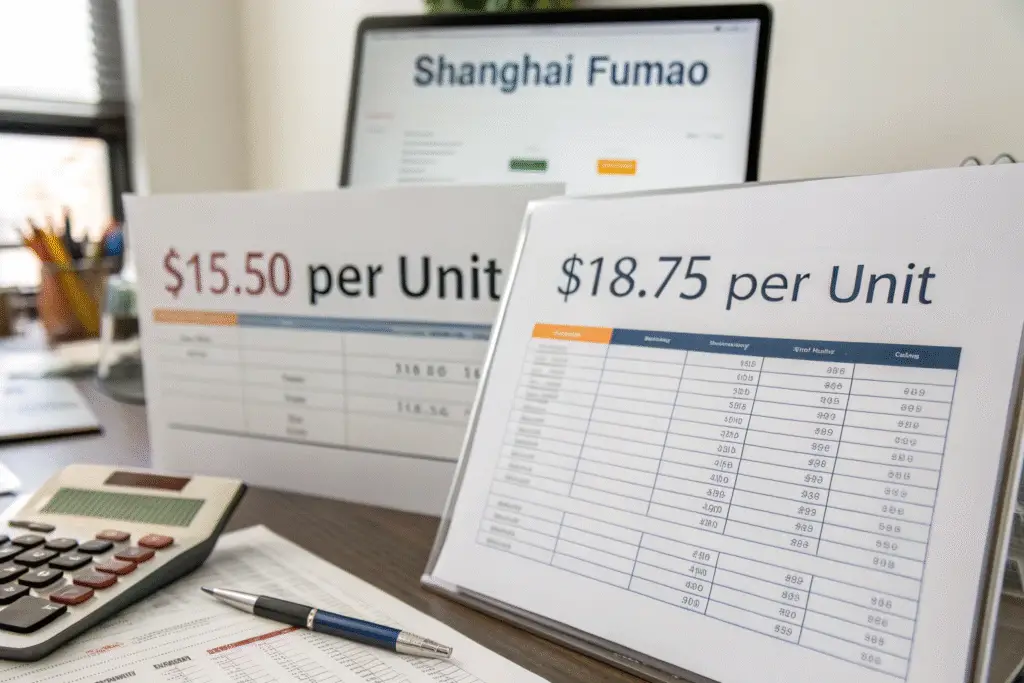
We recently reviewed a client's previous quote from another factory. It showed "$15.50 per unit" with no details. When we broke down the actual costs for their design, the true price was $18.75. The original factory would have either delivered inferior quality or added surprise charges later. At Shanghai Fumao, we believe transparency in apparel costing builds lasting partnerships.
What Should a Transparent Cost Breakdown Include?
A honest quotation provides line-item details that allow you to understand exactly what you're paying for. Look for these essential components:
| Component | Transparent Quote | Misleading Quote |
|---|---|---|
| Fabric | Specifies type, weight, composition, and cost per meter | "Premium cotton" with no specifics |
| Labor | Breaks down cutting, sewing, finishing costs separately | Single "making charge" |
| Trims | Lists buttons, zippers, labels with individual prices | "All trims included" |
| MOQ | Clear minimums per style/color | Vague "flexible MOQ" |
A brand came to us after another supplier suddenly demanded $3,000 extra for "custom trim sourcing" that was supposedly included. Our detailed breakdown from day one prevented such surprises by specifying even the thread cost.
How Can Vague Terminology Hide Additional Costs?
Suppliers often use appealing but meaningless terms to justify later price increases. "Premium quality fabric" without specifications allows suppliers to substitute cheaper materials. "Standard packaging" can mean anything from plastic bags to custom boxes with significant cost differences. One client was told "quality control included" until they requested inspection reports and were told that would cost extra. Always demand specifics and get definitions in writing before proceeding.
Is Your Supplier Avoiding Sample-Based Pricing?
Professional costing requires physical verification. If a supplier offers a firm price without making a sample first, consider this a major warning sign. Accurate pricing depends on understanding real fabric consumption, production time, and construction challenges that only become apparent when creating a physical prototype.
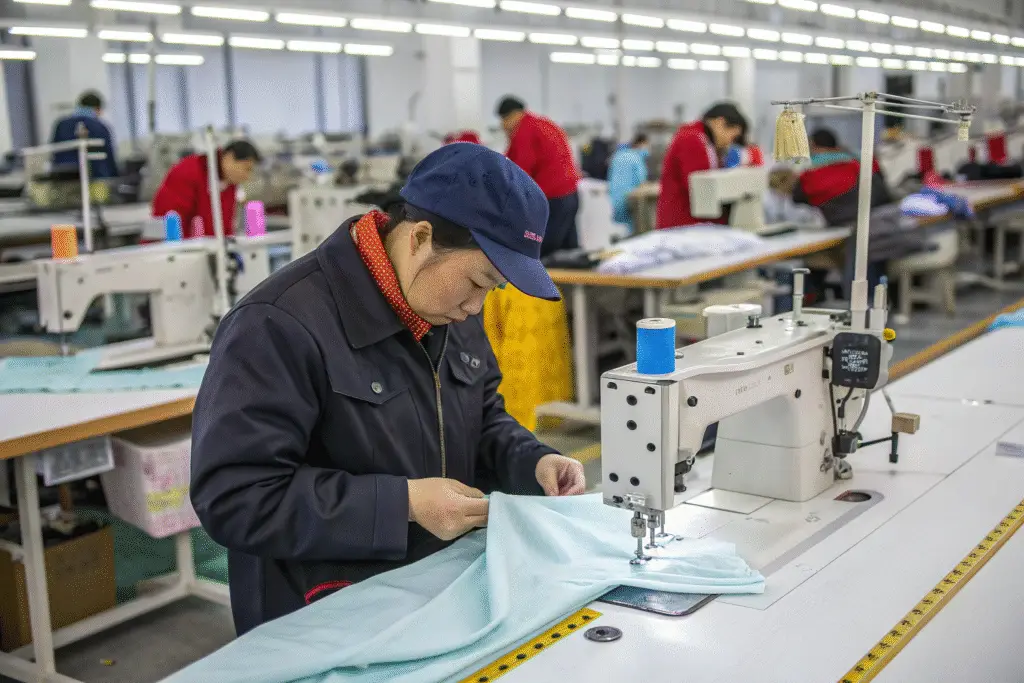
Sampling reveals true costs that digital files cannot show. The process measures exact minute requirements for each operation and tests material behavior under production conditions. This is why we at Shanghai Fumao consider sampling non-negotiable for accurate production planning and costing.
Why Do Estimates Without Samples Often Increase Later?
Samples validate theoretical assumptions about production efficiency. A designer once brought us a jacket design that another factory had quoted at $28. After creating a sample, we discovered the complex collar construction required specialized operators and additional steps, making the true cost $34. The original factory would have either raised the price or reduced quality to meet their estimate. Common sample-revealed cost drivers include:
- Hidden Labor: Complex operations that take longer than anticipated
- Material Waste: Inefficient pattern cutting that increases fabric consumption
- Special Equipment: Need for specific attachments or machines
- Skill Premium: Operations requiring highly experienced workers
How Can Sampling Protect Your Budget?
The sample serves as a physical contract that locks in specifications and costs. When you approve a sample, you're agreeing that this exact quality and construction method represents what you'll receive in production. This prevents suppliers from substituting cheaper materials or simplifying construction methods to cut costs. One of our clients avoided a 15% cost increase by referring to their approved sample when another supplier tried to use lighter-weight fabric than originally specified.
Are Logistics and Payment Terms Unusually Vague?
Shipping and payment terms contain hidden cost risks. Many seemingly low quotes exclude essential logistics expenses or contain payment terms that put you at financial disadvantage. Understanding Incoterms and payment structures is crucial for identifying misleading estimates.
Transparent suppliers clearly explain who pays for what at each stage of the shipping process and offer balanced payment terms that protect both parties. Vague commitments like "shipping costs extra" or demands for 100% upfront payment should raise concerns.
What Shipping Details Reveal Cost Honesty?
Specificity in logistics indicates an honest supplier. Look for clear Incoterms definitions (like FOB Shanghai or DDP New York) rather than vague promises to "help with shipping." Ask for freight forwarder contacts and whether they include customs clearance assistance. One brand discovered their "great price" excluded import duties and terminal handling charges that added 22% to their final cost. At Shanghai Fumao, our DDP service provides complete cost certainty by including all transportation, insurance, and duty costs in our initial quote.
How Can Payment Structures Indicate Reliability?
Fair payment terms balance risk between buyer and supplier. Be cautious of suppliers demanding full payment before production begins - this removes their incentive to maintain quality. Similarly, extremely low deposits (less than 30%) might indicate financial instability. We recommend and use a balanced approach: 50% deposit with balance against shipping documents, which demonstrates commitment while protecting both parties. A client recently avoided a problematic supplier who insisted on 100% payment upfront before we helped them find a more reasonable partner.
Conclusion
Misleading cost estimates threaten your business viability through hidden charges, quality compromises, and production delays. The most reliable protection is working with transparent partners who provide detailed cost breakdowns, insist on sample-based pricing, and clarify all logistics and payment terms upfront.
Don't let an attractively low initial quote cost you more in the long run. Contact our Business Director Elaine today at elaine@fumaoclothing.com for a completely transparent assessment of your production costs, backed by physical sampling and detailed documentation.