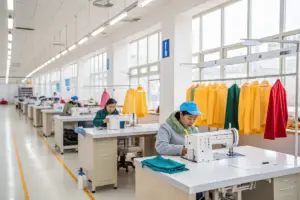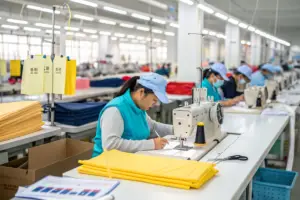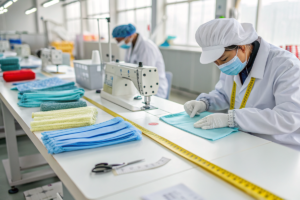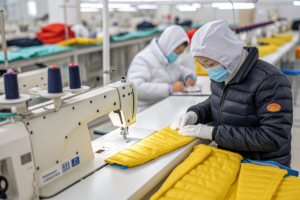
Launching your own clothing line is exciting, but the production costs can be full of surprises. Many new brands get a quote and think that's the final number, only to face unexpected charges that blow their budget apart. The difference between a successful launch and a financial disaster often comes down to one thing: an accurate production budget.
Creating an accurate budget for your custom clothing line requires a detailed breakdown of all cost components beyond just the price per garment. You must account for fabric, trims, labor, logistics, and hidden fees, with a physical sample being the most critical tool for locking in final costs. A comprehensive budget acts as your financial blueprint, preventing costly oversights and ensuring your business remains profitable from the first order.
Without a clear financial plan, you risk eroding your profit margins before you even sell your first piece. Let's walk through the essential steps to build a realistic and effective production budget.
Why Is a Physical Sample Non-Negotiable for Budgeting?
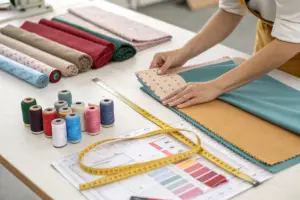
You cannot accurately budget for something you haven't seen or touched. A tech pack is a great starting point, but it's a theoretical document. A physical sample transforms your design from an idea into a tangible product that can be precisely measured and costed. It is the single most important step for budget accuracy.
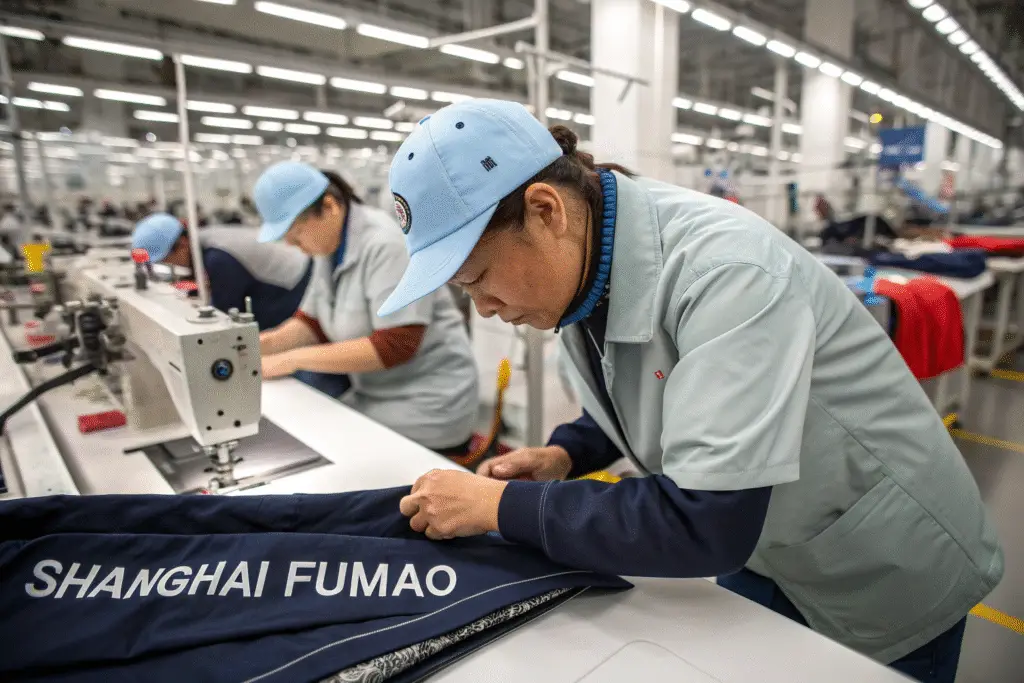
Relying on a per-garment estimate without a sample is a major financial gamble. The sample reveals the true material consumption, the exact construction time, and potential production challenges that directly impact your bottom line. At Shanghai Fumao, we insist on sampling because it protects both us and our clients from budgetary surprises, ensuring a smooth production planning process.
How Does a Sample Reveal Hidden Production Costs?
A sample makes invisible costs visible. For instance, a brand came to us with a design for a complex structured jacket. Their initial cost estimates were based on a simpler garment. The prototype sample revealed that achieving the desired silhouette required an additional internal boning structure and specialized fusible interfacing, which increased both material and labor costs. These were not apparent from the tech pack alone. The sample helped them recalibrate their budget and pricing strategy before committing to a large order. Other hidden costs a sample uncovers include:
- Fabric Shrinkage: Actual post-wash shrinkage rates affect how much fabric you must buy.
- Trim Compatibility: Buttons that break during sampling or zippers that snag.
- Skill Level Required: A complex technique may need a senior operator with a higher pay rate.
What Cost Variables Become Fixed After Sampling?
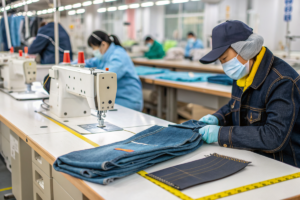
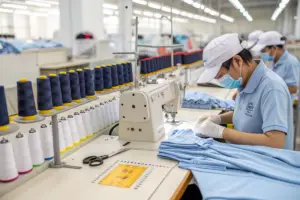
Once a sample is approved, several estimated costs become fixed, solidifying your budget. The most significant is labor time. During sampling, the factory times each step of the process, converting "sewing a shirt" into a precise number of minutes. This locks in the labor cost. Material consumption is also finalized, as the pattern is perfected and the exact meters of fabric needed are confirmed. This precise data is the foundation of reliable apparel costing. This process allowed one of our clients to confidently project a 45% gross margin after sampling, whereas their initial estimates ranged from 35% to 50%.
What Are the Key Components of a Clothing Production Budget?
A professional production budget is more than just the cost to make one shirt. It is a comprehensive list of all expenses from the factory to your warehouse. Missing one component can significantly impact your profitability. A clear breakdown allows you to identify areas for cost-saving without compromising on quality.
Think of your budget in two main phases: the pre-production (one-time costs) and the production (recurring costs per order). Understanding this distinction is crucial for accurate financial planning, especially for your first collection.
How Should You Budget for Pre-Production Expenses?
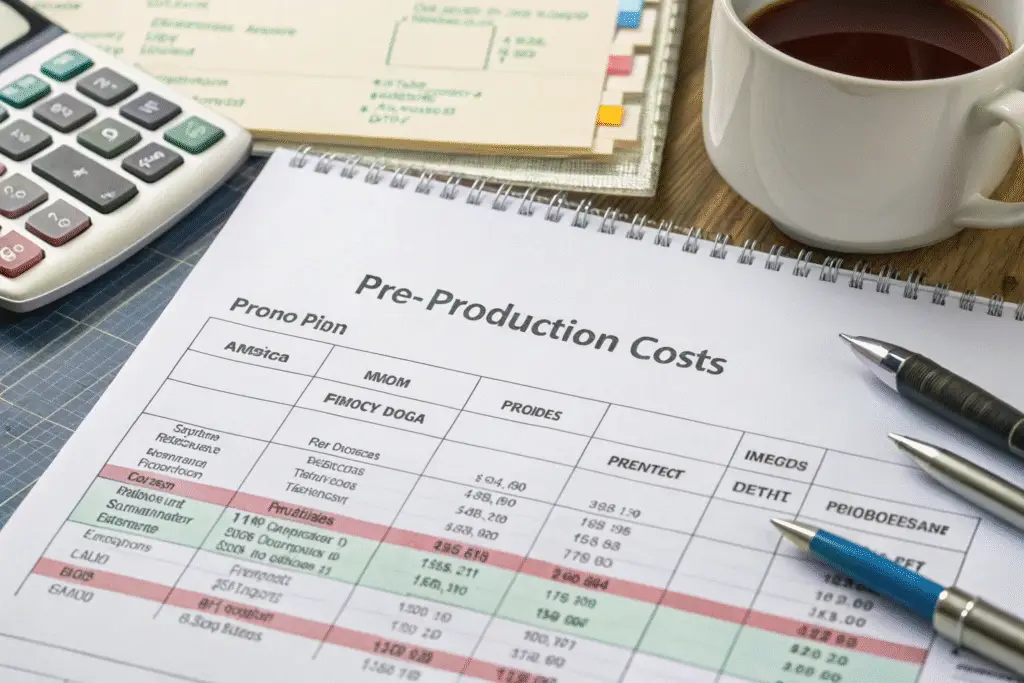
Pre-production costs are one-time investments needed to get your design production-ready. These are often overlooked by new brands. Key items include:
- Prototype/Sample Costs: Fees for creating and refining samples until final approval.
- Pattern Making: The cost to create the digital or physical blueprint of your garment.
- Fit Sessions: Potential costs for models and a fit specialist if you require professional sessions.
- Testing: Fees for lab tests like fabric shrinkage, colorfastness, or wear-and-tear.
We worked with a startup that failed to budget for fabric testing. When their first batch of dyed fabric failed a colorfastness test, they had to pay for a re-dye and a second round of testing, costing an unexpected $1,200. A proper pre-production budget would have included this from the start.
What Are the Core Production Cost Drivers?
The core production costs are your Cost of Goods Sold (COGS). These are the variable costs that increase with every unit you produce. A detailed breakdown is essential:
| Cost Component | Description | Impact on Budget |
|---|---|---|
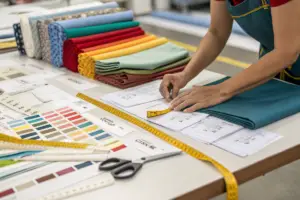
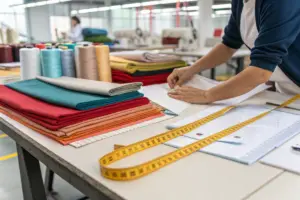
| Fabric | The main material cost. Price varies by type, weight, and composition. | High - typically the largest cost driver. |
| Trims & Labels | Zippers, buttons, threads, care labels, hangtags. | Medium - can add up quickly with custom items. |
| Labor | Cost for cutting, sewing, finishing, and quality control. | Medium/High - depends on garment complexity. |
| Logistics | Shipping and freight costs from the factory to your destination. | Variable - must be clearly defined (e.g., FOB or DDP). |
For example, switching from a standard plastic zipper to a custom metal one for a batch of 5,000 jackets can add several thousand dollars to your total cost. At Shanghai Fumao, we provide a transparent line-item breakdown so you can see the cost impact of every decision.
How Can You Avoid Hidden Costs and Budget Overruns?
Budget overruns are often caused by a lack of clarity and unexpected changes. The most common hidden costs aren't malicious; they are the result of assumptions not being communicated and agreed upon upfront. Protecting your budget requires proactive communication and a clear understanding of the manufacturer's terms.
A well-drafted purchase order and a confirmed Final Inspection Sample are your best defenses against these unexpected charges.

What Logistics and Payment Terms Impact Your Final Cost?
How you ship and pay significantly affects your final landed cost. You must understand the Incoterms. Is the price FOB (Free on Board), meaning you own the goods and pay for shipping once they leave the factory? Or is it DDP (Delivered Duty Paid), where the supplier handles everything? We operate on a transparent DDP model, so clients know the price they are quoted is the price they pay, with no surprise customs or duty fees. Additionally, consider payment terms. A 50% deposit is standard, but structuring the balance payment after a pre-shipment inspection can protect you from receiving substandard goods.
How Do Minimum Order Quantities (MOQs) Affect Pricing?
MOQs directly influence your per-unit cost. Producing 100 units will have a much higher cost per piece than producing 1,000 units due to the fixed costs (like pattern making) being spread over fewer items. A practical strategy is to start with a manufacturer like Shanghai Fumao that offers reasonable MOQs for your first order. We helped a brand launch by producing a core collection of 300 pieces per style, which was a manageable investment that allowed them to test the market without overcommitting financially. Once they established sales, they re-ordered at higher quantities, which lowered their cost per unit and increased their profit margins on subsequent runs.
Conclusion
Accurately budgeting for your custom clothing line is a detailed process that demands attention to both obvious and hidden costs. It starts with a physical sample to lock in core expenses and requires a comprehensive breakdown of pre-production, production, and logistics. Transparency with your manufacturer is key to avoiding surprises.
By treating your production budget as a strategic financial plan, you transform your creative vision into a viable business. Ready to get accurate, transparent pricing for your clothing line? Contact our Business Director Elaine today to start the sampling and budgeting process: elaine@fumaoclothing.com.