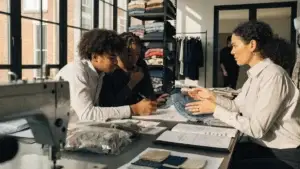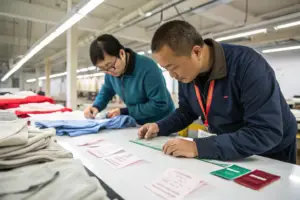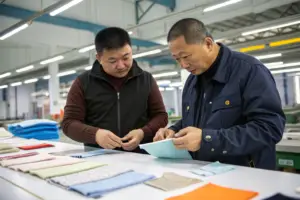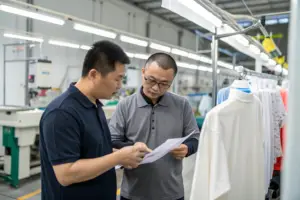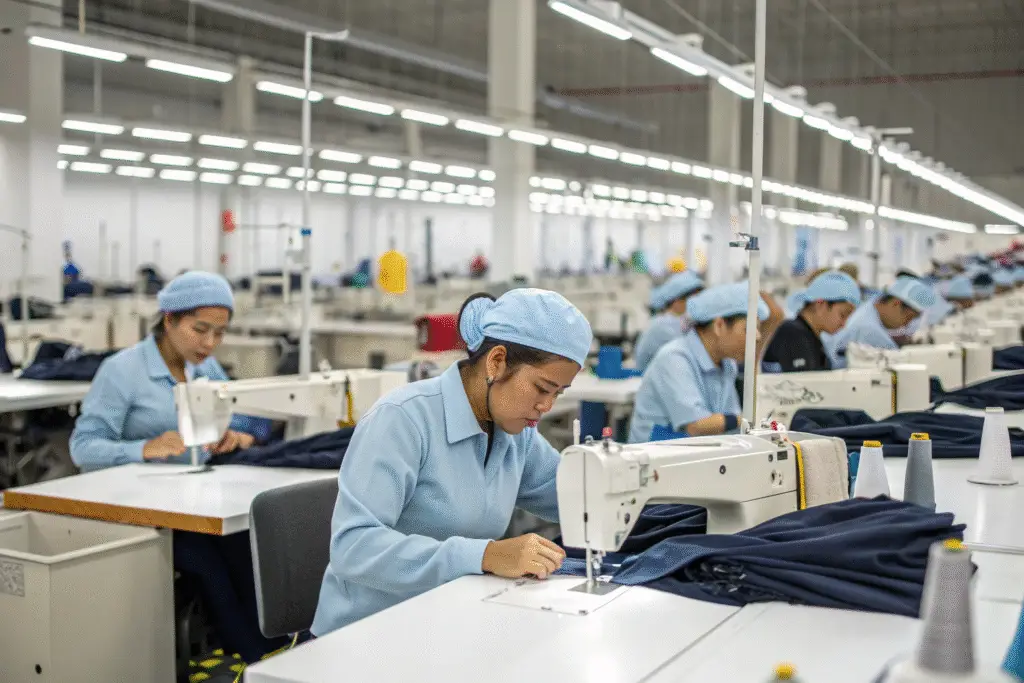
You've found a potential clothing manufacturer. Their pricing looks good online. You send your tech pack and request a formal quote. Then you get a reply: "We need to make a sample first before we can give you the final price." You might feel frustrated. Why can't they just give you a number? Is this a delay tactic or a way to charge extra? The process is standard for reputable factories, and understanding it can save you from costly mistakes down the line.
Getting an accurate quote for custom apparel is impossible without a physical sample. The sample acts as a blueprint, revealing the true cost of materials, labor, and construction that a tech pack alone cannot show. It transforms your design from a digital idea into a tangible product that can be precisely costed. Skipping this step is like asking a builder for a quote on a house with only a sketch; the final number would be a guess, not a reliable business figure.
This initial sampling phase is a critical investment for both you and the manufacturer. It sets the foundation for a successful partnership and a profitable product line. Let's break down exactly why this step is non-negotiable.
How Does a Sample Prevent Costly Production Errors?
Imagine receiving 10,000 units of your new polo shirt, only to find the collar sits awkwardly. This is a real risk that a sample prevents. The sample is the first physical check of your design's integrity. It allows us to identify and correct fit issues, construction flaws, and fabric performance problems before mass production begins.
A sample makes hidden costs visible. A tech pack might specify "bar-tacked seams," but the actual time and thread consumption for a specific fabric weight only becomes clear during sampling. This precision is why we at Shanghai Fumao treat sampling as a core part of our quality control process.
What Specific Flaws Can a Physical Sample Reveal?
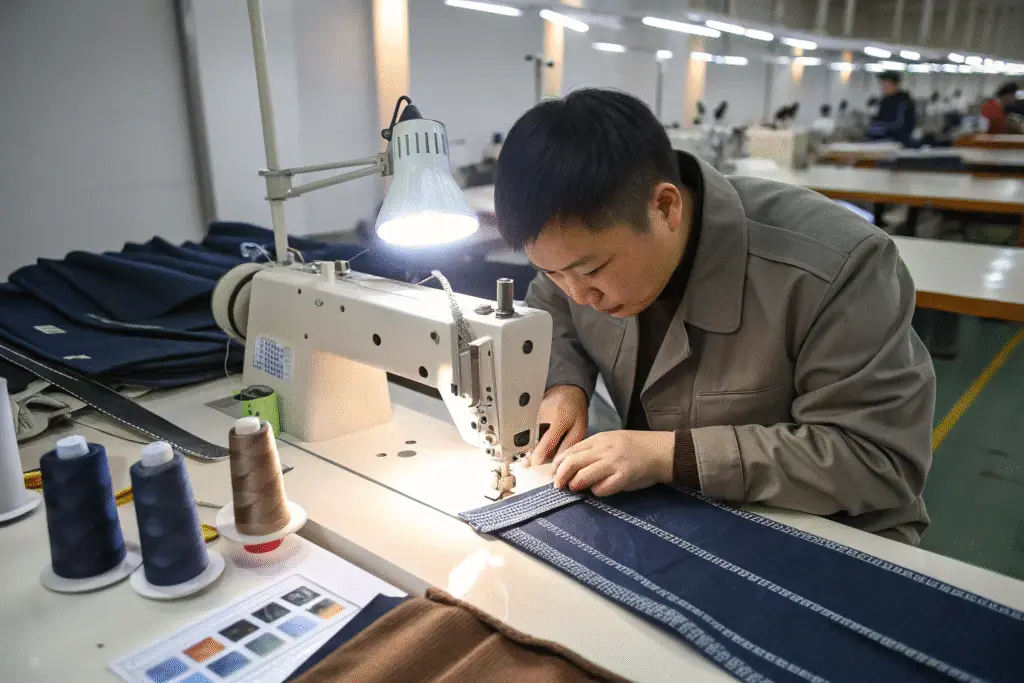
A physical sample reveals flaws that digital files hide. We once worked with a brand on a custom knitted sweater. Their tech pack was perfect. But the first sample showed a major pilling issue with the chosen yarn. We were able to switch to a higher-twist yarn blend, preventing what would have been a 30% product return rate. The sample also showed that the digital color, "heather grey," looked different on the physical fabric. We corrected it before production. Specific flaws a sample catches include:
- Fit and Drape: How the garment hangs on a body.
- Stitching Tension: Too tight or too loose stitches can cause puckering or weakness.
- Material Interaction: How the main fabric, linings, and trims work together.
- Color Accuracy: Physical dye lots versus digital Pantone references.
How Does Sampling Improve Communication with Your Factory?
Sampling bridges the language and technical gap. You can point to the sample and say, "I want this seam to be like this, but the color of that part." This is far more effective than describing it in an email. For a complex jacket we produced last year, the client initially described the desired waterproof rating in technical terms. After feeling the sample fabric and testing a drop of water on it, they immediately understood the product's performance, building immense trust. Clear communication from the start is a hallmark of how we operate at Shanghai Fumao, ensuring your vision is perfectly translated.
Is the Sample Fee an Unnecessary Cost or a Smart Investment?
Many brands view the sample fee as an extra cost. We see it as the cheapest insurance policy you can buy for your production order. Paying a few hundred dollars for a sample can prevent tens of thousands in losses from a failed production run. It is a direct investment in your product's success.
The fee covers far more than just fabric and labor. It includes the time of highly skilled technicians, pattern makers, and sample machinists who bring your idea to life. This process validates the entire production planning strategy.
What Does Your Sample Fee Actually Cover?
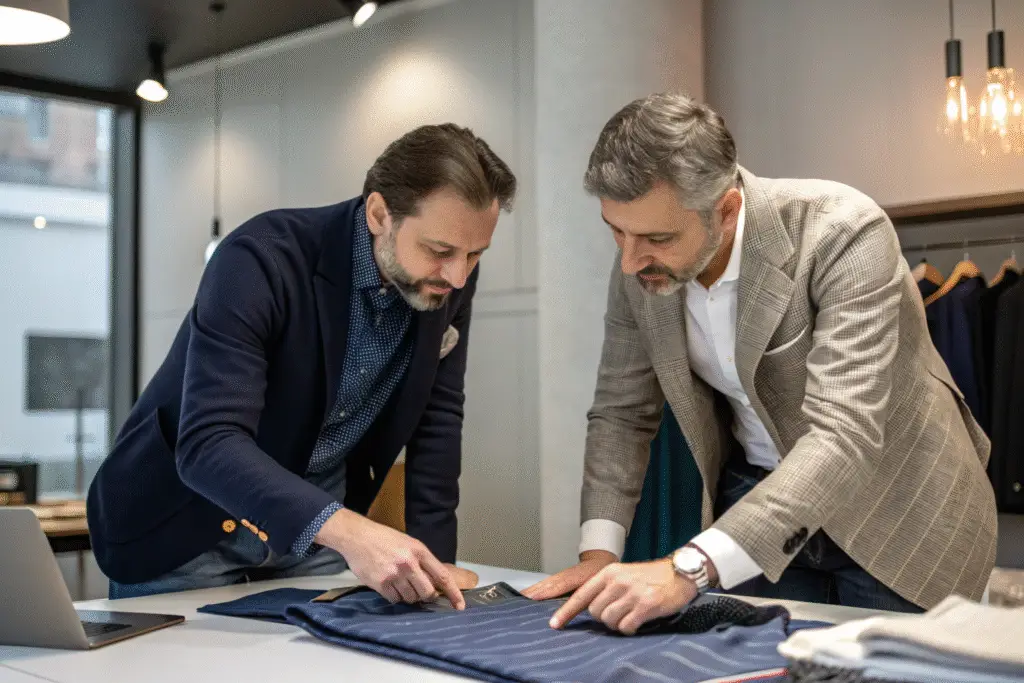
Your sample fee is not profit for the factory. It is a cost-recovery mechanism. It covers:
- Specialized Labor: Sample machinists are often the most skilled operators.
- Material Sourcing: Small-batch fabric and trim purchases at higher unit costs.
- Pattern Making & Grading: Creating the blueprint for your garment.
- Machine Setup: Time spent calibrating machines for a short, specific run.
For example, a client wanted a detailed embroidered logo. The sample revealed the stitch density was too high for their lightweight fabric, causing it to pucker. The sample fee covered the cost of re-programming the embroidery machine and testing new settings, which saved the entire production batch.
How Can a Sample Save You Money in the Long Run?
A sample saves money by locking in accuracy. It provides a definitive reference point for quality. This prevents disputes after the bulk order is complete. You agree that the sample is perfect, and production must match it. This clarity protects your investment. We once helped a sportswear brand avoid a catastrophe when their sample showed that a specific dye would bleed during washing. Fixing it at the sampling stage cost $500. Re-dyeing 5,000 units in production would have cost over $15,000 and caused a 6-week shipping delay.
What Factors in the Sample Determine the Final Price?
The sample is a cost-discovery tool. It allows the factory to calculate the exact minutes of labor, precise fabric consumption, and correct trim usage. A quote without a sample is an estimate based on assumptions. The final price is determined by the real data from the sample-making process.
Complexity is the main cost driver. A simple t-shirt might need 12 minutes of labor. A tailored blazer with a lining and functional buttons could need 90 minutes. The sample measures this exactly. This data is crucial for apparel costing and helps you understand your own profit margins.
How Do Construction Details Directly Impact Labor Costs?
Construction details have a massive impact on labor time and skill level required. Here is a simple comparison:
| Construction Detail | Simple Design (Lower Cost) | Complex Design (Higher Cost) |
|---|---|---|
| Seams | Basic overlook seams | Flat-felled seams or French seams |
| Pockets | No pockets or simple patch pockets | Welt pockets with flaps and bar-tacking |
| Closures | Print or basic labels | Woven labels, custom branded hang tags, and packaging |
We had a case where a client's design used a unique curved hem on a t-shirt. The sample showed this required a specialized attachment and a highly skilled operator, adding 3 minutes to the production time per piece. This was factored into the final quote accurately.
Why Can't Fabric and Trims Be Priced from a Tech Pack?
A tech pack lists materials, but not their real-world behavior. A "320 GSM fleece" from one mill may shrink differently than from another. The sample process tests this. We measure pre-wash and post-wash dimensions to calculate and plan for shrinkage, ensuring your size specs are always met. Furthermore, sourcing sustainable fabrics often involves longer lead times and different costs, which are confirmed during sampling.
How Does the Sampling Process Build a Stronger Supplier Relationship?
The sampling process is a trial period for your partnership. It tests communication, problem-solving skills, and commitment to quality from both sides. A smooth, collaborative sampling phase is the best indicator of a successful bulk production. It transforms the relationship from a transactional vendor to a strategic manufacturing partner.
This phase builds trust. When a factory is transparent about challenges and proactive in offering solutions during sampling, you know they will handle production with the same care. We at Shanghai Fumao view every sample as the start of a long-term relationship.
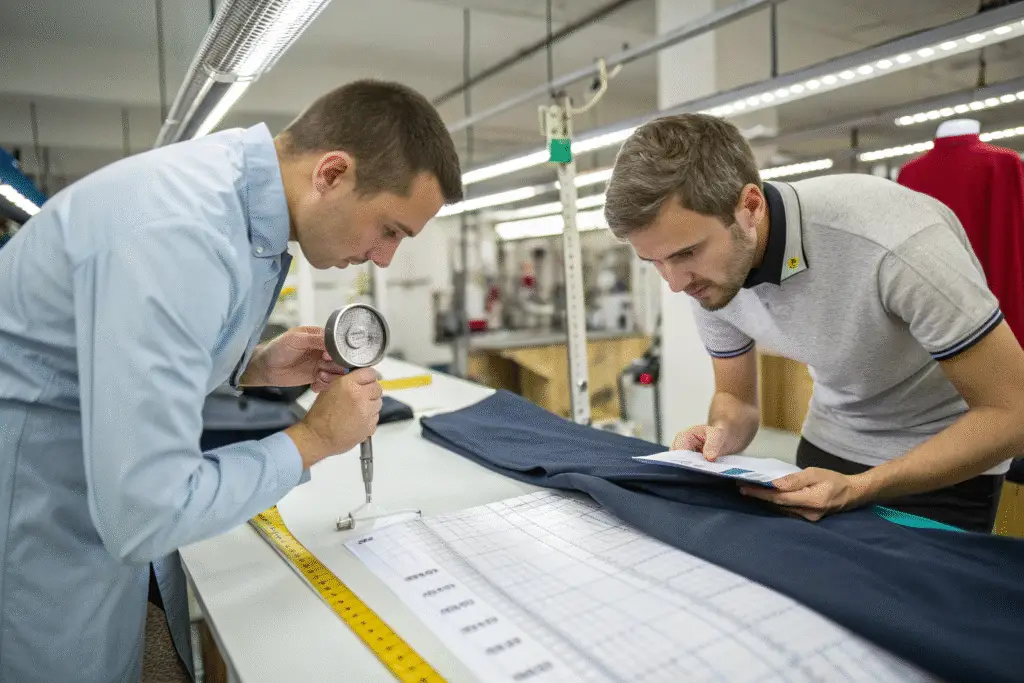
What Should You Look for in a Factory's Sampling Response?
Evaluate the factory's feedback. A good partner doesn't just make the sample. They provide constructive feedback. They might say, "Your design is great, but if we move this seam 1cm, it will be more comfortable and easier to produce." This shows they are using their expertise to help you. Their turnaround time and communication style during sampling are strong indicators of their supply chain management capabilities in bulk production.
How Can a Good Sampling Experience Ensure On-Time Delivery?
A thorough sampling process prevents delays later. When all details are approved on the sealed sample, the factory can confidently order bulk fabrics and trims. There are no pauses during production to clarify a detail or fix a mistake. The path is clear. A client needed a quick-turnaround order for a holiday season. Because we perfected the sample in two rounds, we locked the production slot and delivered the entire order with 3 days to spare, avoiding a missed selling season entirely.
Conclusion
The sample is not a barrier; it is the bridge to a successful clothing line. It is a crucial step for accurate costing, error prevention, and building a reliable manufacturing partnership. It transforms your vision into a commercial reality while protecting your financial investment. Insist on a sample, and pay close attention to the entire process. It is the most telling sign of a factory's quality and professionalism.
Ready to partner with a manufacturer who values precision and transparency from the very first sample? Let us help you bring your apparel visions to market successfully. Contact our Business Director Elaine today to discuss your project at: elaine@fumaoclothing.com.