You receive a manufacturing quote that looks perfect. The price per piece seems right. The timeline works. You place the order. Then, suddenly, unexpected charges appear. The delivery date gets pushed back. The final product doesn't match your expectations. This scenario is frustratingly common for brands sourcing apparel overseas. The initial estimate often misses critical variables that emerge during production.
Hidden variables in apparel manufacturing estimates typically include fluctuating raw material costs, complex construction requirements, compliance certifications, and logistical surprises—all of which can significantly impact your final cost and timeline. These factors are often overlooked in initial quotes because they require deep production knowledge to anticipate. Understanding these variables transforms you from a passive buyer into an informed partner.
Let's uncover the most common hidden variables that can make or break your manufacturing budget and schedule.
Why Do Raw Material Costs Fluctuate After Quoting?
Your manufacturer provides a quote based on today's fabric prices. Six weeks later, when you're ready to produce, those prices have changed. This isn't necessarily the factory being dishonest—textile markets are notoriously volatile, influenced by factors beyond any single manufacturer's control.
Raw material costs fluctuate due to cotton harvest yields, petroleum prices (for synthetics), global demand shifts, and currency exchange rates, creating pricing gaps between quotation and actual production. A quote is typically valid for 30-60 days, but development and decision-making often take longer, exposing you to market movements.
How do global commodity markets affect my fabric cost?
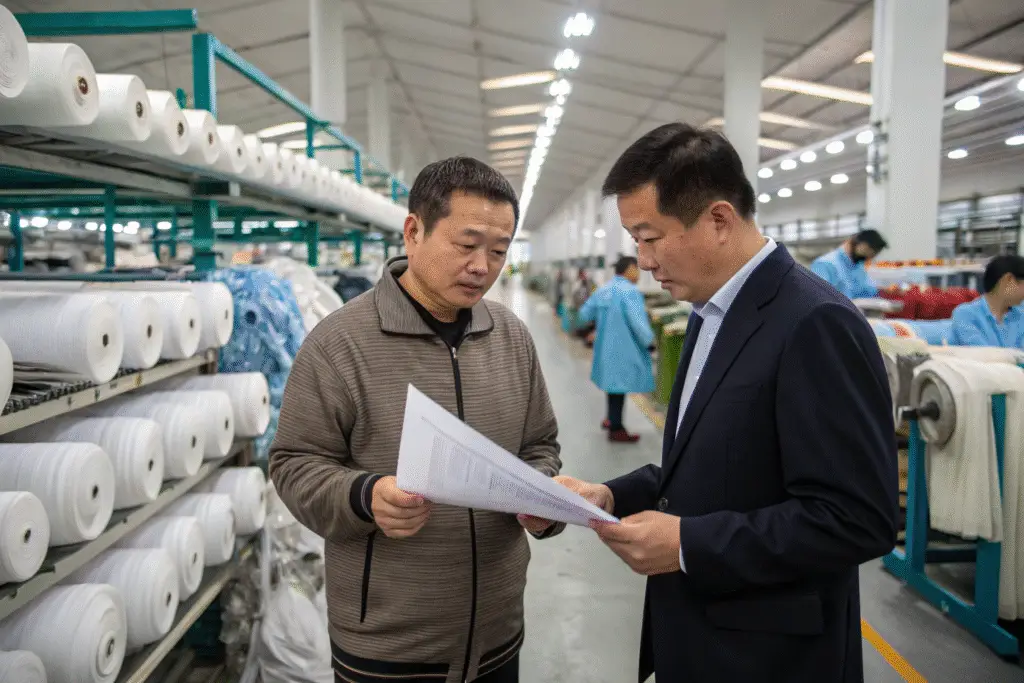
The apparel supply chain is deeply connected to agricultural and petroleum markets:
- Cotton Prices: Poor harvests in major producing countries like the U.S., China, or India can spike prices globally
- Polyester Costs: As a petroleum derivative, synthetic fiber prices track oil market volatility
- Currency Exchange: Transactions between material suppliers and manufacturers often use U.S. dollars, creating exposure to currency fluctuations
We experienced this directly in early 2023 when a client's large cotton jersey order faced a 12% material cost increase between sampling and production due to unexpected supply constraints. Our flexible sourcing approach allowed us to identify an alternative mill without compromising quality.
What minimum order quantities (MOQs) impact material pricing?
Material suppliers enforce MOQs that often exceed what a single brand requires:
- Fabric Mills: May require 1,000-5,000 yard minimums per color/type
- Trim Suppliers: Custom buttons, zippers, or labels have high setup costs spread across MOQs
- Dye Houses: Certain colors or treatments require minimum batch sizes
These MOQs force manufacturers to either charge premium prices for smaller quantities or find creative solutions through fabric consolidation across multiple clients.
How Does Production Complexity Create Hidden Costs?
Two garments might use the same amount of fabric but require completely different production approaches. The initial quote might cover basic construction but miss the specialized handling, slower production speeds, or additional quality checks that complex designs demand.
Production complexity creates hidden costs through specialized machinery requirements, additional labor steps, lower production efficiency, and increased quality rejection rates. Factories often quote based on standard operations and discover unique challenges only during sampling or production setup.
What construction details significantly increase costs?
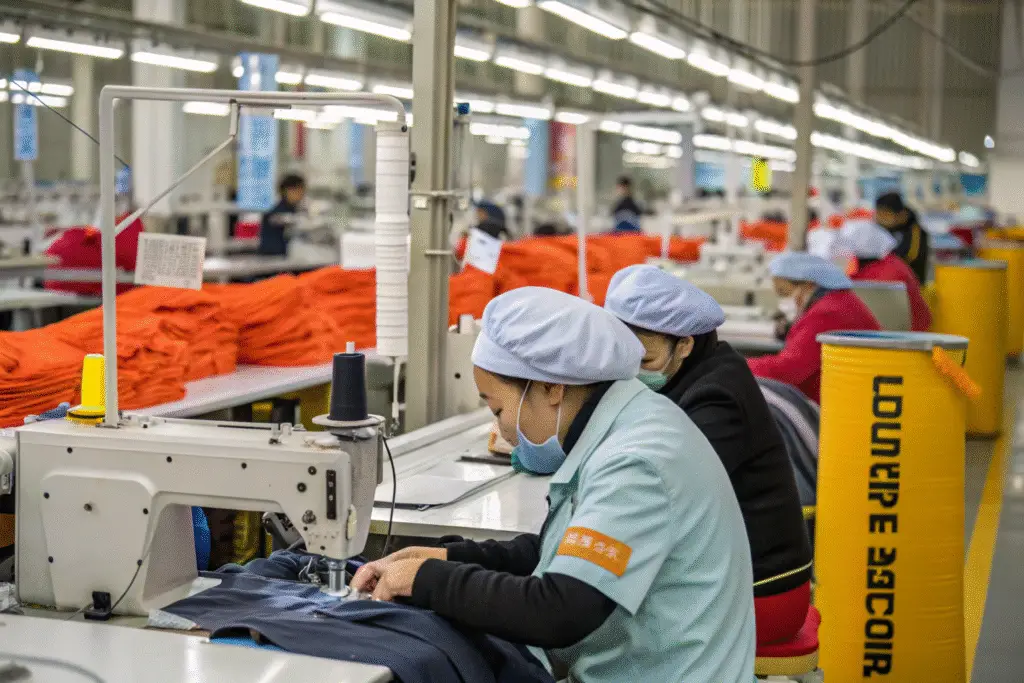
Certain design elements dramatically impact production efficiency:
- Multiple Fabric Combinations: Garments using more than 2-3 different materials require complex cutting and inventory management
- Specialized Stitching: Technical seams like flatlock stitching or bound edges slow production lines
- Elastic Applications: Strategic elastic placement in activewear requires precise tension control
- Small Parts: Items with many small components (cords, toggles, multiple pockets) increase handling time
A recent Shanghai Fumao client designed athletic shorts with six separate elastic applications—a detail that increased production time by 35% compared to standard shorts.
How do quality standards affect final pricing?
Your quality expectations directly impact costs in ways initial quotes often undersell:
- Inspection Levels: AQL 1.0 inspection (most rigorous) requires 3-5x more inspection time than AQL 2.5
- Testing Requirements: Fabric tests for colorfastness, shrinkage, or performance add costs and time
- Finishing Standards: Specific packaging, folding, or tagging requests increase handling
These variables explain why the same basic garment can have vastly different prices from different factories—the hidden costs of quality are baked into the final number.
What Compliance and Logistics Variables Impact Budgets?
The journey from factory floor to your warehouse involves numerous steps with potential cost surprises. Compliance requirements, shipping method changes, and customs procedures can all derail an otherwise perfect budget.
Compliance and logistics variables include certification requirements, shipping method availability, fuel surcharges, customs brokerage fees, and import duties—all of which can fluctuate between quotation and shipment. These costs are particularly relevant for brands using DDP (Delivered Duty Paid) terms, where the manufacturer bears these risks.

What certifications add unexpected costs?
Compliance requirements vary by market and product type:
- Oeko-Tex Standard 100: Testing and certification for harmful substances
- Global Organic Textile Standard (GOTS): Certification for organic fiber products
- CPSC Compliance: U.S. Consumer Product Safety Commission requirements for children's apparel
- REACH: European Union regulation on chemicals
We worked with a children's wear brand that discovered their sleepwear required flammability testing mid-production—adding $2,500 in unexpected testing costs and three weeks to their timeline.
How do logistics variables affect final delivered cost?
The "last mile" of international shipping contains numerous variables:
- Fuel Surcharges: Can increase shipping costs by 10-40% during periods of price volatility
- Port Congestion: Demurrage and detention fees when containers sit at crowded ports
- Customs Clearance: Unexpected tariff classifications can change duty rates
- Seasonal Peaks: Shipping costs increase dramatically during holiday and Chinese New Year periods
These factors explain why the shipping line item in your initial quote often differs from the final charge.
How Can Transparent Communication Prevent Surprises?
The single most effective strategy for managing hidden variables is establishing clear, detailed communication channels with your manufacturer from the very beginning. Assumptions and unspoken expectations create the perfect environment for budget and timeline surprises.
Transparent communication prevents surprises by aligning expectations, documenting all specifications, establishing change order procedures, and creating collaborative problem-solving relationships. This requires moving beyond basic email exchanges to structured communication protocols.

What questions should you ask during the quoting process?
Proactive questioning reveals potential hidden variables:
- "What specific factors could cause this quote to change?"
- "How do you handle material price fluctuations between quote and production?"
- "What compliance requirements apply to my specific product and market?"
- "What's included in your quality control process, and what would cost extra?"
At Shanghai Fumao, we provide clients with a "Risk Assessment Worksheet" that identifies potential variables specific to their project during the quoting phase.
How can detailed documentation manage expectations?
Comprehensive documentation creates a shared reference point:
- Technical Packs: Should include every component, stitch type, and tolerance
- Approved Samples: Signed and dated to prevent "scope creep" during production
- Quality Standards Document: Explicit AQL levels and inspection criteria
- Change Order Form: Formal process for documenting and pricing modifications
This documentation practice helped us successfully navigate a complex outerwear project with over 50 components—by documenting every variable upfront, we avoided the cost surprises that typically accompany such complex orders.
Conclusion
Hidden variables in apparel manufacturing estimates aren't necessarily deceptive—they're often the natural result of complex global supply chains, evolving designs, and market dynamics. The key to successful manufacturing partnerships isn't finding a quote with no variables, but working with a manufacturer who identifies these variables early, communicates them transparently, and helps you navigate them effectively.
By understanding the common hidden costs around raw materials, production complexity, compliance, and logistics, you can ask better questions during the quoting process and build more accurate budgets. The most successful brands view their manufacturers as partners in problem-solving rather than mere suppliers.
At Shanghai Fumao, we believe transparency is the foundation of successful manufacturing partnerships. We proactively identify potential variables during our quoting process and maintain open communication throughout production. If you're looking for a manufacturing partner who helps you anticipate and manage these hidden variables, contact our Business Director, Elaine, at elaine@fumaoclothing.com to discuss your next project.