You've finalized your designs and are ready to move into production. Then your manufacturer mentions the need for prototype samples. This step might seem like an unnecessary delay and an extra cost, especially when you're eager to get your products to market. Many brand owners view sampling as just another expense on the spreadsheet.
Prototype sampling is not just an added cost; it is a crucial investment that directly safeguards your larger production budget by identifying and resolving potential issues before mass production begins. While it requires an upfront investment of time and money, a well-executed sampling process prevents far more expensive problems like bulk order rejections, delayed launches, and brand reputation damage. It is the most effective form of quality control.
Understanding the true value and cost structure of prototyping can transform how you manage your product development. Let's explore how samples impact your overall costs and why they are essential for a successful clothing line.
Why Is Sampling a Non-Negotiable Step?
Skipping the sampling process to save money and time is one of the biggest mistakes a brand can make. Imagine receiving 5,000 units of a jacket only to find the zipper is faulty, the fit is inconsistent, and the color is wrong. The cost of correcting this disaster would be astronomical compared to the initial sample cost.
A prototype sample acts as a physical contract between your vision and the factory's execution, ensuring both parties are aligned on every detail before committing to full-scale production. It is your first tangible look at the product and your only opportunity to make corrections without massive financial penalties. This step verifies everything from fabric hand-feel and construction techniques to fit and overall aesthetic.
What problems can a prototype sample uncover?
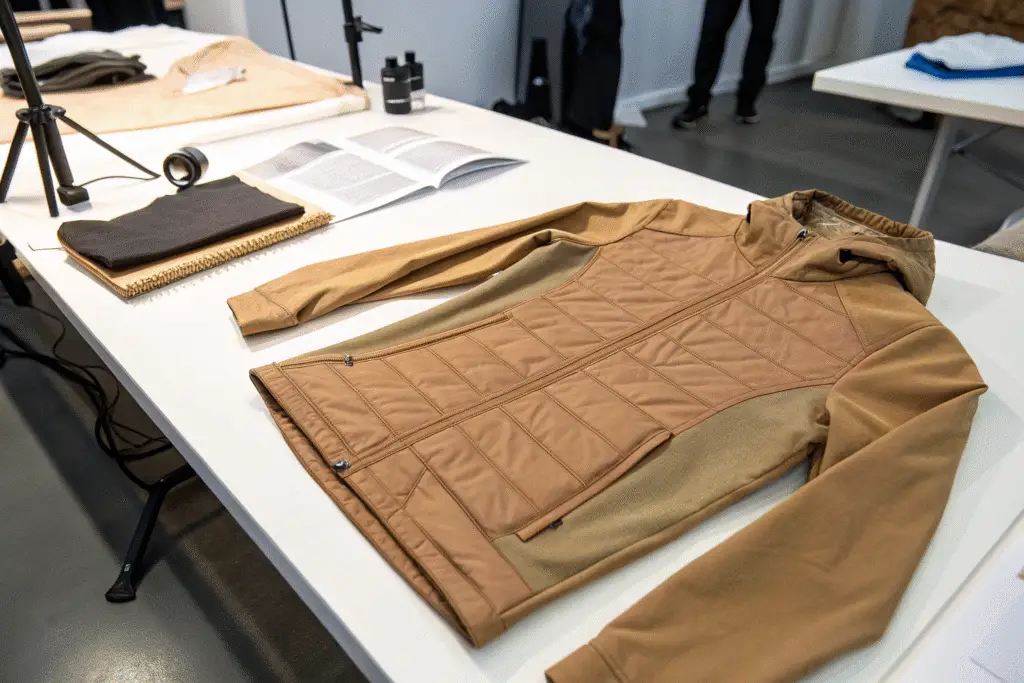
A sample reveals issues that are impossible to spot in a digital tech pack. During our sampling process for a client's tailored blazer last quarter, we identified three critical problems:
- Fit and Sizing Flaws: The sample revealed that the armhole was too tight, restricting movement. This was corrected before grading the pattern for all sizes.
- Construction Errors: The internal fusing was causing the lapel to bubble, a issue not anticipated in the design phase.
- Material Incompatibility: The chosen lining fabric was too fragile for the design, prompting a switch to a more durable alternative.
Each of these discoveries, if made during mass production, would have led to an entire batch of unsellable goods. The sample cost was a fraction of what a recall or discounting would have required.
How does sampling improve manufacturer communication?
A sample eliminates language barriers and technical misinterpretations. It provides a concrete reference point for discussions. When you have the physical sample in hand, your feedback changes from "make the sleeve looser" to precise instructions like "adjust the bicep circumference by 1 inch as demonstrated on the sample." This clarity, central to our process at Shanghai Fumao, drastically reduces errors and ensures your quality assurance standards are met from the very first batch.
What Are the Different Types of Samples?
Not all samples are created equal. The sampling process is typically a multi-stage journey, each with a specific purpose and cost implication. Understanding these stages helps you manage both your budget and your timeline effectively.
The sampling process generally progresses through three key stages: the prototype, the fit sample, and the pre-production sample, each serving a distinct purpose in refining the final product. Investing in the full cycle is the best way to guarantee a successful bulk order. Rushing or skipping stages often leads to compromise and costly errors.
What is the purpose of a prototype sample?
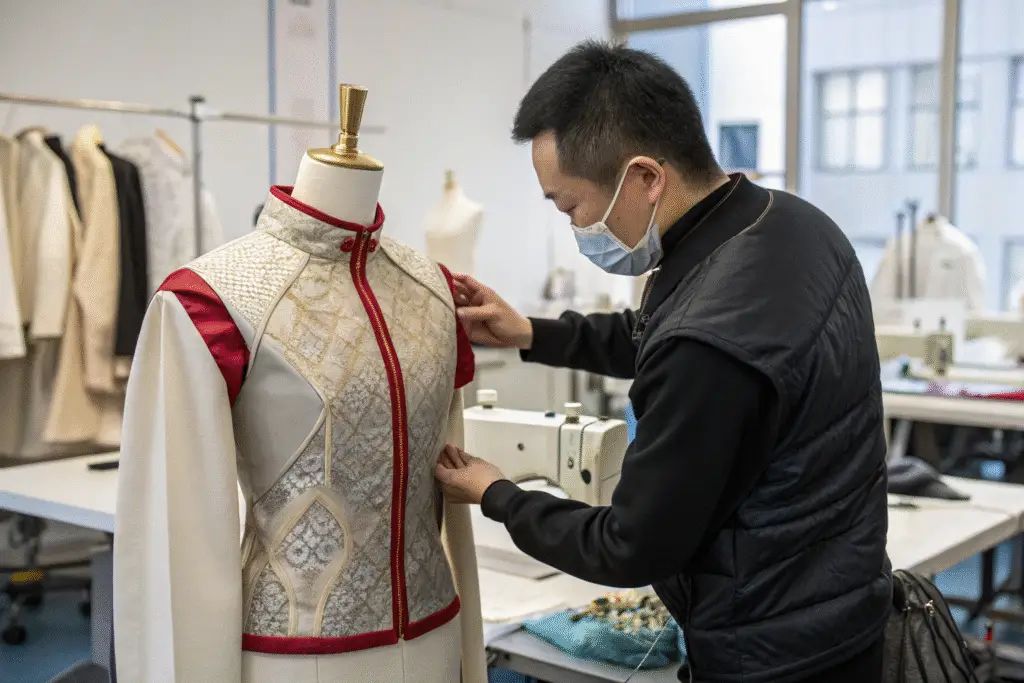
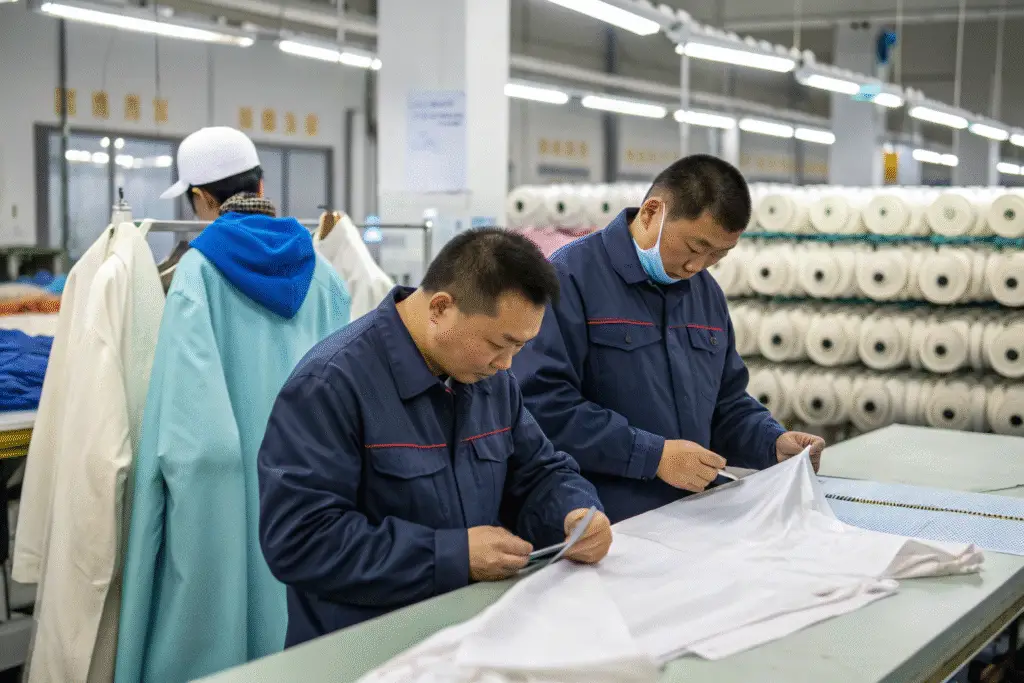
The prototype, or development sample, is the first physical version of your design. Its primary purpose is to check the overall design concept, silhouette, and basic construction.
- It is often made in a "similar" fabric to keep costs low.
- The focus is on the core design elements rather than perfect fit or final materials.
- It answers the question: "Does this design work in real life?"
This stage is for major corrections. We once created a prototype for a structured dress that revealed the initial boning placement was uncomfortable and ineffective. This early discovery saved the client from a fundamental design flaw.
Why do you need a pre-production sample (PP sample)?
The Pre-Production Sample is the final and most critical sample. It is made with the actual final fabrics, trims, and on the factory's production lines.
- It represents exactly what you will receive in your bulk order.
- It must be approved before the factory can begin mass production.
- It is your final check for garment construction quality, color accuracy, and overall workmanship.
Approving a PP sample from Shanghai Fumao is your green light for production. It is the factory's commitment to delivering the quality you have signed off on.
How Much Does the Sampling Process Cost?
The cost of sampling can vary widely, but it is a predictable and manageable part of your development budget. Viewing it as anything less than essential insurance for your production investment is a risky approach.
Sampling costs are influenced by garment complexity, materials, and the number of iterations required, but they typically represent only 1-3% of the total cost of a standard-sized production run. This small percentage protects the remaining 97-99% of your investment from catastrophic errors. The cost is not just for the physical garment; it covers skilled labor, pattern adjustments, and factory time.
What factors determine the price of a single sample?
A single sample's cost is higher than its per-piece cost in bulk for several key reasons:
- Labor Intensity: Sample makers are highly skilled technicians, and their time is not as efficient as an assembly line.
- Material Sourcing: Factories must source small quantities of specific fabrics and trims, which often have higher minimum order quantities and unit costs.
- Pattern Making: Creating a new pattern or modifying an existing one requires significant technical expertise.
For example, sampling a simple t-shirt might cost $50, while a detailed technical jacket with multiple fabrics and waterproof zippers could cost $300 or more.
How do sample iterations impact my budget?
It's rare to get a sample perfect on the first try. Most projects require 2-3 iterations. The cost of these revisions should be factored into your initial budget.
| Sampling Stage | Typical Cost Driver | How to Minimize Cost |
|---|---|---|
| Prototype | New pattern creation, "similar" fabric | Use existing base patterns where possible. |
| Fit Sample | Pattern revisions, closer-to-final fabric | Provide clear, consolidated feedback to reduce rounds. |
| Pre-Production | Final materials, production-line time | Ensure all previous stages are fully signed off. |
Clear and consolidated feedback after each round is the most effective way to control iteration costs. Providing vague or piecemeal comments often leads to unnecessary additional sample rounds.
How Can Sampling Actually Save Me Money?
While sampling appears as a line-item cost, its true value lies in its ability to generate massive cost avoidance. The money "saved" by skipping samples is often dwarfed by the losses incurred from a failed production run.
A disciplined sampling process saves money by preventing bulk order rejections, reducing unsellable inventory, protecting your brand's reputation, and streamlining production efficiency. It is the cornerstone of effective risk management in apparel manufacturing. The sample is your proof of concept.
How does a sample prevent bulk order rejections?
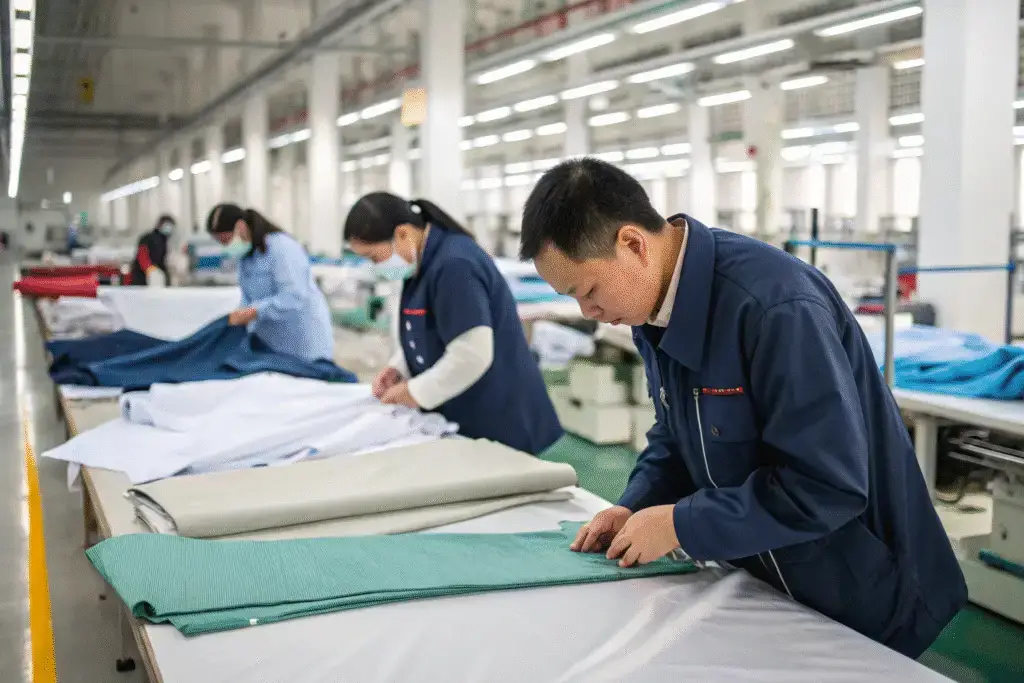
The sample is your agreed-upon standard for quality. When the bulk production arrives, you can compare it directly to the approved pre-production sample. This objective comparison makes quality control clear and unambiguous. A client of ours once attempted to reject a shipment of woven shirts claiming the stitch quality was poor. Because we had an approved PP sample demonstrating the exact same stitch type and density, the issue was resolved immediately, saving us both from a lengthy and costly dispute.
In what ways does sampling enhance production efficiency?
For the factory, an approved sample is the master guide. It allows the production team to:
- Streamline Workflow: They can sequence the sewing operations for maximum speed based on the finalized sample.
- Accurate Costing: The time taken to make the sample provides real data for calculating the final production lead time and cost.
- Train Workers: The sample is used to train the assembly line workers on the exact standards required.
This efficiency, honed through our sampling at Shanghai Fumao, translates into a smoother, faster, and more cost-effective production process for your entire order, ultimately benefiting your bottom line.
Conclusion
The prototype sample is far more than a preliminary expense; it is a strategic investment that de-risks your entire clothing production venture. It transforms abstract designs into predictable, manufacturable products. The relatively minor cost of sampling pales in comparison to the financial devastation of a flawed bulk order that misses its selling season or fails to meet market expectations.
By embracing a thorough, multi-stage sampling process, you gain control, clarity, and confidence. You ensure that your vision is perfectly translated into a final product that your customers will love and that will build your brand's reputation for quality. It is the smartest first step you can take after finalizing your designs.
Don't let the fear of upfront costs jeopardize your much larger production investment. Partner with a manufacturer who understands the critical role of sampling. At Shanghai Fumao, we guide our clients through a transparent and efficient sampling process to ensure their success. To discuss how we can help you develop your next collection with confidence, please contact our Business Director, Elaine, at elaine@fumaoclothing.com.