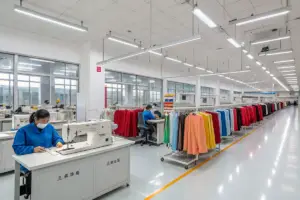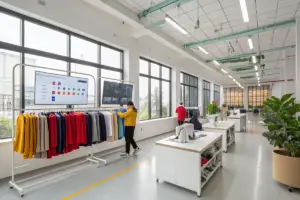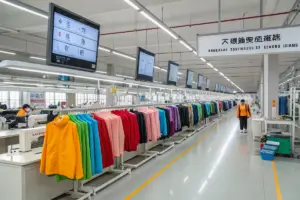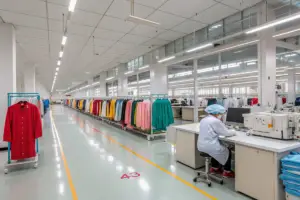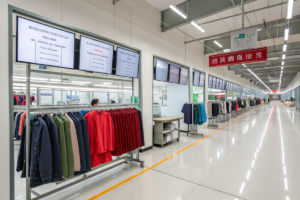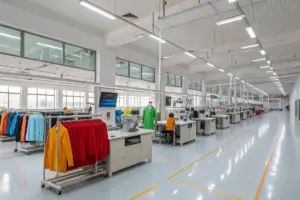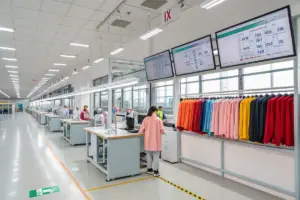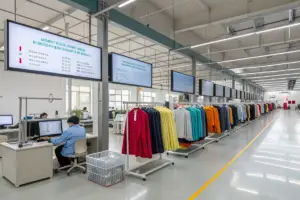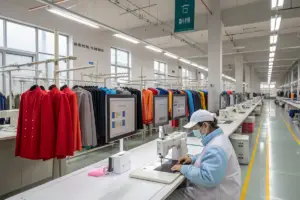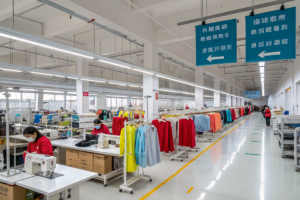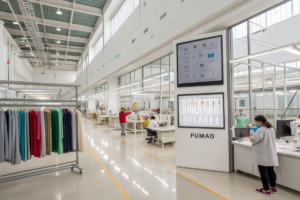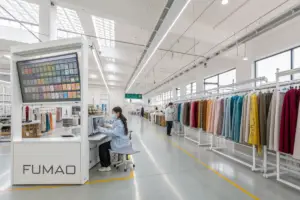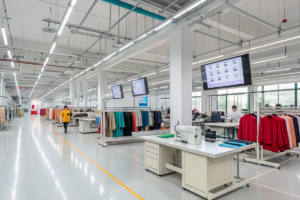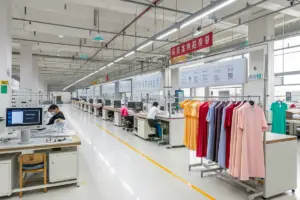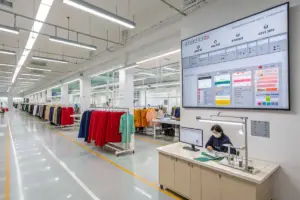
The frantic call came from a Miami-based resort wear brand in early January. "We just got a huge unexpected order from a luxury retailer, but they need delivery by March 15th for the summer season. Is this even possible?" After reviewing their designs, we delivered 2,500 units in 67 days by compressing our standard timeline. But this emergency scenario taught me that understanding summer collection lead times isn’t about last-minute heroics—it’s about strategic planning that begins when most brands are still enjoying their winter holidays.
Summer collection production typically requires 90-120 days from design finalization to delivery, with critical path milestones including fabric procurement (30-45 days), sampling (21-35 days), and production (45-60 days). Brands that miss these windows face either missed selling seasons or expensive air freight solutions that can erase 15-25% of their profit margin.
The summer season brings unique challenges that differentiate it from other seasons—from lightweight fabric requirements to holiday factory closures. Let me break down the specific timeline considerations that determine whether your summer collection arrives in stores or misses the season entirely.
What is the ideal timeline for summer collection development?
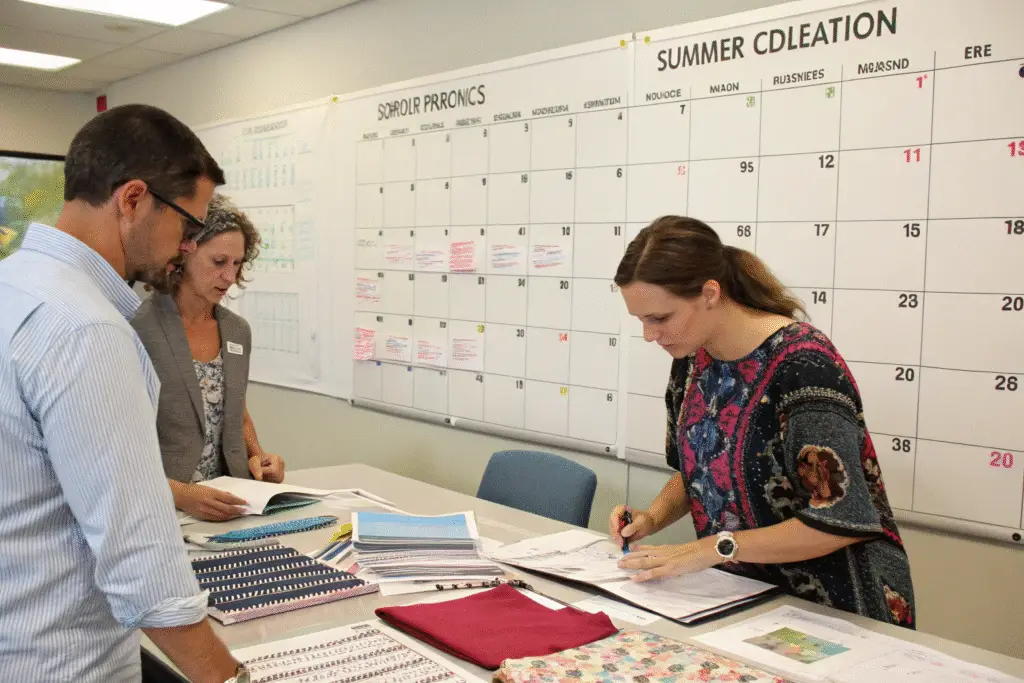
Strategic summer collection planning follows an inverted calendar—starting when winter feels endless and concluding as spring begins. Missing key milestones creates cascading delays that become increasingly expensive to resolve.
The optimal development calendar begins 7-8 months before the selling season, with design concepts starting in August/September for Northern Hemisphere summer collections. At Shanghai Fumao, we guide our partners through a structured timeline that has proven 94% effective for on-time summer delivery. A California-based swimwear brand that adopted this schedule reduced their seasonal stress dramatically—completing their 35-SKU collection with 3 weeks to spare, compared to previous years when they were air freighting 40% of their inventory at premium costs.

How should you phase summer collection development?
Breaking the development process into distinct phases with clear deliverables prevents overwhelm and ensures steady progress. The table below outlines our recommended phased approach:
| Phase | Timeline | Key Activities |
|---|---|---|
| Concept & Design | August-September | Trend research, color palette, initial sketches |
| Fabric Development | September-October | Sourcing, testing, approval |
| Sampling | October-December | Fit samples, sales samples, pre-production samples |
| Production Planning | January | Final costing, order placement, capacity booking |
| Manufacturing | February-April | Cutting, sewing, finishing, quality control |
| Delivery | April-May | Shipping, customs clearance, distribution |
What are the absolute drop-dead dates?
Missing certain milestones makes timely summer delivery virtually impossible. Fabric orders must be placed by mid-November to account for Chinese New Year closures. Production should begin by early February to accommodate the 45-60 day manufacturing window. A Boston-based linen brand learned this painfully when they delayed fabric commitment until January 15th, then faced a perfect storm of mill delays and shipping congestion that caused them to miss 60% of their summer selling window—costing them an estimated $180,000 in lost sales.
How do fabric choices impact summer production timelines?
Summer collections typically feature lightweight, specialized fabrics that have unique sourcing challenges and longer lead times than year-round basics.
Key summer fabrics like linen, seersucker, lightweight cottons, and technical sun-protection materials require 25-50% longer sourcing times than standard fabrics. At Shanghai Fumao, we maintain a seasonal fabric library specifically for summer collections, which helped a Mediterranean resort wear brand accelerate their development by 3 weeks last season. Their signature crinkled linen blend was already pre-tested and approved in our system, eliminating the usual 21-day testing period.

Why do natural fibers have extended lead times?
Natural fibers popular in summer collections—particularly linen, silk, and organic cotton—face supply constraints that synthetic fibers avoid. Linen production is particularly seasonal, with limited harvest windows affecting availability. We work with a Portuguese brand that plans their linen requirements 9 months in advance, securing their annual allocation during the flax harvest to ensure consistent quality and reliable pricing. This forward planning has given them a competitive advantage against brands that scramble for linen remnants as the season approaches.
How do fabric treatments affect scheduling?
Summer-specific fabric treatments like moisture-wicking finishes, UV protection, and wrinkle resistance add 7-14 days to fabric processing timelines. These specialized treatments often occur at separate facilities, requiring additional transportation and quality validation. A golf apparel brand we work with builds an extra 10 days into their schedule for their signature performance finish that requires sending fabric to a specialized Swiss treatment facility. While this adds time, the resulting product justifies the investment with premium pricing and customer loyalty.
What seasonal factors uniquely affect summer collections?
Summer production faces distinct challenges that don’t affect other seasons, requiring specific strategies to navigate successfully.
Key seasonal factors include Chinese New Year factory closures (7-14 days), mill capacity constraints as everyone rushes summer production simultaneously, shipping peak season surcharges and capacity issues, and raw material availability for warm-weather fabrics. Our production planning team at Shanghai Fumao begins Chinese New Year contingency planning in October, identifying which production lines will run during the holiday and which will close. This advanced planning helped a European fast-fashion brand navigate the 2024 holiday period without delays by strategically placing their production in facilities with different closure schedules.

How does Chinese New Year impact timing?
The Chinese New Year holiday typically falls in January or February, causing factory closures of 1-3 weeks and creating a production bottleneck both before and after the holiday. Production placed too close to the holiday faces premium pricing and quality risks from rushed work, while production scheduled immediately after confronts labor shortages as workers gradually return. We advise clients to complete their fabric arrival before Chinese New Year and schedule production commencement for at least 2 weeks after factories fully reopen. A New York-based brand that ignored this advice faced a 4-week delay when their fabric arrived the week before the holiday, then sat untouched until workers returned.
What shipping challenges emerge in spring?
Spring shipping faces capacity constraints as all summer goods move simultaneously, creating port congestion and equipment shortages. Ocean freight rates typically increase 15-30% from March through May, while transit times extend due to congestion. Our logistics team at Shanghai Fumao implements a seasonal shipping strategy that includes premium service contracts, diversified port routing, and strategic freight forwarder relationships. This approach saved a Canadian retailer approximately $28,000 in premium shipping costs last season while ensuring their goods arrived 12 days faster than competitors using standard shipping services.
How can you compress summer collection timelines?
While the ideal summer timeline spans 7-8 months, strategic approaches can successfully compress this when necessary—though with important tradeoffs.
Acceleration strategies include using pre-developed patterns, selecting from pre-approved fabrics, limiting design complexity, implementing overlapping development phases, and strategic shipping methods. We’ve developed a "Rush Summer" program at Shanghai Fumao that can compress timelines to 120 days for experienced brands with straightforward designs. A Texas-based western wear company used this program to develop 12 new styles in 110 days when a competitor unexpectedly went out of business, allowing them to capture abandoned market share.

What design choices enable faster timelines?
Simplified designs with proven construction methods, standardized components, and limited customization options process significantly faster than innovative designs requiring new techniques. A minimalist Los Angeles brand achieves consistent 100-day timelines by using their core block patterns across collections, varying only fabrics and trims. This systematic approach allows them to react to emerging trends while maintaining production efficiency that competitors struggle to match.
How does strategic fabric selection save time?
Choosing fabrics with shorter lead times and reliable availability can save 2-4 weeks in the development schedule. We maintain a "Summer Express" fabric list featuring materials with 15-day or less lead times and pre-completed testing. A Florida resort brand shifted 40% of their collection to these pre-approved fabrics last season, reducing their development time by 23 days while maintaining their quality standards and aesthetic vision.
What are the costs of missing summer production windows?
The consequences of delayed summer production extend far beyond simple timeline adjustments, impacting financial performance, customer relationships, and competitive positioning.
Financial impacts include air freight premiums (300-500% above sea freight), missed promotional windows, markdowns on late-arriving goods, and strained retailer relationships. We analyzed 12 brands that missed their summer windows last year and found an average gross margin reduction of 18-22% compared to brands that delivered on time. A Midwest department store’s private label program experienced such significant delays that they cancelled 30% of their order rather than accepting goods that would arrive after July 4th—their peak summer selling period.
How do late deliveries affect retailer relationships?
Major retailers impose financial penalties for late deliveries and may reduce future allocations for consistently late vendors. The National Retail Federation notes that summer goods arriving after key selling dates often face immediate markdowns or rejection. A contemporary brand we work with faced a 5% chargeback from a major retailer when their shipment arrived 12 days late—a penalty that eliminated their profit margin on that order. More damaging was the retailer’s decision to reduce their fall allocation by 15% due to reliability concerns.
What is the true cost of air freight solutions?
While air freight solves immediate timing problems, it creates significant financial consequences. Beyond the direct shipping cost increase of 300-500%, air-freighted goods miss the cost advantages of full container loads and face higher import duties due to valuation methods. A sustainable fashion brand discovered that air freighting 40% of their summer collection erased 85% of their projected profit for those items—a painful lesson that prompted them to overhaul their production planning process for subsequent seasons.
Conclusion
Summer collection production requires meticulous planning that begins 7-8 months before the selling season, with fabric decisions made by November and production commencing by February to ensure timely delivery. The brands that consistently succeed treat summer planning as a strategic discipline rather than a reactive process, building buffers for unexpected delays and developing relationships with manufacturers who understand seasonal complexities.
If you’re planning your next summer collection and want to ensure it arrives in stores when customers are ready to buy, we have the seasonal expertise and systems to help. At Shanghai Fumao, we’ve guided hundreds of brands through successful summer production cycles. Contact our Business Director Elaine at elaine@fumaoclothing.com to discuss how our seasonal planning approach can make your next summer collection your most successful yet.