The email arrived with disappointing news: "Production delayed by 3 weeks." For the third time. My client, a growing e-commerce brand from Austin, was facing cancelled wholesale orders and angry customers. Their previous manufacturer had promised 45 days but delivered in 87. This wasn't just inconvenient—it was business-threatening. That experience solidified my belief that trust in lead times must be earned through transparency and verification, not just promised in a sales meeting.
You can trust your manufacturer's lead time promise when they provide transparent production tracking, historical performance data, and contingency planning—not just optimistic estimates. Reliable manufacturers under-promise and over-deliver, backing their timelines with clear communication and accountability measures. The gap between promised and actual lead times often separates partners from vendors.
Trustworthy lead time commitments are built on systems, not sentiments. After 15 years in manufacturing, I've identified specific indicators that separate reliable partners from those who will disappoint you when timing matters most.
What evidence separates reliable from unreliable lead time promises?
Trustworthy manufacturers provide concrete evidence supporting their timelines, while unreliable ones offer vague assurances. The difference becomes apparent in their willingness to share data and processes.
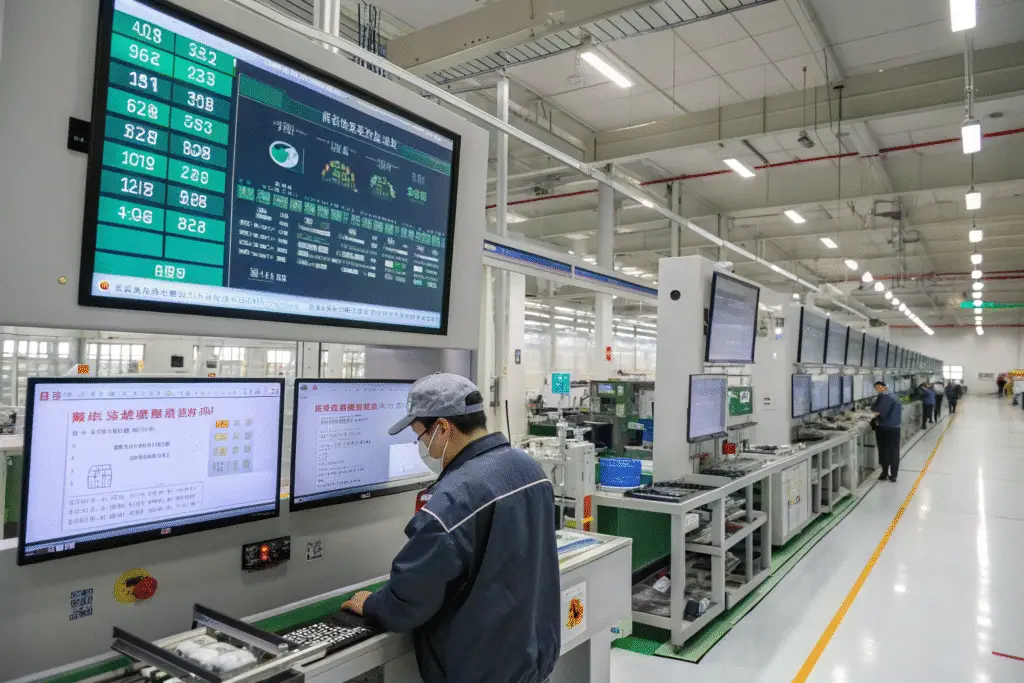
Reliable promises are backed by detailed production schedules, historical on-time delivery rates, capacity planning visibility, and risk mitigation strategies. At Shanghai Fumao, we provide clients with access to our production dashboard showing real-time status of all active orders. This transparency helped a Seattle-based outdoor brand verify our 98.2% on-time delivery rate before committing to their first order. They compared this data against their previous manufacturer's 73% rate and immediately understood the difference between promises and performance.
How transparent is their production scheduling?
Trustworthy manufacturers share their production calendar, showing how your order fits within their overall capacity. They should clearly explain their capacity planning methodology and how they buffer for unexpected events. We provide clients with visibility into our line loading months in advance, which recently helped a European fashion brand understand why their order needed to start 5 days later than initially requested—we were already at 92% capacity during their preferred dates. This honesty, while initially disappointing, built greater trust than promising an unrealistic timeline.
What historical performance data do they provide?
Reliable partners share their actual versus promised lead time performance across multiple clients and seasons. The table below shows key metrics we share with prospective clients:
| Performance Metric | Reliable Manufacturer | Warning Signs |
|---|---|---|
| On-Time Delivery Rate | 95%+ | Below 85% |
| Lead Time Variance | ±3 days | ±10+ days |
| Communication Response Time | <4 hours | >24 hours |
| Quality Pass Rate First Inspection | 98%+ | Below 90% |
| Capacity Utilization | 70-85% | Consistently 95%+ |
How can you verify a manufacturer's track record?
Verification requires looking beyond references to actual data, systems, and third-party validation. Smart brands investigate before they invest in a manufacturing relationship.
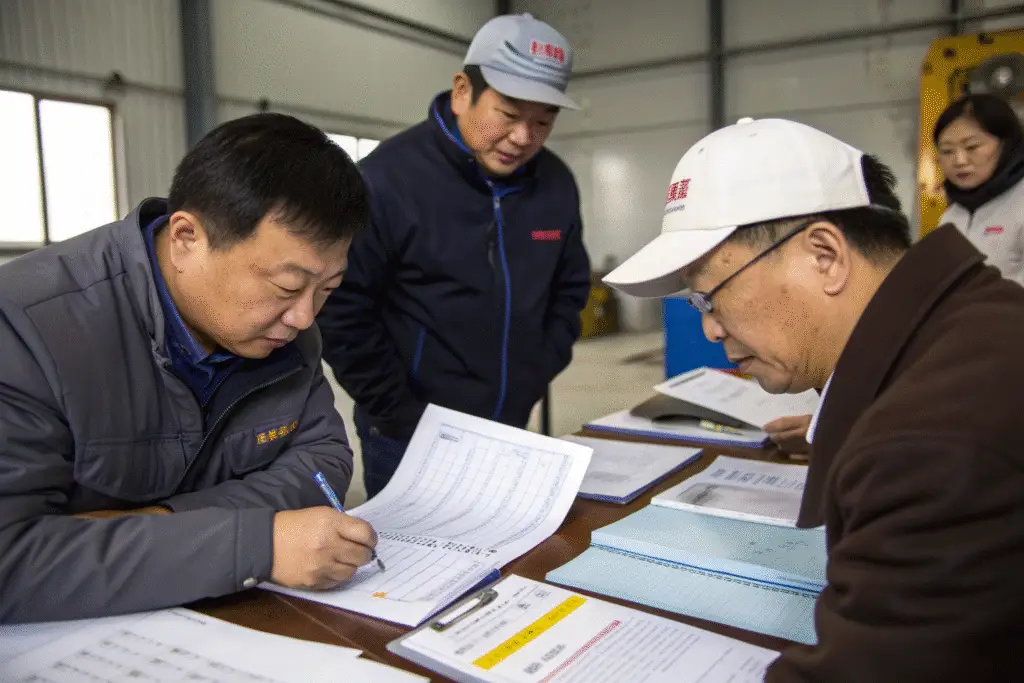
Effective verification includes checking independent client testimonials, requesting case studies with specific timeline data, reviewing quality certification audits, and analyzing communication responsiveness during the sales process. We encourage potential clients to speak with our existing customers about their actual experiences with our timelines. A Denver-based sportswear company took this seriously—they interviewed three of our current partners and discovered we'd consistently delivered 2-5 days early on 12 consecutive orders for one of them. This due diligence gave them confidence in our 45-day promise for their technical jacket program.

What questions reveal true lead time reliability?
Strategic questions uncover whether a manufacturer understands the difference between estimated and achievable timelines. Ask about their longest-running client relationship and why it has endured. Inquire how they handled their last significant delay and what they learned from it. Request specific examples of when they've said no to business because they couldn't meet the timeline requirements. When a New York luxury brand asked us these questions, we shared how we'd recently declined a lucrative order because we knew our capacity couldn't support the requested timeline—a response that built more trust than any promise could have.
How do certifications indicate reliability?
Certifications like ISO 9001 indicate systematic approaches to quality and delivery management, but their real value comes from implementation, not possession. We use our ISO 9001 certification as a framework for continuous improvement in our production planning, conducting monthly reviews of our lead time performance against targets. This systematic approach helped us identify that our embroidery subcontractor was causing consistent 4-day delays—knowledge that allowed us to either build this into timelines or find alternative solutions.
What systems indicate reliable lead time management?
Trustworthy manufacturers implement specific systems that support predictable outcomes, while unreliable ones rely on individual heroics and optimistic assumptions.
Reliable systems include enterprise resource planning (ERP) software, capacity planning tools, supplier management programs, and risk assessment protocols. Our implementation of Oracle NetSuite for production management provides real-time visibility into every order's status, which recently helped a Chicago uniform company track their 15,000-piece order through each production stage. They commented that this transparency was dramatically different from their previous manufacturer, who provided updates only when requested and often with inaccurate information.
How does technology support lead time reliability?
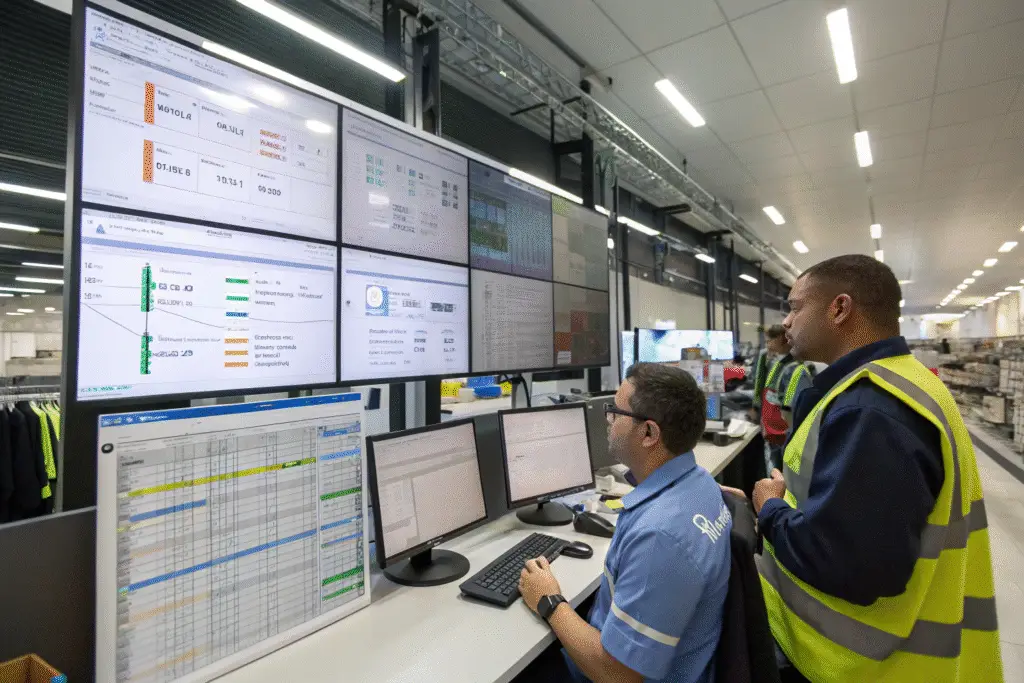
Modern manufacturing execution systems (MES) track production in real-time, identifying delays immediately rather than days later. These systems monitor machine utilization, operator efficiency, and material flow—all factors that impact lead time accuracy. We've integrated IoT sensors on our cutting machines that alert us to maintenance needs before they cause downtime. This predictive approach prevented a potential 2-day delay for a Miami swimwear brand when we identified an emerging bearing issue and repaired it during a scheduled break rather than waiting for failure.
What production planning methodologies matter?
Robust manufacturers use formal production planning methodologies like Theory of Constraints, Lean Manufacturing, or Critical Path Method. We employ TOC principles to identify and manage bottlenecks before they impact lead times. This approach helped us reduce lead time variability from ±7 days to ±2 days over three years. A Canadian workwear brand specifically chose us because we could explain our bottleneck management strategy—they'd been burned by manufacturers who couldn't articulate how they ensured timeline reliability.
How should manufacturers communicate timeline risks?
Trust is built not just when timelines are met, but when potential problems are communicated early and managed proactively.
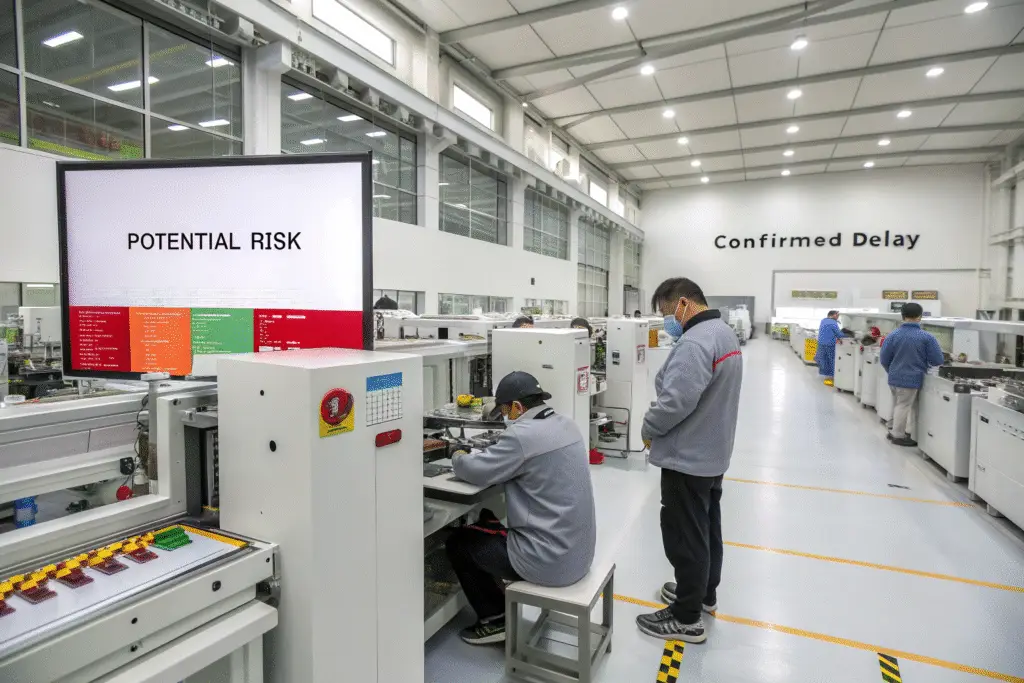
Reliable manufacturers establish clear communication protocols for timeline risks, including regular progress updates, immediate notification of potential delays, and collaborative problem-solving when issues arise. At Shanghai Fumao, we implement a color-coded alert system that automatically notifies clients when their order reaches yellow (potential risk) or red (confirmed delay) status. This system recently helped a London fashion brand manage expectations when a fabric shipment was delayed by weather—we notified them while the fabric was still in transit, giving them 5 days to adjust their marketing launch plan.
What proactive communication should you expect?
Trustworthy partners provide weekly production updates with photographic evidence, immediate notification of any deviation from the planned schedule, and regular capacity planning forecasts. We've found that clients value our "no surprises" approach—even when the news isn't positive. A San Francisco tech company appreciated that we flagged a potential 3-day delay 12 days before it was likely to occur, giving them time to air freight a portion of their order to meet a critical event date while the balance shipped via ocean.
How are contingencies and backups managed?
Reliable manufacturers maintain backup suppliers for critical materials, cross-trained staff for key processes, and buffer capacity for unexpected opportunities or challenges. We maintain relationships with alternative suppliers for 85% of our raw materials, which proved crucial when a zipper supplier had a factory fire last year. While competitors faced 4-week delays, we shifted to our backup supplier within 2 days, protecting our clients' timelines. This redundancy costs us 3-5% in additional procurement expenses but represents our commitment to lead time reliability.
What role does capacity management play in reliability?
A manufacturer's approach to capacity management directly impacts their ability to deliver on promised timelines. Overloaded facilities inevitably miss deadlines.
Responsible manufacturers maintain 15-25% buffer capacity for unexpected issues, rush orders, and quality rectification. We carefully manage our capacity at 80-85% utilization, which allows us to accommodate reasonable expedited requests without compromising existing commitments. This approach recently helped us accept a 1,200-piece rush order from a Los Angeles brand without delaying any other clients—a flexibility that's impossible for manufacturers consistently running at 95%+ capacity.
How does capacity affect lead time promises?
Manufacturers operating near maximum capacity often provide optimistic lead times knowing they'll need to delay some orders. We're transparent about our current capacity status during sales discussions, even when this means potentially losing business. This honesty recently helped a Berlin sustainable brand understand why our lead time was 5 days longer than a competitor's—we were at 82% capacity while they discovered later the competitor was at 96% and consistently missing dates. The brand appreciated our transparency and accepted the slightly longer but more reliable timeline.
What questions reveal capacity truth?
Ask specific questions about current capacity utilization, how they handle capacity conflicts, and their policy on accepting overload. Request examples of when they've declined business due to capacity constraints. Inquire about their staffing model during peak seasons and how they manage overtime. When a Tokyo apparel brand asked us these questions, we shared our seasonal hiring plan and cross-training approach that ensures consistent capacity regardless of vacation periods or unexpected absences.
Conclusion
Trusting a manufacturer's lead time promise requires looking beyond the number itself to the systems, data, and transparency behind it. Reliable partners provide evidence-based commitments, proactive communication, and contingency planning—not just optimistic estimates. The most successful manufacturing relationships are built on verified performance rather than hopeful promises.
If you're tired of lead time surprises and want a manufacturing partner who treats your timeline with the same importance you do, we invite you to experience the Shanghai Fumao difference. Our systematic approach to lead time management has delivered 98%+ on-time performance for three consecutive years. Contact our Business Director Elaine at elaine@fumaoclothing.com to discuss how our transparent and reliable production planning can bring predictability to your supply chain.