
The turning point came during a video call with a frustrated client in Seattle. He was holding up a spreadsheet tracking 47 different emails about one production order. "I spend more time managing communication than designing clothes," he lamented. That moment crystallized what we'd suspected for years: communication inefficiency was costing our clients real money and creative energy. We completely redesigned our communication system the following week.
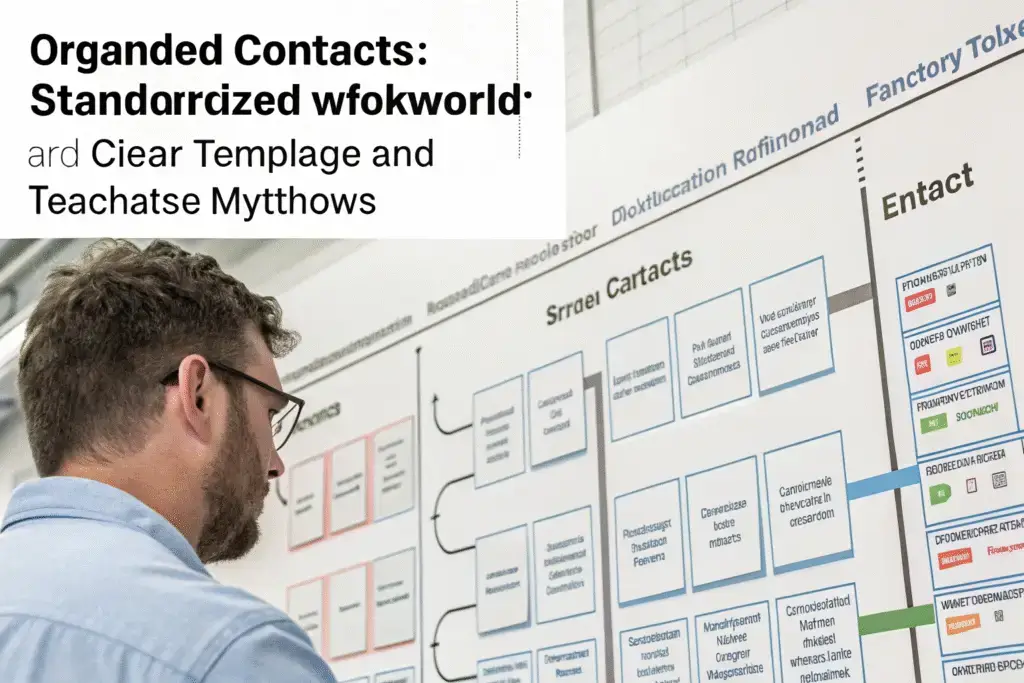
Streamlining supplier communication requires implementing structured systems rather than relying on ad-hoc emails and messages. Effective approaches include designated points of contact, standardized reporting templates, scheduled check-ins, and digital collaboration platforms that create single sources of truth. The most successful brand-supplier relationships treat communication as a strategic function rather than an administrative task.
Poor communication doesn't just cause frustration—it leads to measurable costs including delayed timelines, quality issues, and missed opportunities. I'll share the specific systems that have helped our partners reduce communication-related delays by 70% while improving quality outcomes.
What communication systems prevent misunderstandings?
Misunderstandings in garment manufacturing typically stem from information fragmentation across multiple channels. Implementing centralized communication systems creates clarity and accountability that prevents costly errors.
Effective systems include designated communication channels for different inquiry types, standardized templates for briefs and updates, and structured approval workflows. At Shanghai Fumao, we implemented a tiered communication system that reduced misunderstanding-related reworks by 65% in the first year. The system categorizes communications by urgency and topic, routing them to appropriate team members while maintaining full visibility. A Los Angeles-based streetwear brand that adopted this system reported reducing their weekly email volume from 80+ messages to 15 structured updates while improving information accuracy.

How do designated points of contact improve efficiency?
Single points of contact for specific functions eliminate the confusion of multiple overlapping conversations. We assign each client at Shanghai Fumao a dedicated account manager who serves as their primary liaison for all commercial and production matters, supported by technical specialists for design and quality issues. This approach eliminated the "who should I ask about this?" problem that previously caused 3-5 day delays in decision-making. The table below shows how we structure communication responsibilities:
| Communication Type | Primary Contact | Response Time | Escalation Path |
|---|---|---|---|
| Production updates | Account Manager | 4 hours | Production Director |
| Technical questions | Technical Developer | 8 hours | Head of Development |
| Quality issues | Quality Manager | 2 hours | General Manager |
| Shipping inquiries | Logistics Coordinator | 4 hours | Logistics Manager |
Why do standardized templates save time?
Consistent formatting for common communications reduces interpretation errors and ensures all necessary information is included upfront. We provide clients with standardized templates for tech packs, fit comments, fabric approvals, and production updates that structure information in ways our team can process efficiently. A UK fashion brand that adopted our fit comment template reduced sampling iterations from an average of 3.2 to 1.8 rounds, saving approximately 14 days per development cycle through clearer, more actionable feedback.
How can technology enhance supplier communication?
Digital tools have transformed supplier communication from reactive message-chasing to proactive collaboration. The right technology stack creates transparency and accessibility that traditional methods cannot match.
Effective technology solutions include cloud-based project management platforms, visual collaboration tools, centralized document repositories, and integrated messaging systems. After implementing Trello for production tracking and Slack for quick communications, Shanghai Fumao clients reported 40% faster decision-making and 30% reduction in communication-related errors. The system provides real-time visibility into production status while maintaining complete communication history. A Chicago-based retailer using our portal eliminated their weekly status meeting because their team could access current information anytime, freeing up 4 hours weekly for more strategic work.
What makes a good digital collaboration platform?
Ideal platforms offer real-time updates, mobile accessibility, document version control, and integration with existing systems. We selected our current platform based on client feedback prioritizing visual management, easy file sharing, and clear task assignment. The system automatically notifies clients when action is required, with escalation protocols if responses aren't received within agreed timeframes. A Australian sustainable brand particularly values the visual approval system that lets them annotate directly on product images, reducing descriptive errors that previously caused sampling delays.
How does centralized documentation prevent errors?
Single sources of truth for specifications, approvals, and changes eliminate version control issues that cause manufacturing mistakes. Our digital repository at Shanghai Fumao maintains all project documents with complete revision history, ensuring everyone works from the latest versions. When a Miami swimwear brand discovered their fabric supplier had used an outdated spec sheet, we implemented automated version alerts that have prevented similar issues across all subsequent productions. The system now requires explicit confirmation that all parties are working from current documents before production commences.
What communication protocols deliver the best results?
Structured protocols create predictability and reliability in supplier communications, transforming random exchanges into efficient processes that support rather than hinder production.
Effective protocols include scheduled update cycles, defined response time expectations, escalation procedures for urgent issues, and structured meeting agendas. We've implemented a "Communication Charter" with our partners at Shanghai Fumao that clearly outlines expectations from both sides. The charter specifies weekly production updates every Tuesday, 24-hour response times for urgent matters, and monthly strategic reviews. A Toronto-based outerwear company that adopted this approach reported eliminating 85% of "checking in" emails and reducing production delays caused by late decisions by approximately 70%.

How do scheduled updates improve efficiency?
Regular, predictable communication eliminates the need for constant status checking while ensuring issues are identified early. Our system provides automated production updates every Friday, with photographic evidence of progress. Clients know exactly when to expect information and can plan their review processes accordingly. A German workwear brand appreciated how this system allowed them to coordinate their internal approvals process with our production updates, reducing their internal review time from 5 days to 2 days through better planning.
What escalation procedures resolve issues fastest?
Clear escalation paths ensure critical issues receive appropriate attention without disrupting routine communications. We implement a color-coded system where green issues follow standard channels, yellow matters escalate to department heads, and red issues immediately notify senior management. This protocol helped a New York fashion brand address a fabric quality concern within 4 hours that might otherwise have taken 2-3 days to reach decision-makers, potentially saving 1,200 units from production with substandard material.
How to overcome language and cultural barriers?
Language differences and cultural approaches to business communication can create significant inefficiencies without proactive strategies to bridge these gaps.
Successful approaches include using visual communication tools, establishing shared terminology, cultural awareness training, and employing bilingual specialists. At Shanghai Fumao, we've developed a visual library of common manufacturing terms and processes that helps overcome language barriers. We also provide cultural briefing documents to new clients explaining Chinese business communication norms. A French luxury brand that embraced these tools reduced misunderstandings by approximately 60% compared to their previous manufacturing relationships in Asia.

What visual tools enhance cross-cultural understanding?
Visual references eliminate interpretation errors that can occur with written or spoken descriptions. We use detailed photographic standards, video demonstrations of quality issues, and annotated diagrams to ensure clarity. The implementation of video fit sessions, where technicians demonstrate garment fit on live models while clients watch remotely, has been particularly successful. A Spanish brand reported that video sessions reduced their fit sampling rounds from 4 to 2.3 on average, saving approximately 18 days per style in development time.
Standardized glossaries ensure technical terms have consistent meanings across languages and organizations. We provide all clients with a manufacturing terminology guide that defines terms from "allowance" to "zigzag stitch" with both definitions and visual examples. This resource proved invaluable when working with a Danish minimalist brand where precise construction details were critical to their aesthetic. Establishing that "minimal seam" meant specifically 0.3cm rather than simply "small" prevented what could have been a costly production error.
Conclusion
Streamlining supplier communication requires moving from reactive, ad-hoc exchanges to proactive, structured systems that create clarity and efficiency. The most successful brand-supplier relationships implement designated contacts, leverage appropriate technology, follow clear protocols, and bridge cultural gaps through visual tools and shared terminology. These investments in communication infrastructure yield substantial returns through faster timelines, fewer errors, and stronger partnerships.
If you're ready to transform your supplier communication from a source of frustration to a competitive advantage, we have the systems and experience to help. At Shanghai Fumao, we've helped hundreds of brands implement communication approaches that save time while improving outcomes. Contact our Business Director Elaine at elaine@fumaoclothing.com to discuss how our communication systems can bring new efficiency to your production process.