The email arrived at 10 PM on a Tuesday. A long-term client in Chicago needed answers immediately: "Why is our new performance fabric failing after three washes? We're already in production!" The culprit? Skipped fabric testing to save two weeks. That $18,000 "time saving" cost them $47,000 in reproduction and delayed their spring launch by a month. This painful lesson taught me that fabric testing isn't a delay—it's your most valuable timeline insurance.
Fabric testing typically adds 7-21 days to your development timeline but prevents catastrophic delays of 30-60 days from production failures, returns, or compliance violations. Strategic testing approaches can optimize this investment, balancing speed with essential quality assurance. The key is understanding which tests are mandatory versus situational, and how to integrate testing seamlessly into your development flow.
Proper testing isn't about slowing you down—it's about ensuring you actually reach the finish line with sellable products. Let me show you how smart brands use testing to accelerate their overall time to market by preventing disasters.
What are the essential fabric tests and their timelines?
Not all tests are created equal. Understanding which tests deliver the most value for your specific product type helps you allocate testing time wisely while maintaining quality standards.
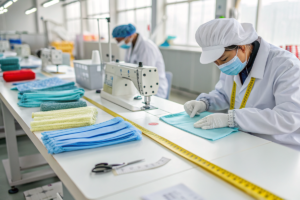
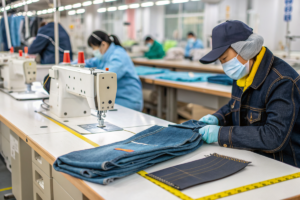
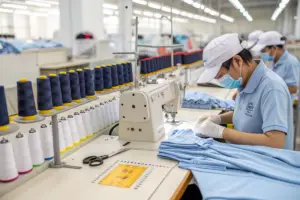
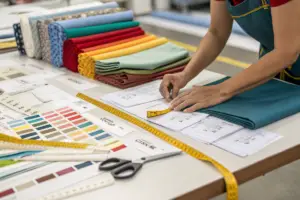
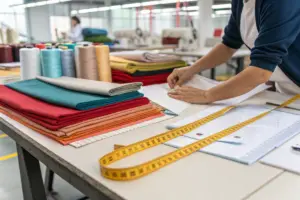
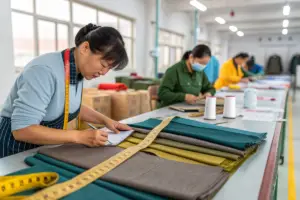
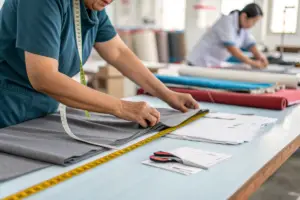
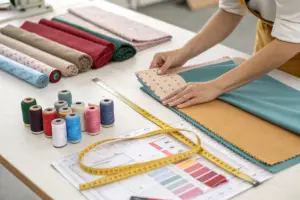
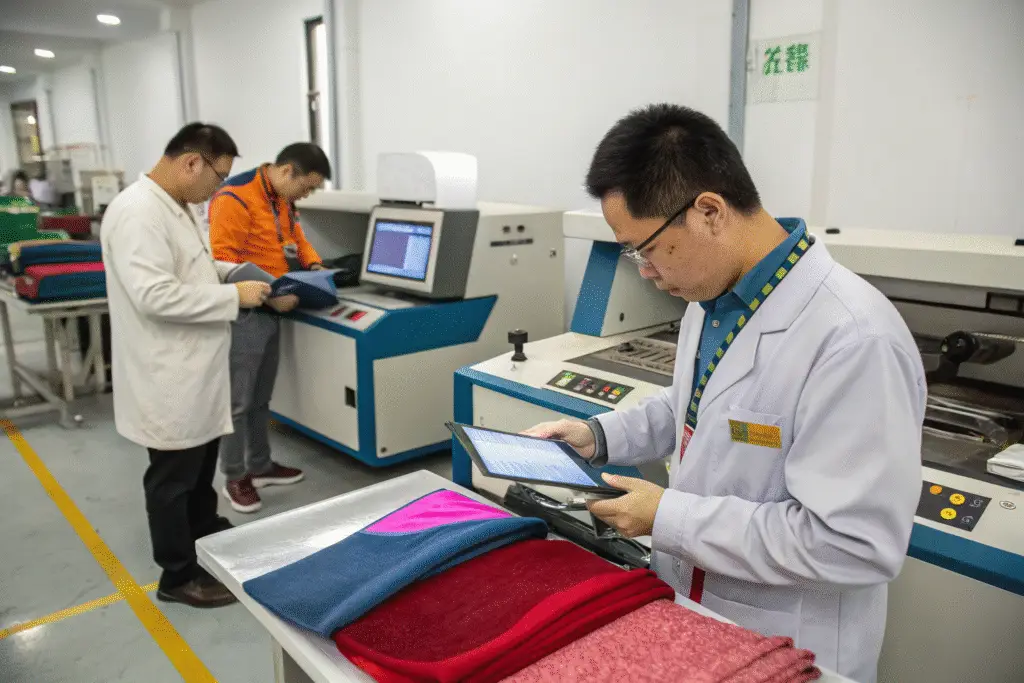
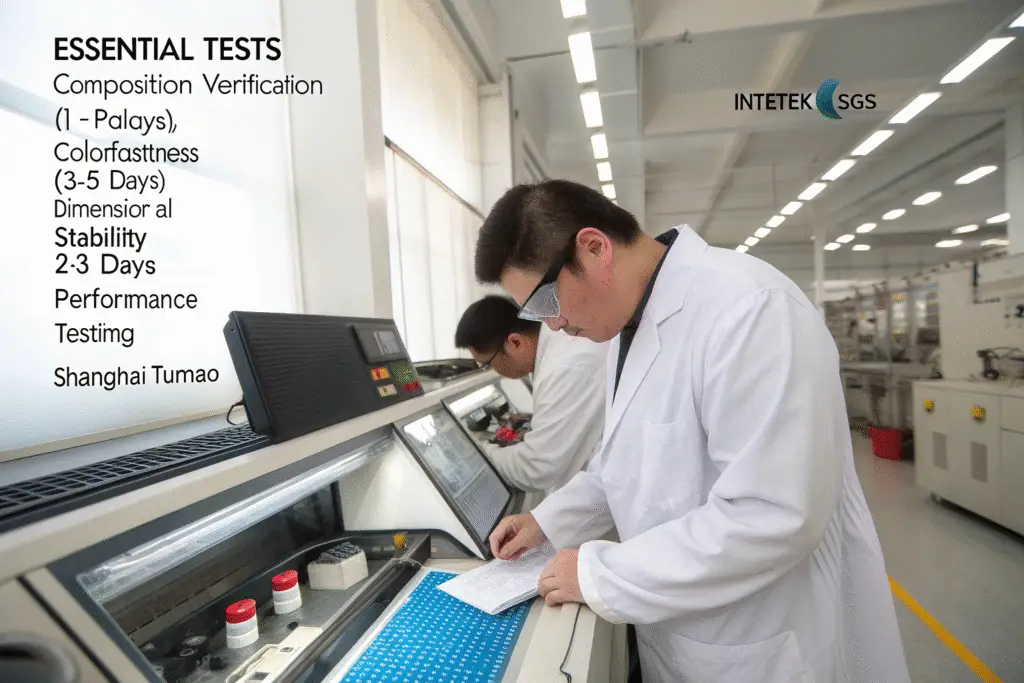
The essential tests include composition verification (1-2 days), colorfastness (3-5 days), dimensional stability (2-3 days), and performance testing specific to your product category (5-10 days). At Shanghai Fumao, we maintain an in-house lab for basic tests and partner with certified third-party labs like Intertek and SGS for comprehensive validation. This hybrid approach allows us to conduct preliminary testing while waiting for formal certification. Last quarter, this system helped a sportswear brand identify a pilling issue in their new knit fabric within 48 hours, saving them from a potential 4-week delay later in production.
Which tests are non-negotiable for compliance?
Safety and compliance tests cannot be skipped without significant legal and reputational risk. These include flammability testing (for children's sleepwear and protective clothing), chemical restriction compliance (REACH, CPSIA), and fiber content verification. The Consumer Product Safety Commission mandates specific flammability standards that carry severe penalties for violations. We recently worked with a children's wear brand that discovered elevated lead levels through routine testing—catching this before production saved them from what could have been a devastating recall and regulatory action.
How does product type determine testing requirements?
Different product categories require specialized testing protocols. The table below shows how testing emphasis varies by product type:
| Product Category | Critical Tests | Typical Duration |
|---|---|---|
| Performance Activewear | Moisture management, stretch recovery | 7-10 days |
| Children's Wear | Chemical safety, durability | 10-14 days |
| Luxury Wovens | Colorfastness, pilling, drape | 5-8 days |
| Outerwear | Water resistance, seam strength | 8-12 days |
| Basic Knits | Shrinkage, composition, pilling | 4-6 days |
How can you optimize testing to save time?
Strategic testing approaches can compress timelines without compromising quality. The most efficient brands don't test less—they test smarter through parallel processes, strategic sampling, and trusted manufacturer partnerships.
Time optimization comes from conducting tests in parallel rather than sequentially, using pre-certified fabrics, and implementing risk-based testing priorities. We help our partners at Shanghai Fumao create testing matrices that identify which tests can run simultaneously versus which must wait for previous results. A denim brand we work with reduced their testing timeline from 21 to 12 days by conducting colorfastness and composition verification simultaneously while their prototype was being developed. This approach required closer coordination but delivered significant time savings.
What is the role of pre-certified fabrics?
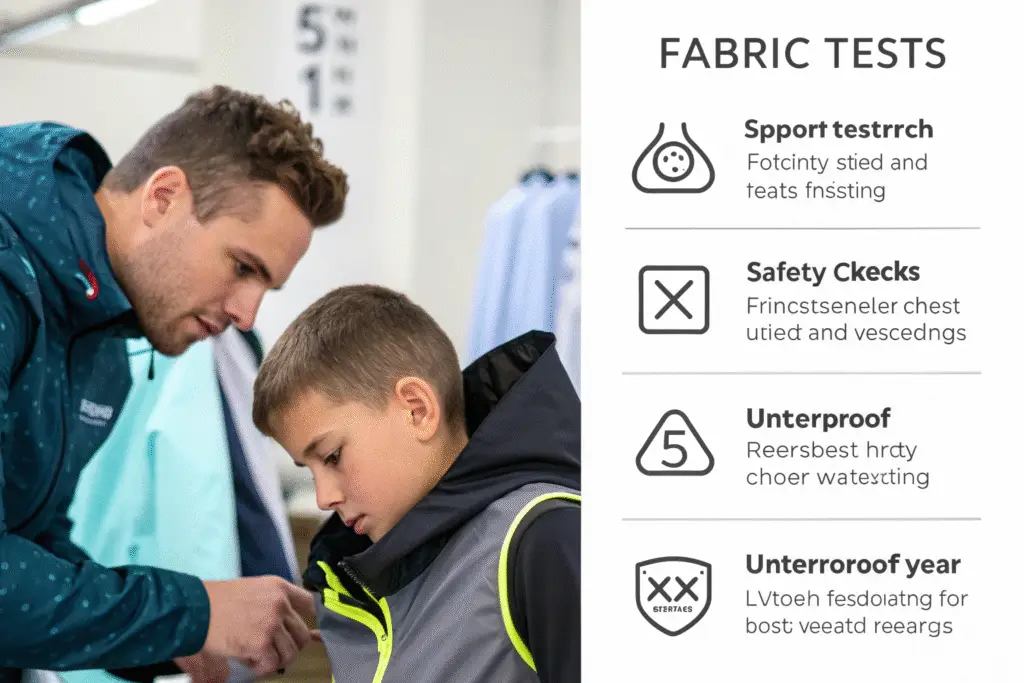
Pre-certified fabrics from trusted mills can reduce testing timelines by 5-10 days. These fabrics come with existing test reports for basic properties, allowing you to focus validation on product-specific requirements. Our fabric library at Shanghai Fumao includes hundreds of pre-tested materials with current certification, which has helped brands like a San Francisco-based activewear company accelerate their development cycle by 40%. When they needed to launch a new yoga collection in just 8 weeks, using our pre-certified performance fabrics saved them 12 days of testing time.
How does risk assessment prioritize testing?
Not all tests carry equal importance for every product. A risk-based approach focuses resources on tests that matter most for your specific application. For example, a swimwear brand would prioritize chlorine resistance and UV protection testing, while a winter coat manufacturer would emphasize waterproofing and thermal insulation. We helped a workwear company prioritize abrasion resistance and tear strength testing over some colorfastness measures, saving 4 days while maintaining focus on their customers' most important quality requirements.
What are the real costs of skipping fabric tests?
The apparent time savings from skipping tests often mask much larger costs that emerge later in the product lifecycle. Understanding these hidden costs helps justify the testing timeline investment.
The costs include production rework (25-40% of original cost), lost sales from delayed launches, return processing (15-30% of sale price), and brand reputation damage. A contemporary fashion brand we worked with learned this lesson painfully when they skipped pilling tests on a new sweater fabric to save 5 days. The resulting customer returns reached 34%, costing them $82,000 in refunds and processing—far exceeding the $3,200 testing would have cost. Their customer satisfaction scores dropped 22 points and haven't fully recovered six months later.

How do testing failures typically manifest in production?
Common production failures from inadequate testing include color bleeding during garment dyeing, shrinkage beyond tolerance during washing, seam failure under stress, and pilling after minimal wear. Last year, we identified a shrinkage issue with a new supplier's cotton jersey during testing—catching this before cutting saved 4,000 units of t-shirts from being produced 8% smaller than specification. The $6,000 testing investment prevented $38,000 in potential losses and a missed delivery deadline for a major retail account.
What is the true timeline impact of production failures?
When fabric issues emerge during or after production, the timeline impact extends far beyond the original testing period would have been. A typical failure discovered during production adds 3-4 weeks for resourcing materials, while post-production failures can cause 6-8 week delays for reproduction and redistribution. A European retailer we consulted with faced a 9-week delay when their fabric failed colorfastness testing at the port of entry—a issue that would have been identified in 5 days with proper pre-production testing.
How does integrated testing accelerate overall development?
When testing is integrated strategically rather than treated as a separate phase, it can actually accelerate your overall development timeline by preventing iterations and ensuring right-first-time execution.
Integrated testing means conducting initial validation during material selection rather than after design finalization. This front-loaded approach identifies potential issues when changes are easier and less costly to make. At Shanghai Fumao, we've reduced our clients' overall development time by 15-20% by testing fabric candidates during the design phase rather than after prototype approval. A technical outerwear brand achieved their fastest-ever development cycle (12 weeks instead of their usual 16) by testing waterproof membranes and seam sealing simultaneously with their design development.
What testing technologies deliver faster results?
Modern testing equipment and methodologies can compress traditional timelines. Digital color measurement systems provide immediate color consistency data, automated tensile testers process multiple samples simultaneously, and accelerated aging tests simulate long-term wear in days rather than months. We've invested in advanced testing equipment that provides preliminary results within 24-48 hours for most basic tests, allowing for quicker go/no-go decisions during fabric development. This capability helped a fast-fashion brand make material selection decisions 5 days faster than their previous process.
How can testing data prevent design iterations?
Comprehensive testing data informs design decisions that prevent multiple prototype rounds. Knowing a fabric's exact stretch properties, shrinkage behavior, and durability characteristics allows designers and pattern makers to create designs that work with the material's properties rather than against them. We provided a dress brand with detailed drape and bias stretch data that enabled them to perfect their pattern on the first attempt, eliminating two revision rounds and saving 11 days in their development schedule.
Conclusion
Fabric testing represents one of the highest-return investments in your development timeline. While it typically adds 1-3 weeks to your schedule, this investment prevents catastrophic delays of 1-2 months from production failures, compliance issues, or customer returns. The most successful brands view testing not as a bottleneck but as a strategic accelerator that ensures they reach market with products that perform as promised.
If you're looking to optimize your testing strategy without compromising quality, we have the experience and infrastructure to help. At Shanghai Fumao, we've helped hundreds of brands navigate the balance between speed and validation. Contact our Business Director Elaine at elaine@fumaoclothing.com to discuss how our integrated testing approach can protect your timeline while ensuring your product quality.