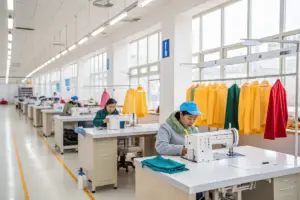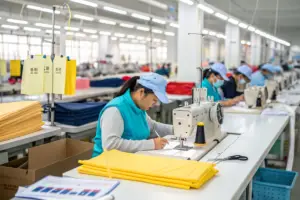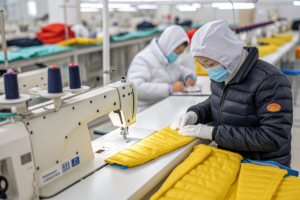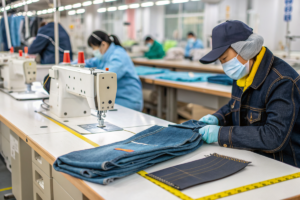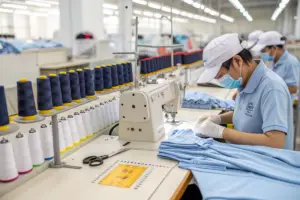
I'll never forget the phone call I received three years ago from a distressed American brand owner. One of his competitors had been exposed for using unethical manufacturing practices, and the resulting consumer backlash was affecting his business too—even though he had nothing to do with the situation. "How do I prove my clothes are made responsibly?" he asked me. That conversation changed how we approach sourcing at our factory forever.
Transparent sourcing is no longer optional for brand owners; it's a fundamental business requirement that builds consumer trust, mitigates supply chain risks, and creates competitive advantage. It means knowing and sharing where your materials come from, who makes your products, and under what conditions—moving beyond vague claims to verifiable evidence. In today's market, opacity is becoming as damaging as poor quality.
Let me explain why this shift is happening and how embracing transparency can transform your brand's relationship with customers, regulators, and your manufacturing partners.
How does transparent sourcing build consumer trust?
Today's consumers are better informed and more skeptical than ever before. They've been exposed to greenwashing scandals and labor violations, making them question brand claims. Transparent sourcing provides the evidence needed to rebuild this broken trust.
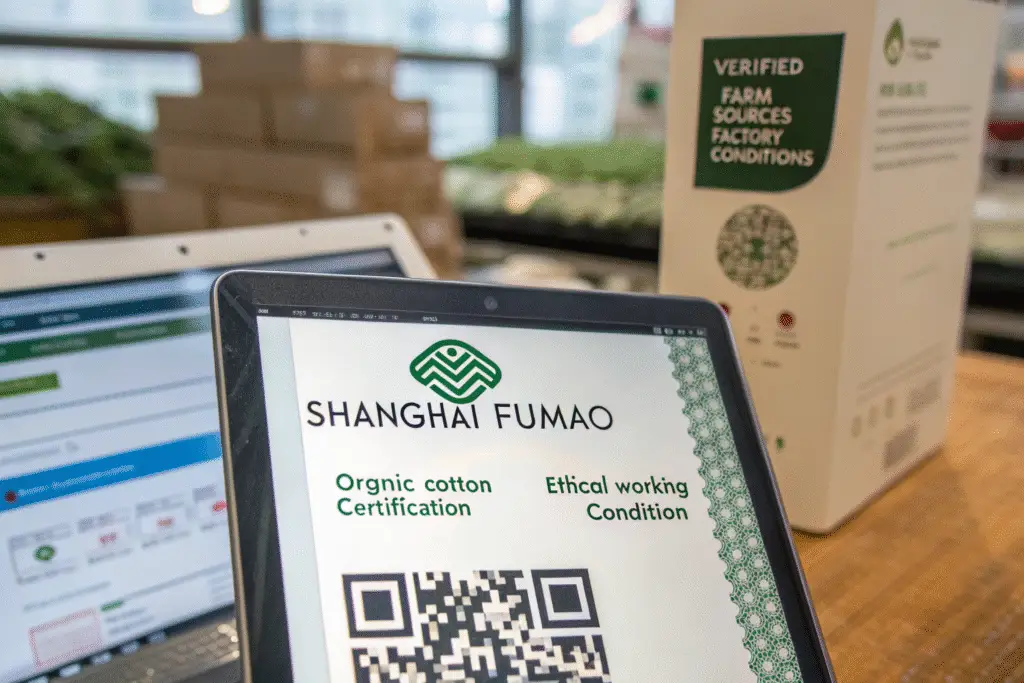
Transparent sourcing builds consumer trust by replacing marketing claims with verifiable information. When you can show your organic cotton comes from certified farms or your factory maintains ethical working conditions, you give consumers reasons to believe in your brand. We've seen this firsthand with our partners at Shanghai Fumao—brands that share their sourcing stories through QR codes on labels or detailed website content consistently report higher customer loyalty and willingness to pay premium prices. One of our German sportswear partners implemented full supply chain transparency last year and saw their customer retention rate increase by 28% within six months.
What information do modern consumers expect?
Modern consumers expect specific, verifiable information about environmental impact, labor conditions, and material origins. They want to know which factories produced their garments, what certifications those facilities hold, and the journey materials took from source to store. According to recent Fashion Revolution surveys, 75% of consumers are more likely to trust brands that provide detailed information about their manufacturing partners. Another study by McKinsey & Company found that brands sharing comprehensive sourcing information grew 5-7% faster than competitors during economic uncertainty.
How can transparency become your competitive advantage?
In a crowded marketplace, transparency differentiates authentic brands from those making empty claims. When you can trace your merino wool back to specific Australian farms or verify your recycled polyester content through certified documentation, you create stories that competitors can't easily replicate. A Swedish children's wear brand we work with uses their transparent sourcing as their primary marketing message, highlighting their GOTS certified cotton and SA8000 certified factory—attributes that have helped them secure premium retail placements and command 20% higher price points than comparable competitors.
What are the business risks of opaque supply chains?
Opaque supply chains represent significant hidden liabilities that can damage brands financially and reputationally. When you don't know your full supply chain, you're essentially hoping nothing goes wrong—a dangerous strategy in today's interconnected world.
The business risks include compliance violations, reputational damage, supply disruptions, and financial losses. Regulatory frameworks like the Uyghur Forced Labor Prevention Act in the U.S. now require brands to prove their supply chains are free from forced labor, with severe penalties for non-compliance. Beyond regulations, the financial impact can be devastating—we've seen brands lose retail partnerships worth millions after being unable to verify their sourcing practices during routine audits. One mid-sized American brand we consulted with faced a 40% stock price drop after a supplier's unethical practices were revealed, despite the brand claiming ignorance about the situation.

How can transparency prevent supply chain disruptions?
Transparent sourcing creates supply chain resilience by identifying vulnerabilities before they cause disruptions. When you know your second-tier suppliers and their geographic locations, you can anticipate and mitigate risks from weather events, political instability, or supplier financial problems. Last year, when COVID lockdowns affected one Chinese region, our transparent partners at Shanghai Fumao could immediately identify which components were at risk and activate alternative suppliers—while brands with opaque supply chains faced months of delays. This proactive approach prevented an estimated 3-4 week production delay for our prepared clients.
What compliance requirements mandate transparency?
Beyond consumer expectations, legal and regulatory requirements are making transparency mandatory. The European Union's EU Strategy for Sustainable and Circular Textiles requires detailed digital product passports by 2025. California's Transparency in Supply Chains Act demands disclosure of efforts to eliminate slavery and human trafficking. France's Duty of Vigilance Law holds companies legally responsible for human rights and environmental impacts throughout their supply chains. These regulations signal a global shift toward mandatory transparency, making early adoption a strategic advantage rather than just an ethical choice.
How to implement transparent sourcing practically?
Many brand owners feel overwhelmed by the prospect of implementing transparent sourcing, but the journey begins with simple, practical steps rather than perfect comprehensive systems. The key is starting somewhere and building progressively.
Practical implementation begins with mapping your tier-one suppliers, then gradually expanding visibility deeper into your supply chain. We help our partners start with basic documentation of factory audit reports, material certifications, and transportation records. From there, we implement digital tools like blockchain for raw material tracing and regular third-party verification. The most successful implementations we've seen follow a phased approach over 12-18 months, rather than attempting complete transformation overnight. One of our Spanish fashion partners started by transparently sourcing just five key materials, then expanded over three seasons to cover their entire collection.

What documentation proves transparent sourcing?
Credible transparency requires specific documentation that can be verified. Key documents include factory social compliance audits (like SMETA or BSCI), environmental certifications (such as GOTS or OCS), material safety test reports (including OEKO-TEX Standard 100), and supply chain mapping documents. Transaction certificates for recycled materials ensure claims are backed by mass balance accounting. Importantly, these documents should be current—audit reports older than two years have limited credibility. We maintain a digital repository for all our partners at Shanghai Fumao, making certification documents accessible for their sales and marketing teams.
How can technology support sourcing transparency?
Modern technology solutions have made transparency more accessible and affordable than ever. Blockchain platforms create immutable records of material provenance. QR codes on care labels connect consumers directly to supply chain stories. Digital product passports consolidate certification data in standardized formats. Supplier management platforms automate compliance monitoring and risk assessment. We've integrated these technologies gradually at our facility, starting with simple digital record-keeping and expanding to full traceability systems. The initial investment has paid dividends in streamlined compliance reporting and strengthened brand partnerships.
What measurable benefits does transparency deliver?
While transparency requires investment, the returns are measurable across multiple business dimensions—from risk reduction to revenue growth. The key is tracking the right metrics to demonstrate business value.
Measurable benefits include reduced compliance costs, faster product development cycles, higher conversion rates, and improved investor confidence. Brands practicing transparent sourcing report 30-50% faster onboarding of new retail accounts due to simplified compliance vetting. Marketing campaigns based on authentic sourcing stories typically achieve 15-25% higher engagement rates than generic product campaigns. Perhaps most importantly, transparent brands recover more quickly from supply chain disruptions—saving an estimated 3-5% in operational costs during crisis periods.

How does transparency impact production efficiency?
Contrary to common assumptions, transparency often improves production efficiency rather than hindering it. When factories know their practices are being monitored and shared, they typically implement more systematic processes with better documentation. This standardization reduces errors, improves quality consistency, and shortens lead times. At our facility, implementing transparent processes helped reduce fabric waste by 18% and improved on-time delivery from 92% to 97% over two years. The discipline of transparency created operational benefits that outweighed the administrative costs.
Can transparency actually reduce costs?
While transparency requires initial investment, it generates cost savings through risk avoidance, operational efficiencies, and premium pricing. The cost of a single compliance violation or reputational crisis typically far exceeds the investment in transparent systems. Additionally, transparent sourcing often identifies opportunities to streamline material specifications, consolidate suppliers, and reduce quality-related returns. A UK menswear brand we partner with found that their transparency initiative paid for itself within 18 months through reduced auditing costs, fewer product returns, and higher full-price sell-through rates.
Conclusion
Transparent sourcing has evolved from a niche concern to a core business imperative. The brands embracing this shift are building deeper consumer trust, creating competitive differentiation, and future-proofing their operations against increasing regulatory requirements. More importantly, they're transforming their supply chains from potential liabilities into authentic brand stories that resonate with modern consumers.
The journey toward transparency begins with partnership. If you're ready to build a sourcing strategy that matches your brand values, we invite you to experience the Shanghai Fumao difference. Our transparent manufacturing processes and verified supply chain partnerships can help you tell your brand's story with confidence. Contact our Business Director Elaine at elaine@fumaoclothing.com to discuss how we can help you implement transparent sourcing that strengthens your brand and satisfies your customers.