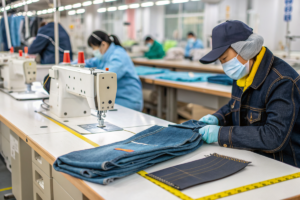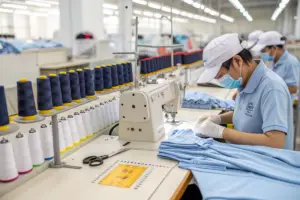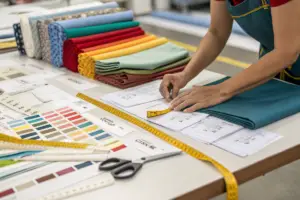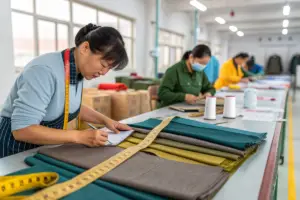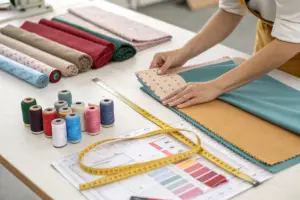
Building a fashion production calendar used to keep me up at night. I remember when we first expanded our factory to serve European markets, we underestimated how different the timelines would be. One delayed fabric shipment could derail an entire collection. After 15 years in garment manufacturing, I've learned that a realistic calendar isn't just a spreadsheet—it's your roadmap to profitability.
A realistic fashion production calendar is a detailed timeline that accounts for every stage from design conception to final delivery, typically spanning 6-8 months for a seasonal collection. It must include buffers for unexpected delays, clear milestones, and align with your manufacturer's capacity and expertise. The most successful brands we work with treat their production calendar as a living document, updating it weekly and sharing it transparently with their manufacturing partners.
Creating this calendar requires understanding both your creative process and the practical realities of global manufacturing. Let me share the framework that has helped our partners consistently launch collections on time.
What are the key phases in fashion production timing?
Understanding the fundamental phases of production is like learning the alphabet before writing a book. Each phase has its own timeline and dependencies that must be respected. When we work with new brands, this is where we start—mapping out their ideal process against manufacturing realities.
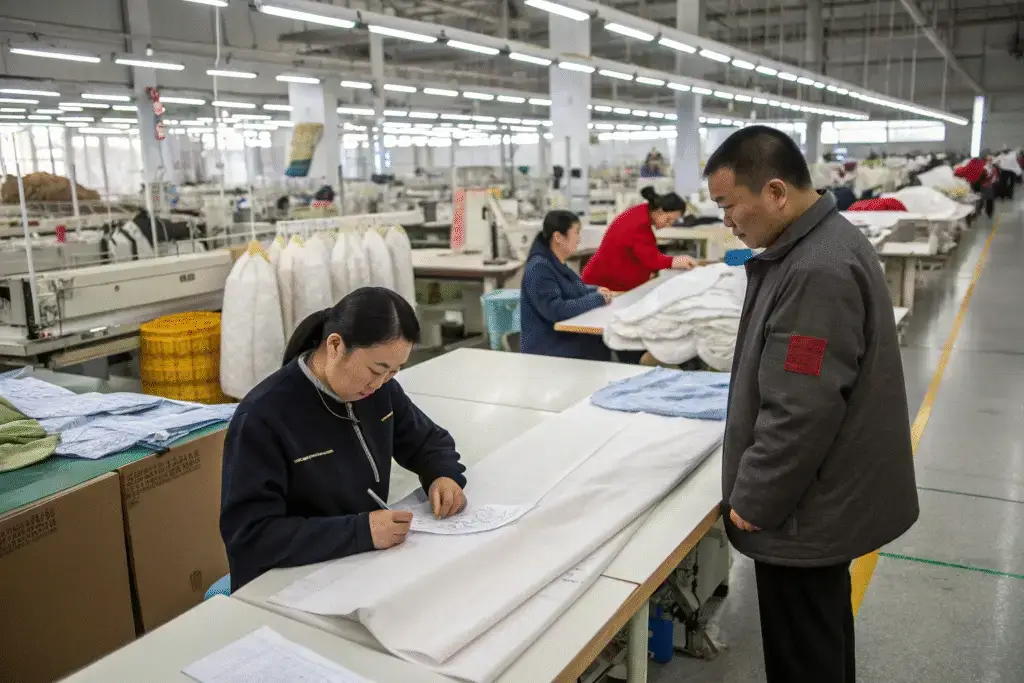
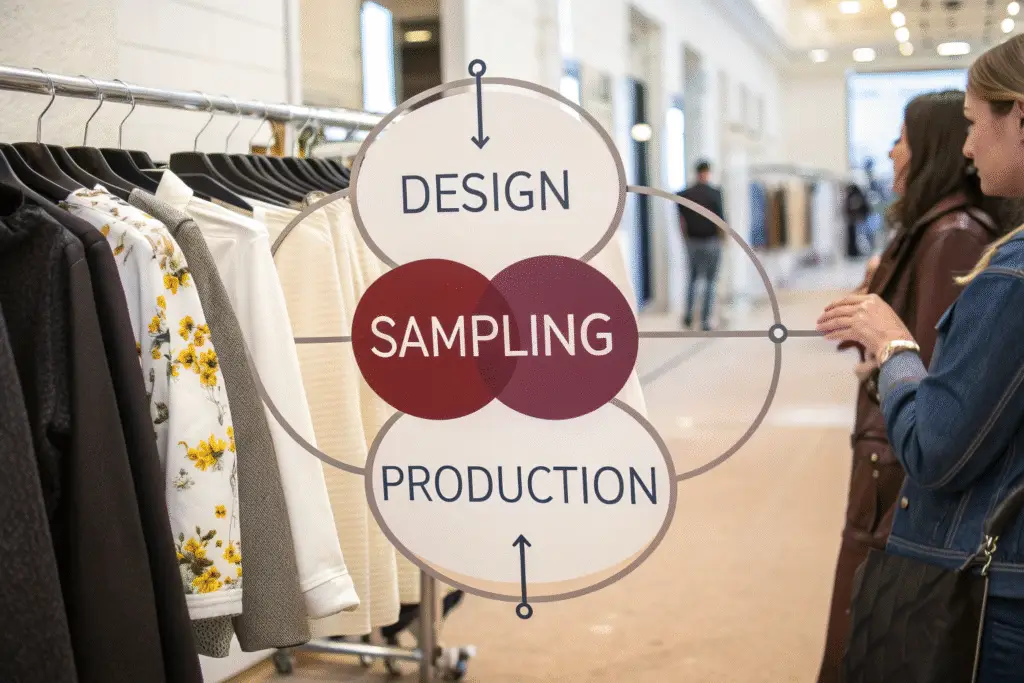
The key phases typically include design and development (4-6 weeks), sampling and fitting (3-5 weeks), pre-production including fabric and trim sourcing (4-6 weeks), production (4-8 weeks), quality control and shipping (3-4 weeks). Last year, a Swedish contemporary brand came to us with only 5 months until their launch date. By streamlining their sampling process and using our pre-approved fabric library, we helped them compress this timeline to 5.5 months without sacrificing quality.
How long does each production phase actually take?
Design and development requires 4-6 weeks for most collections. This includes initial sketches, fabric selection, and creating tech packs. Sampling takes 3-5 weeks for first samples and 2-3 weeks for each revision round. Pre-production requires 4-6 weeks for fabric sourcing, testing, and pattern grading. Production manufacturing needs 4-8 weeks depending on complexity and quantity. Finally, quality assurance and shipping take 3-4 weeks for inspection, packing, and logistics coordination. These timelines assume efficient communication and decision-making from both brand and manufacturer.
Why do you need buffer time between phases?
Buffer time is your safety net against the unexpected. We recommend adding 10-15% additional time between major phases. This accommodates sample revisions, fabric delivery delays, or unexpected quality issues. For instance, a Portuguese brand we work with always builds in two extra weeks between sampling and production. This allowed them to completely redesign a sleeve pattern when their first sample didn't meet expectations, without impacting their final delivery date. Buffers transform potential crises into manageable adjustments.
How to set realistic deadlines for each production stage?
Setting deadlines is both an art and a science. The most common mistake we see is brands working backward from their launch date without understanding manufacturing constraints. This leads to rushed production, quality compromises, and stressed relationships.
Realistic deadlines start with understanding your manufacturer's current capacity and lead times. We always advise our partners at Shanghai Fumao to begin with the production phase and work backward, adding buffers at each stage. For example, if you need delivery by September 1st for holiday selling, production should likely start by early July, meaning all fabrics and trims must be confirmed by mid-May, and designs finalized by early April. This backward planning seems simple, but it requires honest assessment of each phase's true duration.
What questions should you ask your manufacturer about timing?
Ask specific questions: What is your current capacity for my order size? What are your lead times for fabric sourcing with my specific requirements? How many sampling rounds do you recommend for my product category? What is your policy on rush fees for accelerated timelines? How do you handle quality control at each stage? Last month, a UK brand asked us these exact questions, and our detailed answers helped them build a calendar that accounted for our Chinese New Year closure, avoiding what could have been a costly 2-week delay.
How does order complexity affect your timeline?
Complexity is the silent timeline killer. A basic t-shirt order might follow standard timelines, but a collection including technical outerwear, intricate dresses, and customized knitwear will have varying timelines for each category. We recommend creating separate mini-timelines for different product categories within your collection. The table below shows how we typically categorize complexity:
| Complexity Level | Examples | Additional Time Needed |
|---|---|---|
| Basic | T-shirts, basic trousers | Standard timeline |
| Moderate | Dresses with lining, shirts with details | +1-2 weeks |
| Complex | Technical outerwear, intricate knitwear | +3-4 weeks |
| Highly Complex | Custom-developed fabrics, complex construction | +5-6 weeks |
What tools work best for managing production calendars?
The right tools can make calendar management collaborative and proactive rather than reactive. While spreadsheets work for some, we've found that cloud-based project management tools prevent version control issues and keep everyone aligned.
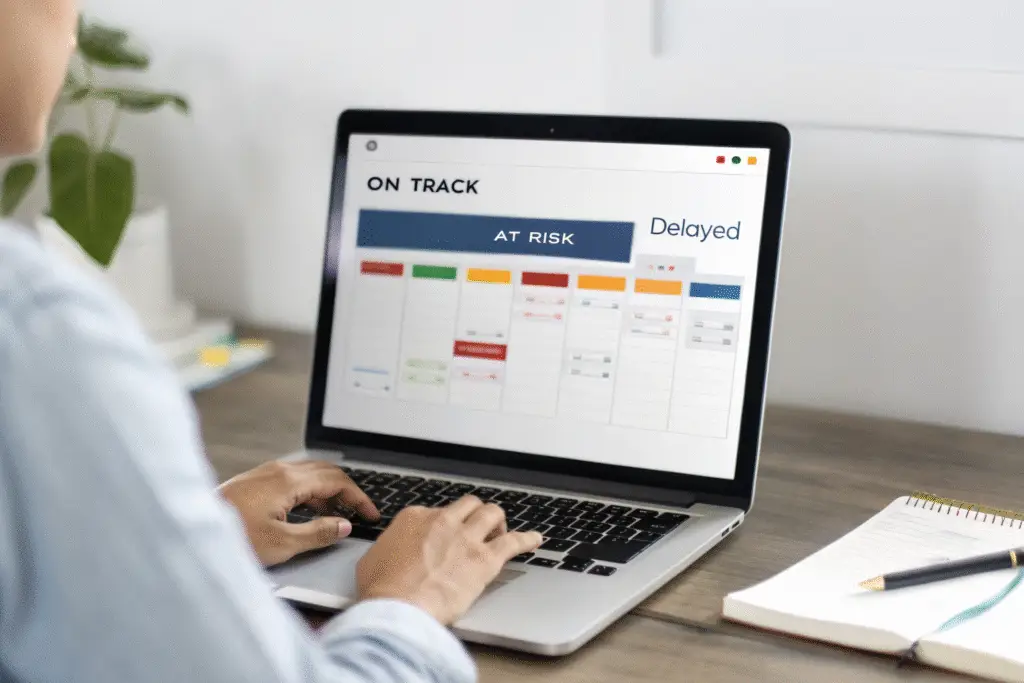
For most of our brand partners, we recommend a combination of tools: A shared Google Sheets template for the high-level timeline, Asana or Trello for task management, and weekly video calls for alignment. We provide all our partners with a customized production portal that shows real-time status of their orders. A Danish sustainable brand we work with uses Smartsheet to track their entire production process, with automated alerts when a phase is completed or delayed. This system reduced their follow-up emails by 70% and eliminated missed deadlines entirely.
How to create a visual production calendar?
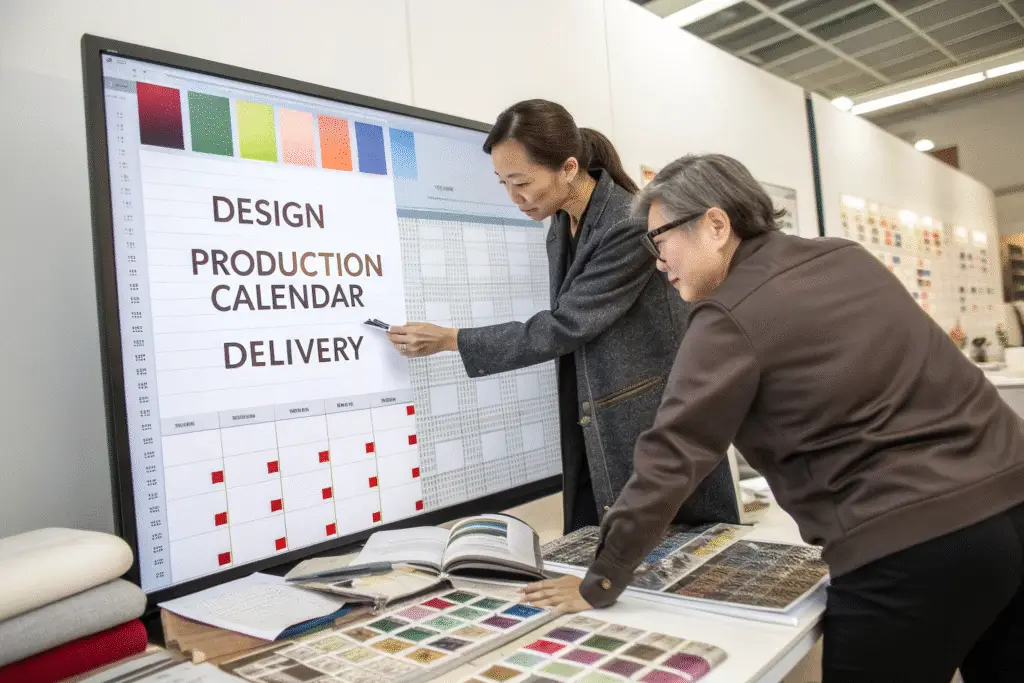
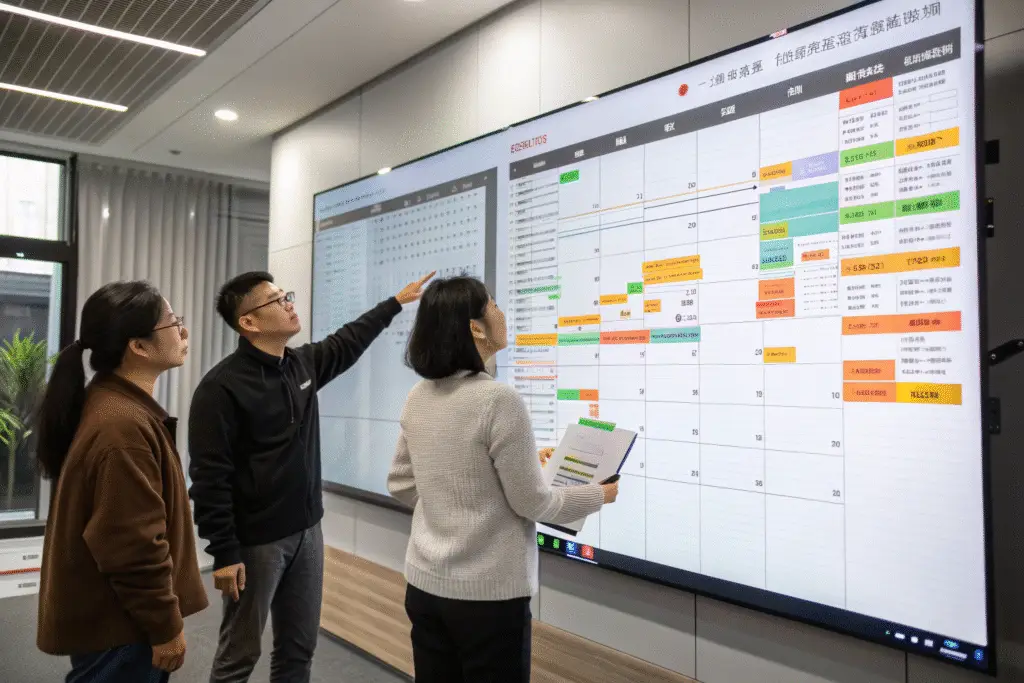
A visual calendar should show the entire production journey at a glance. We recommend using a Gantt chart format that displays parallel processes clearly. Color-code different product categories—for example, blue for knitwear, green for wovens, yellow for accessories. Include clear milestones like "Final Tech Pack Approval," "Fabric Ordered," "First Sample Received," "Production Start," and "Ship Date." The most effective calendars we see also include responsibility columns showing whether an action item is owned by the brand or manufacturer.
Transparency prevents misunderstandings. When manufacturers see your entire timeline, they can flag potential conflicts early. For example, if they see your production dates overlap with another client's large order, they can suggest alternative timing. We at Shanghai Fumao always request to see our partners' full calendars, not just our manufacturing phase. This allowed us to recently warn a French brand that their fabric order timing would conflict with Italian mill holidays, saving them a potential 3-week delay. Shared visibility turns your manufacturer from a vendor into a strategic partner.
How to adjust your calendar when delays occur?
Even with perfect planning, delays happen. The difference between successful and struggling brands is how they respond. Having a contingency plan transforms delays from disasters into manageable adjustments.
When delays occur, communicate immediately with all stakeholders and assess the impact on downstream activities. The key is to identify where time can be recovered without compromising quality. Last quarter, when unexpected port strikes threatened to delay shipping for a German client, we worked with them to adjust their calendar by air freighting their initial stock for launch while sea freighting the bulk inventory. This creative solution required adjusting their marketing launch but preserved their revenue timeline.
What are common production delays and how to handle them?
Common delays include fabric delivery issues (25% of delays), sample revision rounds (20%), production quality problems (15%), and logistics challenges (10%). Having predefined responses for each scenario reduces panic. For fabric delays, consider approved alternatives from your manufacturer's stock library. For sample revisions, prioritize critical fit issues over aesthetic tweaks. For production quality issues, balance the cost of rework against the impact on your brand reputation. The most prepared brands we work with have contingency budgets of 5-10% for expedited shipping and unexpected costs.
When should you revise your entire calendar?
Sometimes partial adjustments aren't enough. We recommend a full calendar revision when delays impact your critical path by more than 15%, when multiple simultaneous delays occur, or when market conditions fundamentally change (like COVID). A Belgian luxury brand we partner with conducts formal "calendar resets" quarterly, treating them as strategic planning sessions rather than failure admissions. This mindset shift has helped them navigate supply chain disruptions more successfully than competitors who clung to outdated timelines.
Conclusion
Building a realistic fashion production calendar requires honesty about timelines, flexibility when surprises occur, and partnership with your manufacturer. The most successful calendars balance ambitious creative goals with manufacturing realities. Remember that your calendar should serve your business, not constrain it—regular reviews and adjustments are signs of smart management, not poor planning.
If you're ready to build a production calendar that actually works, we'd be honored to help. Our team at Shanghai Fumao has helped hundreds of brands create realistic timelines that deliver collections on time, every time. For personalized help creating your production calendar, contact our Business Director Elaine at elaine@fumaoclothing.com. Let's build a timeline that makes your next collection your most successful yet.